Blog

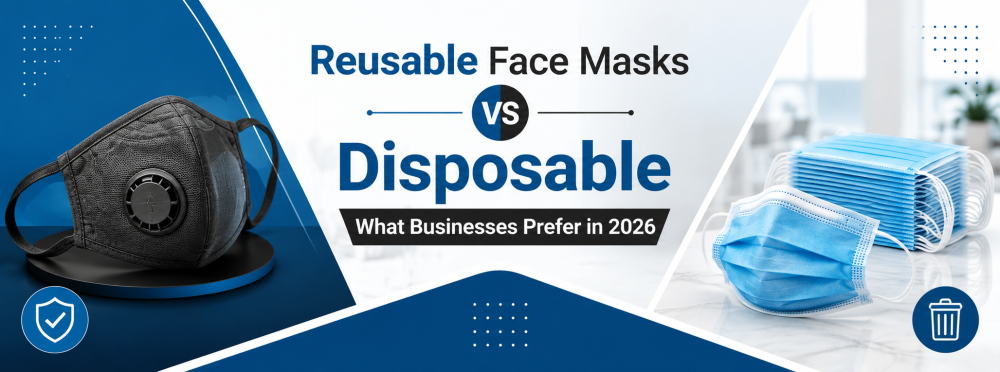
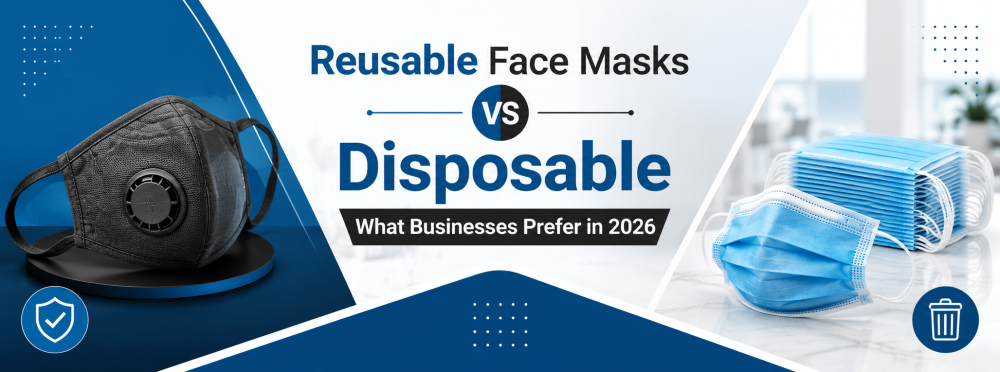
  1. Reusable Face Masks vs Disposable – What Businesses Prefer in 2026

    Reusable Face Masks vs Disposable – What Businesses Prefer in 2026
    Reusable Face Masks vs Disposable – What Businesses Prefer in 2026

    Ensuring the safety of your employees is a priority for most businesses in 2026. A protective face mask acts as a shield for the staff, protecting them from harmful germs, chemicals, dust, airborne particles, etc at the workplace. Most employees commonly use reusable masks and disposable face masks to protect themselves from pollution, germs, airborne viruses and particles, dust, etc. While disposable face masks are budget-friendly, offer convenience, and high-level protection, the reusable masks are good for long-term use but require careful handling.
    Read more »
  2. Why Are More High-Risk Industries Using Powered Air-Purifying Respirators?

    Why Are More High-Risk Industries Using Powered Air-Purifying Respirators?

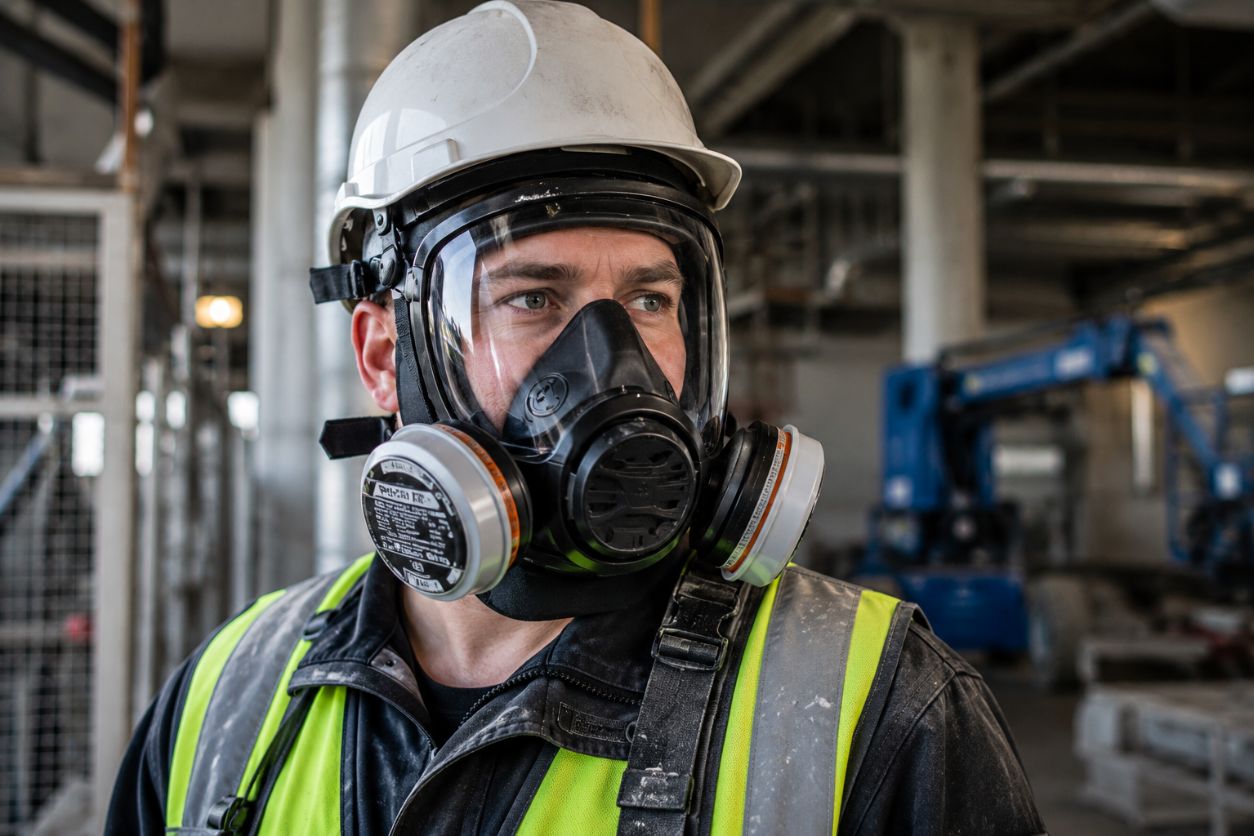
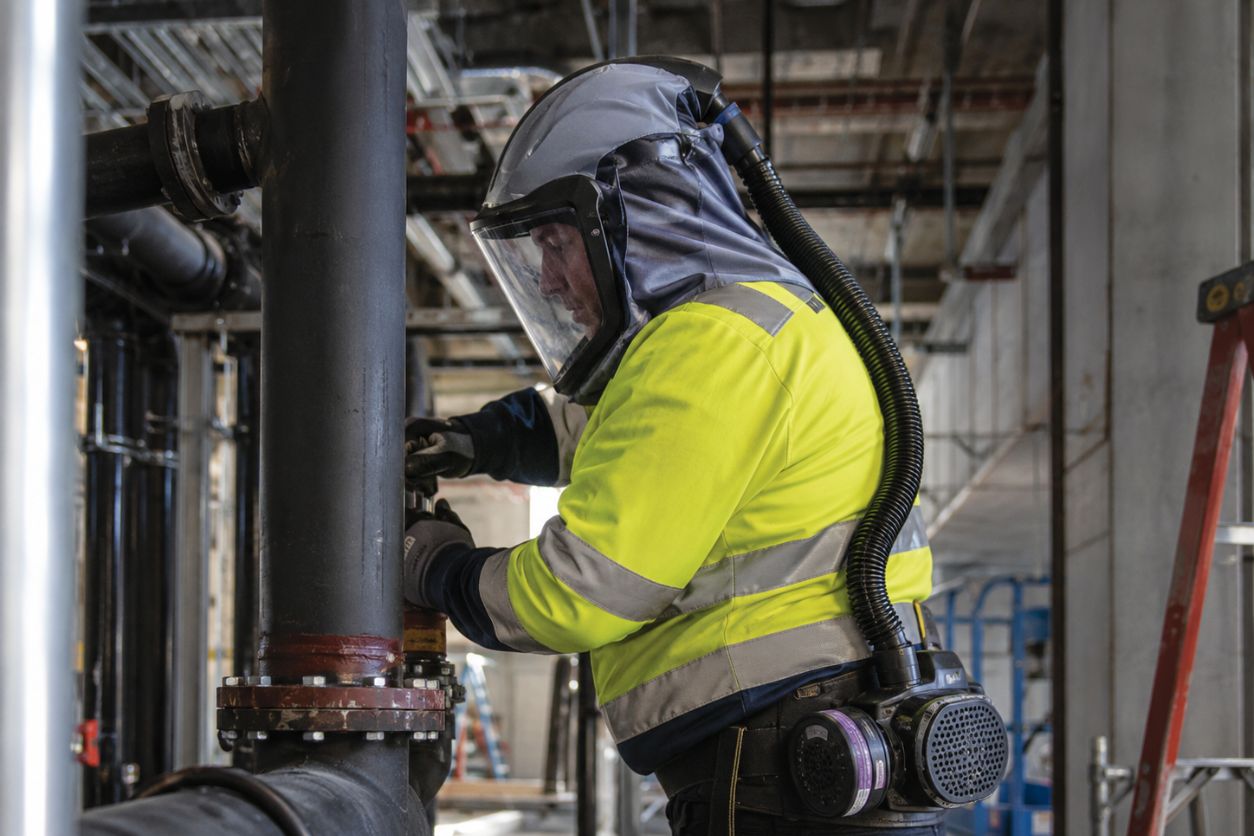
    Workplace dust and fume exposure is a daily hazard in mechanical contracting and hazardous material environments. Prolonged inhalation of unsecured particulates damages long-term respiratory health and triggers regulatory penalties for non-compliance. Equipping your workforce with a certified Powered Air-Purifying Respirator ensures EN149 compliance while providing protection against airborne hazards. Standard dust masks often fail under extreme industrial load, meaning trades professionals must select the correct FFP1, FFP2, or FFP3 classification to isolate hazards effectively.

    Why Does Respiratory Protection Matter in High-Risk Environments?

    Respiratory protection matters in high-risk environments because operations expose workers to microscopic airborne hazards that bypass natural biological defences. Health and safety managers must implement certified filtration

    Read more »
  3. What Procurement Risks Matter Most with A Powered Respirator?

    What Procurement Risks Matter Most with A Powered Respirator?

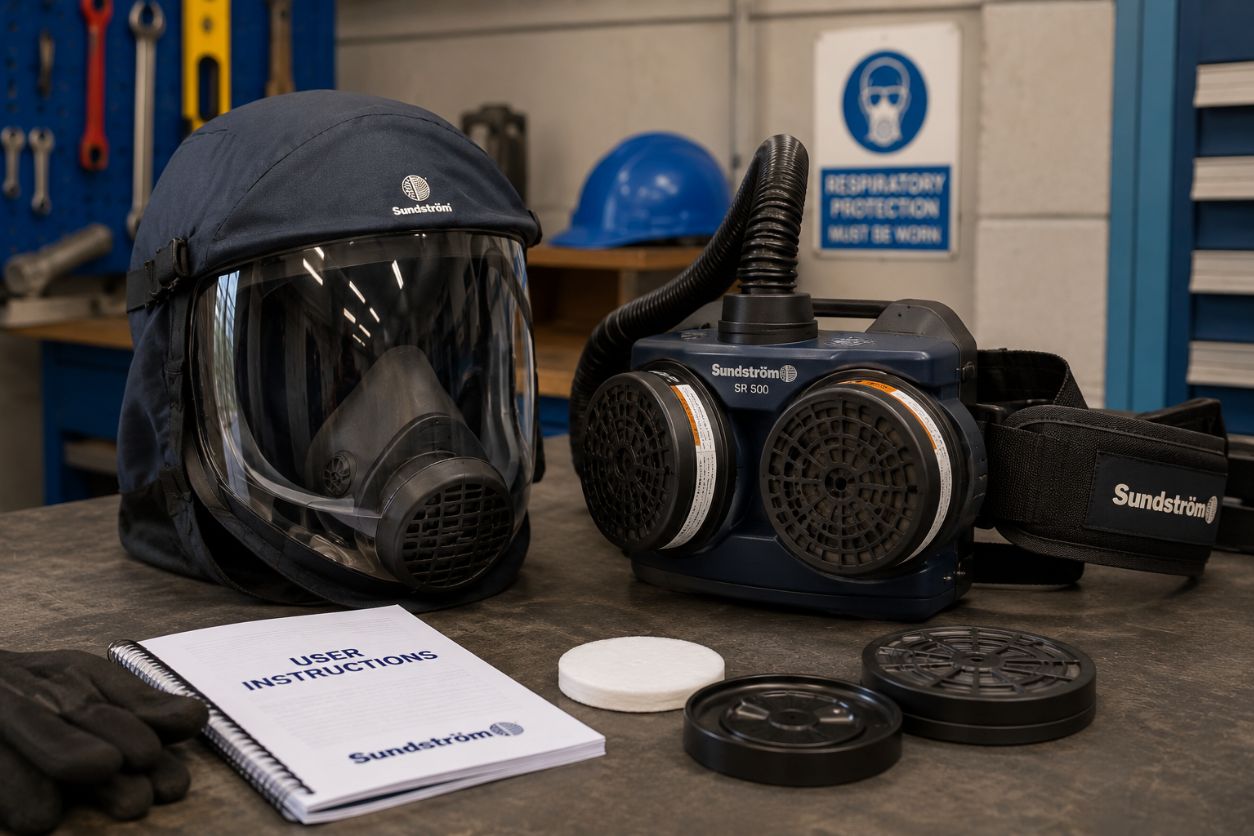
    Airborne debris during fire sprinkler system installation creates severe workplace hazards. Inhaling metal dust and pipework fragments damages long-term respiratory health and triggers immediate regulatory intervention. Purchasing a fully certified powered respirator protects mechanical contracting teams while satisfying strict occupational hygiene standards.

    Why Do Procurement Teams Fail Buying Respiratory Gear?

    Procurement teams often fail when buying respiratory gear because they prioritise upfront costs over certified compliance and continuous operational performance. Buying uncertified equipment instantly exposes workers to toxic particulates during heavy mechanical contracting tasks. Sourcing guaranteed devices secures physical safety and avoids devastating legal liabilities.

    Many businesses rush into purchasing decisions without analysing the specific

    Read more »
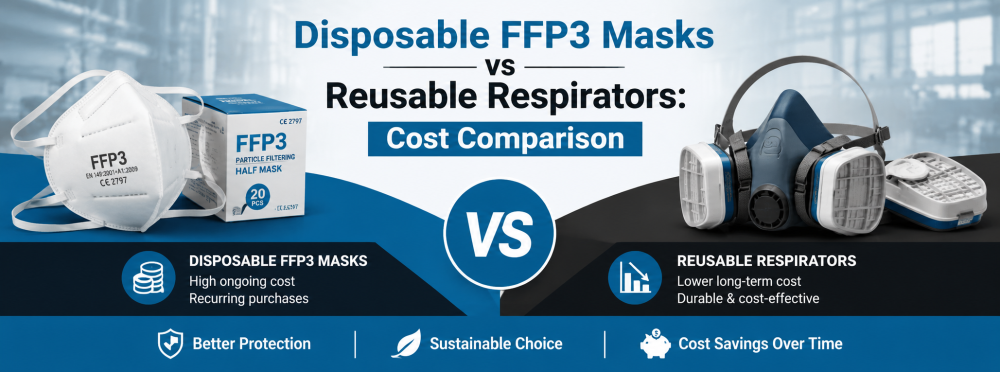
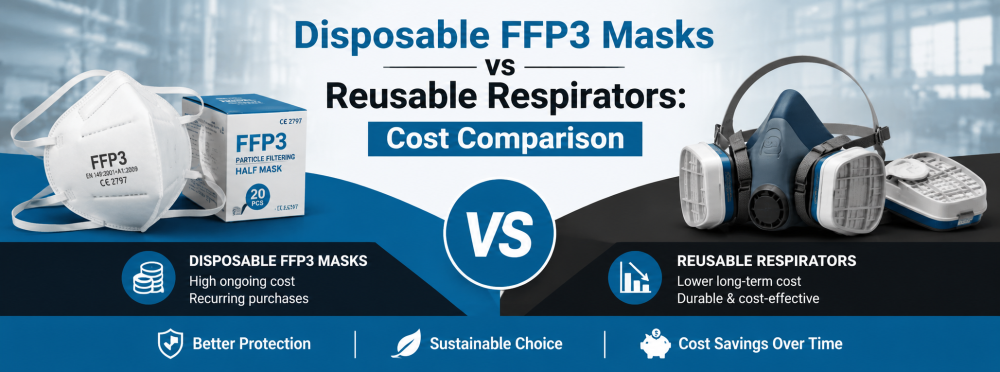
  4. Disposable FFP3 Masks vs Reusable Respirators: Cost Comparison

    Disposable FFP3 Masks vs Reusable Respirators: Cost Comparison
    Disposable FFP3 Masks vs Reusable Respirators: Cost Comparison

    A box of disposable FFP3 face mask units might look like a safe and low-cost investment until you realise that you might be spending around £87 (on a box of 10 masks). Suppose each worker uses two disposable masks per day, and you have a hundred employees working on a construction site or in a field, then in total you might be spending around £1,740 per working day on the disposable masks alone.

    Read more »
  5. Which Materials Offer the Best Protection in Reuseable Face Masks?

    Which Materials Offer the Best Protection in Reuseable Face Masks?

    Airborne particulates present constant risks during mechanical contracting and safety system installations. Prolonged exposure to unregulated construction dust rapidly degrades lung capacity. Supplying your teams with a certified reusable face mask guarantees compliance with workplace regulations while providing continuous worker protection. Protective Masks Direct supplies heavy-duty respiratory protective equipment designed specifically to perform under demanding industrial conditions.

    Why Do Reusable Face Masks Require Specific Materials?

    Workplace respiratory hazards require specific materials because standard fabrics allow harmful particles to penetrate the breathing zone. High-grade materials like medical silicone and thermoplastic elastomers create an airtight impermeable barrier on the face. This structural integrity blocks microscopic concrete

    Read more »
Page