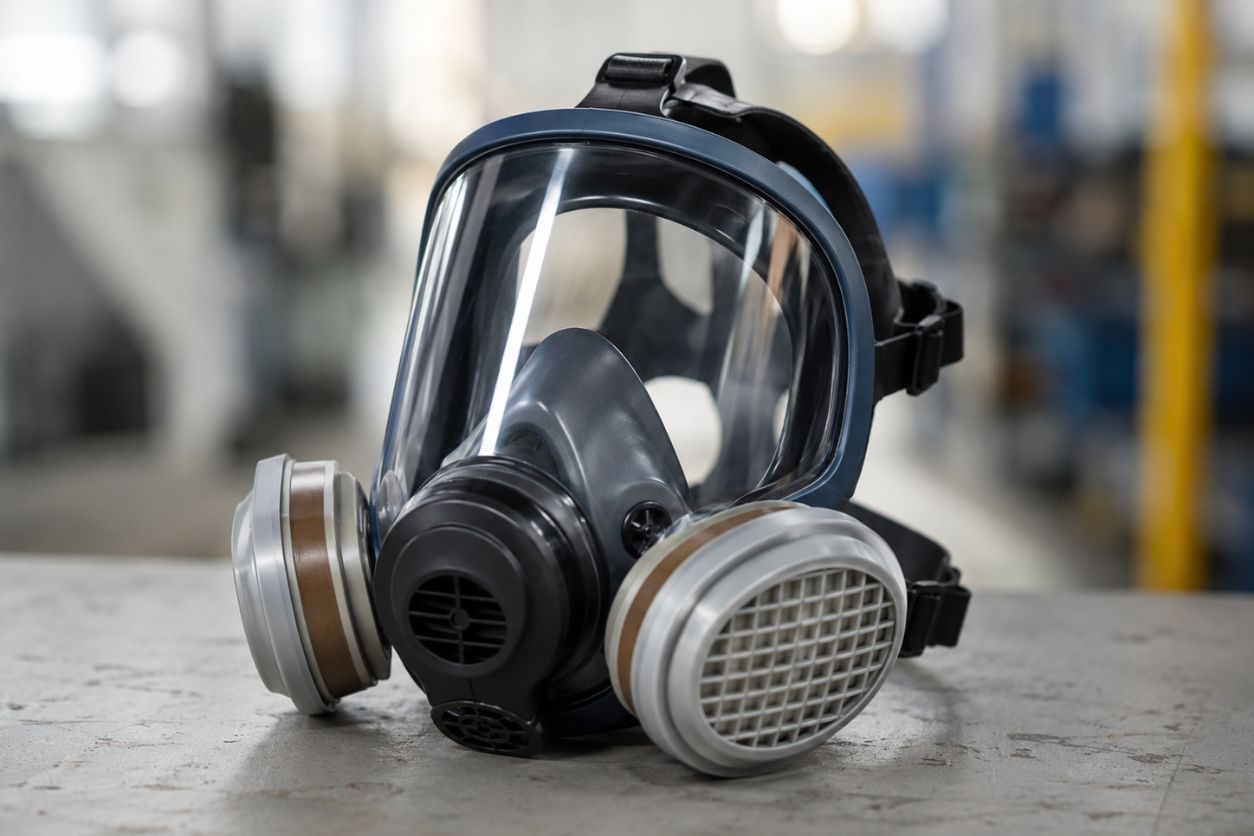

In many fields, workers are exposed to dangerous air pollutants such as biological agents, chemical gas, and even dust. If your eyes could also be exposed, then a half-face mask won't protect them well enough.
Here is where a full face respirator mask can help you. The main benefit of this mask is that it covers your eyes as well as your mouth and nose. In this blog, we will help you pick the best mask according to your needs.
How Full Face Respirator Masks Work
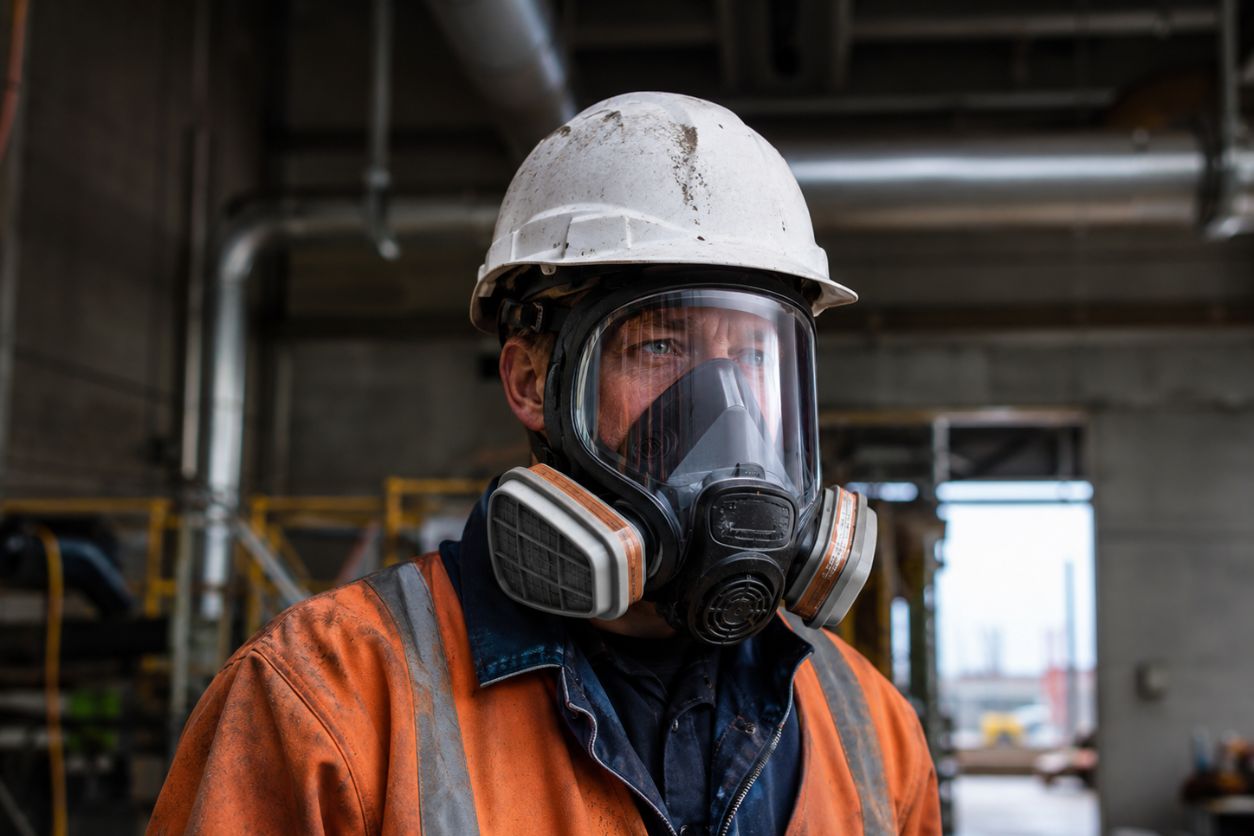
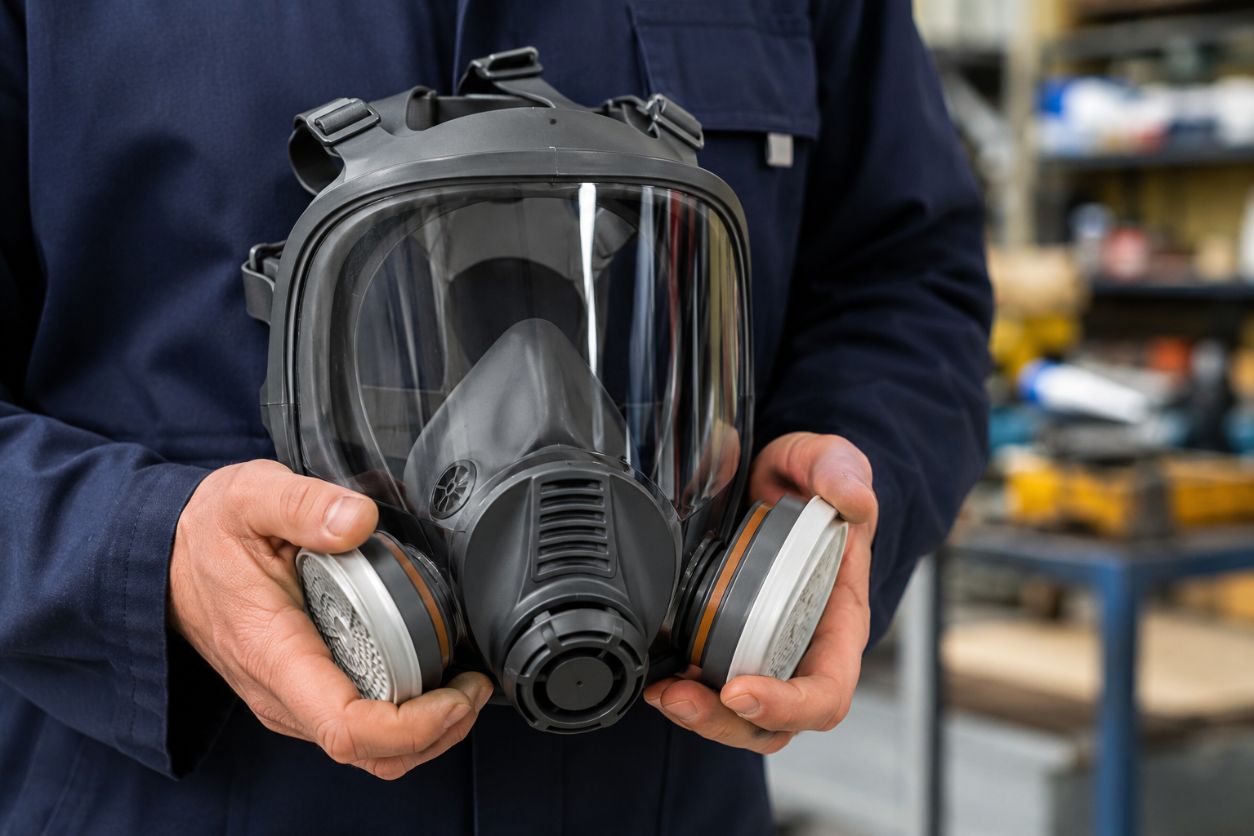
A Full Face Respirator Mask covers the whole face, from the hairline to below the chin. It seals off the airflow and filters it through changeable cartridges or filters. These units, unlike half-face types, protect your eyes from chemical splashes, vapors, and particles in the air.
Some important features are:
- Covers the whole face, from the hairline to the chin
- Built-in eye safety in the same unit
- Filter plates that can be changed for different dangers
- More effective at sealing than half-face choices
The main difference between a Full Face Dust Mask and other types of respirators is how well they filter air. Particulate filters are used in dust masks, while chemical respirators use specific fume filters designed to filter out and protect against the contaminant encountered.
Levels and Standards of Protection
Knowing how to use FFP classifications to match protection levels to individual risks:
- FFP1 respirators have an APF rating of 4 and are good for low-level dust exposure. This level is now rarely used as as research has shown the importance of using higher level protection
- APF 10 FFP2 units are good for mild dust levels and some biological agents
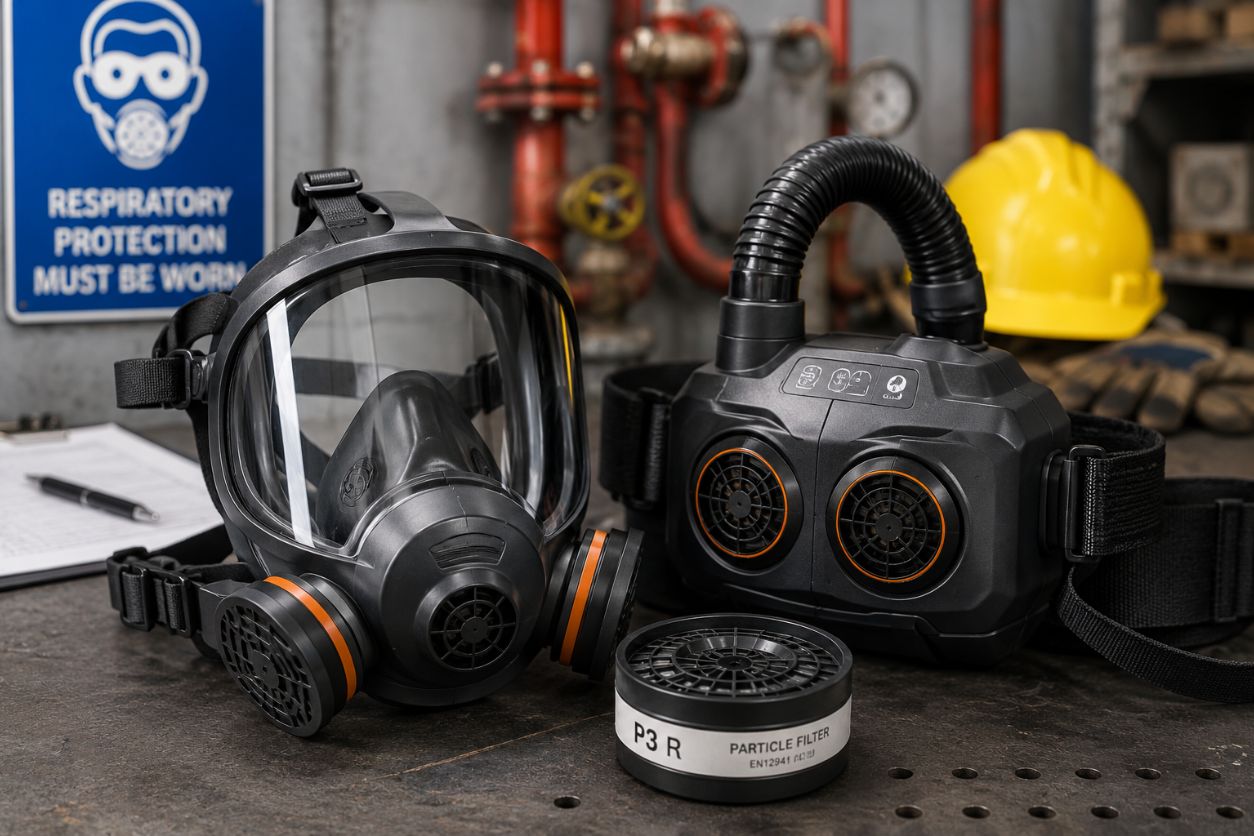
- FFP3 respirators with an APF 20 rating are necessary for high-risk areas that have dangerous substances like asbestos and medicinal powders
Getting the right license makes sure that safety standards are met. European EN standards and American NIOSH approvals show the levels of performance that can be expected from these masks.
Different Kinds of Full Face Masks
Models of full-face dust masks with particulate filters protect very well against solid particles like metal filings, building dust, and wood particles.
These are the main types that are available:
- Chemical cartridge respirators: They are designed with special materials such as activated carbon or other specific-component chemicals in the cartridges in order to mitigate specific pollutants. They are fitted to handle certain gases and vapors potentially exposed to.
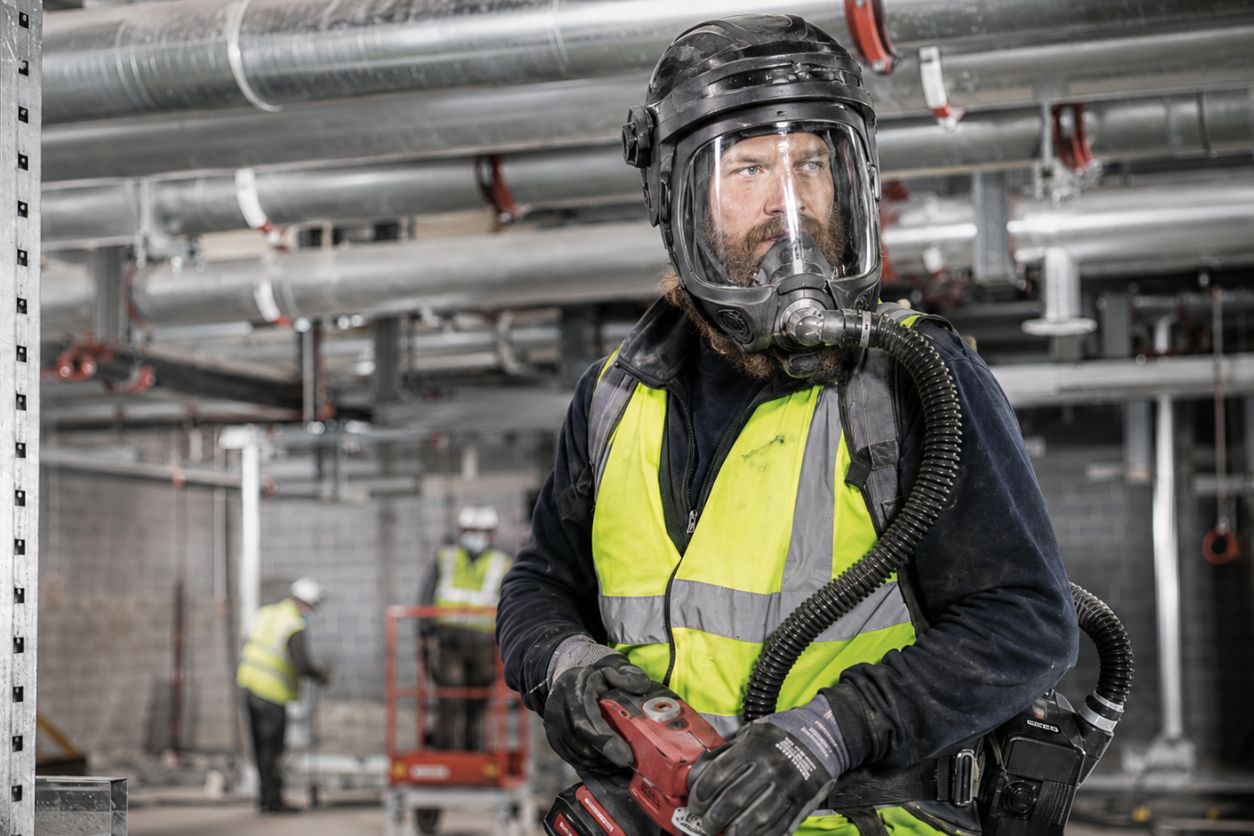
- Powered air-purifying respirators (PAPR): These should always be used when working for long periods of time, the user has facial hair or when superior protection is required. The PAPR fans are powered by batteries that draw air through filters and blow it into your respirator mask. This reduces the difficulties of breathing providing a comfortable environment as well as higher levels of respiratory protection in dangerous working conditions.
- Supplied-air respirators: These hook to sources of clean air with hoses, and provide you with maximum protection when faced with extremely hazardous conditions.
Important Things to Think About When Picking a Full Face Respirator Mask
Occupational Exposure Limits (OEL) knowledge can assist you in the determination of whether you will obtain adequate protection with the use of a full face respirator mask.
Here are a few major factors to consider:
- Fit and comfort: It is necessary to correctly seal full-face masks across the entire face. This seal can be broken by hair on the face, scars, or missing teeth. To get better results, have a professional do fit tests on these masks.
- Conditions at work: Heaters and humidifiers can be annoying and make it harder to see. The people who use these devices may need to use them while wearing masks to help them breathe and work easily.
- Compatibility with other PPE: The head straps on some hard hats and safety helmets may get in the way. People who need glasses with prescriptions need certain lens inserts. PAPR units are suitable for personnel with glasses without the requirement of inserts.
Take Care of and Maintain
With the right care and maintenance, these gadgets can be kept safe from most types of damage.
Important jobs for maintenance:
- Washing regularly: Add a bit of water and light soap before cleaning it after every use.
- Storage: The device should not be exposed to direct sun rays and high humidity levels and temperatures.
- Replacement of filters: Replace the filter and cartridge according to the manufacturer installation instructions, or when breathing becomes hard.
Conclusion
The requirements of the user, the work place, and occupational risks ought to be taken into account when choosing a full face respirator mask. Fit testing, training and maintenance are necessary to provide the optimality in safety and meet the regulations. We hope that this blog has helped you choose the best mask according to your needs. For any queries, please feel free to contact us.