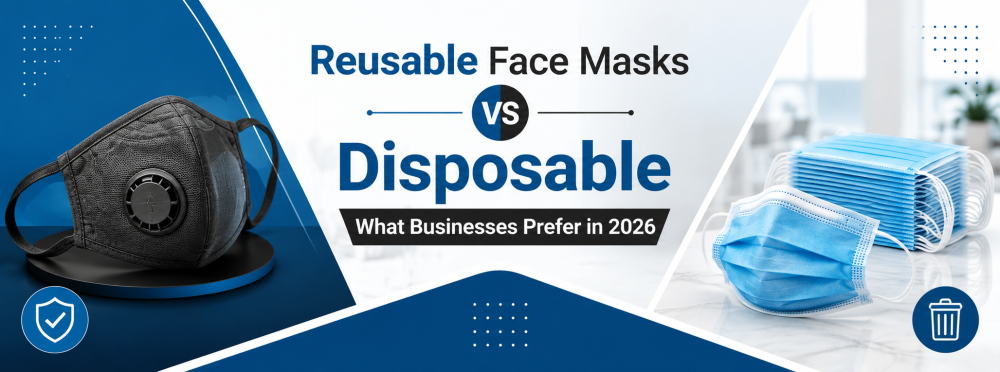
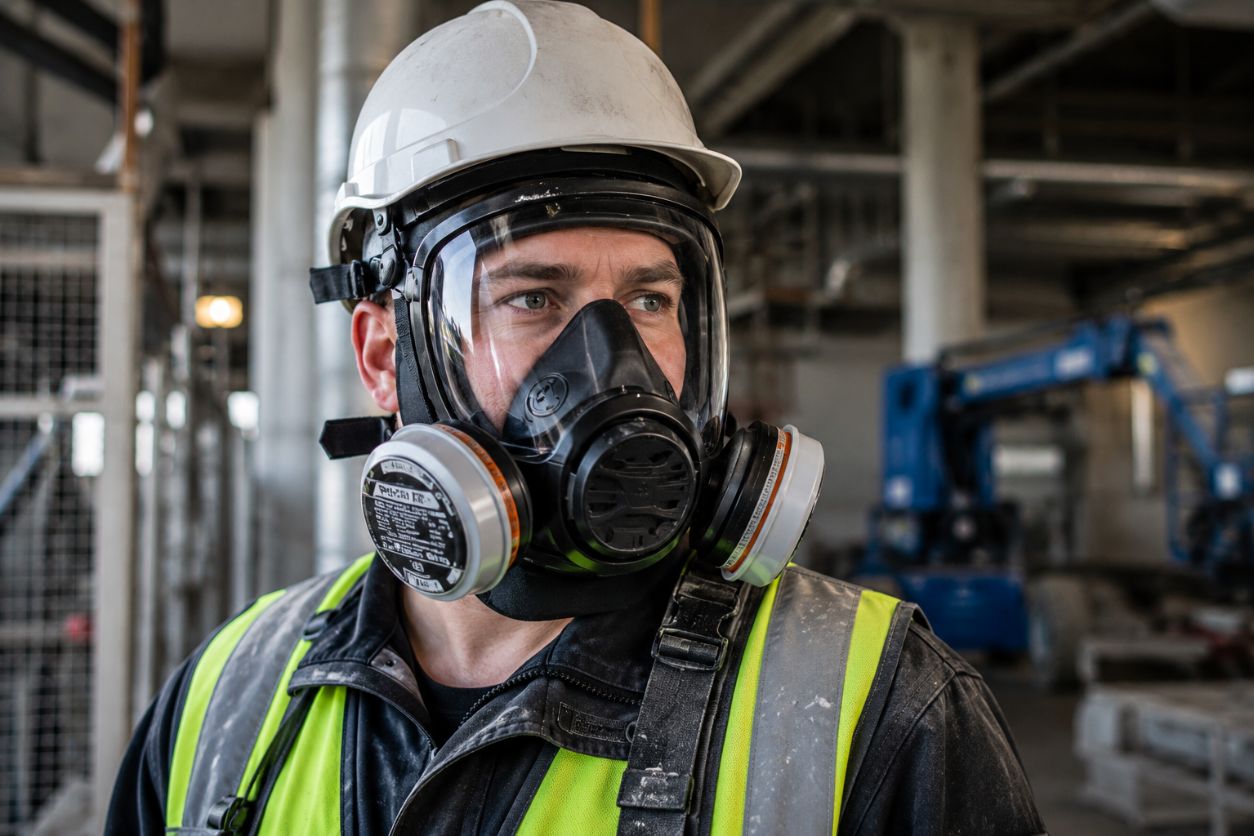
Airborne dusts and fumes change depending on the job. Choosing the right protection keeps exposure low. P3 masks offer the highest particulate filtering level within EN 149 disposable classes. Reusable versions, with P3 filters, are also available.
What Are P3 Masks?
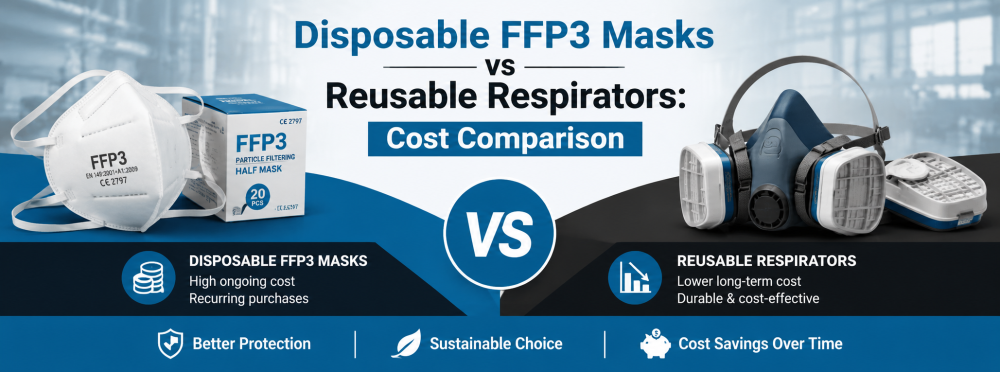
The P3 class refers to a high‑grade particulate filter class defined in European standards. In disposable masks, this appears as FFP3 under EN 149, while reusable respirators use P3 filters assessed under EN 143. Both are designed for fine airborne matter. The style of the facepiece influences how protected you would be, so a full face model typically offers a higher Assigned Protection Factor than a half mask.
Which Respirators Accept P3 Filters?
Reusable half and full face respirators accept P‑class filters, intended for finer aerosols and higher exposure
Owning a high-quality respirator is a bit like owning a good pair of boots. If you look after them, they’ll look after you. It is an investment in your own health, but it only works when you take good care of it. A mask that is left covered in sweat and dirt will be uncomfortable to wear and not work how it should. It should only take a few minutes to clean.
How to Tell When a Mask Needs Cleaning
It is usually pretty obvious when a mask needs a wash. You might notice the visor getting a bit foggy or a weird smell starting to develop inside. These things are more than just annoying because a blurry visor makes it much harder to see what you are doing.
Other parts of the mask also need to be checked. Loose straps or buckles indicate they will need to be deep cleaned and spare parts will need to be acquired.
What Cleaning Works Best for Reusable Masks?
The mask can be ruined if you use the wrong cleaning material. Some light soap and warm water with
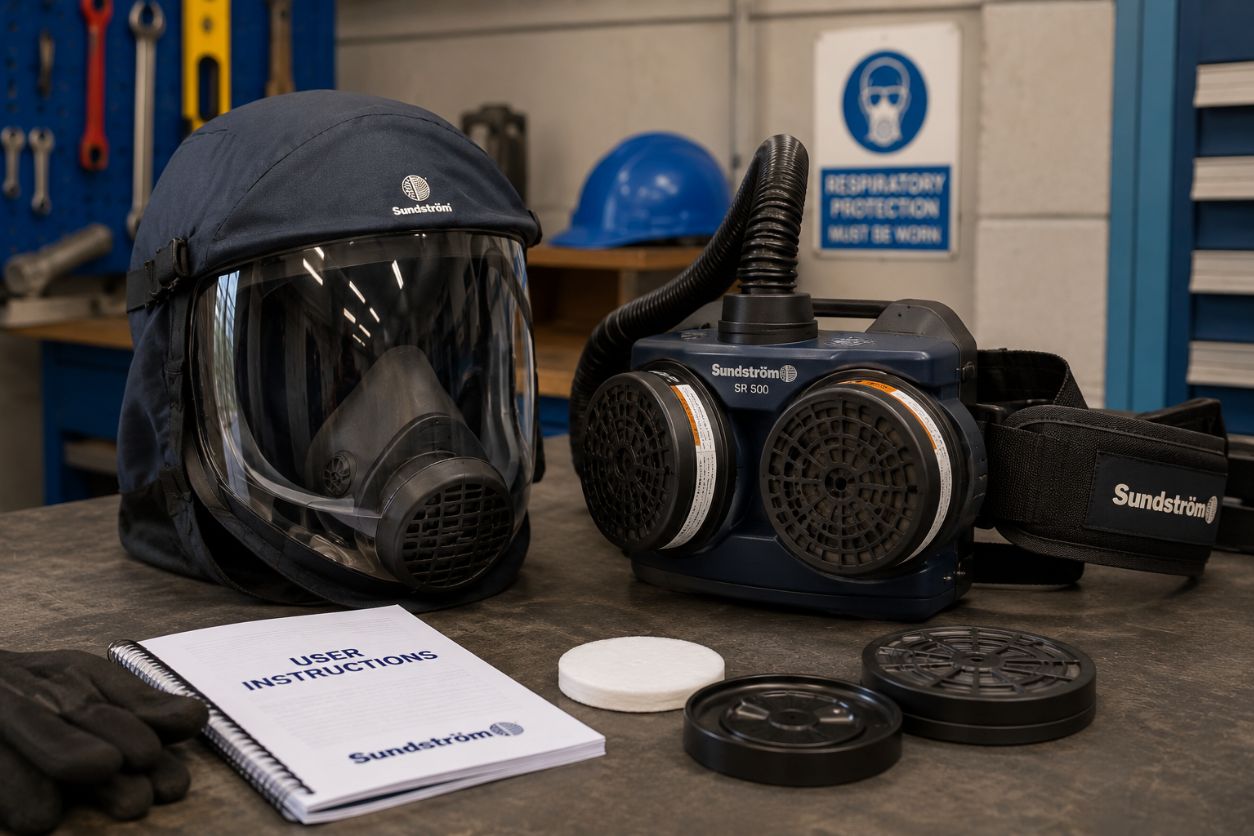
If you are working in an environment filled with hazardous airborne particles, then you need to use proper respiratory protection for personal safety. In fact, according to the CDC, around 5 million workers wear respirators for their jobs. To prevent illnesses and injuries in workplaces, employers are implementing safety equipment and protocols. Sundstrom Masks have distinguished themselves from other personal protective equipment in the market with better quality of respiratory protection and premium comfort for the employees.
Every workplace has hazards that need the right equipment to manage them. The right equipment helps protect workers when other measures reduce but do not remove risk.
How do You Identify Hazards for the Right PPE?
Start with your risk assessment and list the tasks that create airborne agents and splashes, noting where heat or impact risk can appear. Then select items that address the protection you require.
In construction or maintenance, the same area can present different risks across a shift, so plan for swaps. A visor should not affect other equipment such as a harness or a pair of ear defenders, so make sure items work together.
For instance, to deal with silica dust from chasing concrete, your mask needs an increased level of filtration. When interacting with harmful liquids like caustic cleaners and acids, it’s vitally important to use the correctly rated eye and face protection.
If the right equipment can deal with the corresponding
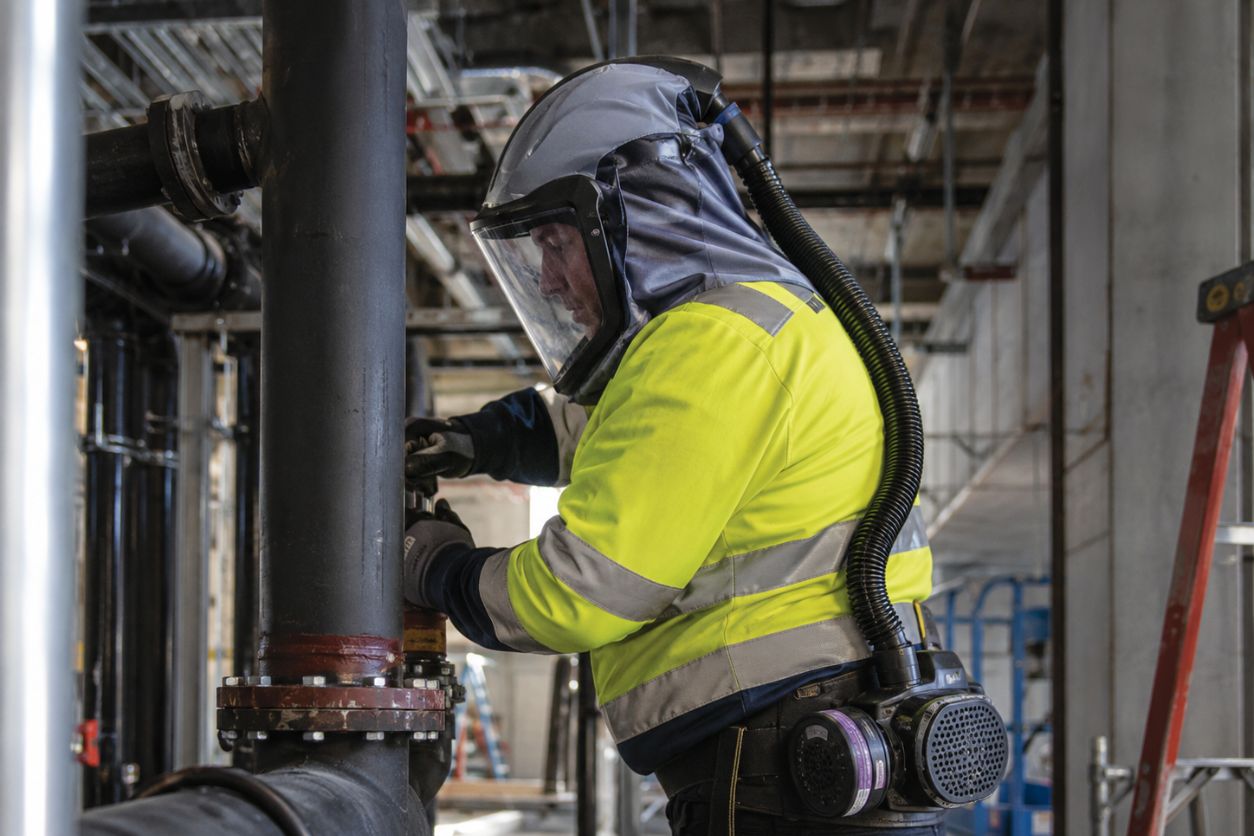
When working on site, the airflow changes from hour to hour. Cutting, sanding, grinding or dealing with vapours adds risk that you can reduce with the right kit. An air powered respirator draws air through a filter and feeds clean air to a hood or facepiece so you can keep working with steady airflow and less breathing resistance.
How Does Powered Airflow Protect Your Lungs During Fume‑Heavy Tasks?
A powered unit uses a battery‑driven blower to pull contaminated air through filters that can match the hazard. Air then travels along a breathing tube into a hood or a tight‑sealing facepiece. Constant flow helps manage heat and moisture build‑up inside the headgear, helping you focus through a shift.
How do You Choose a Hood or a Tight‑Seal Mask for the Job?
Loose‑fitting hoods deliver filtered air to the head and neck area and do not rely on