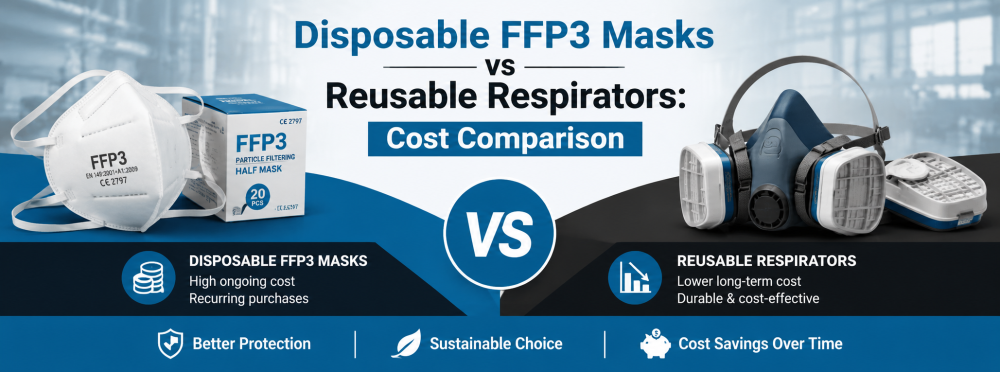
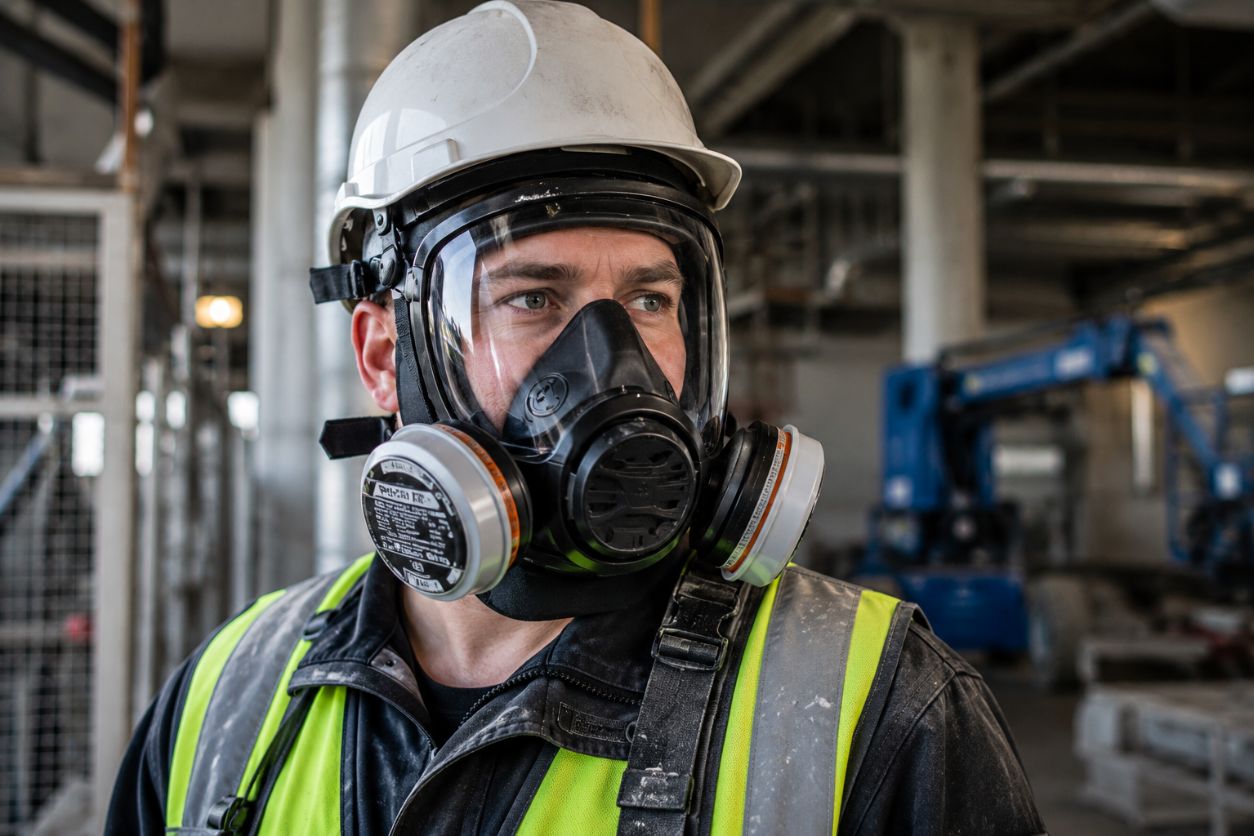
Workplace dust and fume exposure is a daily hazard in mechanical contracting and hazardous material environments. Prolonged inhalation of unsecured particulates damages long-term respiratory health and triggers regulatory penalties for non-compliance. Equipping your workforce with a certified Powered Air-Purifying Respirator ensures EN149 compliance while providing protection against airborne hazards. Standard dust masks often fail under extreme industrial load, meaning trades professionals must select the correct FFP1, FFP2, or FFP3 classification to isolate hazards effectively.
Why Does Respiratory Protection Matter in High-Risk Environments?
Respiratory protection matters in high-risk environments because operations expose workers to microscopic airborne hazards that bypass natural biological defences. Health and safety managers must implement certified filtration
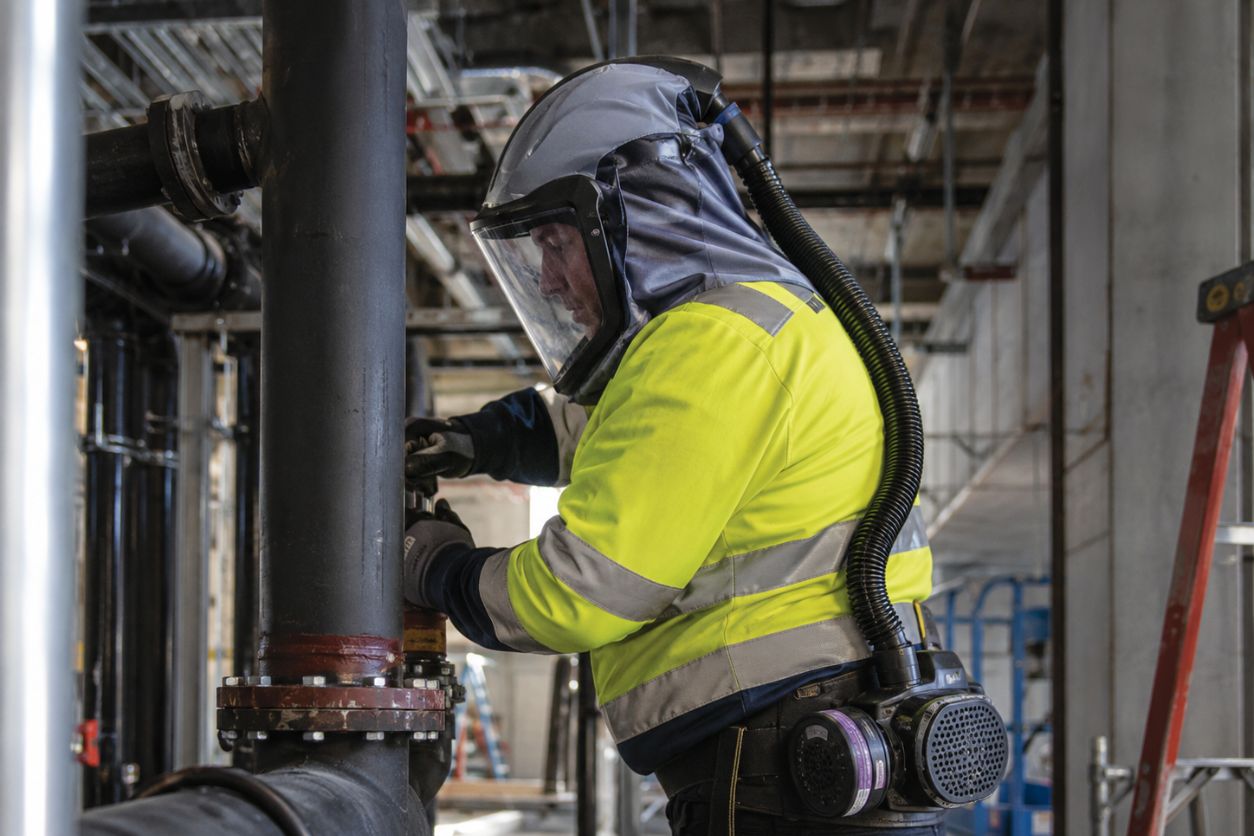
Airborne debris during fire sprinkler system installation creates severe workplace hazards. Inhaling metal dust and pipework fragments damages long-term respiratory health and triggers immediate regulatory intervention. Purchasing a fully certified powered respirator protects mechanical contracting teams while satisfying strict occupational hygiene standards.
Why Do Procurement Teams Fail Buying Respiratory Gear?
Procurement teams often fail when buying respiratory gear because they prioritise upfront costs over certified compliance and continuous operational performance. Buying uncertified equipment instantly exposes workers to toxic particulates during heavy mechanical contracting tasks. Sourcing guaranteed devices secures physical safety and avoids devastating legal liabilities.
Many businesses rush into purchasing decisions without analysing the specific
Workplace dust exposure is a persistent danger in life safety systems installations and mechanical contracting. Prolonged inhalation of airborne particulates causes severe respiratory damage and long-term illness among site engineers. Standard negative-pressure dust masks fail to provide adequate breathability during extended shifts involving heavy manual labour and high particulate loads.
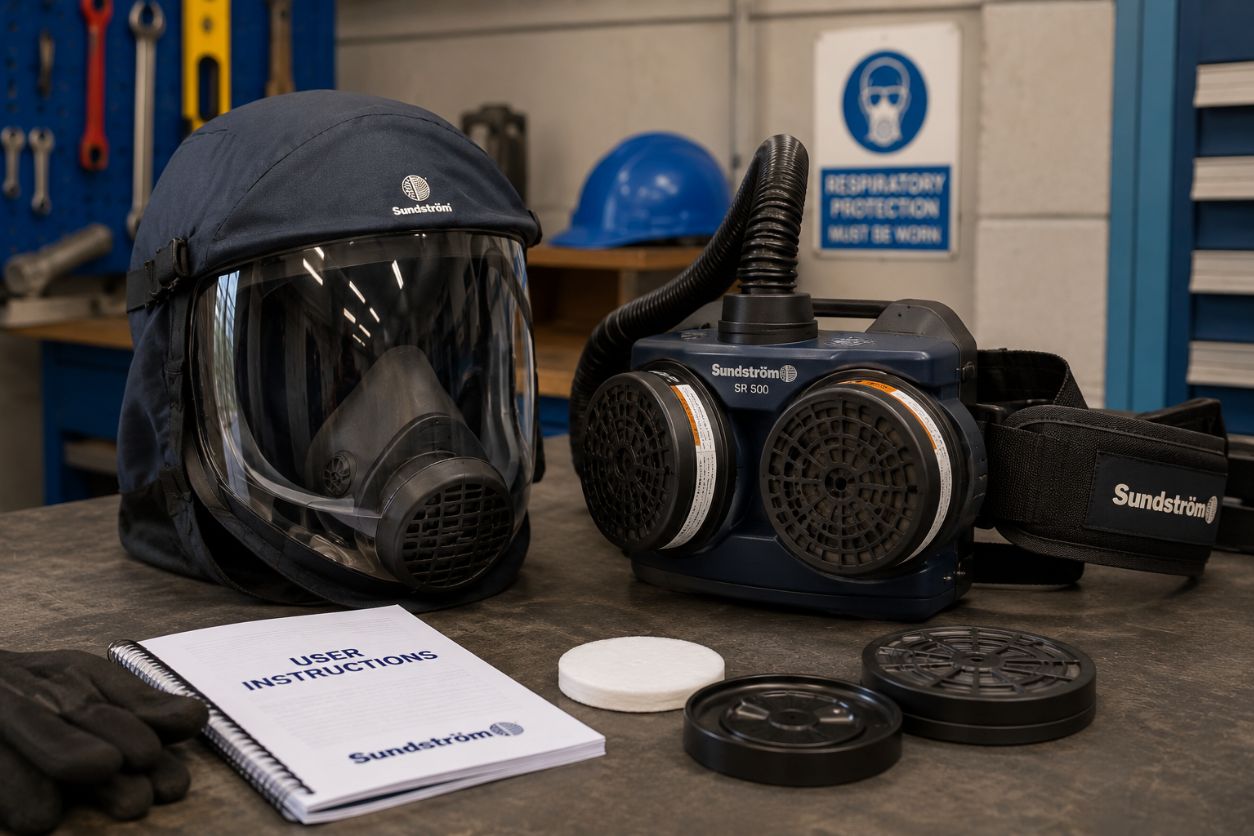
A fully certified Powered Air-Purifying Respirator (PAPR) provides higher protective capacities for these highly demanding commercial environments. Supplying reliable respiratory protection guarantees strict safety compliance on every job site and physically protects the physiological health of your workforce. Professional grade respiratory equipment is designed precisely to handle these rigorous, daily operational demands.
What Is a Powered Air-Purifying Respirator (PAPR)?
Construction facilities require EN149 certified respiratory protection to prevent long-term lung damage from airborne dust particles. Standard negative-pressure masks often cause severe breathing fatigue during intensive physical labour. Providing workers with an air-powered respirator protects your team from physical exhaustion and maintains strict regulatory compliance on site.
We explain how powered respiratory equipment eliminates physical breathing fatigue during industrial tasks. We detail the mechanics behind breathing resistance and positive pressure systems. Read on to understand filter applications and why professional equipment procurement protects employee health.
We review the causes of standard mask fatigue and the exact mechanics behind positive pressure devices. Our guide explains the specific airborne hazards these powered units filter out on site.
Workplace dust exposure remains a severe hazard across heavy construction sites. Prolonged inhalation of microscopic particulate matter damages long-term respiratory health and compromises strict legal health and safety mandates. Supplying an EN149-compliant air powered respirator protects site personnel from lung damage while ensuring complete regulatory compliance. Protective Masks Direct supplies industry-certified FFP2 and FFP3 masks, alongside advanced mechanical filtration units to address specific site safety requirements.
Why Do Workplace Dust Hazards Require Advanced Respiratory Protection?
Advanced respiratory protection is mandatory because industrial environments generate concentrated hazardous particulates that standard disposable facepieces cannot fully filter. Regulatory compliance standards dictate that any environment with airborne toxicity requires