Buying respiratory protection has changed in recent years as workplaces have new demands on the equipment they’re using. They are also looking more closely at how respiratory systems perform during longer tasks and repeated use across changing site conditions.
As expectations around comfort and workforce acceptance increase, purchasing decisions are no longer based on minimum compliance alone. This change in thinking explains why powered systems are receiving more attention across multiple industries heading into 2026.
What Types of Work Are Driving Increased Use?
Work patterns have changed across many sectors. Some tasks are taking longer to complete and repeated exposure to airborne hazards are more common than in the past.
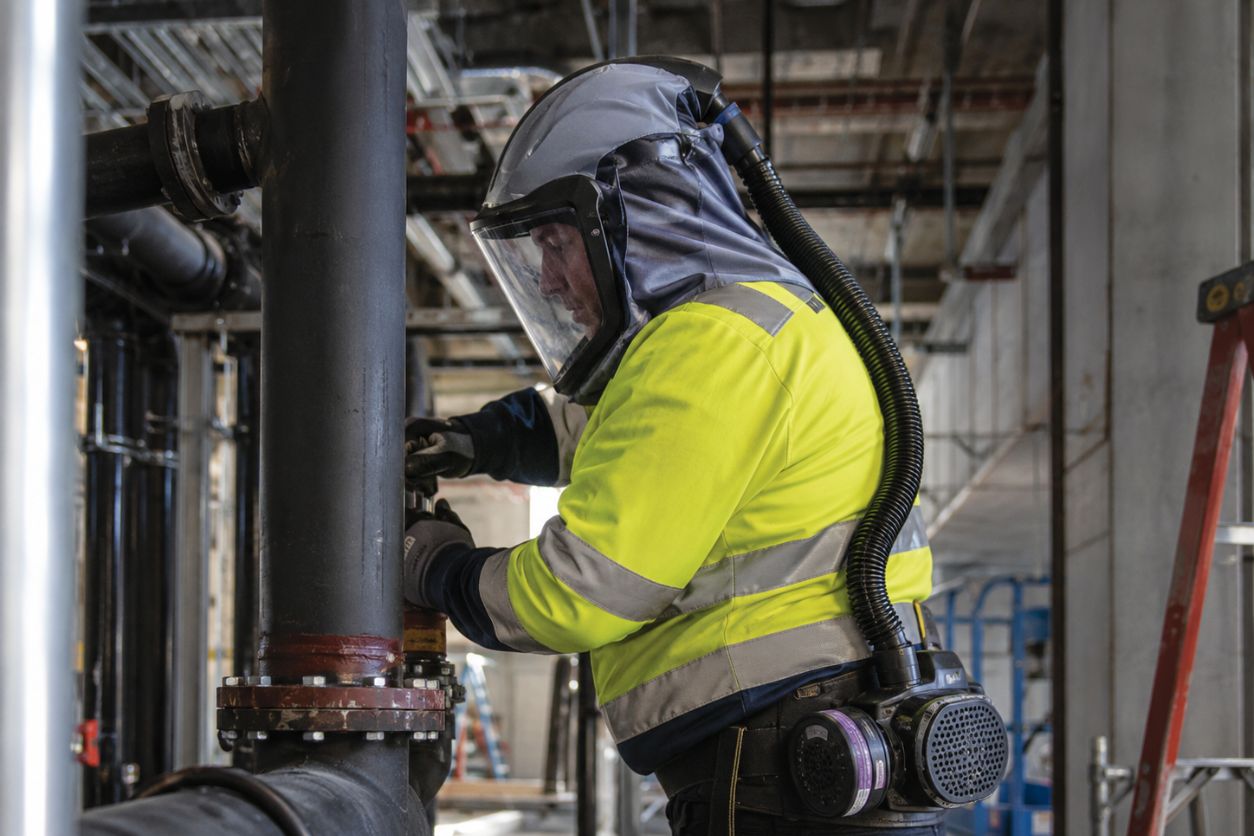
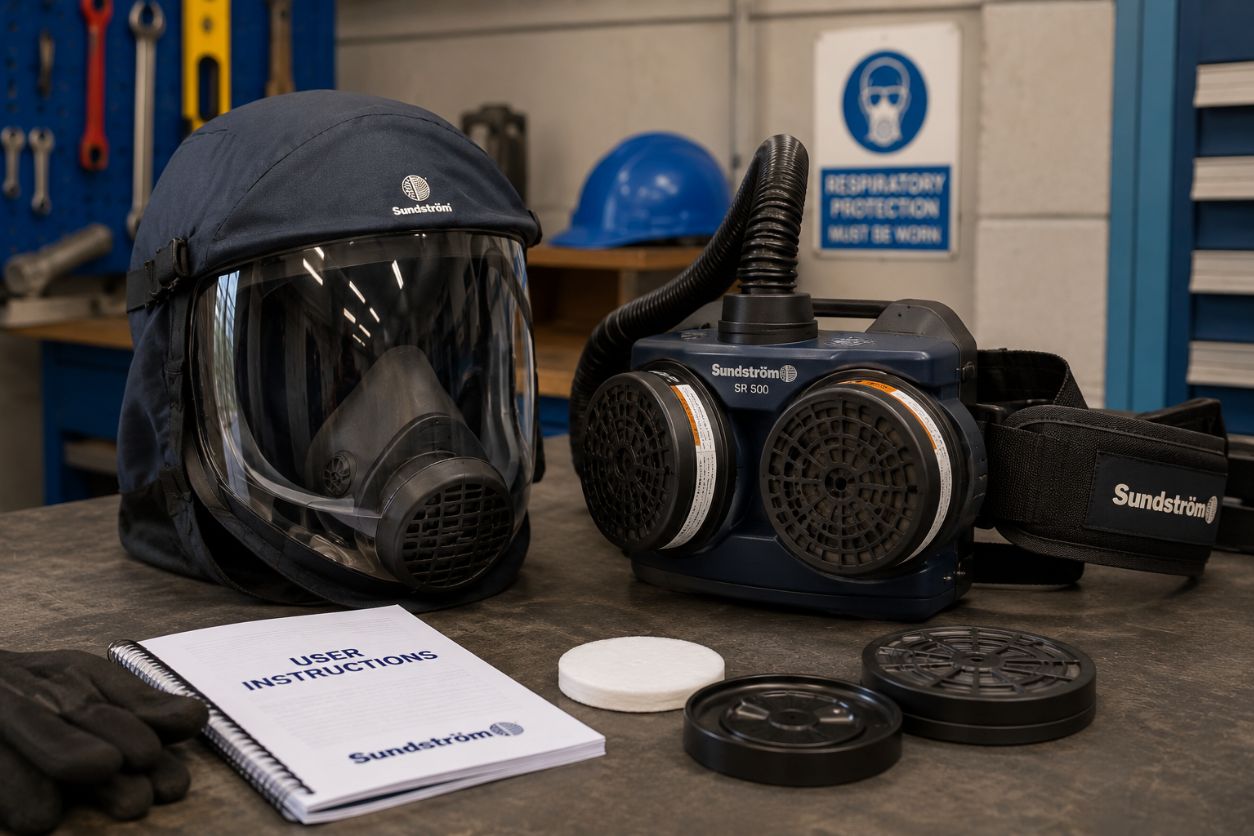
Projects that run for extended periods can place sustained demands on workers. In these environments, an air powered respirator is increasingly considered where conventional respiratory equipment becomes difficult to tolerate for a
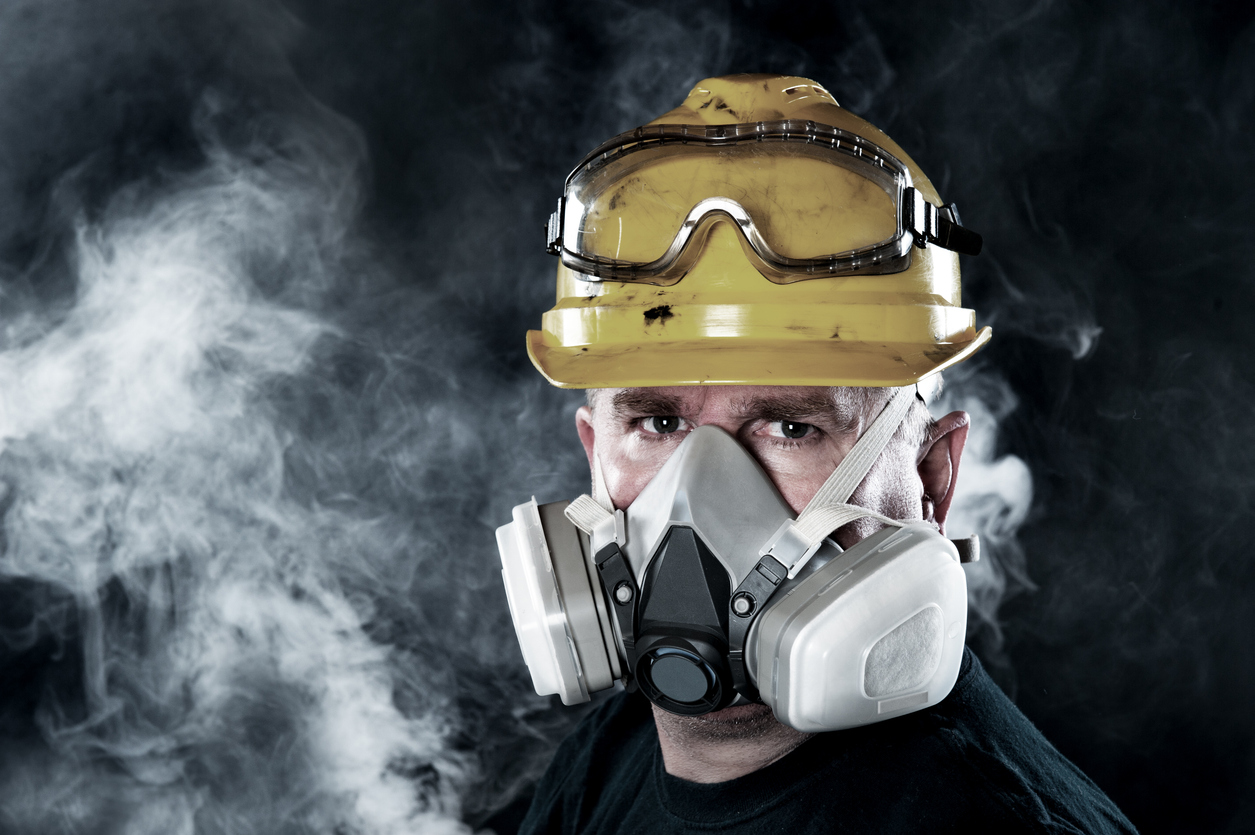
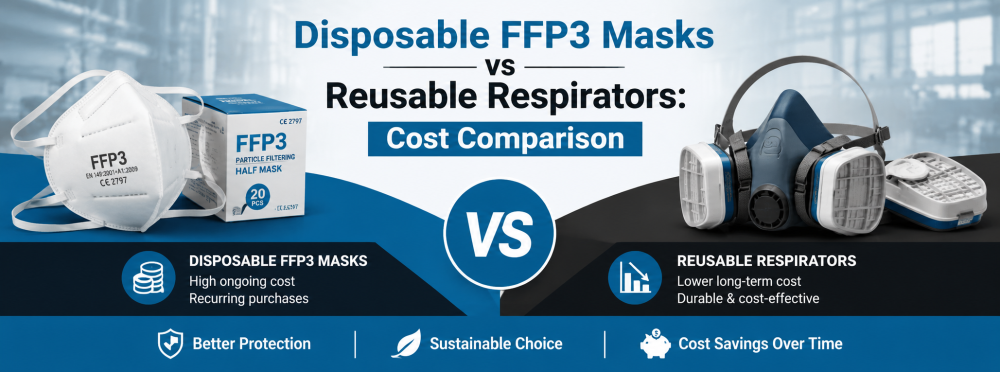
Respirators and face masks are necessary PPE for today's workforce. Although FFP3 disposable dust masks are thought to provide the best protection, wearing a face mask alone is insufficient to ensure complete protection, particularly if you operate in a hazardous area.
When working in a demanding environment, you need to purchase the right respiratory equipment to match. To do this, you shouldn’t only check the product description. This is because respiratory masks consist of multiple components, require continued care, and their performance depends on where and how they are used.
That is particularly important for those who procure items. Getting the wrong masks not only means you incur unnecessary extra costs, but your workforce are also more susceptible to breathing in harmful substances.
Which Tasks Justify Powered Respiratory Protection?
It can be harder to breathe properly during longer tasks. This is why respiratory protection is needed, especially with powered masks.
Any activity that sees prolonged dust generation is one example. Airborne contaminants like welding fumes, solvent vapours, wood dust, and chemical mists are also reasons why the very best protection is needed.
Work involving dust which hangs in the air brings a different set of pressures compared with controlled, low‑risk tasks. Dust generation can be persistent, materials may be disturbed repeatedly, and people may remain close to the source for long periods. In these conditions, choices over respiratory protection carry greater weight.
Lower grades of respiratory protection can struggle to keep up with varying site conditions. As dust levels rise, filtration performance and suitability become central to keeping people protected while work continues.
Which Work Activities Create The Highest Exposure Levels?
Dust levels tend to rise during activities that repeatedly disturb materials across a shift.
Common examples include:
Cutting, grinding, or repeated handling of materials
Work carried out close to the source of dust generation
Tasks performed at face height or within confined spaces
Choosing respiratory protection comes down to how the work is actually carried out. Supervisors and safety leads see differences between planned tasks and what happens once people are on site. Dust levels change and exposure can last longer than expected.
Certain environments remain well controlled, with low levels of airborne material and limited movement. Other settings involve repeated dust disturbance. In those settings, the type of respiratory protection issued can have a direct effect on how consistently it is worn and how well it performs.
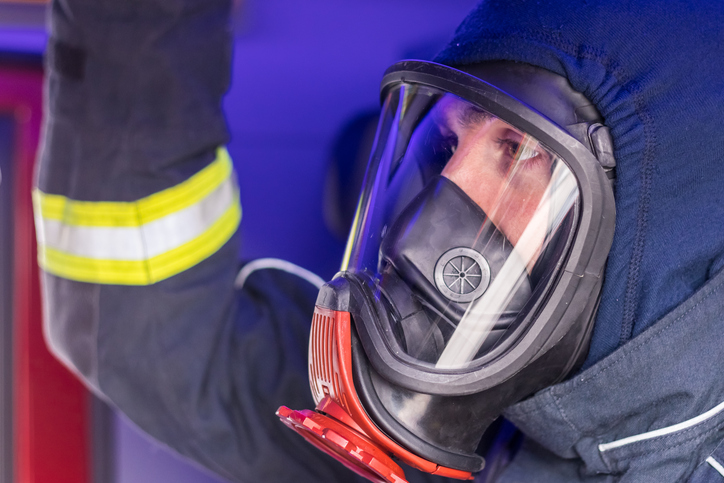
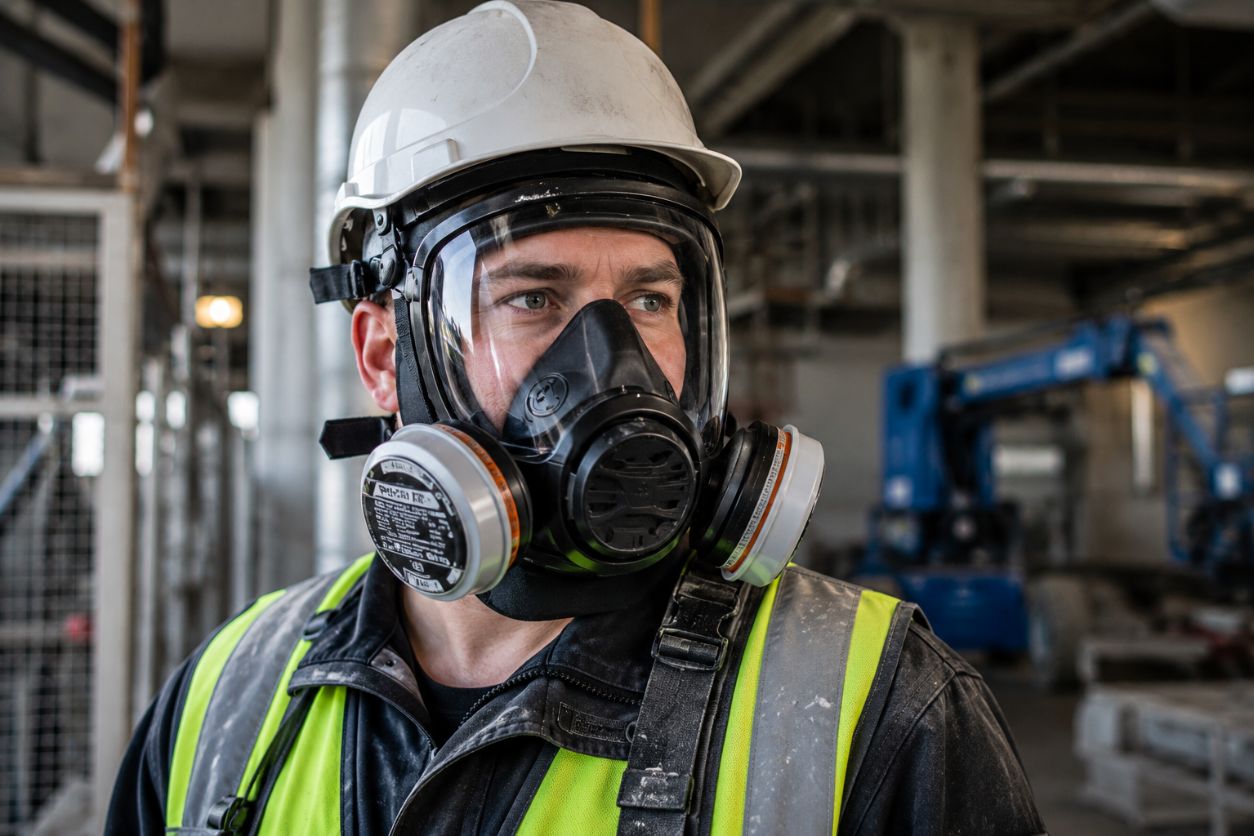
Teams need to decide whether a half mask is sufficient or whether higher coverage is required to manage the risk properly.
Which Work Conditions Increase Respiratory Risk?
Higher risk usually appears where dust is generated repeatedly during the task instead of being released just once. Cutting or grinding can disturb material several times in a shift, increasing the chance of exposure.