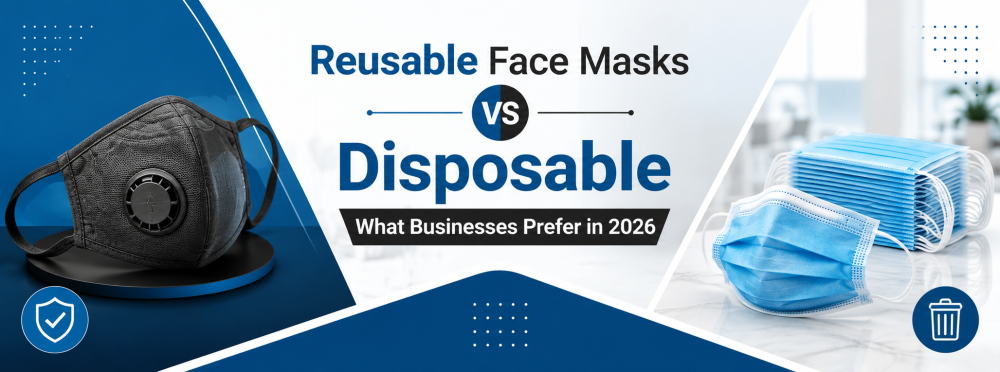
Choosing between reusable and disposable respiratory protection isn’t just a technical decision. Supervisors see how masks behave during physical work and how quickly supplies get used up. They also see how often people need to pause to change equipment.
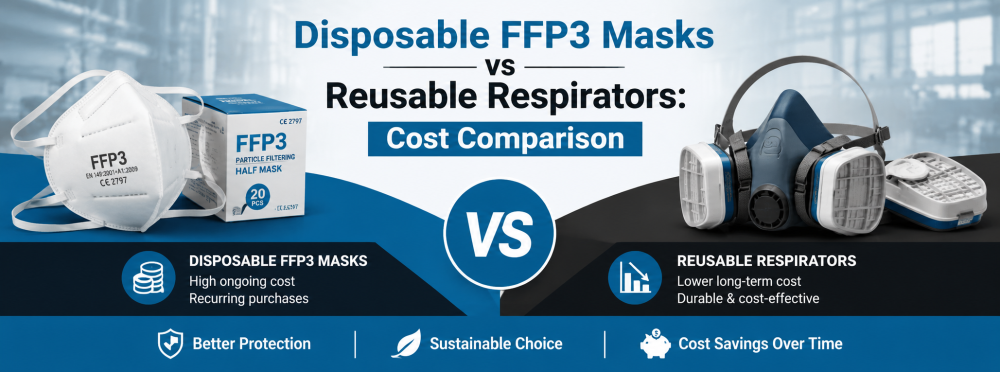
Some teams default to single-use options because issuing them is easy. Others move towards reusable equipment because it can be easier to manage over weeks of consistent use. The best choice depends on exposure and how the work is actually carried out.
Which Conditions Expose Disposable Weak Points?
Disposable respirators often perform well on short tasks in controlled areas. Their weak points usually show up during longer jobs, or tasks where the wearer needs to speak frequently.
Comfort and wear time sit behind many practical issues. A mask that becomes uncomfortable is more likely to be adjusted, reducing performance. Disposable supplies can also become difficult to manage where teams move between several
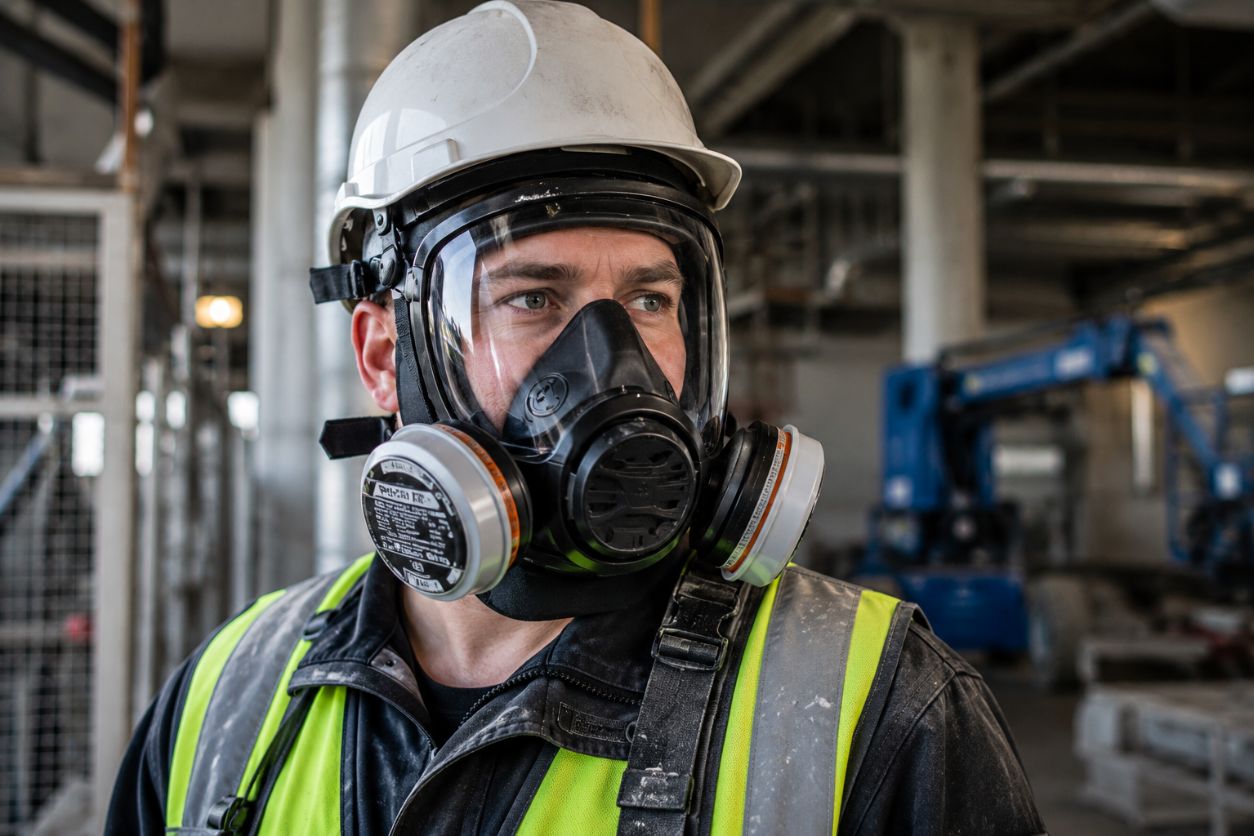
Most high-risk worksites rarely struggle to identify respiratory hazards. The challenge is choosing equipment that people can wear for the full duration of exposure, across changing conditions, while still meeting compliance expectations.
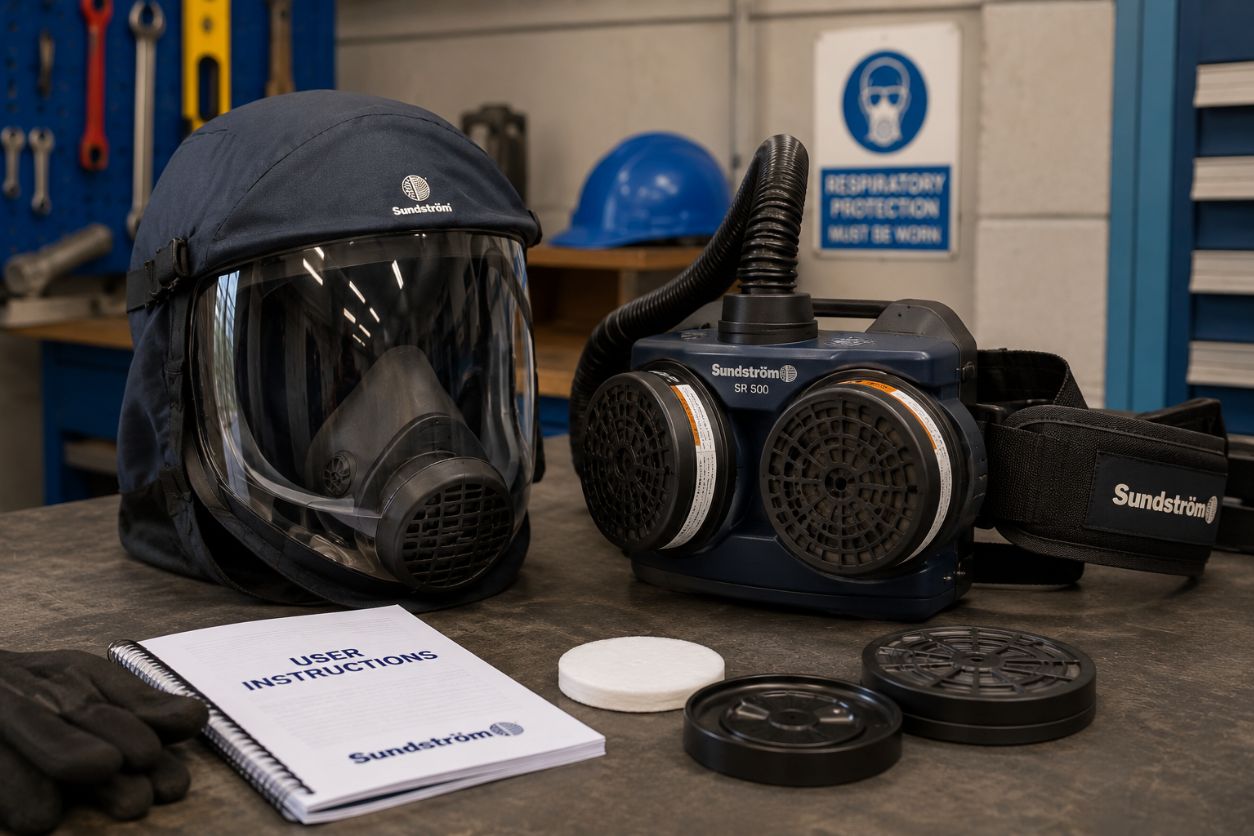
Disposable respirators can work well for short, controlled tasks. Yet many workplaces now deal with longer wear times and higher work rates, often alongside mixed hazards. Staff may also need head protection and eyewear. In those conditions, powered systems have become a requirement.
This is driven by how work is carried out and how long exposure lasts. Consistent wear during exposure is the deciding factor.
What Increases Respiratory Risk?
Higher exposure typically involves prolonged time in dusty air or frequent movement. These situations also tend to involve multiple teams working in the same area, which means respiratory hazards can affect people who are not directly generating dust or fumes.
Working in high-risk areas requires wearing protective clothing. Because it involves harmful dust which leads to skin irritation, infections, dangerous material inhalation, and contamination. These cause serious health issues due to lack of safety. Disposable overalls can be used to minimize such risks by providing rapid and efficient protection as well as being hygienic.
Respiratory protection decisions rarely align perfectly with a written policy. Real working conditions matters. People arrive with facial hair and airborne dust can appear without warning across many work areas.
A bearded worker wearing a disposable mask may look compliant at first, but its performance when it’s used is massively important. A respirator that is expected to filter well can deliver poor protection if air finds an easier route around the edges.
Why Facial Hair Alters Dust Mask Performance
Most facepiece respirators depend on a tight seal between the mask edge and the wearer’s skin. Hair along the mask edge breaks the seal against the skin with air then entering through the gaps at the edges rather than passing through the filter material.
Moving around in your workplace makes the issue worse. Talking and moving on the job can change pressure around the mask, with small gaps around the edges becoming larger in seconds.
Modern workplaces change fast. New materials enter supply chains, contractors rotate between sites, and tasks change without much warning. But risk remains in the same place. People get exposed during routine work, not only during unusual incidents.
Workwear and safety equipment can only do so much on their own. Good planning reduces exposure at source, then equipment fills the gaps that remain. That is where organisations make decisions that hold up under scrutiny.
Which Controls Come Before PPE?
Good safety planning starts with how work gets designed. Remove the hazardous step where possible, reduce exposure through changing your process, and use measures that separate people from the hazard.
It works best once the site has already reduced exposure through design and process. Teams that jump straight to getting the right equipment can miss opportunities to reduce risk more reliably.