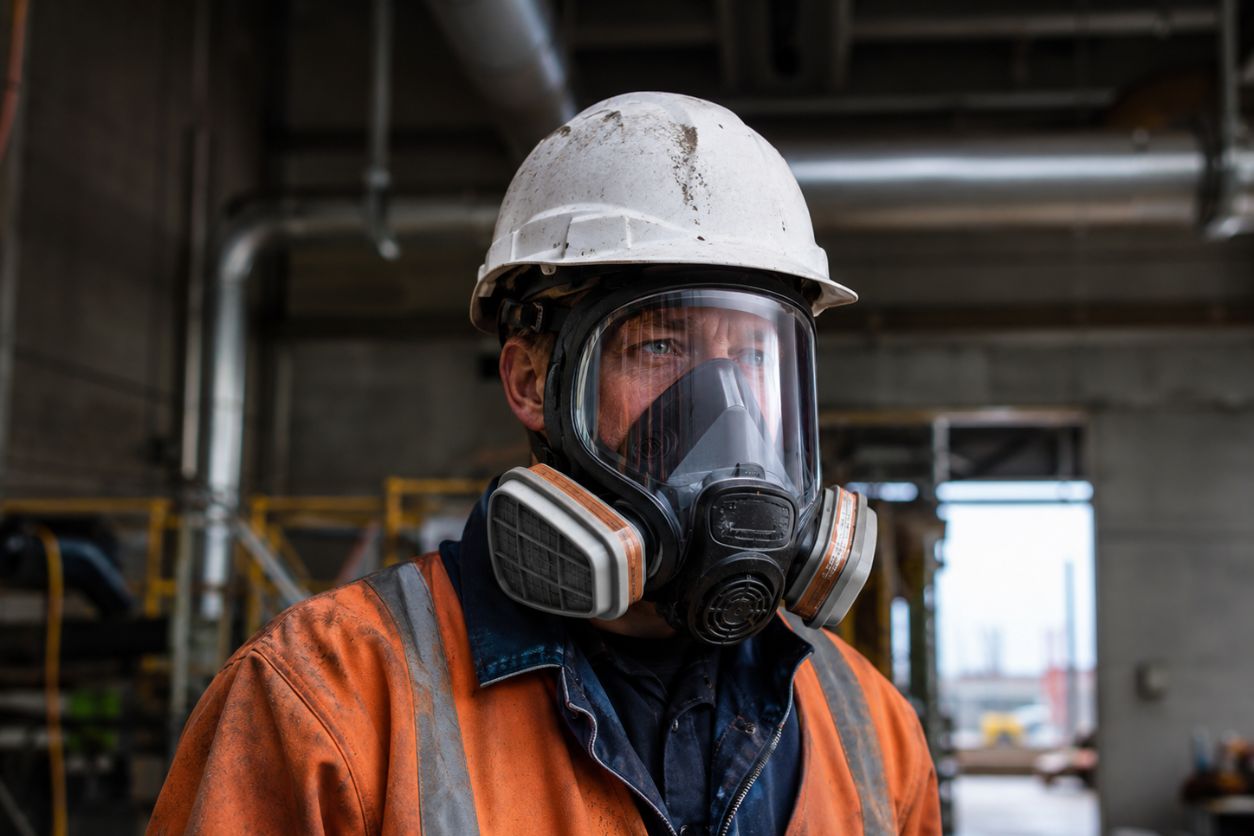
Dust exposure is a significant risk in construction and manufacturing. Selecting the wrong equipment allows hazardous particulates to bypass filters and damage long-term lung health. Using a certified full face mask provides both particle filtration and eye protection to meet safety regulations. Operations teams need to know when workplace conditions require this heavy-duty barrier instead of basic disposable masks.
Defining Full Face Masks Versus Standard Protection
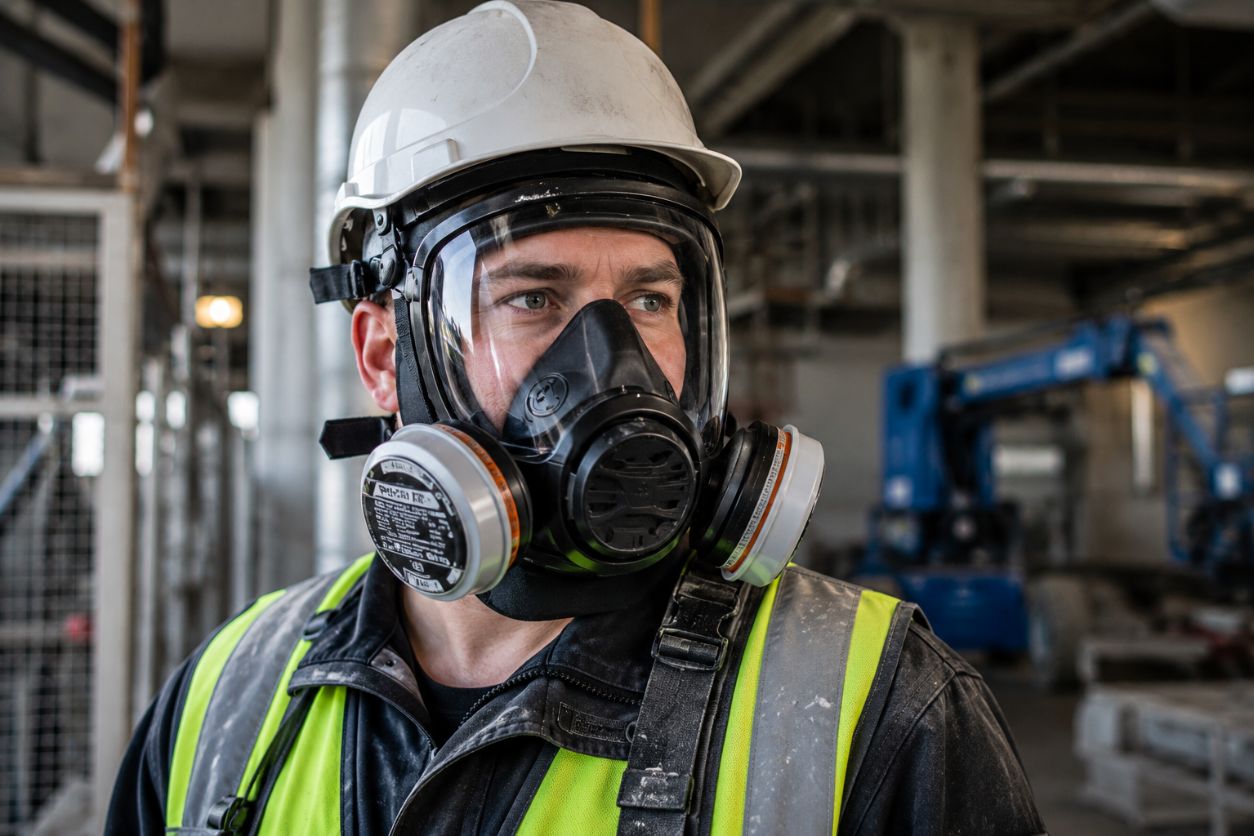
A full face dust mask is a reusable respirator that covers the eyes, nose, and mouth. It uses a transparent visor and replaceable P3 filters to block toxic airborne materials. The design creates a constant seal against the skin to prevent unfiltered air from entering the breathing zone.
Standard respirators only cover the lower face. Disposable FFP2 and FFP3 units leave the eyes exposed to
Workplace dust exposure causes severe respiratory damage and long-term occupational illness across both construction and manufacturing facilities. Supplying your workforce with an EN149 certified Full Face Dust Mask provides necessary physical protection and ensures strict regulatory compliance for your business. Procurement teams and health and safety managers must select dependable respiratory protective equipment to meet rigorous UK and European safety benchmarks. Protective Masks Direct holds an extensive inventory of FFP1, FFP2, and FFP3 respirator masks ready for immediate bulk acquisition.
Why do high risk environments demand complete facial protection?
High risk environments demand complete facial protection because airborne particulates threaten both the respiratory system and the eyes simultaneously. A properly fitted Full Face Dust Mask provides an
Workplace airborne hazards present severe respiratory risks in construction and industrial manufacturing. Selecting the correct certified Full Face Dust Mask protects workers and ensures strict regulatory compliance. Protective Masks Direct supplies fully compliant protective equipment alongside UK-wide Face Fit Testing services to meet this specific technical requirement. We bring over 20 years of operational experience to mechanical contracting environments and life safety systems, having supported organisations through major health crises like SARS and COVID-19.
What Determines the Protection Level of a Full Face Dust Mask?
The protection level of a Full Face Dust Mask depends entirely on its assigned filter classification. Masks must operate alongside FFP3 equivalent cartridge ratings to block fine particulates effectively. European standards like EN 136
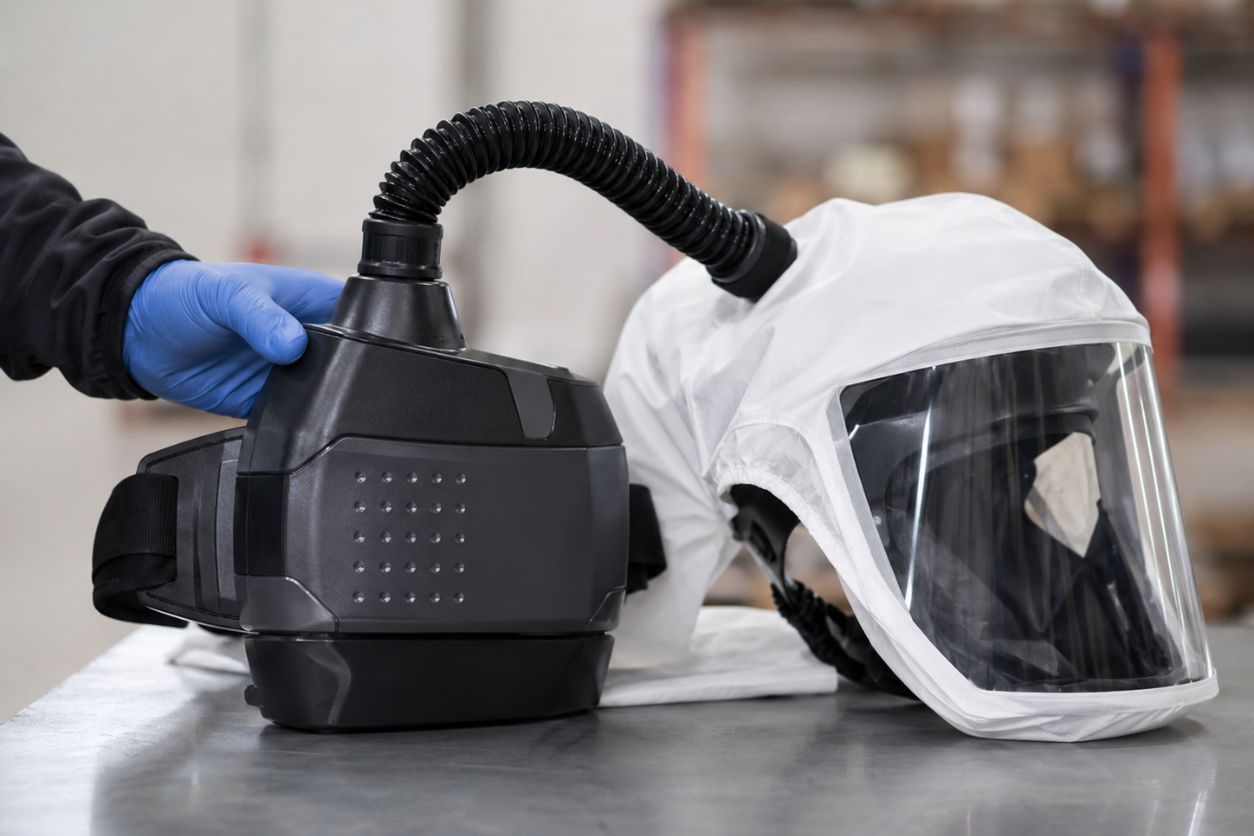
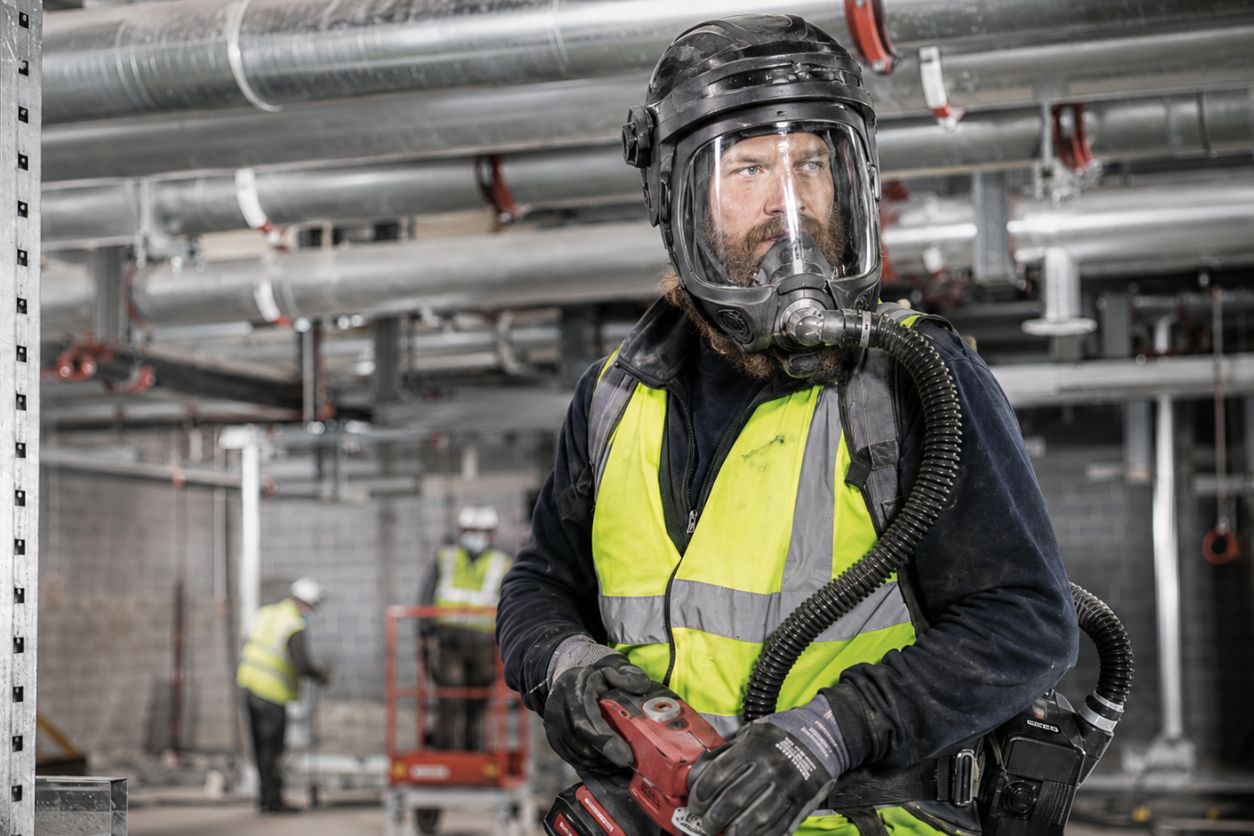
Workplace dust exposure is a constant risk in mechanical contracting and manufacturing. Prolonged exposure without a proper seal damages respiratory health and causes chronic industrial lung diseases. Choosing the right equipment instead of relying on a dust mask for beards protects workers and ensures regulatory compliance.
Protective Masks Direct uses 18 years of industry experience to help organisations meet these safety requirements. You can browse our category pages to find respiratory protective equipment (RPE) for specific site hazards. Our team helps health and safety managers fix seal failures caused by facial hair.
Why does facial hair break the seal on respiratory protective equipment?
Facial hair physically separates the respirator edge from the skin and prevents a secure fit. Even minimal stubble causes gaps that allow hazardous airborne
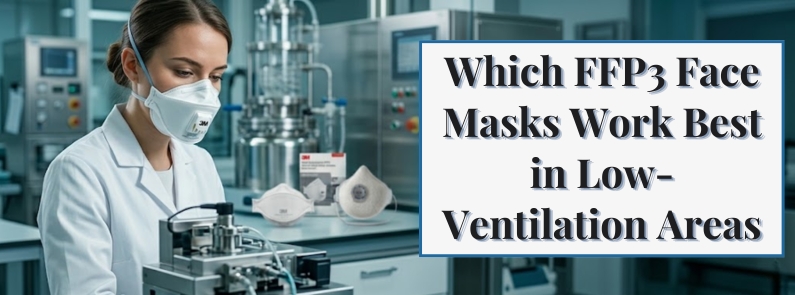
Poorly ventilated rooms or confined spaces have little to no space for the air to escape. In such areas, if construction, manufacturing, cleaning, or repair work is performed, the airborne particles, dust, hazardous chemicals, or other contaminants can quickly build up in that atmosphere and increase the risk of inhalation.