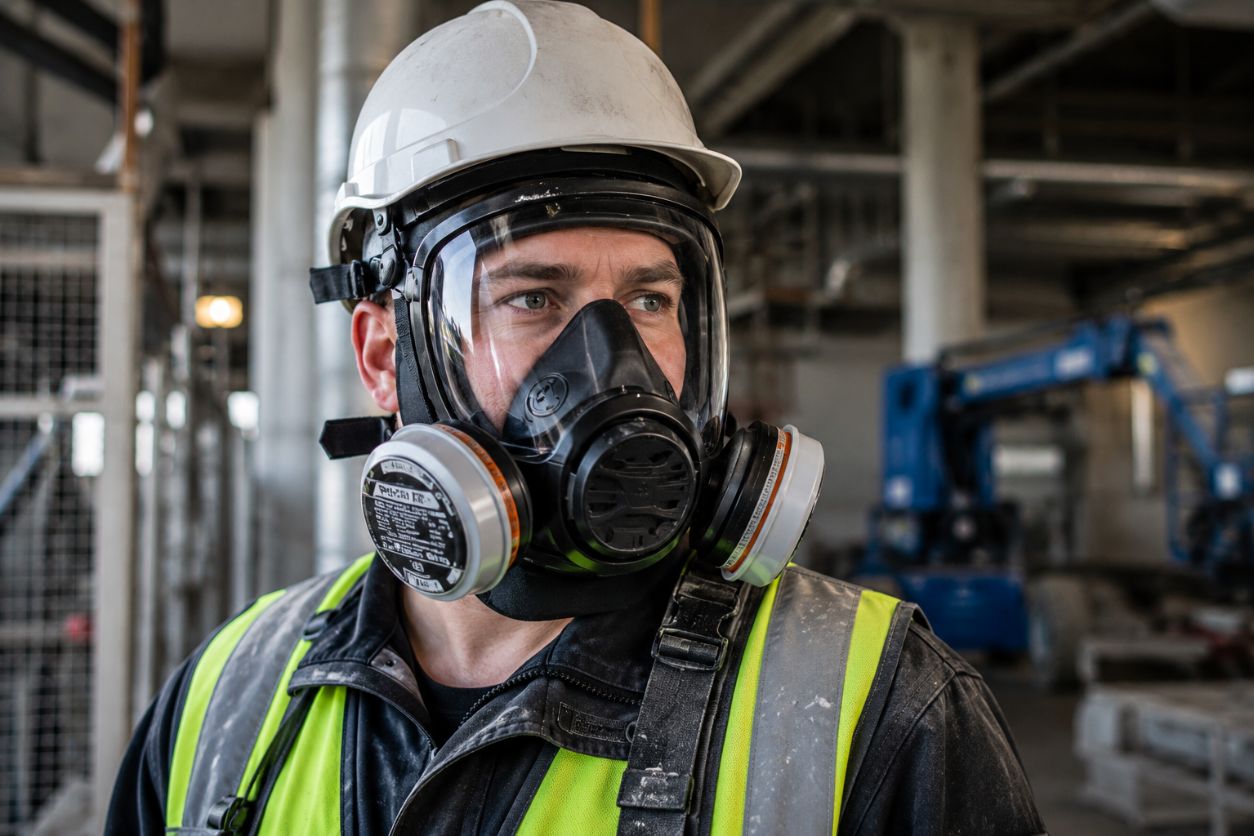
More places of work contain hazards affecting your respiratory system than you might expect. Staff can still work close to airborne material for a long time despite implementing cleaning routines.
With different masks each having their own strengths and limitations, for various sorts of work, your teams can be given the appropriate safeguarding measures once you understand the main types.
What is a PPE Mask?
PPE masks are respiratory protective devices designed to filter contaminated air before it reaches the wearer. They range from basic disposable options to advanced powered units. Their purpose stays the same across all models, to keep harmful material out of the air workers breathe during routine tasks or higher risk work.
What do Workplace Respiratory Masks do?
Some masks rely entirely on the wearer's lungs to pull air through the filter. Others use a powered unit to move air towards the face. Some protect only the nose and mouth, while others
Wearing a face mask for long periods of time can be quite inconvenient for people with sensitive skin. It can cause Maskne or breakouts. While changing the mask's material is a simple technique to prevent it, but to which fabric type is essential to know. You should avoid using a disposable plastic mask and stick to a hypoallergenic material like cotton or silk if you have skin issues, even minor ones.
Disposable filtering masks have their place, but many teams now look towards powered systems when they want higher protection with less strain on the person wearing the mask.
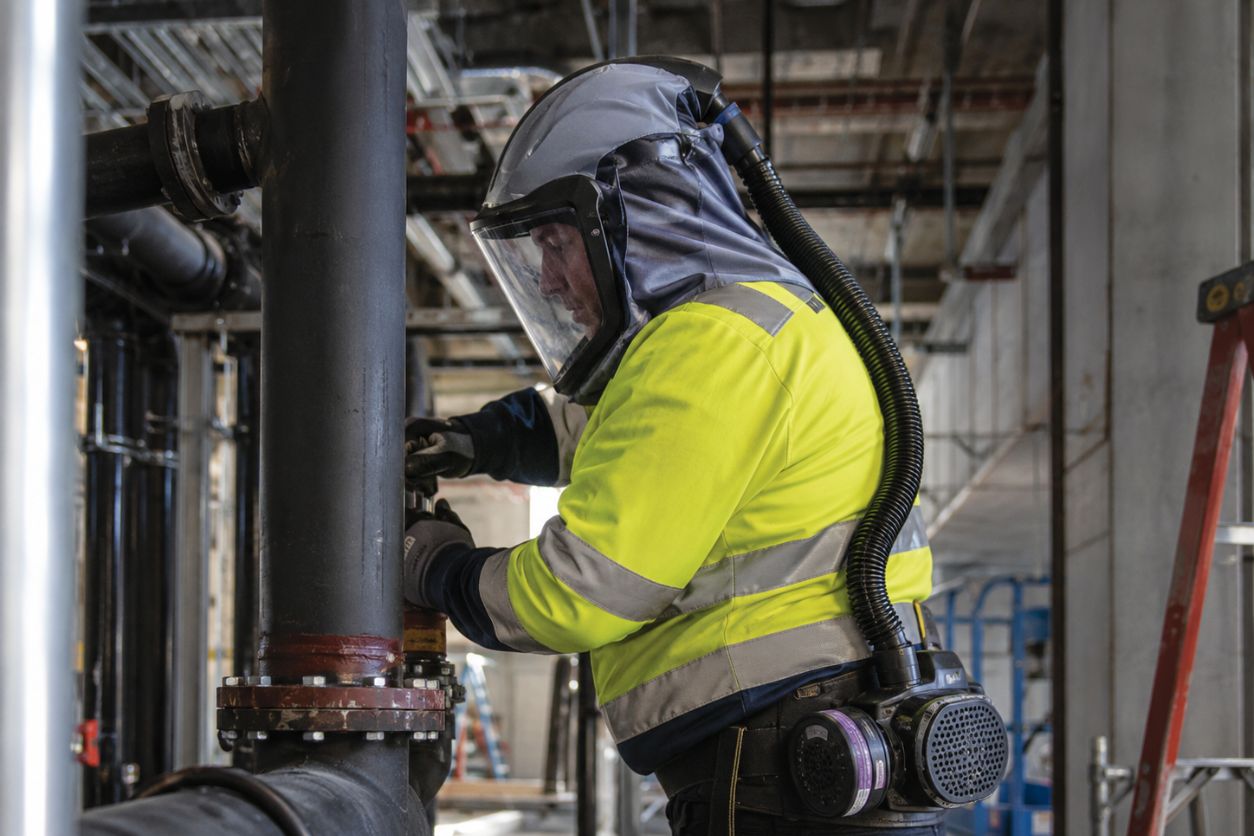
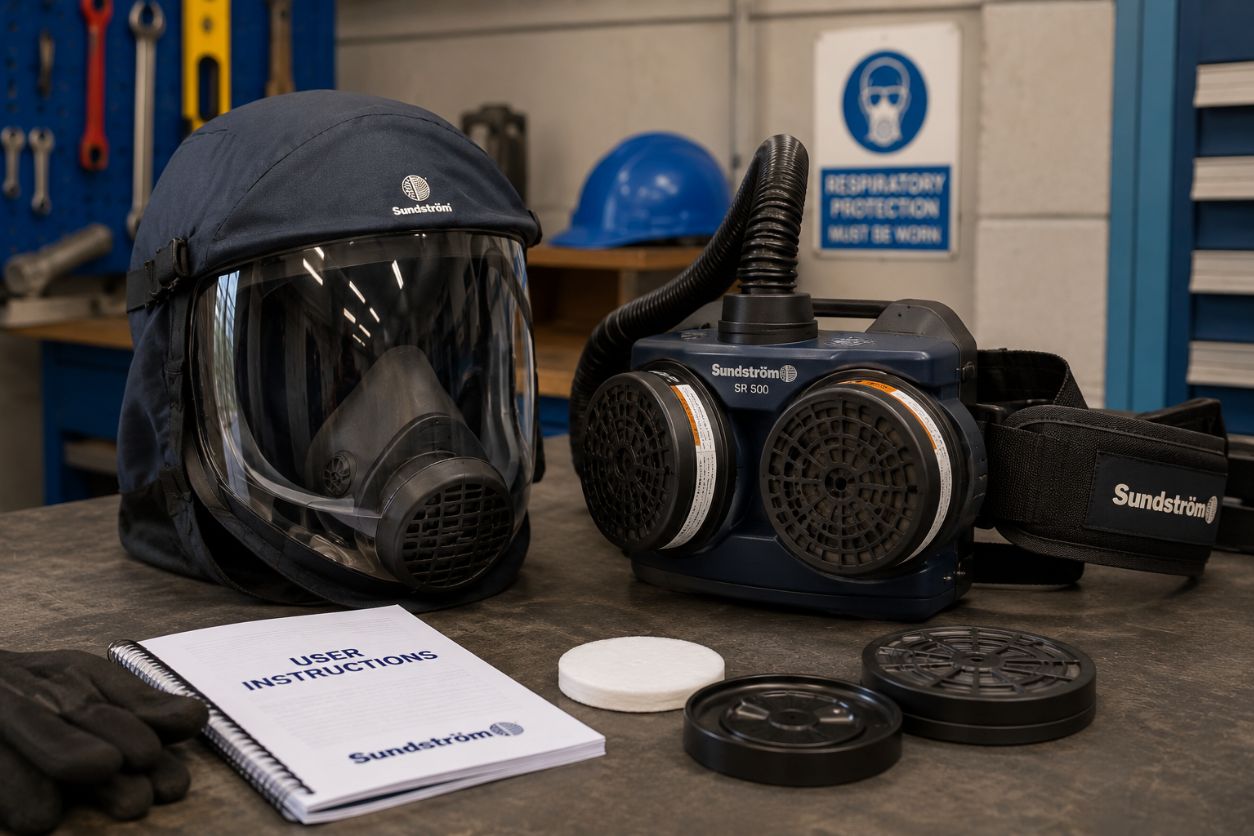
An air powered system uses a powered unit with filters and a hose to provide a steady flow of cleaned air into a headpiece, hood or full face mask. Instead of relying on lung effort alone, the unit moves air through filters and into the breathing area in a controlled way. That difference changes how the mask feels during longer jobs and how easy it is for staff to keep their equipment on throughout a working day.
What Happens Inside a Powered Respiratory System?
Powered systems use a fan with filters to draw in contaminated air and then push cleaned air towards the wearer. The air arrives at a headpiece or full face mask through a hose, then flows across the face before leaving through an exhale outlet. Because the unit does the work of pulling air through filters, breathing feels
Facial hair and tight-sealing dust masks rarely work well together. A growing beard can break the seal that disposable masks rely on, leaving gaps around the nose and cheeks. Many workplaces still rely on clean-shaven rules to deal with this, yet some roles, cultures and personal reasons mean shaving is not always practical. As a new year approaches, many employers review respiratory policies and equipment. In those settings, you need to think differently about how to protect lungs without asking every worker to remove their beard.
Why Traditional Masks Struggle With Beards
Standard dust masks use a flexible edge to create a seal against bare skin. But even slight movement during bending or turning the head can open small channels that weaken protection. Straps often need more tension to pull the mask closer, increasing pressure on the nose and leaving deep marks on the cheeks. That makes long jobs much harder to tolerate.
Airborne dusts, fumes and mists still appear even in workplaces that have good extraction practices. Tight-sealing disposable masks help for many jobs, yet there are times when they feel hard to wear for long periods or struggle to deal with heavier exposure. In those situations, powered air systems can make breathing easier for people who need protection all day.
How do Powered Air Systems Work?
Powered units draw air through filters with a battery-driven fan, then deliver it to a full face mask. Instead of relying on lung power alone, a gentle flow feeds cleaned air into your breathing zone. This positive pressure reduces inward leakage and helps the wearer feel less strain while working. Some systems can be placed on a belt, while others can be put on the back with a hose leading up to the head gear. Different filter types are chosen to suit the airborne material identified in your risk assessments.