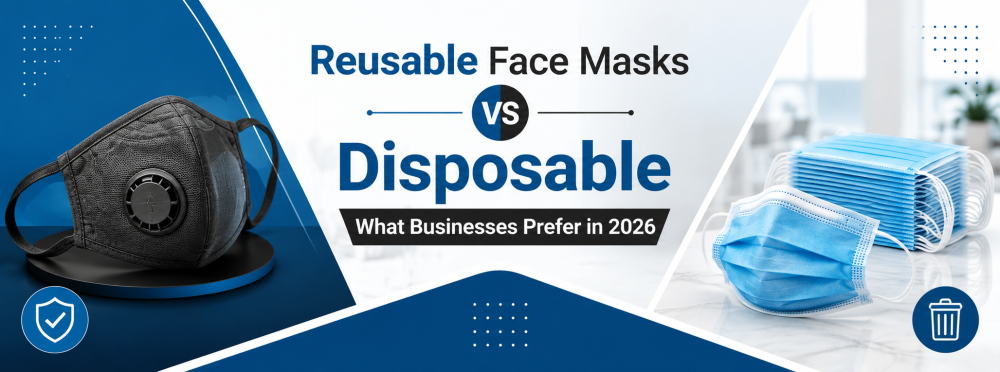
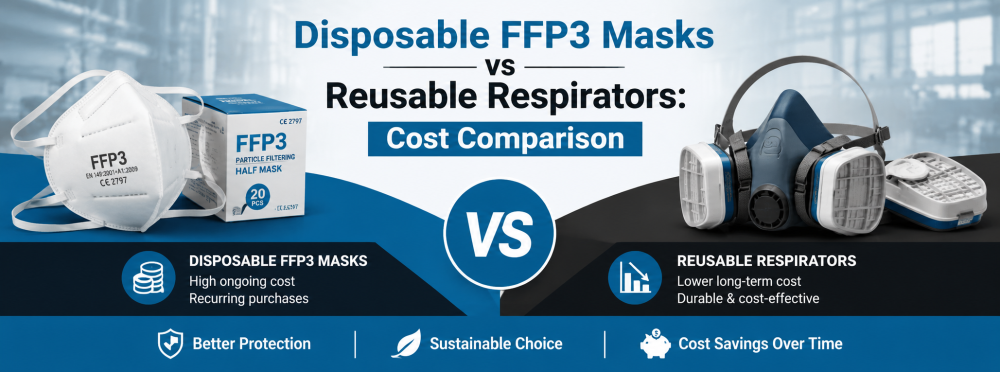
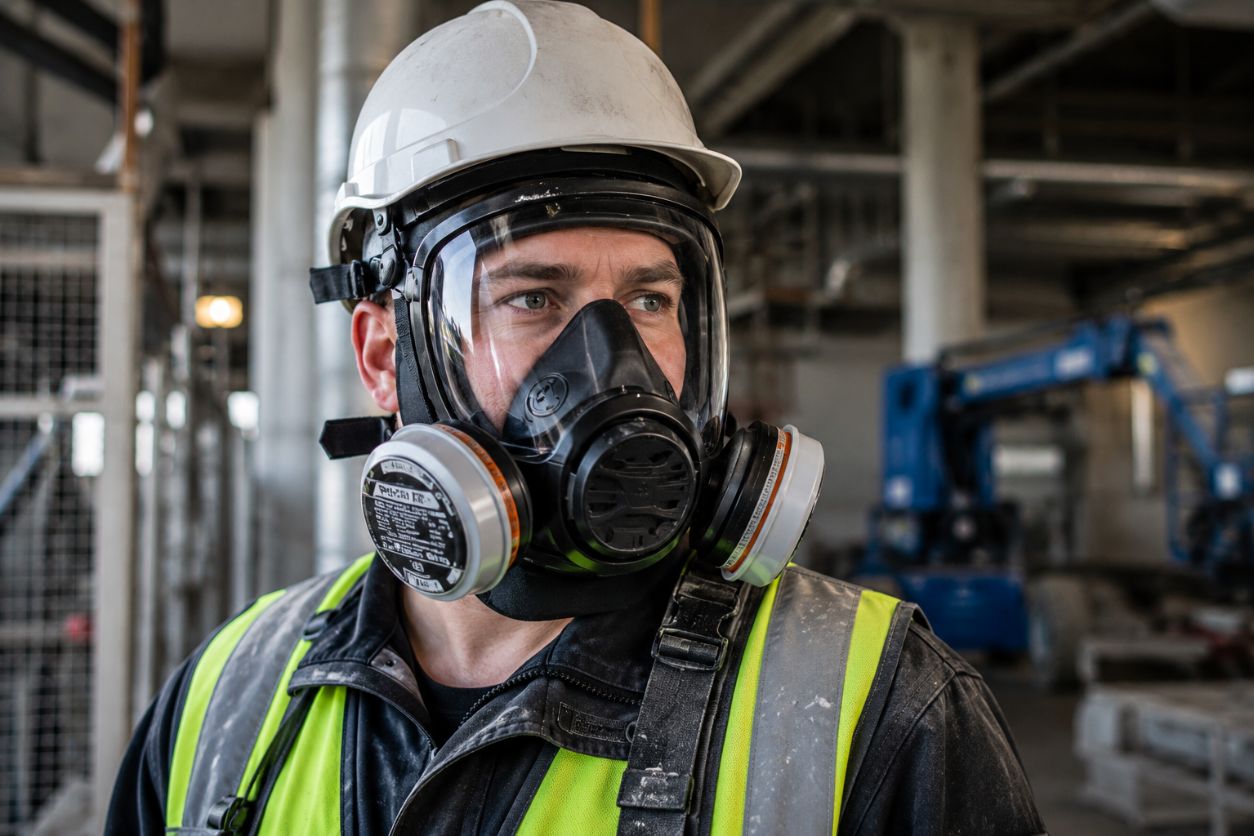
It can be easy to forget that a respirator has a limited shelf life. Wearing a disposable mask more times than you should, or a reusable mask with a worn-out filter, can risk you damaging your lungs. Staying alert to the subtle signs of equipment fatigue is the only way to stay truly protected during a busy shift.
Clean masks might look functional on the surface, but the microscopic layers inside the filter can be completely blocked. Work around fine particles or chemical vapours means these invisible barriers are the only thing keeping your breathing clear. Understanding the exact moment to swap your equipment for a new unit is a vital skill for any professional.
Why do Safety Ratings Change Over Time?
Safety certifications like EN 149 are based on the ability of a new, pristine filter to block a specific percentage of particles. Every hour of use on a site causes the filter fibres to become physically altered by debris and microscopic saturation. These changes
Do you have a well-maintained beard, a few days of stubble, or wish to grow one, but your workplace safety rules say otherwise? Many UK workers in construction, manufacturing, or labs face this exact dilemma. Safety guidelines often require a clean shave to ensure a tight mask seal, leaving those with facial hair caught between workplace safety requirements and personal reasons for keeping a beard.
Taking care of high-end safety equipment is just as important as choosing the right model in the first place. Work in environments where dust or chemical vapours are a constant threat means your equipment acts as the main barrier between your lungs and permanent damage. Mechanical failure during a shift represents a serious health risk to the user.
A clean and functional system helps you avoid the hidden dangers of contaminated air. Many people assume that as long as the motor is running, they are safe. Microscopic tears in a seal or a clogged filter can quietly reduce the effectiveness of your protection. Staying on top of a simple care routine helps keep you safe and extends the lifespan of your investment.
Why Does a Routine Inspection Keep You Safe?
Before starting work, you should perform safety checks. You should not start work in a dangerous area without making sure your equipment, including your mask, is up to the task. The checks won’t take
Finding a middle ground between personal style and workplace safety is a conversation that happens on sites across the UK every morning. For many years, the standard rule was simple. If you wanted to stay safe from dust, you had to shave. However, beards aren’t seen as a safety liability anymore, thanks to how respiratory health technology has improved.
Safety managers are moving away from restrictive grooming policies and toward equipment that actually fits the people doing the work. Health issues can develop if a respirator is unable to seal against a beard.
Why do Traditional Masks Fail with Facial Hair?
The physics of a standard respirator are fairly unforgiving. For the seal to be airtight, masks require a smooth surface. A small amount of stubble can allow harmful particles to evade the filter, putting the wearer’s lungs at risks. This is the reason why face fit testing is taken so seriously by the Health and Safety Executive (HSE).
There needs to be a rethink in how teams are kept safe while they operate in places that are full of invisible hazard. Standard PPE still has a use but breathing through the same filter for eight hours or more can cause tiredness and less focus.
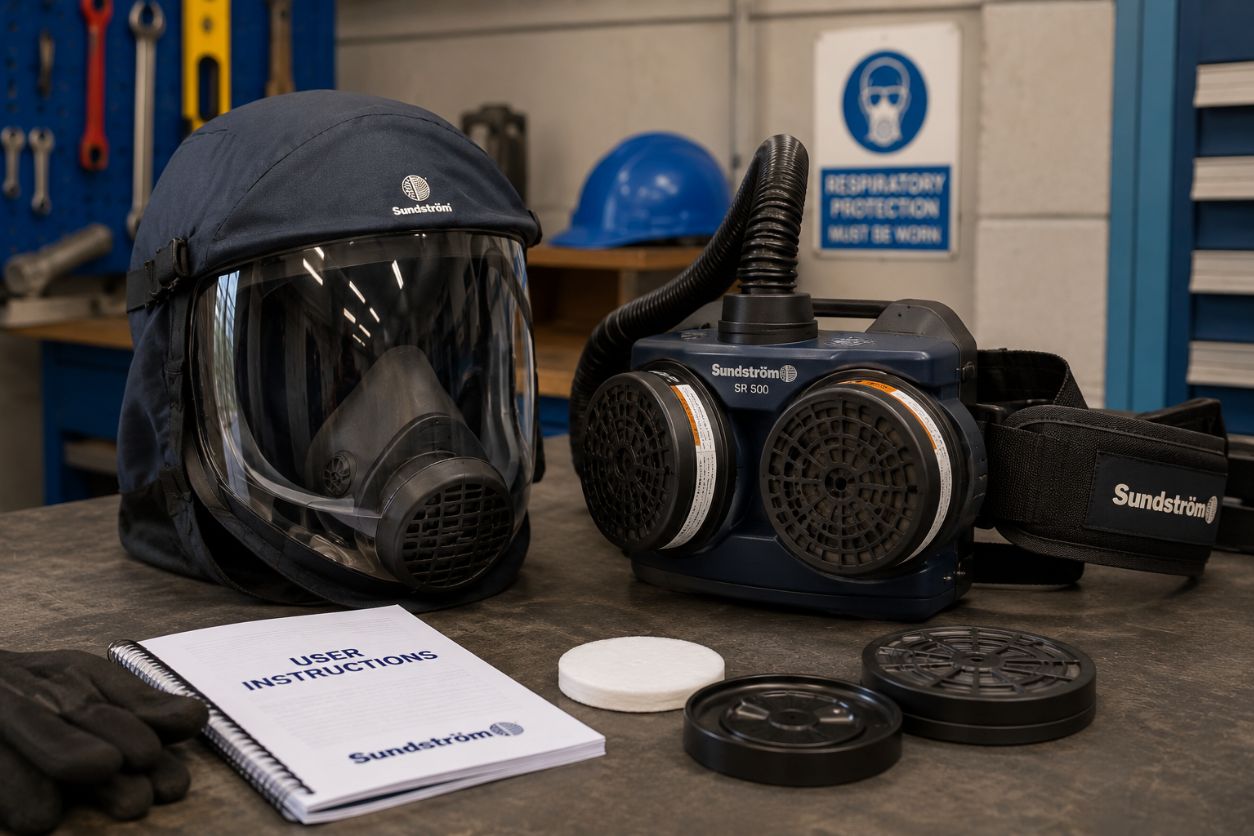
Respirators that are motorised on user comfort to make certain that safety standards never slip during a busy day.
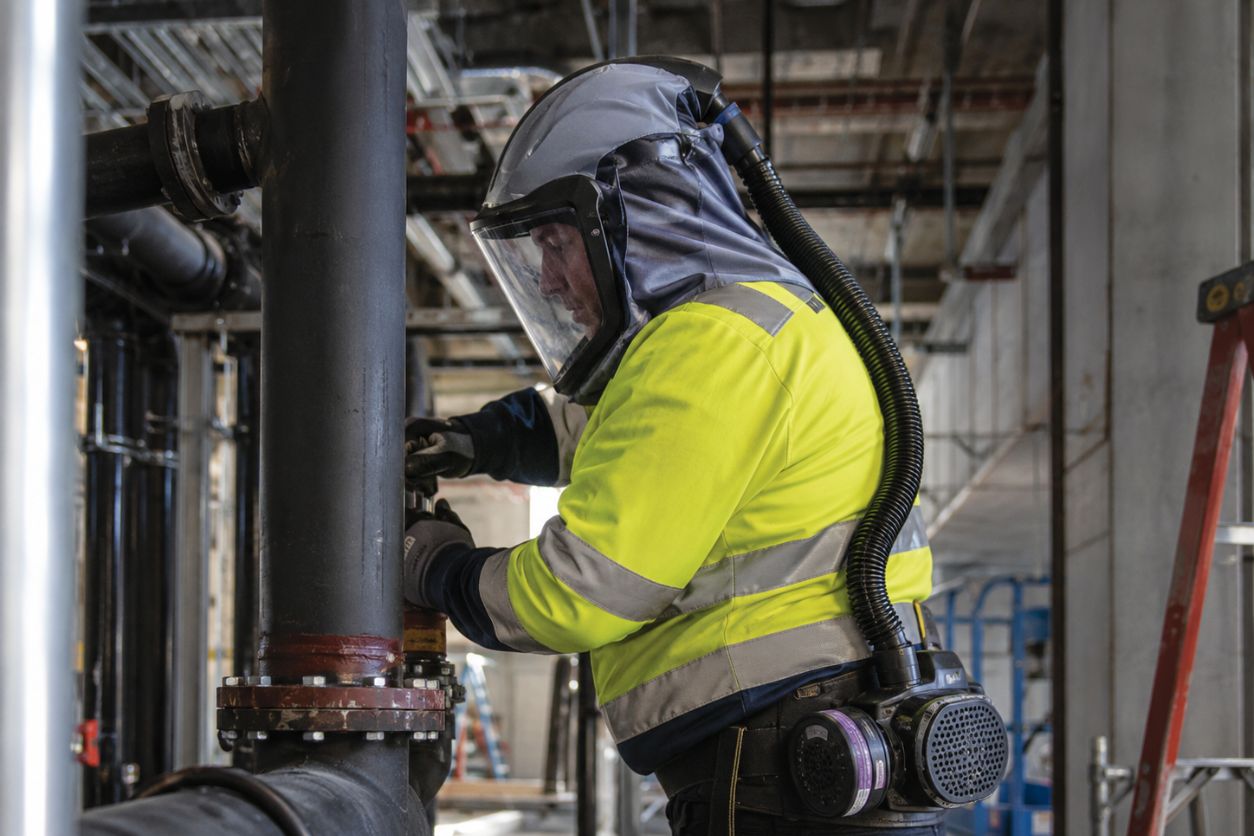
Organisations in the UK are looking toward motorised respirators to safeguard against risks like silica dust and chemical vapours. By helping the wearer breathe fresh air continuously, your workforce is then enabled to be productive without risking their greater health.
How Does Positive Pressure Technology Protect Workers?
Motorised respirators create a consistent stream of filtered air that is pushed into the headpiece, generating positive pressure. The air inside the mask is always at a slightly higher pressure than the air outside. It also means tiny gaps in the seal are not as dangerous because