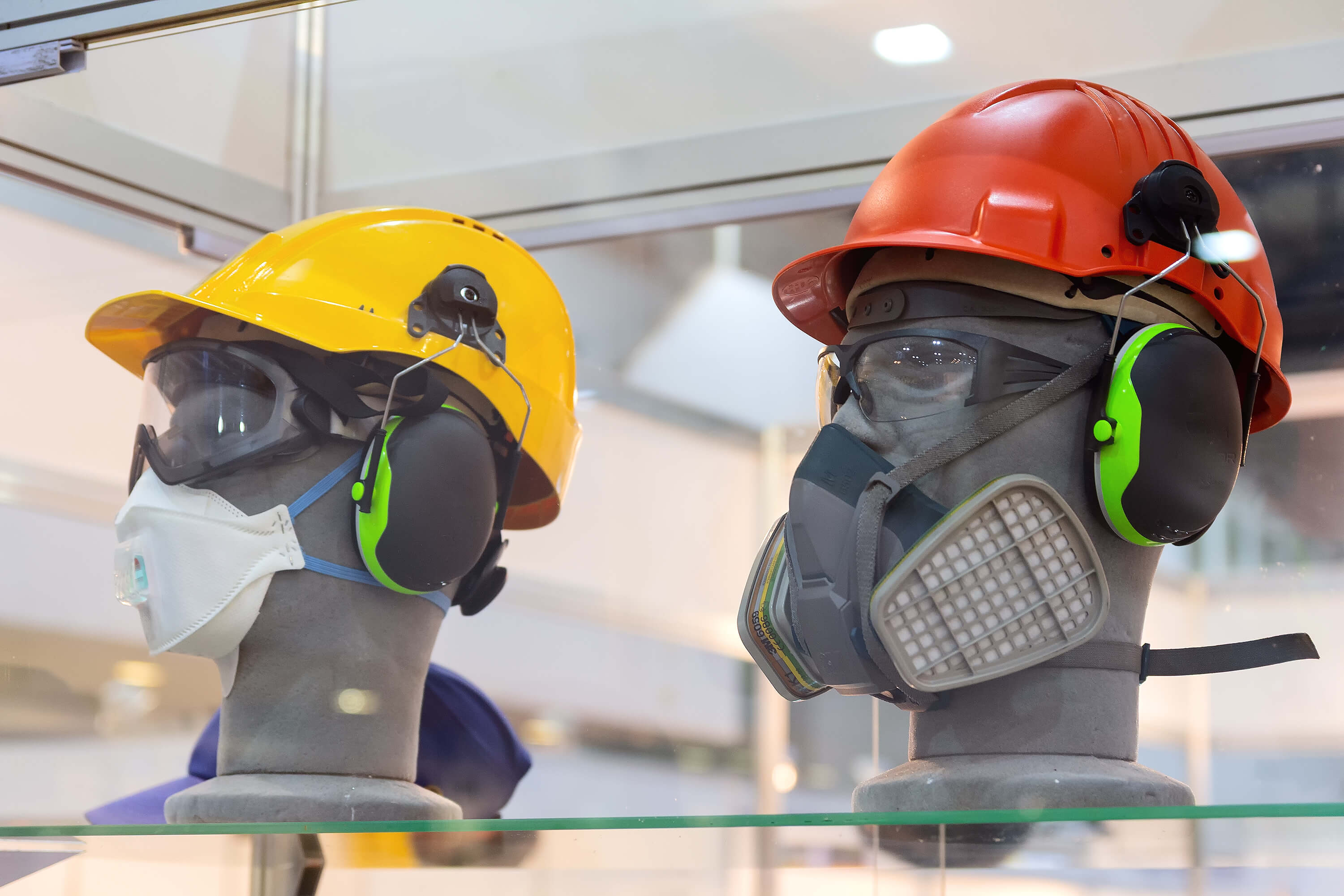
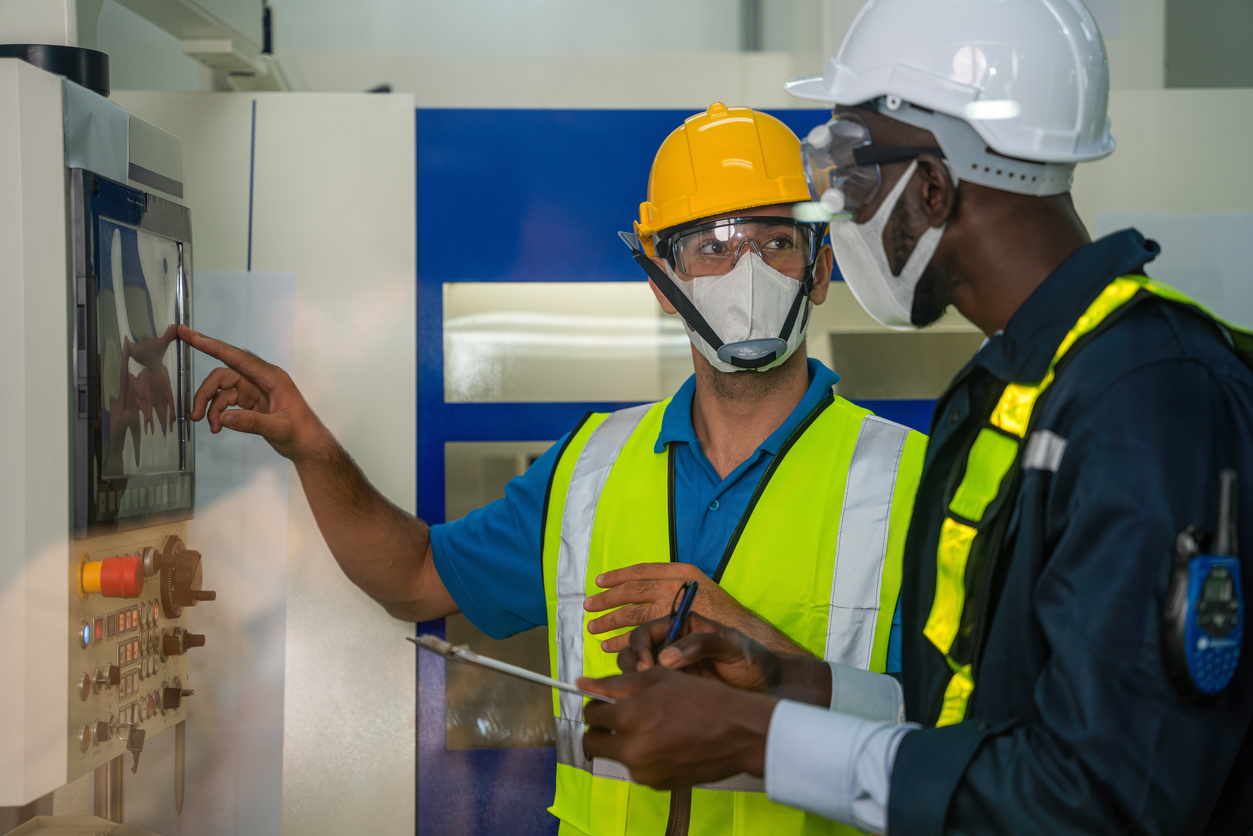
Workplace dust exposure is a constant risk in construction and manufacturing. Inhaling airborne particulates over long periods causes permanent respiratory damage. Selecting certified PPE protects your workers and ensures you meet all legal safety requirements.
FFP3 respirator masks and professional face fit testing are the industry standards for meeting EN149 compliance. Understanding these specific dust hazards prevents long-term illness and reduces operational legal risks. Health and safety managers are responsible for navigating these 1equipment requirements. Identifying the exact hazard is the first step in any functional safety strategy.
What workplace safety rules affect PPE selection in different industries?
Workplace safety requirements depend on the specific airborne hazards and material exposure limits in your environment. British employers must conduct risk assessments
Workplace dust and airborne hazards are a constant risk in construction and manufacturing. Long-term exposure to these particulates damages respiratory health and increases company liability. Using certified protection keeps workers safe and meets legal requirements. Safety managers have to decide when a standard FFP3 mask is enough and when a powered upgrade is legally required. Protective Masks Direct provides technical guidance based on 18 years of industrial experience.
Defining Powered Air-Purifying Respirator Systems
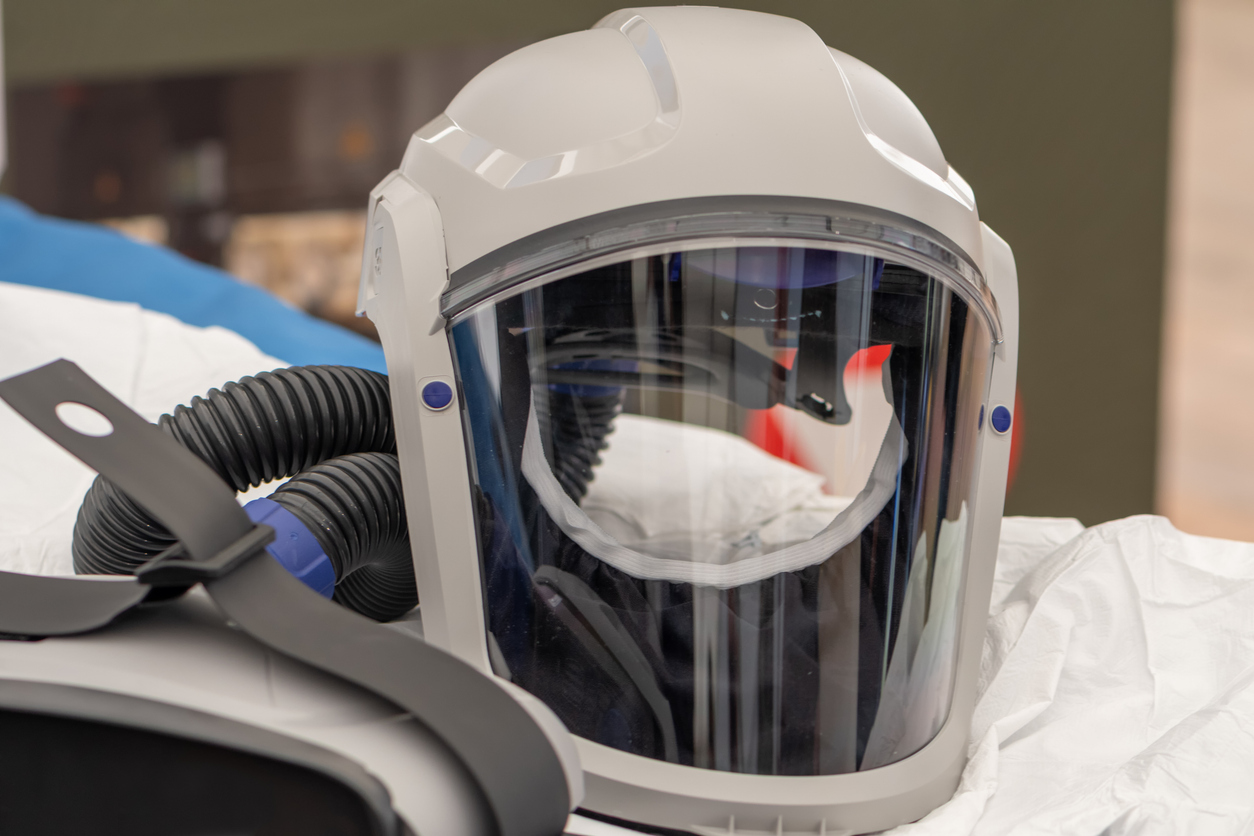
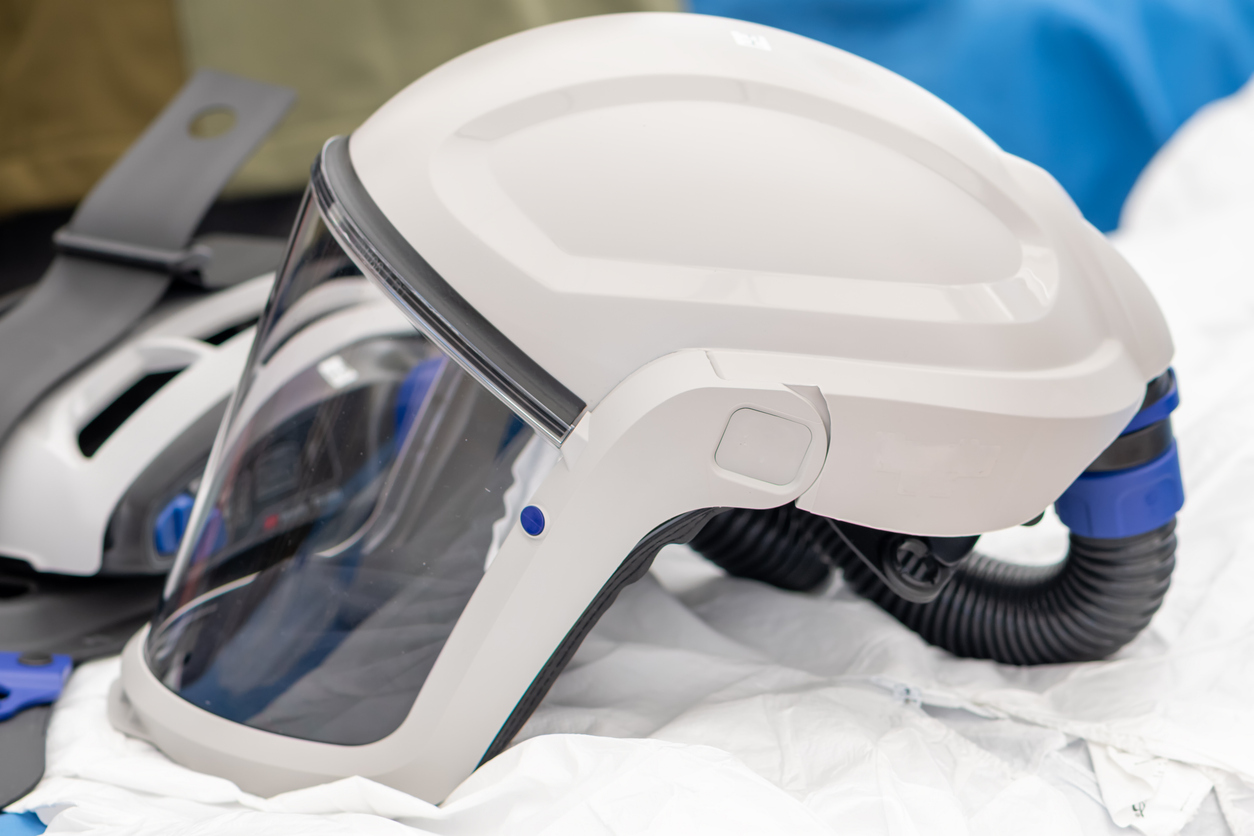
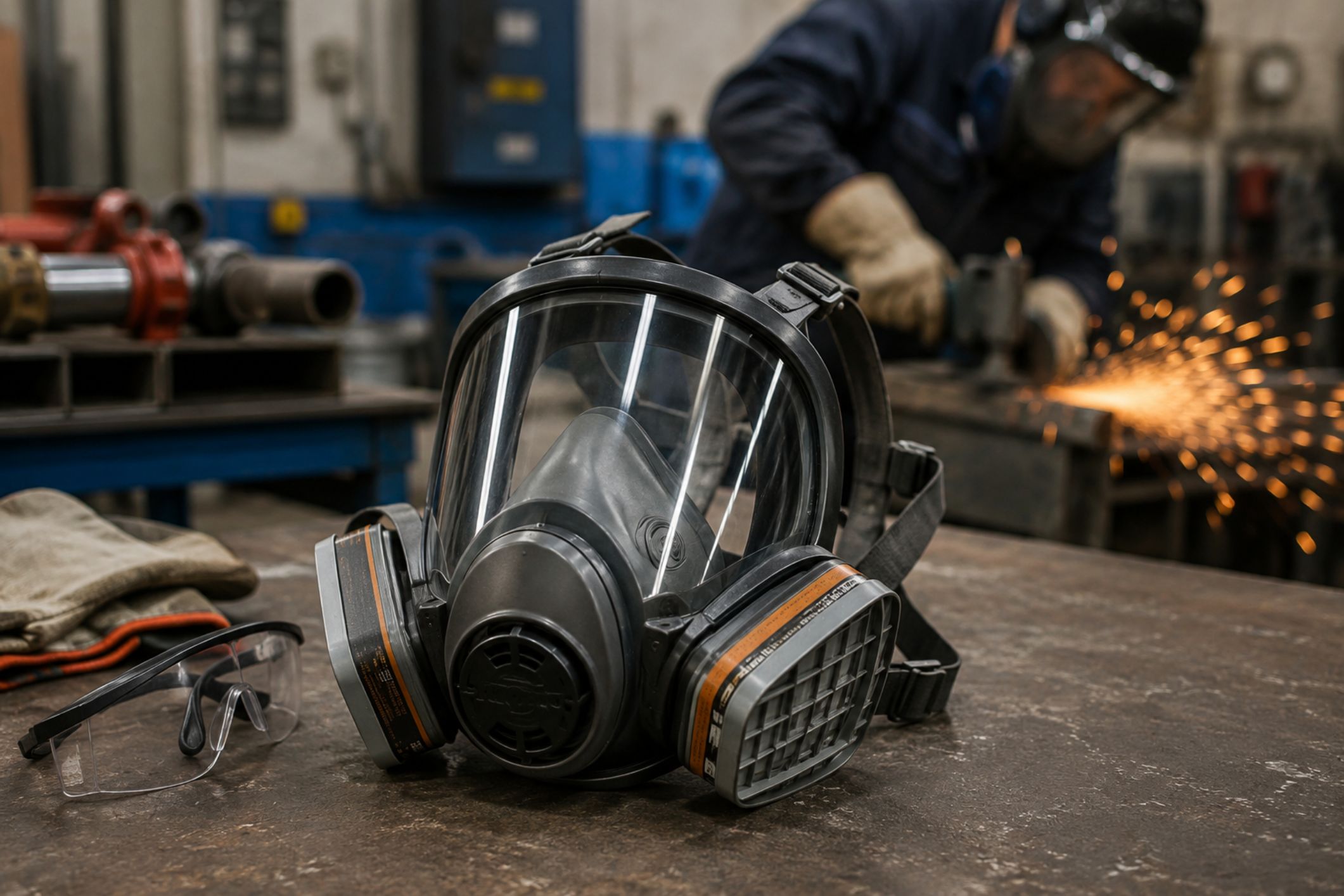
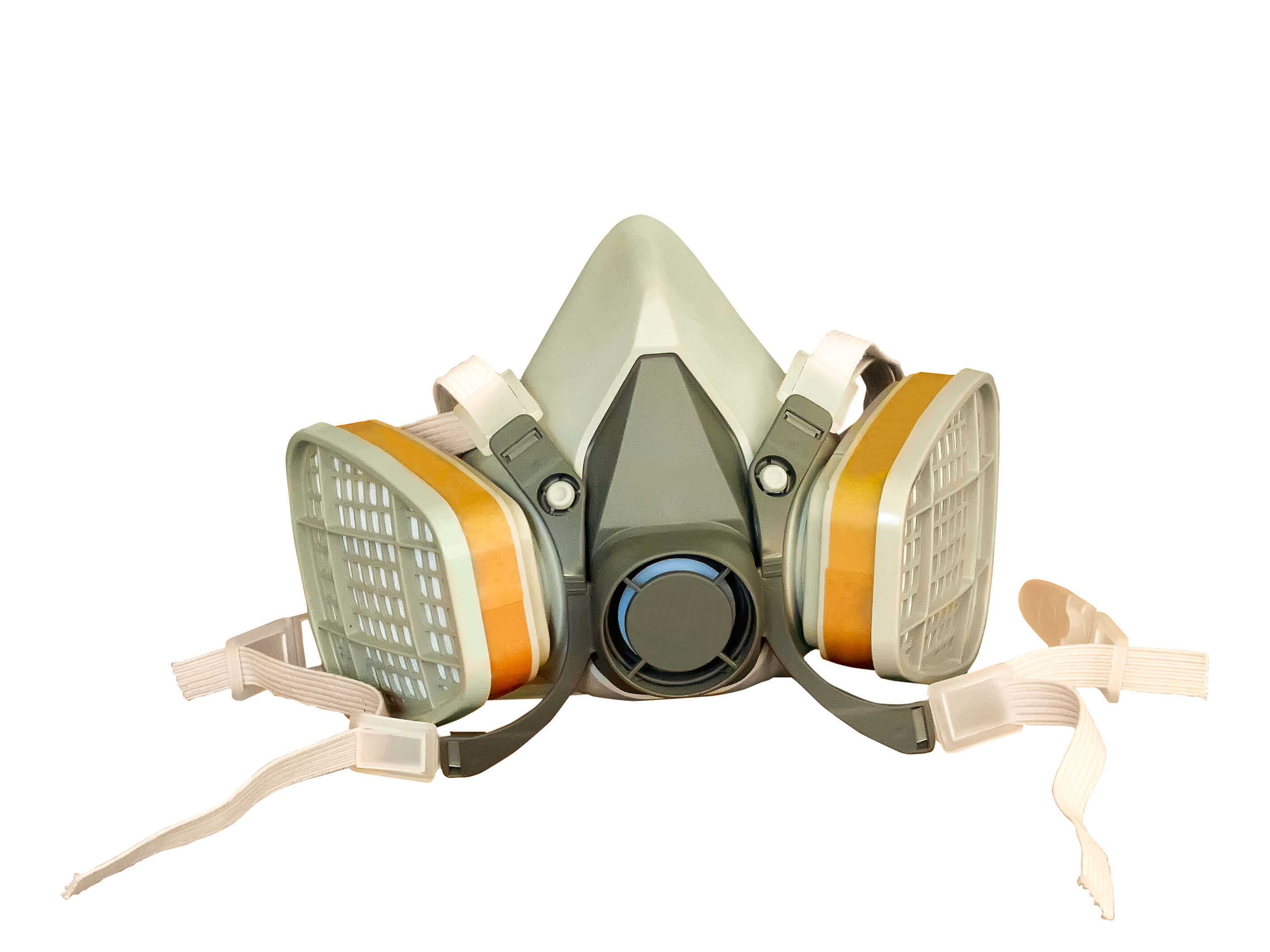
A Powered Air-Purifying Respirator (PAPR) is a battery-operated fan system that pulls ambient air through specialized filters. The system delivers purified air to the wearer through a tight-fitting facepiece or a loose-fitting hood. This mechanical process removes the physical effort of breathing through a filter.
Workplace dust exposure is a constant hazard in construction and manufacturing. Prolonged inhalation of hazardous airborne particulates damages respiratory systems permanently. Equipping operatives with a certified air powered respirator protects worker health and maintains strict regulatory compliance.
Protective Masks Direct understands the demands placed on health and safety managers. We have spent over eighteen years supporting enterprises through industrial challenges. Our company guided clients through global health crises like SARS and COVID-19. Standards dictate all workplace safety protocols. You must equip teams with gear meeting rigid compliance standards.
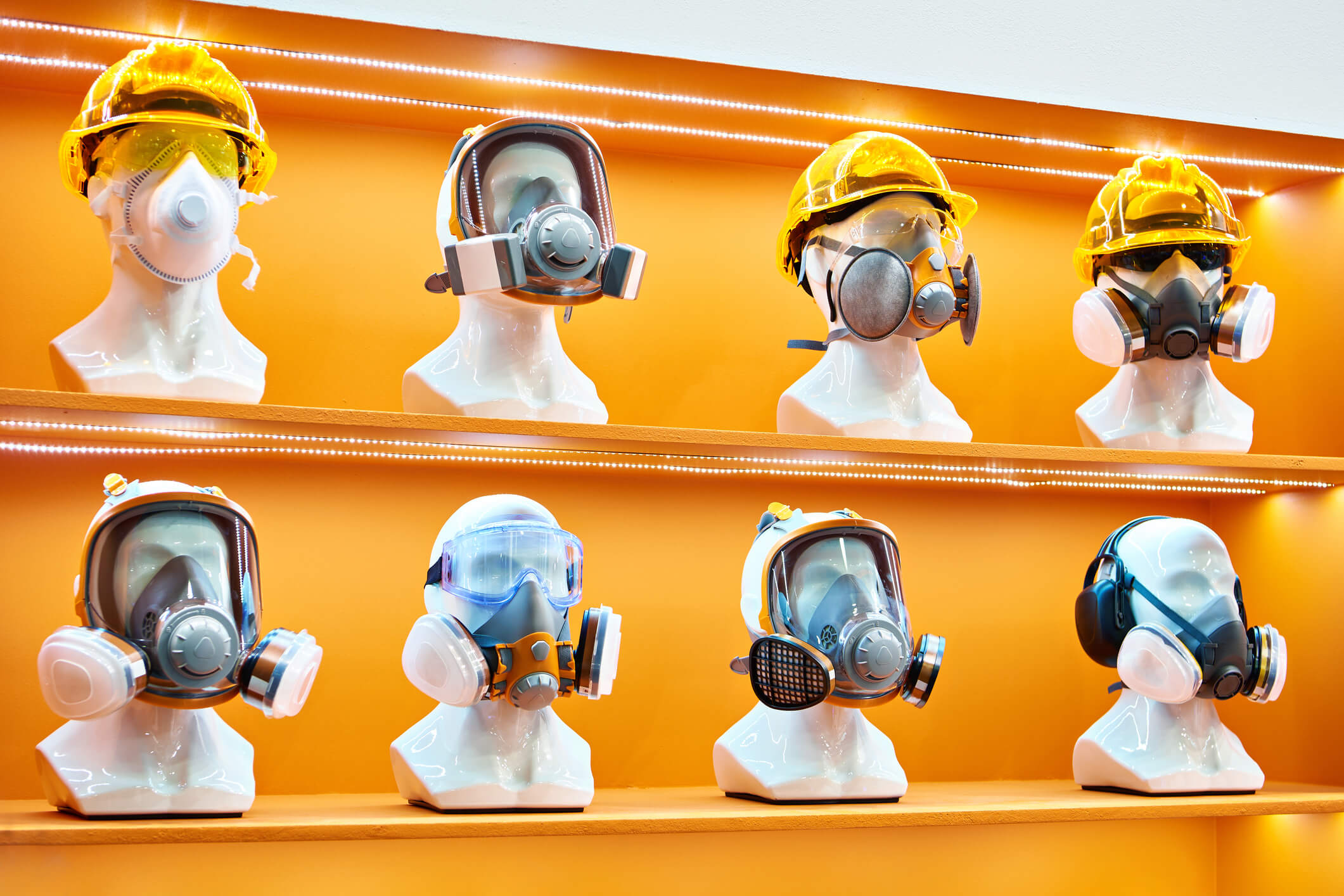
We supply FFP2 and FFP3 respirator masks alongside comprehensive protection kits. Procurement teams require dependable respiratory protective equipment to maintain operations.
Workplace dust exposure is a constant hazard in construction and manufacturing. Hazardous particulates damage respiratory health. They also increase employer liability. Standardising dust mask procurement helps maintain EN149 compliance across UK worksites.
Managing multiple sites often leads to inconsistent safety standards and disjointed ordering. Procurement teams can struggle to maintain stock of FFP2 and FFP3 respirators without gaps. A structured dust mask purchasing framework removes guesswork. Protective Masks Direct has 18 years of experience supporting health and safety managers with dust masks and respirators.
Why does fragmented dust mask procurement create compliance risks?
Fragmented orders create compliance risks. Site managers can end up buying uncertified equipment for specific hazards. A standardised inventory
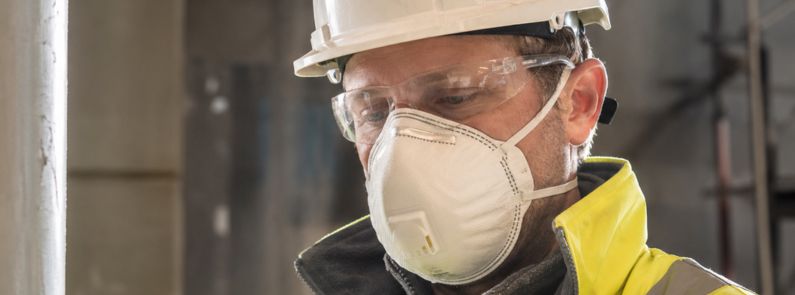
Different environments expose people to different types of dust. For example, construction sites expose workers to silica particles, carpentry work exposes carpenters to sawdust and airborne fibres, and public places expose common people to various contaminated germs or infections when they communicate or move around.