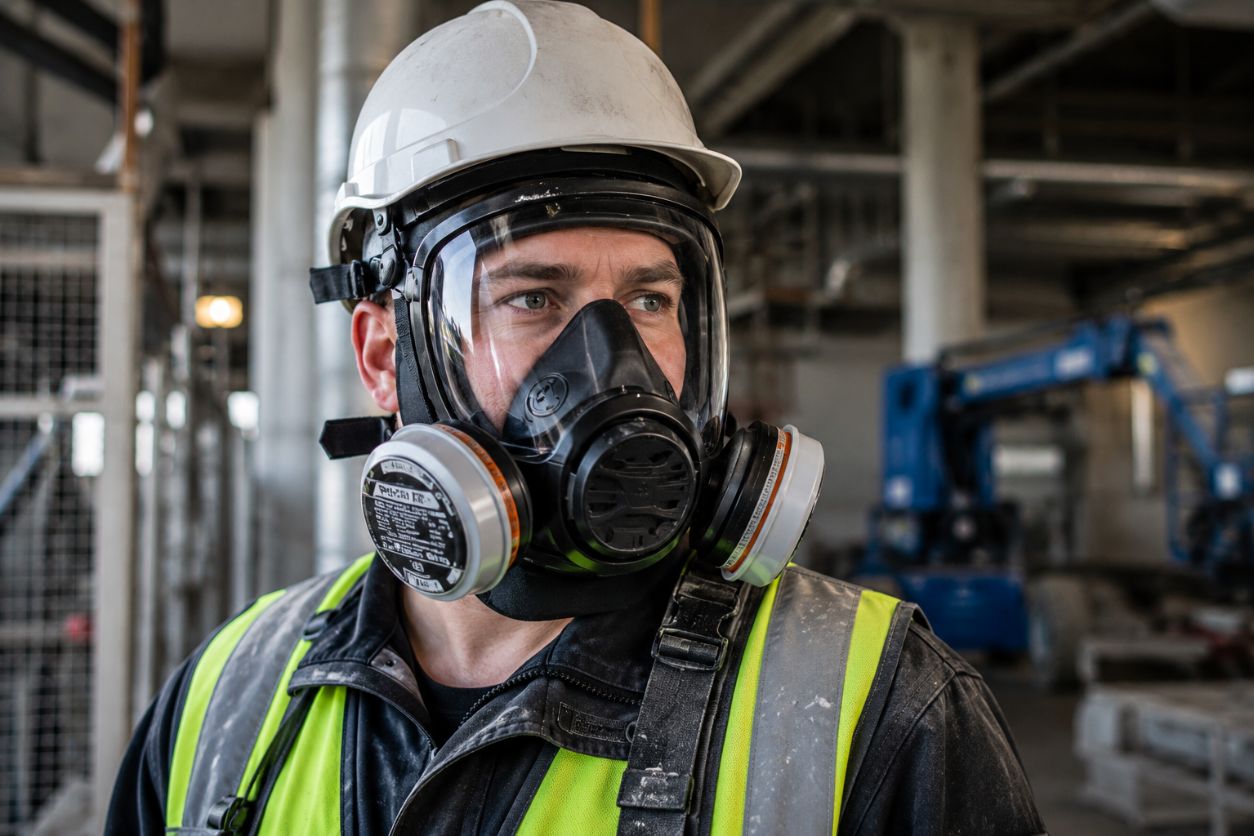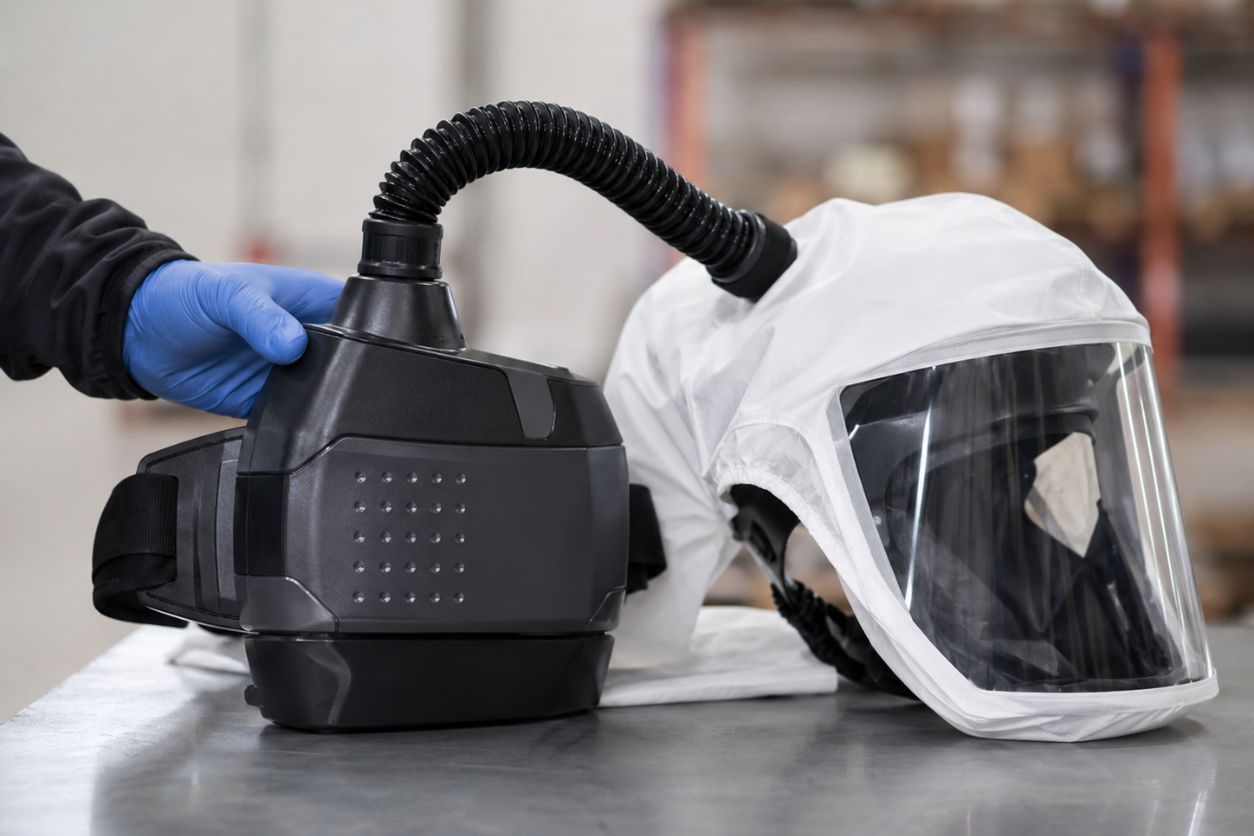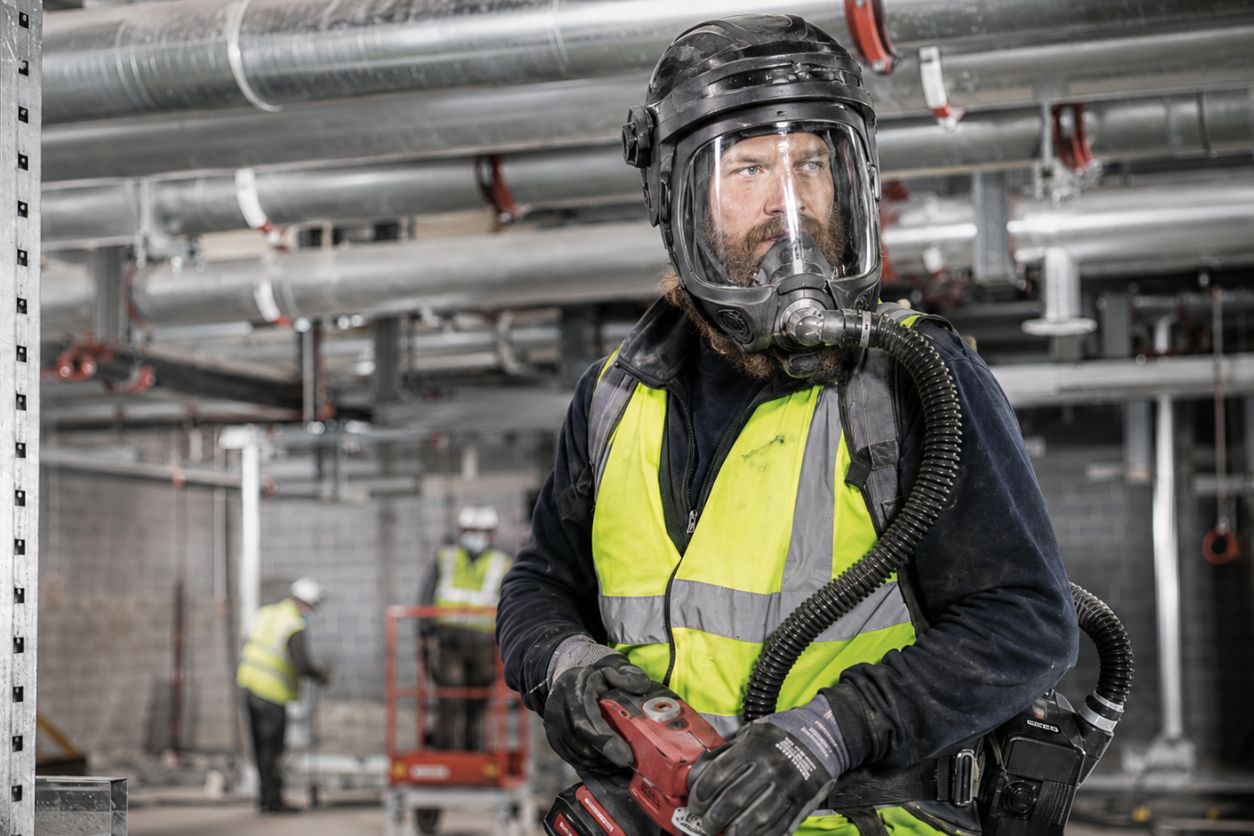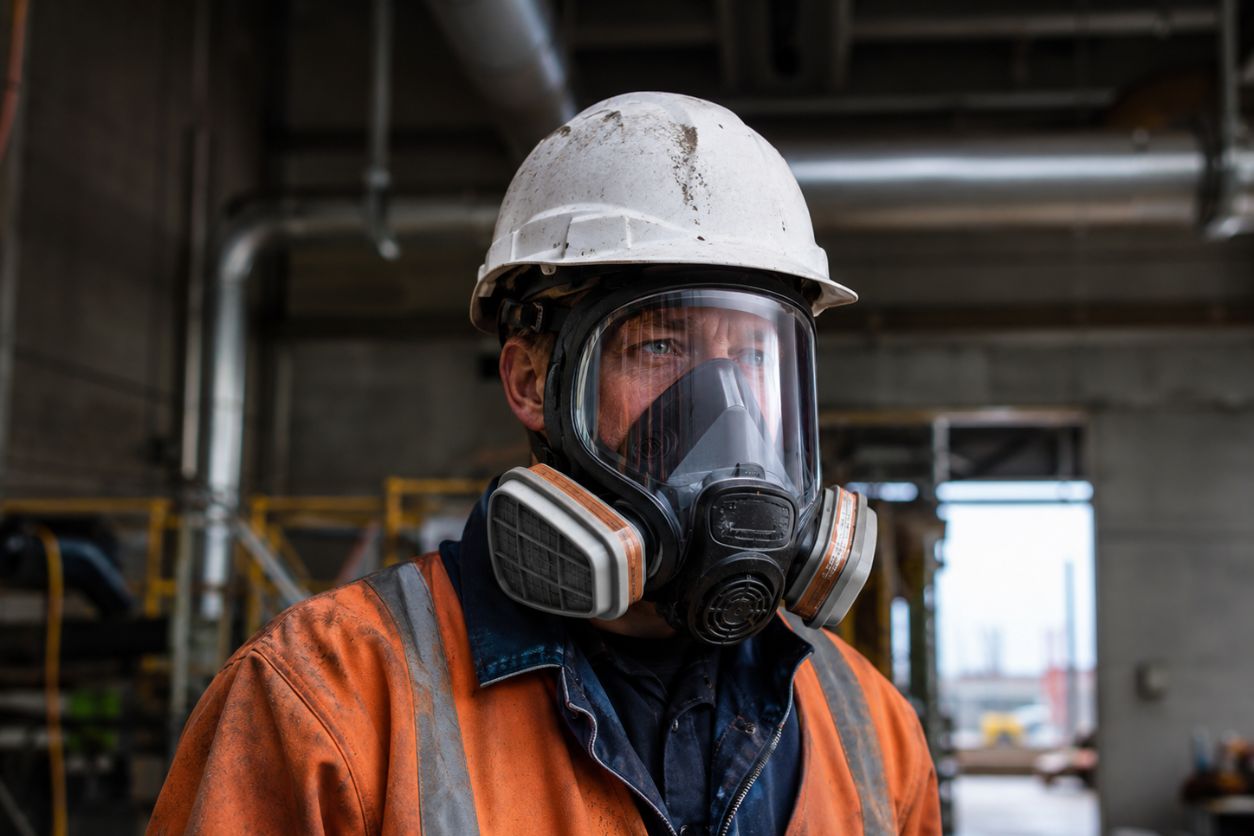
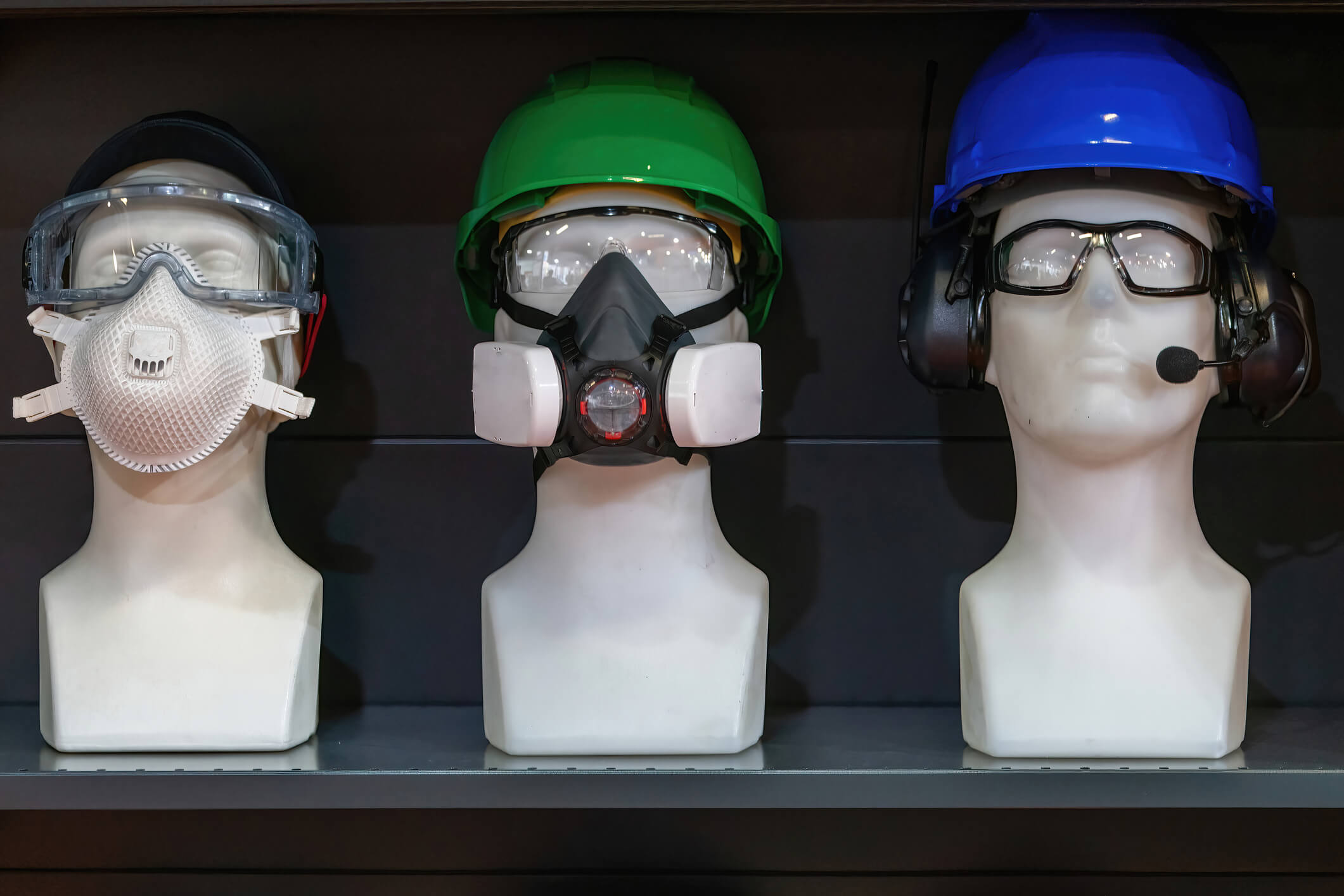
Workplace dust exposure is a constant hazard in construction and manufacturing environments. Inhaling hazardous particulates damages respiratory health and leads to chronic medical conditions. Using certified PPE masks protects workers from particulates while securing regulatory compliance for the business.
Protective Masks Direct has over 20 years of experience in respiratory protection. We supported organisations through every major respiratory challenge of the last two decades. Our inventory includes standard-compliant protection for industrial operations. Browse FFP1, FFP2, and FFP3 respirator models online or contact our support team to discuss bulk pricing.
Why do workplace hazards require specific filtration standards
Workplace hazards require specific filtration standards because airborne particulates vary in size and toxicity. Unregulated respiratory protection allows microscopic threats to bypass the filter and enter the lungs. Implementing strict certification ensures equipment extracts hazardous materials before inhalation occurs.
Health and safety managers must base procurement on verifiable laboratory data. Airborne threats range from nuisance dust to toxic asbestos fibres. Each category needs a specific filtration threshold to reduce risk. Procurement teams use these benchmarks to protect personnel and prevent project delays.
What does EN149 compliance mean for safety
EN149 compliance means respiratory equipment has passed European testing for structural integrity and filtration efficiency. This standard verifies that materials withstand workplace conditions while maintaining protective capabilities. It provides buyers with proof of operational safety and product reliability.
Conformity requires manufacturers to submit PPE masks to independent laboratory assessments evaluating leakage. Our catalogue displays the EN149 certification clearly for each model. This standard removes uncertainty for mechanical contracting environments. It allows workers to focus on tasks without fearing contamination.
How do different protection ratings impact respiratory defence
Different protection ratings impact respiratory defence by setting limits on the volume and type of particulate matter filtered. Lower ratings handle non-toxic nuisance dust while higher classifications trap hazardous microscopic particles. Defining these ratings allows safety managers to match equipment to site-specific risks.
Understanding specific capabilities ensures precise hazard matching:
- FFP1 models offer defence against low-level, non-toxic nuisance dust.
- FFP2 products filter finer aerosols found in woodworking and masonry.
We stock heavy-duty options to ensure teams have immediate access to protection. This categorisation helps hazardous material workers secure appropriate masks before entering contaminated zones.
Why are FFP3 respirators essential for heavy industrial work
FFP3 respirators are essential for heavy industrial work because they provide the highest level of particulate filtration available. They block toxic substances like asbestos spores and dangerous bio-aerosols that lower-rated filters cannot capture. This barrier prevents biological or chemical contamination.
Operations involving toxic waste disposal require maximum filtration. FFP3 devices use advanced electrostatic media to trap micron particles. Healthcare professionals depend on this rating during bio-hazard emergencies. We supply these items in large quantities to keep safety systems operational.
What role does a secure facial seal play in worker safety
A secure facial seal prevents contaminated air from bypassing the filter media. Even the highest-rated filtration material is ineffective if unfiltered air leaks through gaps around the nose or chin. An airtight barrier ensures optimal respiratory defence.
Human faces vary in shape across any workforce. You must ensure every worker achieves a flush fit against their skin. The tension of head straps dictates this operational integrity. You can find ppe face masks with adjustable features in our store to accommodate different users.
How do face fit testing services prevent workplace exposure
Face fit testing services prevent workplace exposure by verifying that a respirator creates a perfect seal on an individual worker. This check identifies structural leaks that the wearer might not feel. It turns product specifications into proven physical protection.
Protective Masks Direct offers UK-wide Face Fit Testing to ensure compliance. Our qualified technicians conduct quantitative methodology assessments on site. We also offer sessions to build your internal testing capabilities. You should request testing through our platform to guarantee site safety.
Why is wearer comfort a critical performance metric
Wearer comfort is a critical performance metric because physical discomfort leads to equipment removal and safety breaches. Workers in hot environments will often discard restrictive gear. Comfortable materials ensure continuous wear and compliance throughout extended operational shifts.
High breathing resistance forces the lungs to work harder, which reduces stamina. Equipment designers integrate specific features to combat this fatigue:
- Exhalation valves purge heat and reduce moisture build-up.
- Hypoallergenic fabrics prevent skin irritation during extended shifts.
Investing in ergonomic designs increases voluntary compliance among tradespeople. Procurement teams see fewer health complaints when prioritising comfort alongside filtration data. You can review material specifications on our product pages before ordering.
How do bulk purchasing and bundled kits improve site safety
Bulk purchasing and bundled kits improve site safety by ensuring an uninterrupted supply of essential protective gear. Running out of stock forces work stoppages or safety violations. Volume ordering guarantees availability while reducing overhead procurement costs.
Protective Masks Direct provides bulk savings for businesses ordering large shipments. Keeping a robust surplus of masks prevents workers from reusing disposable items. Integrated packages simplify ordering for fire sprinkler system installations. Browse our bulk categories to see these discounts online.
What frequently asked questions exist about respiratory safety
Frequently asked questions about respiratory safety focus on usage cycles, industry applications, and purchasing strategies. Understanding these concepts helps facility managers maintain safety protocols across different environments. Clear answers eliminate confusion and promote best practices on site.
Our support lines assist clients with technical queries and compliance concerns. We document common inquiries to help safety officers with internal training. Consistent education ensures workers treat their issued gear with professional respect.
How often should workers replace their disposable respirators
Workers should replace their disposable respirators when they become damaged, soiled, or difficult to breathe through. Most standard particulate filters are designed for a single shift of continuous work. Extending usage beyond this timeframe compromises the filtration integrity.
It does not take long for airborne debris to clog microscopic pathways within the filter fabric. This blockage increases inhalation resistance for the worker. Managers must enforce disposal protocols at the end of every maintenance shift. Fresh daily allocation prevents bacterial growth inside the mask.
What industries benefit most from specialised breathing gear
Industries handling fine particulates, toxic chemicals, or biological hazards benefit most from specialised breathing gear. Construction, welding, and pharmaceutical manufacturing represent high-risk environments. These sectors depend on technical respiratory equipment to prevent long-term health issues.
Providing the correct masks tailored to industrial applications is our core competency. High-risk sectors require specific protective parameters:
- Metalworking operations require specialised filtration to neutralise fumes.
- Healthcare facilities require fluid-resistant boundaries for bio-hazard containment.
You can filter our catalogue to locate specific industry standards easily.
How do procurement teams secure the best bulk pricing
Procurement teams secure the best bulk pricing by forecasting annual consumption and establishing supplier accounts. Consolidating orders into pallet shipments reduces unit costs and transport fees. Partnering with safety specialists allows access to tiered discounts tailored to volume.
Establishing a long-term supply agreement provides price stability regardless of global supply chain pressures. Sourcing all safety clothing and filtration gear from a single vendor simplifies auditing. You can view bulk tiers on our product pages or contact our support team about custom contracts.