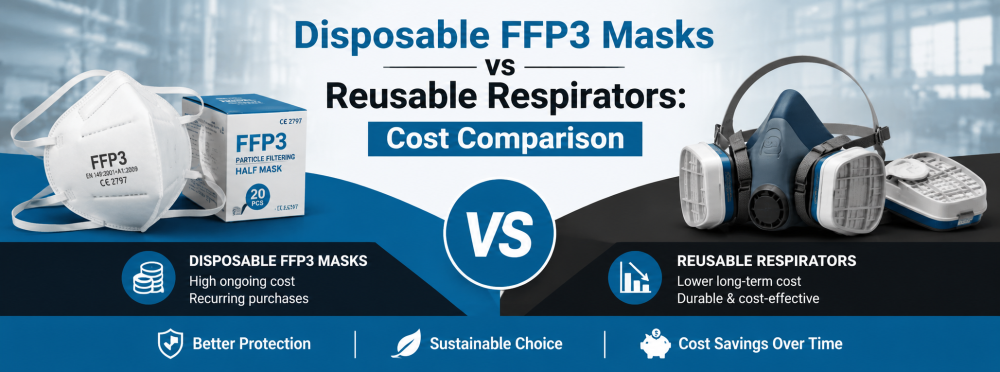
A box of disposable FFP3 face mask units might look like a safe and low-cost investment until you realise that you might be spending around £87 (on a box of 10 masks). Suppose each worker uses two disposable masks per day, and you have a hundred employees working on a construction site or in a field, then in total you might be spending around £1,740 per working day on the disposable masks alone.
Also, if you encourage your workers to wear a reusable respirator mask, then you might be spending around £25 on one reusable half mask. So, while it is important to ensure that a mask provides efficient protection, it is also important to understand how much you are actually spending on the disposable or reusable respirators to know about your long-term investments in the safety of you or your employees.
Why Cost Matters When Choosing Respiratory Protection
Cost isn't the only factor in respiratory protection. But if you are buying respiratory protection regularly, ignoring the cost can lead to false economies. A cheap disposable mask bought without thinking about frequency of use can end up costing far more across a year than a pricier reusable option.
Buying FFP3 Masks one box at a time without tracking how many you actually use in a month makes it easy to overspend without noticing.
That’s why, for occasional use across working environments, a disposable mask may prove beneficial; however, in places where workers need consistent protection over a long time, a reusable mask might be an ideal choice.
But note that the right comparison isn't price per unit. It's the total cost over a realistic period of use.
What Costs Are Involved With Disposable FFP3 Masks?
On the surface, disposable masks look affordable: buy a box, divide by the number of masks, and that's your price per use. However, there are several factors behind the figure.
The Initial Purchase Cost
The disposable FFP3 dust mask might have a lower upfront cost compared to the reusable options. Moreover, if you purchase in bulk, they might be more affordable depending on the brand and the size of the pack.
Per-Unit Price and Usage Frequency
Bulk-bought FFP3 dust mask units typically cost less. But know that if a worker uses one mask per shift, five days a week, for a 48-week working year gets through 240 masks. So, if the average price of a disposable mask is around £1.50 each when purchased in bulk, that's around £360 a year, before accounting for any wastage.
Hidden Costs You Might Be Missing
Apart from the initial cost, there are multiple additional expenses associated with disposable masks:
- Replacement Cost: The disposable masks are replaced frequently because they have a fixed duration limit until which they can be used, and they also need to be replaced immediately if they get damaged, wet, or cause issues while breathing.
- Overordering Costs: Since disposable masks are replaced frequently, you might overorder the masks in much larger numbers than the actual requirement.
- Waste Disposal Charges: Large amounts of disposables lead to higher amounts of medical waste being charged by many facilities.
What Costs Are Involved With Reusable Respirators?
A reusable respirator mask is more than the cost structure. The bulk of the spend happens upfront, with running costs dropping sharply after that.
Upfront Cost of the Mask Itself
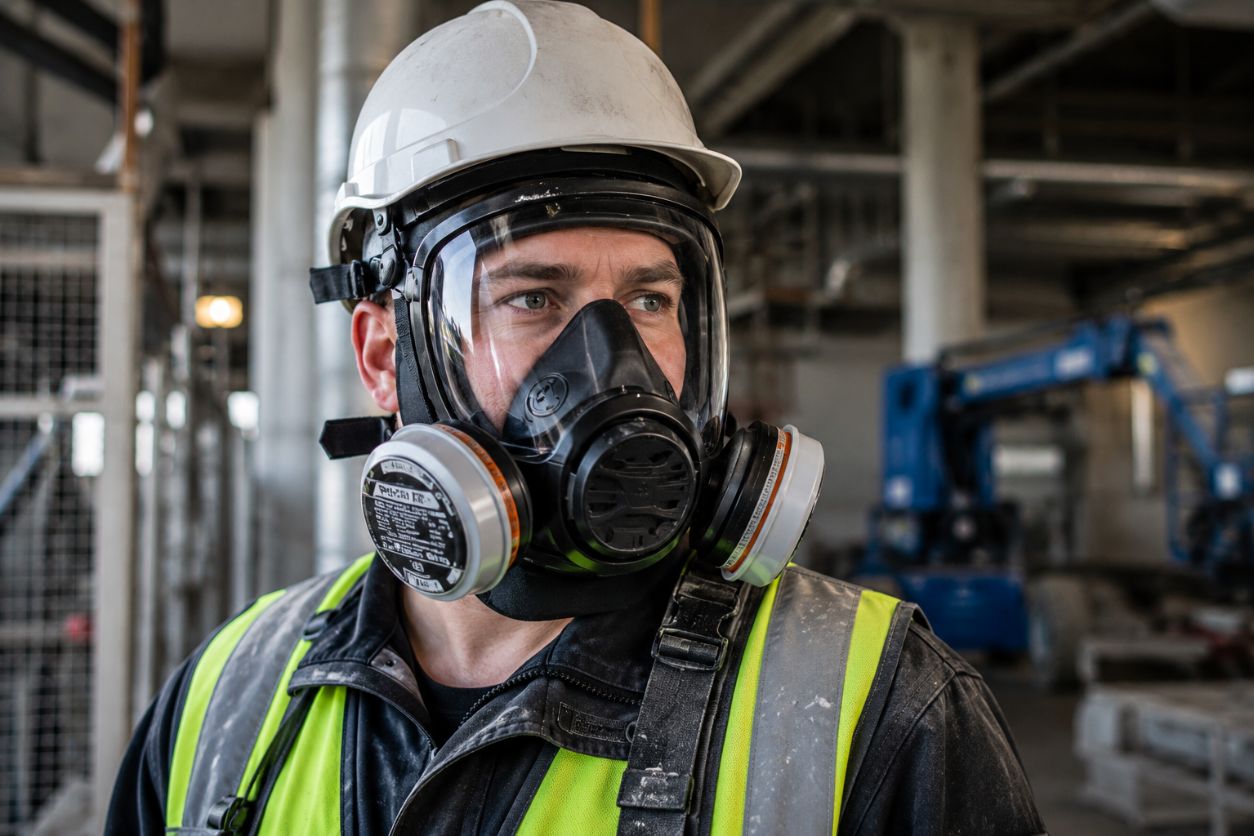
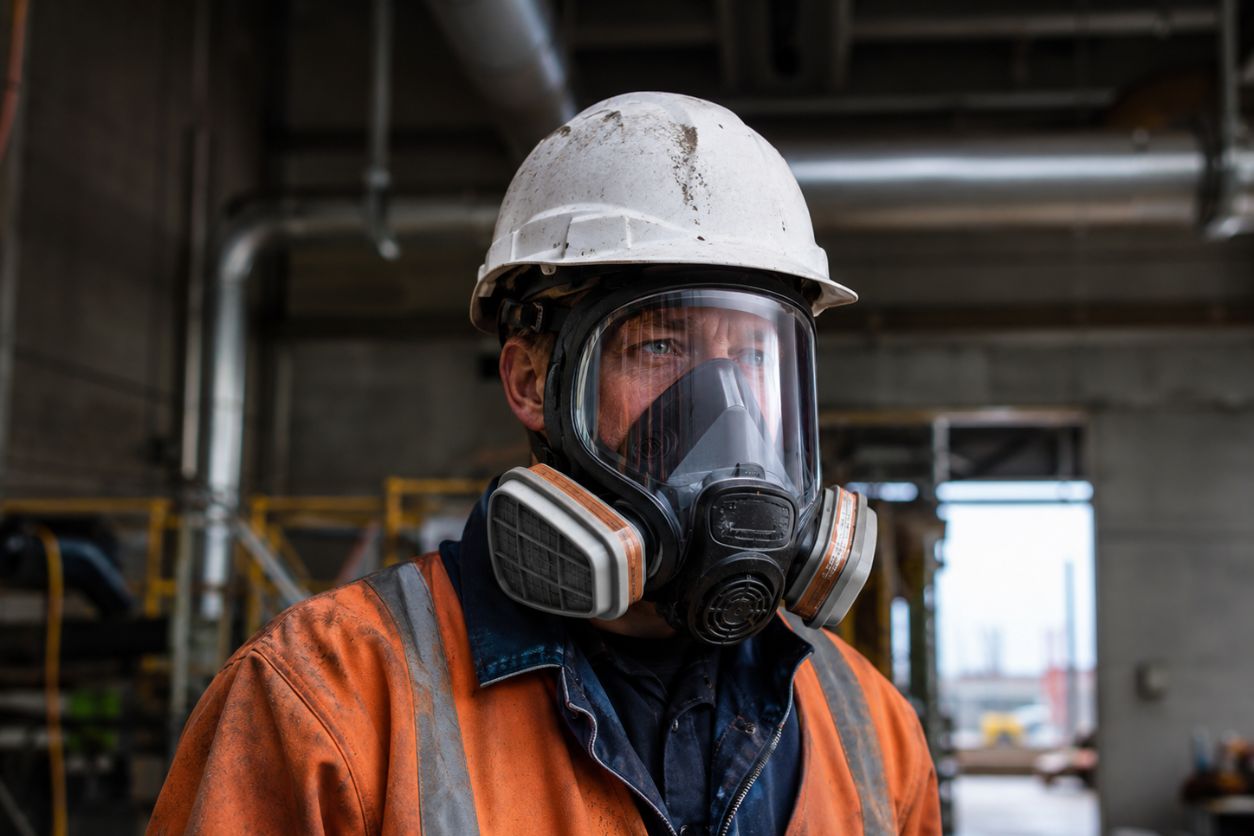
A Sundstrom respirator, such as the SR100 half mask, typically costs around £40, including the first P3 filter. It is higher than a single disposable mask, but it's also designed to last for years with proper care.
Ongoing Filter and Maintenance Costs
Replacing SR510 P3 mask filters generally costs between £8 and £12 each. How often they need changing depends entirely on dust load and how the mask is stored and cleaned between uses. A worker in moderately dusty conditions might change filters every one to three months. It costs around £40 to £80 a year on filters alone once the initial purchase is behind them. If you add in the occasional replacement of valve seals or straps, the total annual running cost for a reusable face mask will still be affordable when compared to its disposable equivalent.
Disposable FFP3 Masks vs Reusable Respirators: Cost Comparison
Here’s a quick cost comparison between disposable FFP3 masks vs Reusable respirators:
| Cost Factor | Disposable FFP3 Masks | Reusable Respirator |
|---|---|---|
| Initial Cost | £1.18–£1.90 each | £40 (with first filter) |
| Ongoing cost | New mask every shift or task | Replacement of the P3 filter once every 1–3 months |
| Best suited to | Occasional, or short-duration tasks | Daily or frequent exposure to dust and fumes |
Which Option Is More Cost-Effective for Different Users?
There's no single right answer to which option is more cost-effective. It all depends on how frequently and under what circumstances the mask would be worn. Let us examine different cases in which different types of users can use a protective mask (disposable or reusable) to save cost:
Occasional or DIY Users
If you are tackling the occasional dusty job once or twice a month, a small pack of disposable FFP3 face mask units is the best option. The upfront saving outweighs any long-term filter cost they'd never fully use.
Daily Site Workers and Tradespeople
If your workers are exposed to dust, fumes, or fine particulates on most working days, you can typically save money within the first year by switching to a reusable respirator. The investment is recovered well before the twelve-month mark.
Multi-Site Contractors and Teams
If you are an employer handling multiple workers, reusable respirators reduce both cost and the administrative burden of constantly reordering stock. Standardising on one model also simplifies face fit testing, since everyone is being tested against the same mask shape.
Workers Who Can't Achieve a Tight Seal
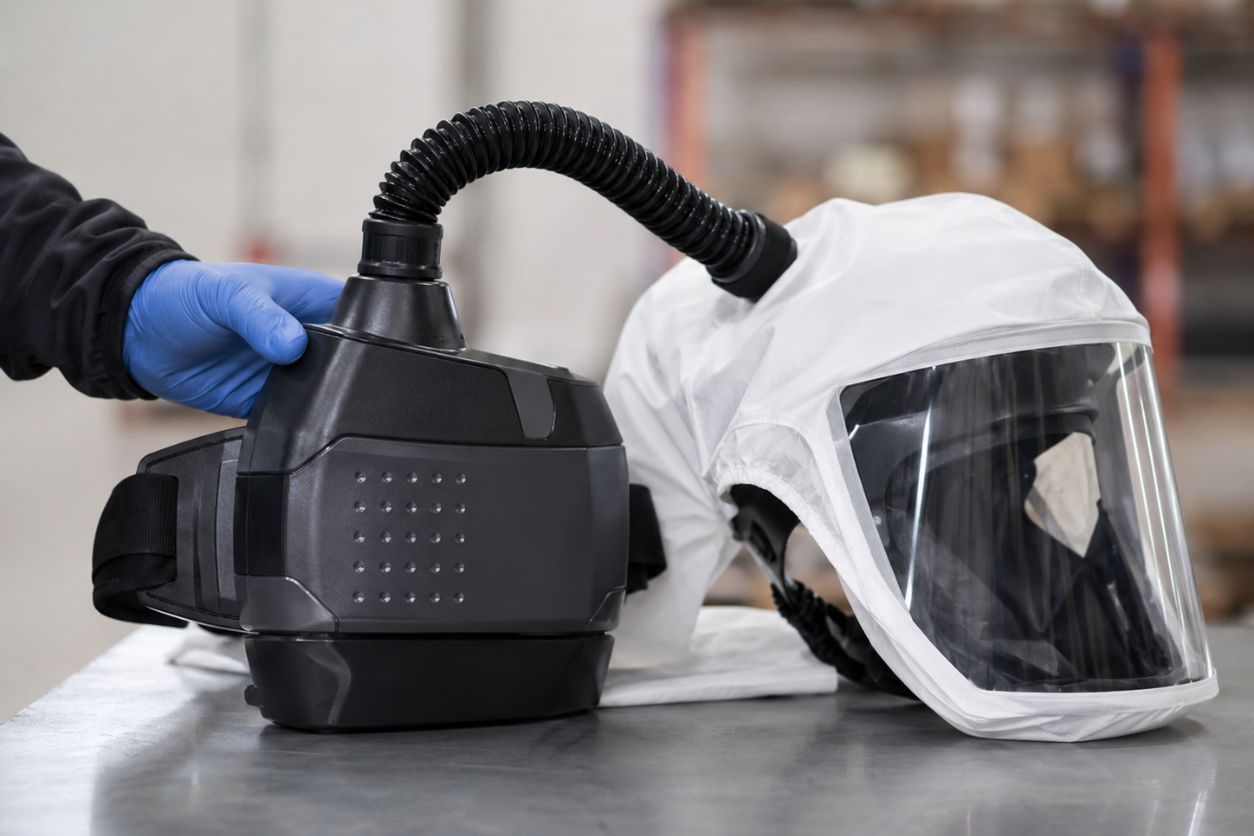
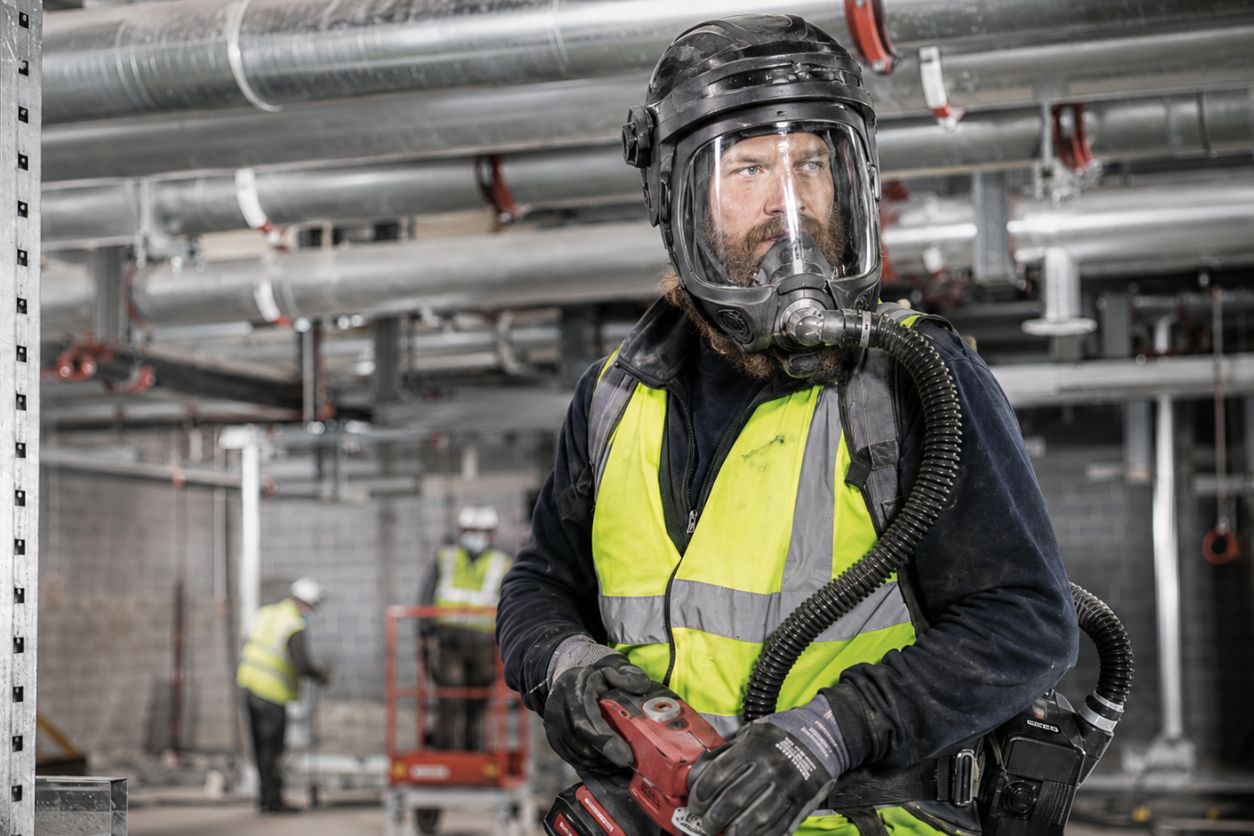
Neither disposable masks nor a standard reusable face mask will seal properly over a beard. If you are the one who can't shave along the seal line, the cost comparison doesn't apply in the same way. A loose-fitting beard mask style respirator, typically with a powered hood or helmet, is the best option.
Beyond Cost: Other Factors Worth Considering
- Comfort Over a Full Shift: Silicone-bodied reusable masks have a more consistent seal over long hours than foam-edged disposables.
- Environmental Impact: A reusable mask creates far less single-use plastic waste across a working year.
- Storage and hygiene: Reusable masks need cleaning and proper storage between uses, which disposable masks don't require.
- Fit Testing Requirements: Both disposable and tight-fitting reusable masks require formal fit testing, so this cost applies either way.
- Facial Hair Compatibility: Neither option suits bearded workers without a clean-shaven seal line.
How to Calculate the True Cost of Respiratory Protection
To calculate the true cost of respiratory protection, you need to multiply the price of each disposable mask by the number of masks needed per week, and then by the number of working weeks in a year. In the case of the reusable solution, you should add the cost of the mask itself to the annual number of filters and their cost.
A Worked Example
Consider a tradesperson using one disposable mask a day, five days a week, across 48 working weeks. If a mask costs £1.50, the yearly cost will be:
1 mask x 5 days x 48 weeks = 240 masks per year
240 mask x £1.50 = £360 per year
However, if you use the Sundstrom respirator, which costs around £40, and has a filter replacement of £10 each (with the filter needing to be replaced twice a month), the yearly cost will be:
Since 6 filter replacements will take place around the year, the filter cost adds up to = £60
£40 (respirator) + £60 (filters) = £100 per year.
That means by switching to a reusable mask, you can save around £260 per year for one user.
Final Thoughts
Selecting between disposable FFP3 Masks and a reusable respirator mask depends largely on the duration of use, the type of environment, and the budget. For occasional use, disposables are the best option. For daily exposure, a reusable mask will help you save more every year. Know your actual usage, run the numbers, and get the right answer that fits your workspace and budget.
Protective Masks Direct offers a full range of CE-certified FFP3 Masks and reusable respirator masks. Select the best choice according to your requirements and investment criteria.
FAQs
How long does a reusable respirator last?
A reusable respirator mask like the Sundstrom SR100 can last several years with proper maintenance. Replace the filters once every one to three months.
Do reusable respirators require replacement filters?
Yes. The mask body is reusable. But the P3 mask filter inside it has a limited working life, which must be replaced as per the manufacturer’s guidelines.
Are FFP3 masks more expensive over time?
For everyday users, yes. The per-mask cost of disposable masks can be more expensive than the combined upfront and filter cost of a reusable option. For occasional users, disposable FFP3 Masks usually remain affordable.
Which option is best for construction workers?
Workers exposed to dust on most working days can save money and get better protection with a reusable face mask and P3 filters.
What is the most cost-effective respiratory protection?
It depends on usage frequency. Occasional users save with disposable FFP3 face mask packs. Anyone wearing protection most days will find a reusable respirator mask more cost-effective within the first year.