
Every workplace has hazards that need the right equipment to manage them. The right equipment helps protect workers when other measures reduce but do not remove risk.
How do You Identify Hazards for the Right PPE?
Start with your risk assessment and list the tasks that create airborne agents and splashes, noting where heat or impact risk can appear. Then select items that address the protection you require.
In construction or maintenance, the same area can present different risks across a shift, so plan for swaps. A visor should not affect other equipment such as a harness or a pair of ear defenders, so make sure items work together.
For instance, to deal with silica dust from chasing concrete, your mask needs an increased level of filtration. When interacting with harmful liquids like caustic cleaners and acids, it’s vitally important to use the correctly rated eye and face protection.
If the right equipment can deal with the corresponding hazards, then you are doing well.
What Does Construction Work Typically Require?
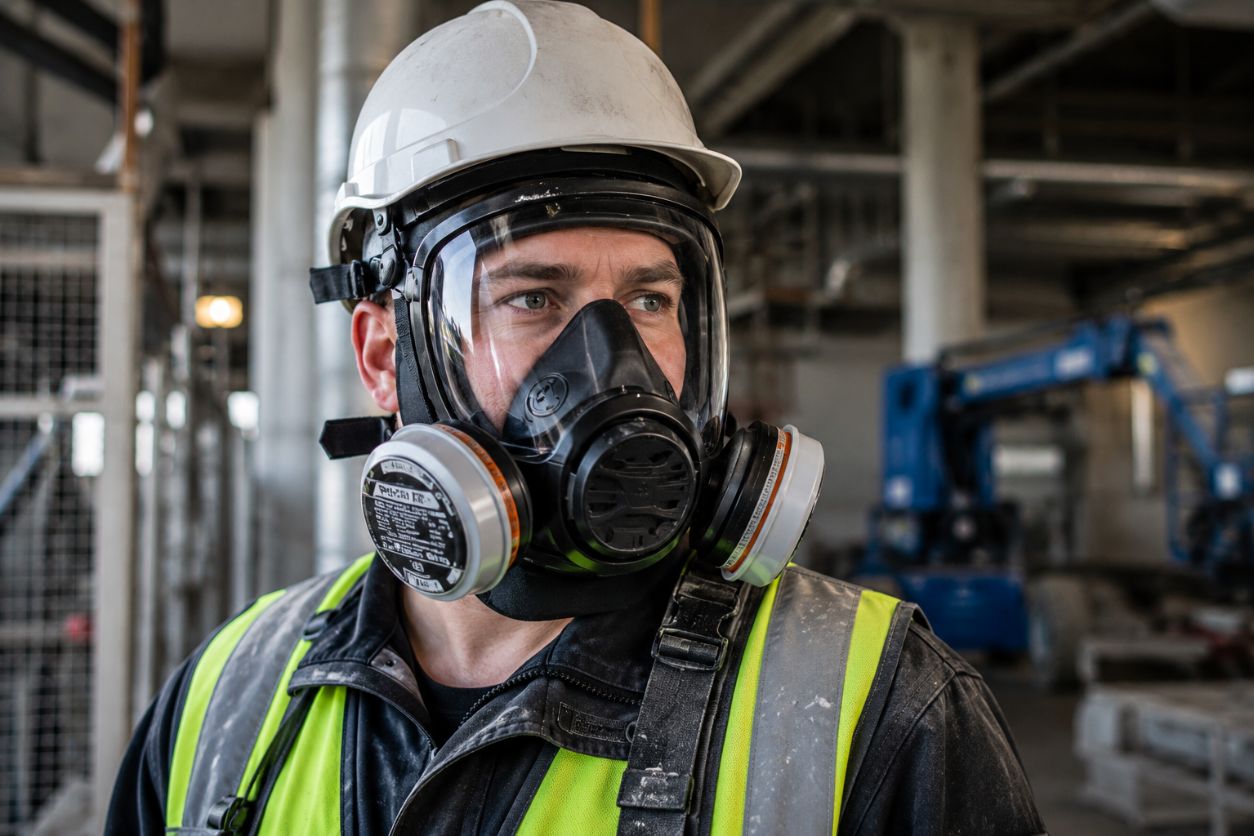
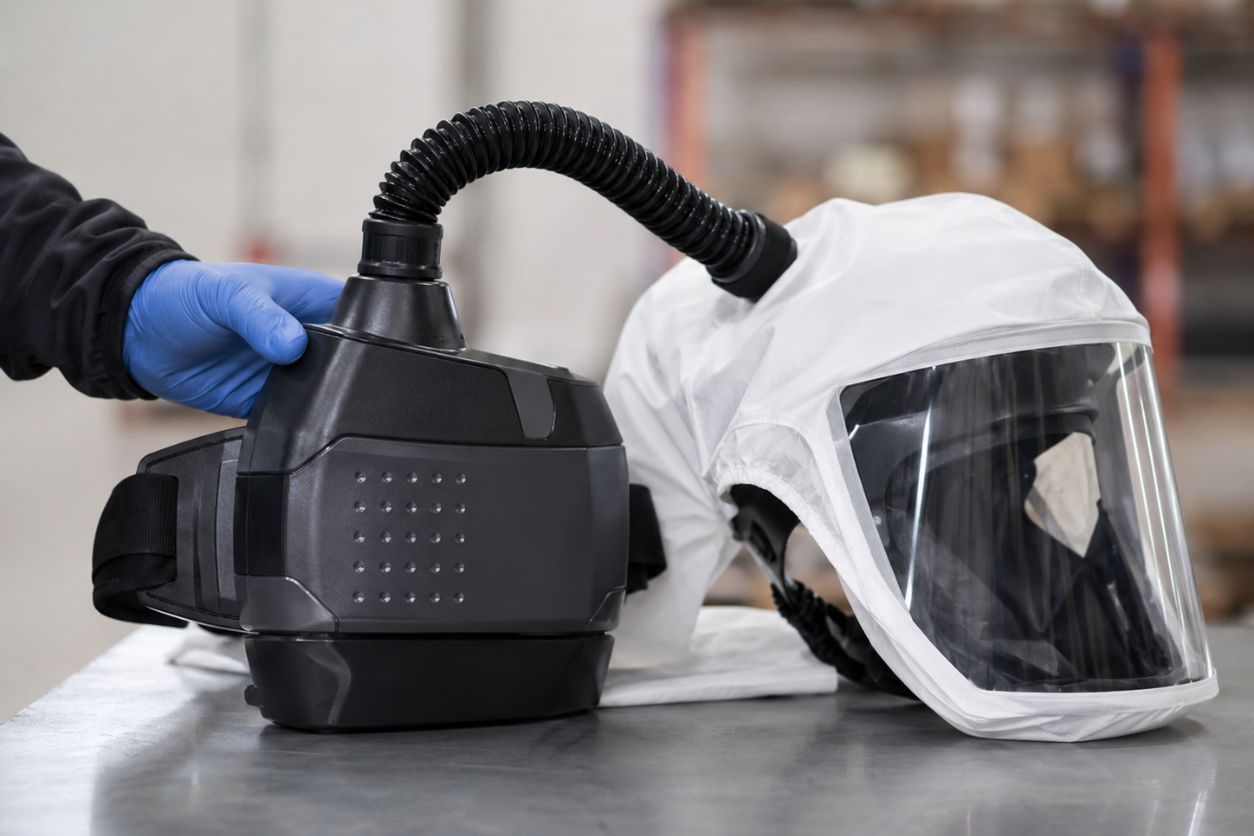
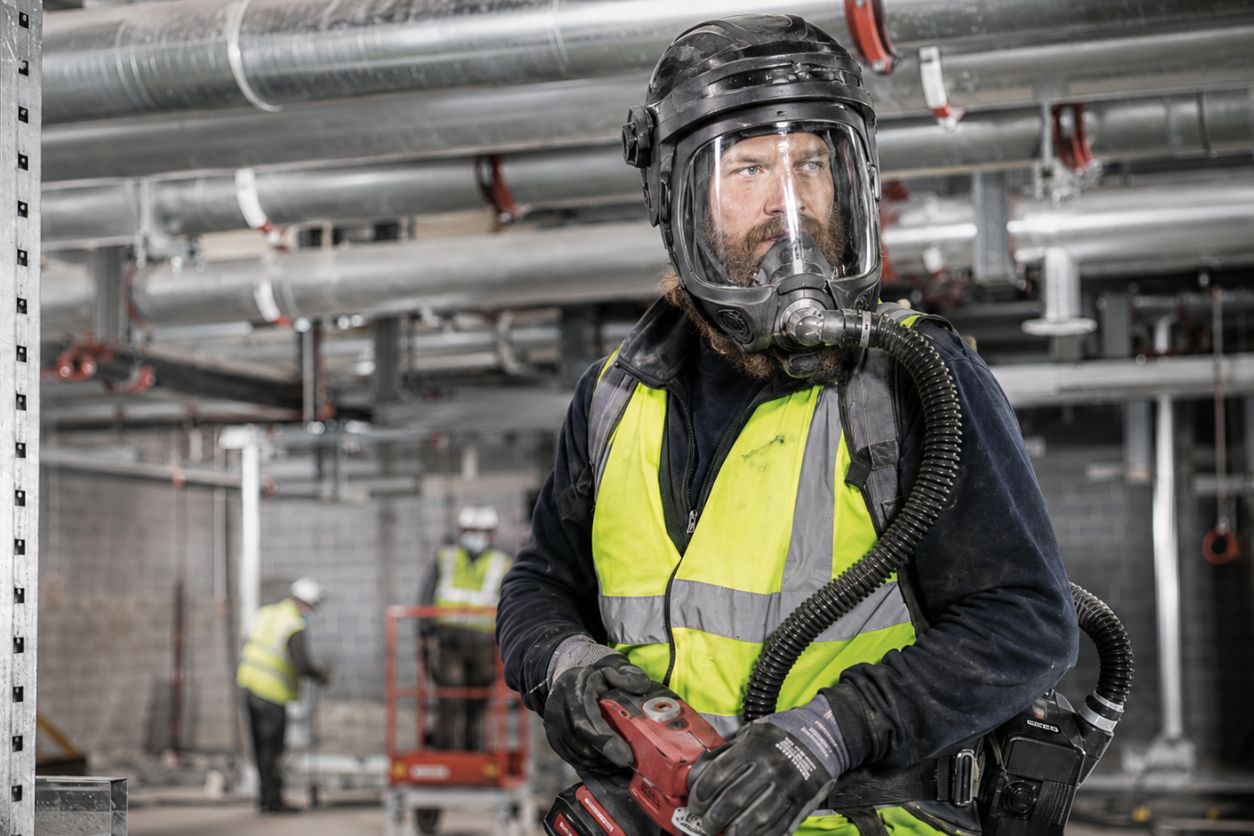
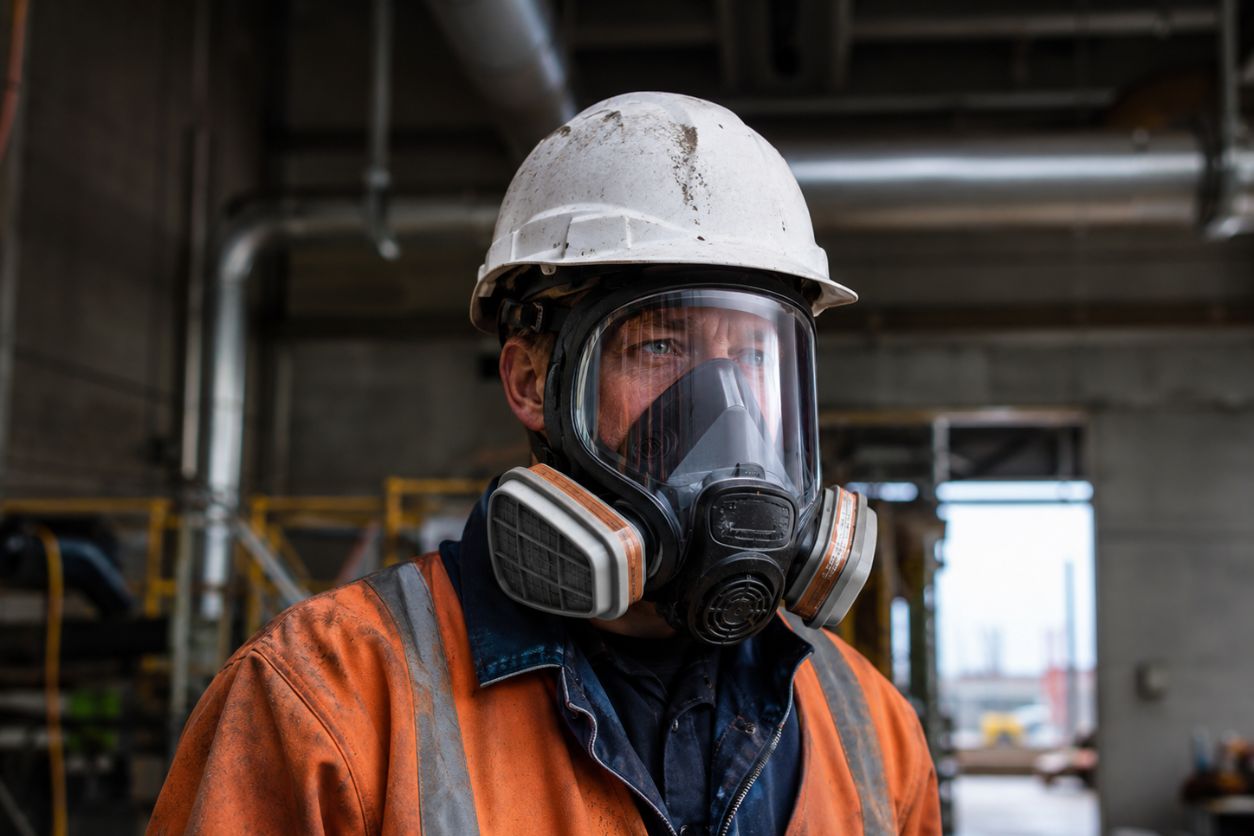
Crystalline silica can form after concrete and stone is cut. For this, you need a tight‑fitting or powered respirators with suitable filters.
Flame-retardant clothing and shields which protect the face are important to combat sparks when grinding or welding. The risk of falling is increased in roofing and scaffolding, so choosing the right harness and helmet matters.
Issuing and returning items is made easier when spares are kept nearby. This approach keeps personal safety equipment available when conditions change.
Which Items Fit Manufacturing Best?
Selecting appropriate personal safety equipment reduces avoidable exposure. Hands and forearms are at risk when using press brakes or guillotines, so you can reduce the chance of getting injured by using gloves that have a suitable cut level.
There is also an increased risk to your eyes and skin when working in degreasing bays. In this scenario, face shields or sealed goggles pair well with chemical‑resistant gloves. Earmuffs or earplugs should also match measured noise levels across a shift. Footwear with a protective midsole and toecap deals with dropped parts.
Giving your team short refreshers on how and when to replace a visor, or to change gloves, help keep the line moving without avoidable stoppages.
Which Respiratory Gear with Eye Protection Suits Care Work?
Those working in care work require control over liquid exposure for routine tasks and higher protection for clinical procedures. Fluid‑resistant masks help during close care near beds and in treatment rooms. When you need to decontaminate an area, add a face shield for extra protection. Moving patients around also increases the load on your joints, so footwear with better tread helps during transfers.
Light garments that move with your body also suit night work as you are less likely to disturb residents.
Ready to source smarter? Browse our respiratory, eye, hand and clothing ranges, or contact us. We can help plan sizes and swap cycles so orders land where they are needed.
Which PPE Suits Higher Risk Lab Tasks?
Laboratories handle hazardous agents that demand tighter control. The right personal protective gear plays a critical role in limiting exposure. Hydrofluoric acid brings a severe splash hazard that needs specific gloves and full face protection. Match the mask or powered unit to the agent type and airborne level.
In cleanrooms, focus on low‑lint garments. Antistatic footwear also prevents charge build‑up near solvents and electronics.
Consumables should be stored in lot‑tracked stores and you should pick items with published test data for the hazard in question.
What PPE do Food Factories Need?
Products must be protected from contamination and staff should be kept safe from hot surfaces and steam. The right PPE helps maintain safety across both areas. Flour dust and spice powders can irritate the airway. Knives bring laceration risk where forearms can be nicked without guards. Caustic foams used in washdown means your gloves needs to be resistant to certain chemicals.
Cover hair and beards, use sleeve covers and aprons where splashes occur, and select cut‑resistant gloves for slicing and trimming. Choose footwear with slip‑resistant soles rated for wet areas. Assign colour‑coded gear to zones to prevent cross‑contamination.
Clear sizing labels with swap bins for worn items reduce mix‑ups when changing shifts.
What Works for Warehousing and Logistics?
Warehouses deal with moving vehicles, racking and manual handling. Choosing suitable PPE reduces preventable injury. Breaking down pallets exposes your hands to splinters, requiring tougher gloves. High‑visibility vests and jackets reduce collision risk around forklifts and cherry pickers. Couriers and drivers benefit from winter headwear and weatherproof outer layers too.
Place a small mobile kit on each vehicle and use storage that protects items from crushing, so replacements stay available.
Which Standards Apply to Checks?
Review EN markings on items such as masks and clothing so you can confirm each item meets the right standard. Check the product data sheet for the Assigned Protection Factor where relevant and record which filters or cartridges apply to each job. Define a swap schedule for filters, visors and seals, then keep it alongside issue notes so supervisors can see what is in service.
A short inspection routine helps catch damage before causing downtime. Keep an issue register so you can trace which PPE has gone to which team, then review it after changes to a process or material. This approach also helps you show that personal protective gear stays serviceable throughout the project.
How Often Should You Replace Each Item?
Replacement timing depends on wear and hygiene. Follow the product’s stated limits. Set simple triggers so swaps happen before performance drops:
- Respirators: change filters when breathing resistance increases and replace disposable masks after one shift or if it becomes soiled
- Eye protection: replace visors and lenses when scratched, cracked, or after a heavy impact
- Gloves: change immediately if torn or contaminated
- Protective clothing: swap single‑use garments after each task and launder reusable items in line with the label
- Footwear: replace when the tread is worn or the toecap shows signs of damage
And don’t forget to keep spare personal safety equipment close to task areas.
Selecting the Right Kit
A review of your kit can reveal gaps worth fixing before workloads rise. Use personal protective gear that teams will actually wear and that integrates with other items. Contact us to talk through roles, sizes and replenishment so stock lands where it is needed.