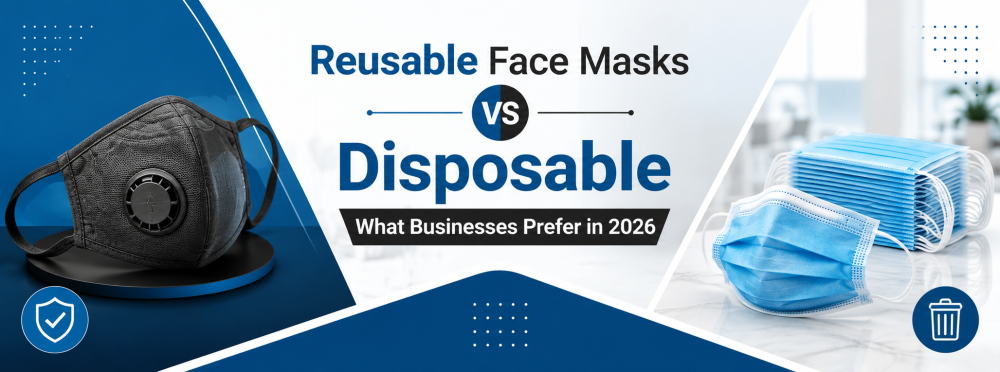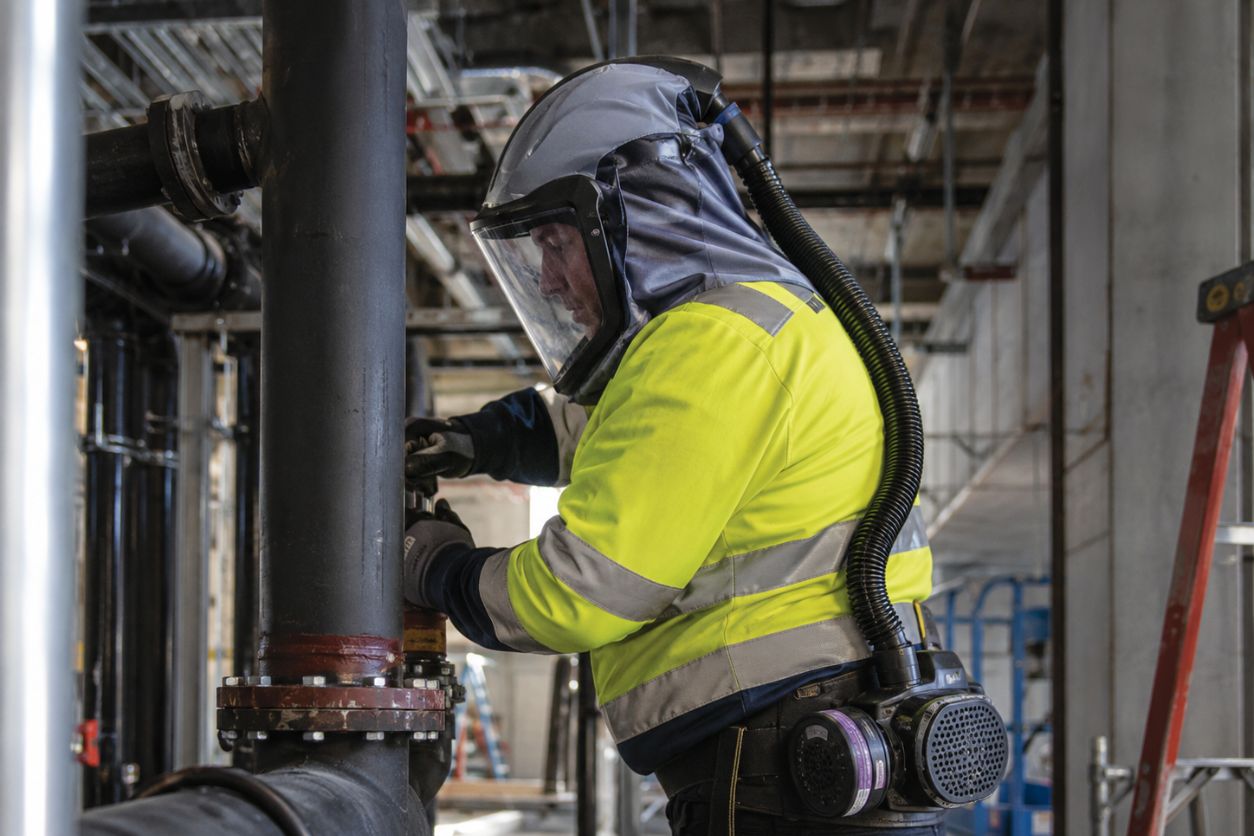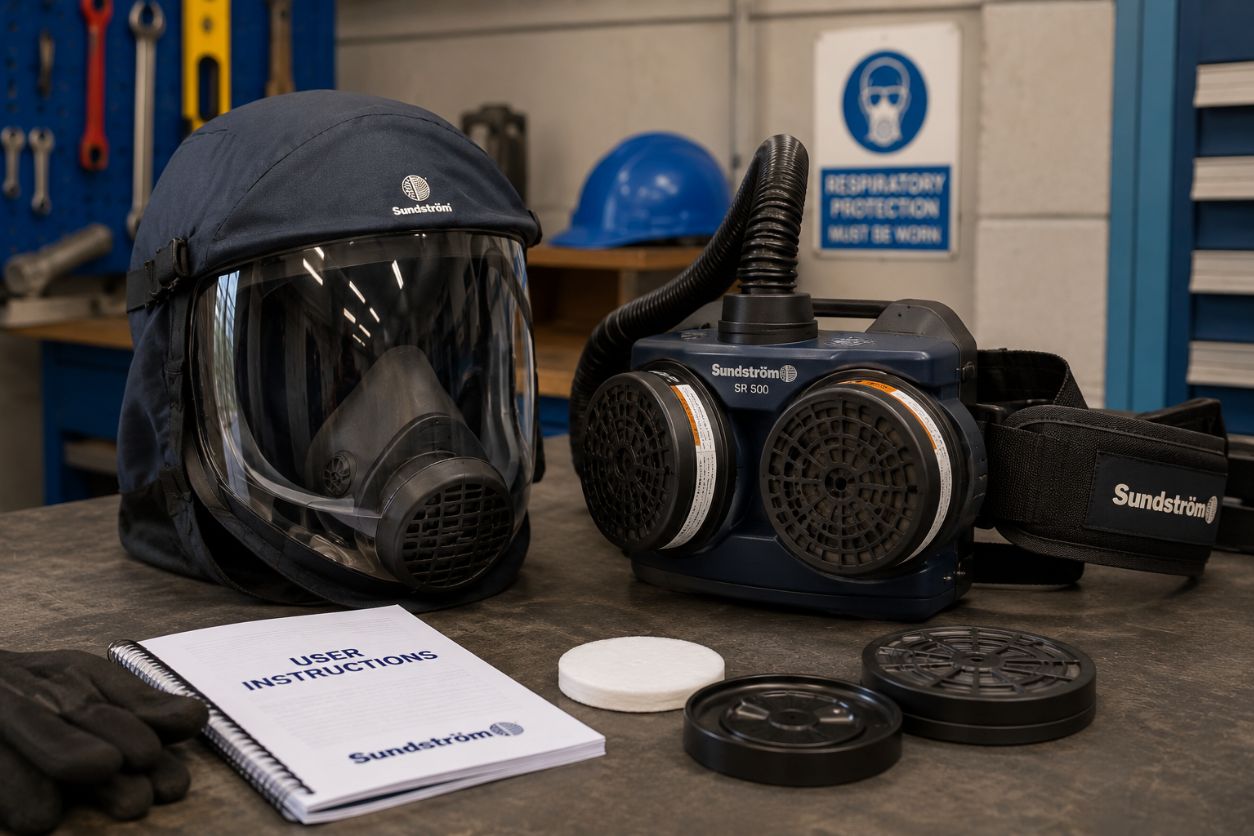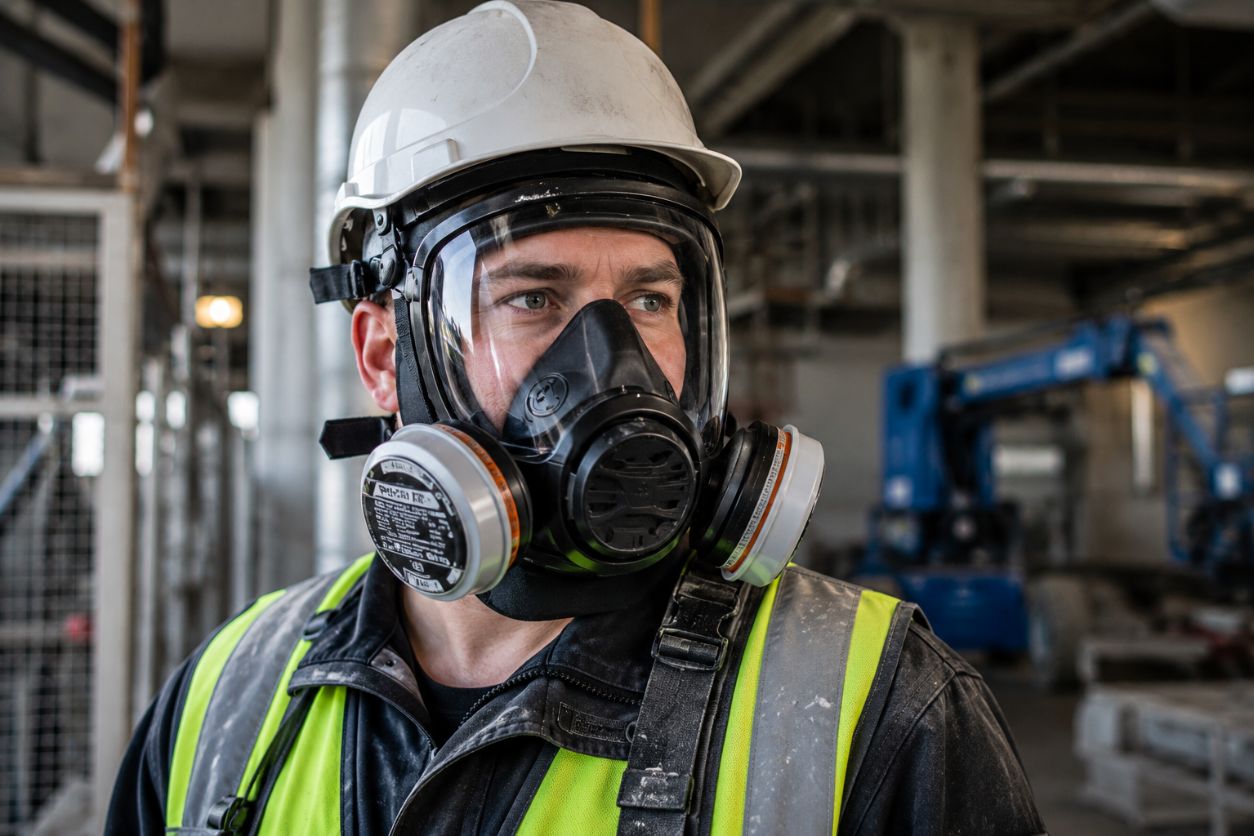

Choosing between reusable and disposable respiratory protection isn’t just a technical decision. Supervisors see how masks behave during physical work and how quickly supplies get used up. They also see how often people need to pause to change equipment.
Some teams default to single-use options because issuing them is easy. Others move towards reusable equipment because it can be easier to manage over weeks of consistent use. The best choice depends on exposure and how the work is actually carried out.
Which Conditions Expose Disposable Weak Points?
Disposable respirators often perform well on short tasks in controlled areas. Their weak points usually show up during longer jobs, or tasks where the wearer needs to speak frequently.
Comfort and wear time sit behind many practical issues. A mask that becomes uncomfortable is more likely to be adjusted, reducing performance. Disposable supplies can also become difficult to manage where teams move between several work areas in a day.
How Does a Reusable Mask Perform During Extended Use?
In sustained tasks, the main difference is how the RPE copes with repeated use. A reusable face mask is built for multiple wearing cycles, so the facepiece and straps are designed to remain sturdy.
Many teams move to a reusable mask to allow for planned replacement of filters rather than swapping the whole mask. That can reduce interruptions during work and give supervisors a clearer process for managing change intervals.
How Should You Budget Across Longer Projects?
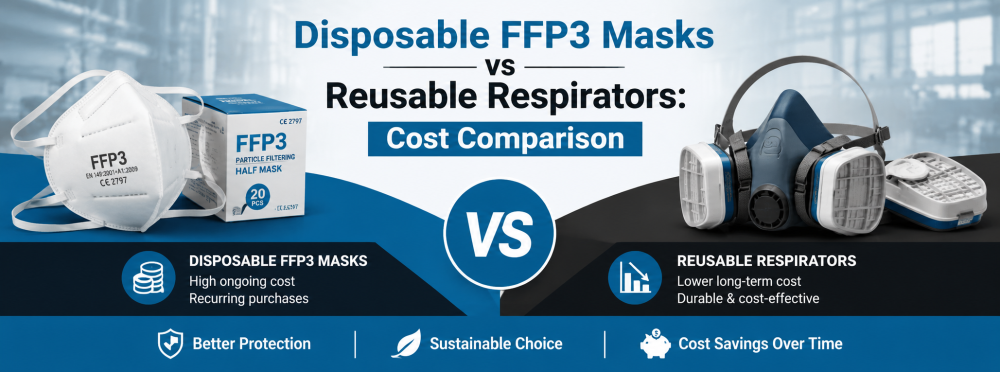
Cost comparisons often go wrong when you only look at the initial purchase. Disposables can look cheaper on day one, then become more expensive once frequent changes are built into the plan.
A reusable respirator usually has a higher initial cost, yet total spend can become more predictable if the body of the mask is kept in service and filters are changed on schedule. Teams that log usage often find that spending becomes easier to forecast, particularly on projects running for months.
A useful way to structure cost planning is to track how many disposables are issued per person per week. Then compare that figure with a reusable issue model and the filter replacement schedule you plan to run.
How do Hygiene Rules Differ Between Mask Types?
As soon as a reusable face mask becomes issued routinely, hygiene management can be more structured. Disposables are removed and discarded at the end of use, which reduces the need for cleaning routines.
Cleaning and storage rules need to be clear and applied consistently. Guidance should always follow the manufacturer instructions for the specific model, but here are some simple rules:
- Assign responsibility for cleaning at the end of use
- Store masks in a clean container away from dust
- Replace filters to a written schedule linked to exposure
- Remove any equipment from service if parts are damaged
These routines require discipline, yet they can also reduce the amount of waste leaving site.
What Waste Builds Up With Disposable Masks?
Waste often becomes visible on busy projects. Single-use masks, wipes, and contaminated packaging can build up quickly.
A reusable mask reduces the number of mask bodies thrown away. Filters still need replacement, yet the quantity and volume are typically lower than replacing full masks.
Sustainability shouldn’t override protection needs. It can still influence procurement once the risk assessment has confirmed that both options can meet the exposure demands.
How to Maintain Performance Across Repeated Use
Repeated use creates two management needs. The first is inspection of the facepiece and straps. The second is controlling filter replacement.
A reusable respirator works best with a written routine that people can follow without assuming. Inspection should check that components are intact and that the mask still forms a secure seal against the skin.
Rules for when you should change filters should reflect which substances are present and the time spent being exposed. Some use a fixed schedule, while others replace at the first sign of increased breathing resistance.
Need help comparing reusable models? Contact us for product guidance and availability.
Which Standards Apply to Workplace Dust Masks?
Standards provide the baseline for product testing and classification, including requirements that apply to a reusable face mask used at work. Many workplace filtering facepiece respirators are tested to EN 149, covering FFP1, FFP2, and FFP3 classes.
Half or full face masks with replaceable filters follow different standard depending on their design and intended use. Manufacturer specifications and the site assessment should always guide the choice.
Who Gains the Most From Reusable Models?
Not every team needs reusable equipment, even where a reusable face mask is available on site. Some roles mean you only enter dusty areas occasionally, so disposables remain a practical option.
A reusable mask is often best suited to teams with frequent exposure or repeated work across the same hazard area. Maintenance teams and those working in fabrication areas are typical examples. Procurement teams also tend to prefer reusable models where supply continuity matters.
The strongest approach is to align issue model with exposure pattern rather than issuing the same equipment across every role.
How do You Decide Between Mask Options?
Start with exposure and required protection level. The decision often comes down to how regularly a reusable respirator would be worn in a particular role. In many workplaces, reusable models are issued to staff who use respiratory protection frequently, while disposables stay in place for short, occasional tasks.
To review the options for your teams, comparing your typical tasks with product ranges, contact us and select an approach that suits your hazards and working patterns.