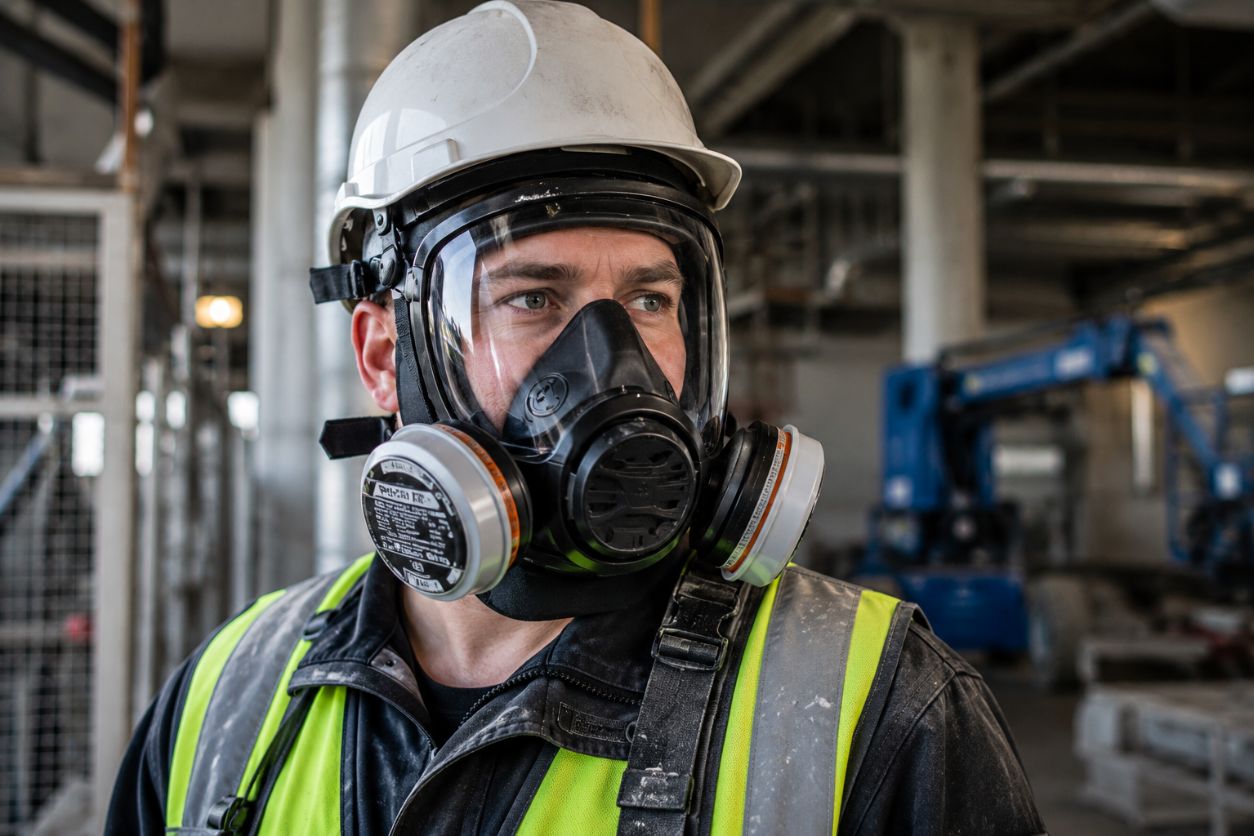
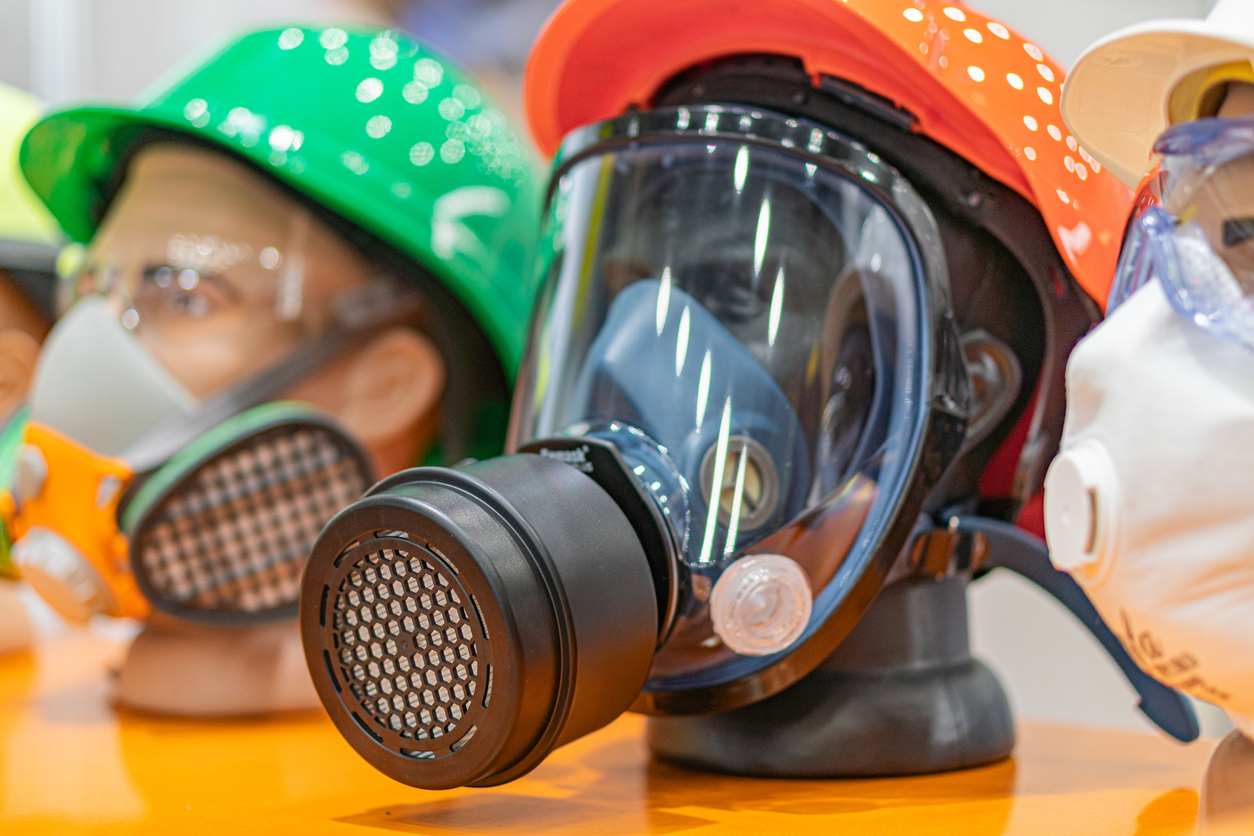
Workplace particulate exposure is a daily reality in industrial manufacturing and heavy construction. Prolonged airborne contamination causes permanent lung damage and triggers severe regulatory penalties for your organisation. Procuring certified respiratory protective equipment protects the workforce and ensures immediate legal compliance. We draw on over 20 years of safety expertise to supply proven RPE solutions. Our team approaches workplace safety through strict compliance frameworks and precise laboratory standards.
What Workplace Risks Require an Air Powered Respirator?
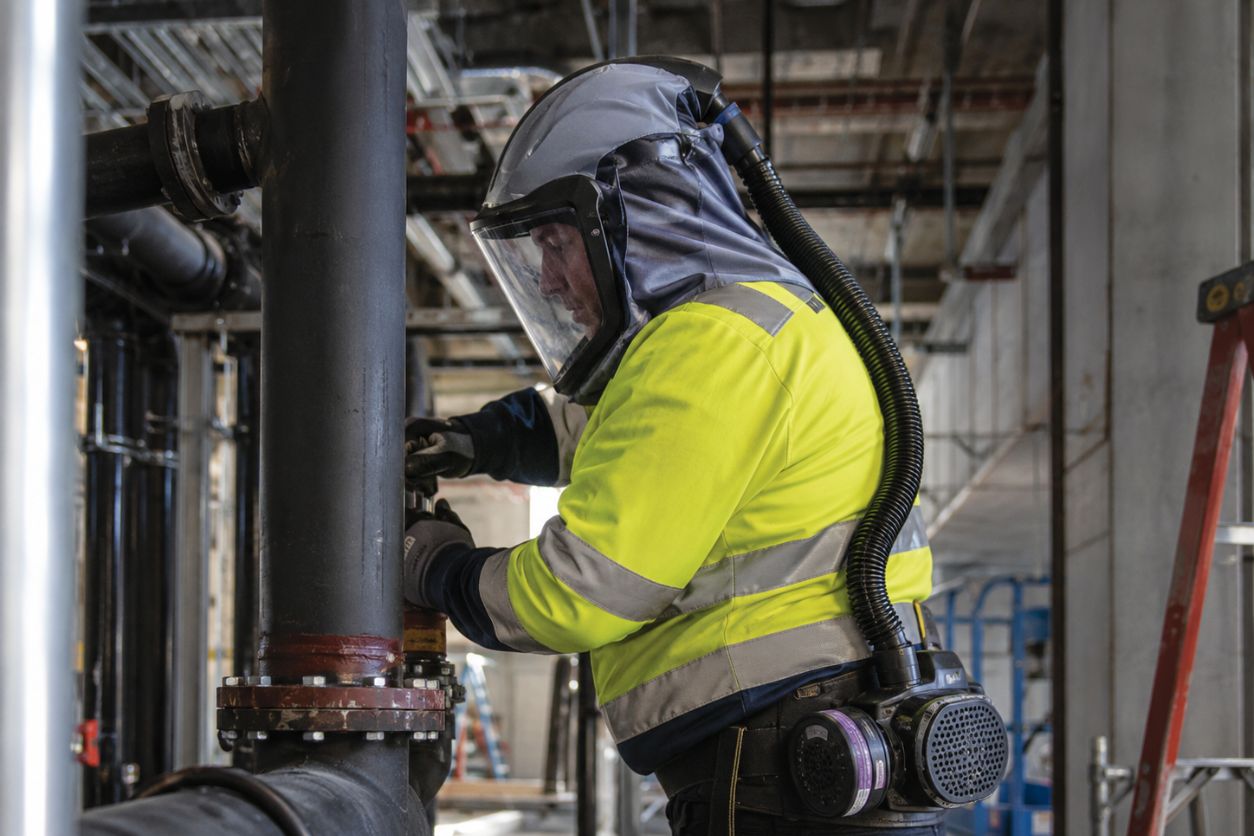
Hazardous environments containing dense particulate matter, silica dust, or toxic chemical vapours require an air powered respirator to ensure sustained wearer safety. These motorised units continuously push filtered air directly into the breathing zone. This provides a superior protection factor compared to standard disposable face masks during intensive industrial applications.
Respiratory protective equipment must strictly match the specific hazard profile of your location. Health and safety managers assess particulate volume alongside chemical concentration levels before authorising equipment use. An air powered respirator provides reliable positive pressure that prevents external contaminants from breaching the breathing zone. Common applications requiring these motorised units include heavy construction tasks generating silica dust and industrial metalworking producing welding fumes. Each specific environment demands strict adherence to the EN 12941 standard.
How Do Airborne Hazards Affect Long Term Health?
Airborne hazards cause irreversible deterioration within lung tissue upon repeated exposure. Microscopic solid particles bypass natural bodily defences and settle deep within the human respiratory system. Operators often remain entirely unaware of the accumulated tissue damage until severe occupational illnesses and medical symptoms present themselves years later.
Substances like wood dust and asbestos fibres create acute occupational illnesses, while metalworking fumes introduce heavy metals into the bloodstream. Organisations face massive liability risks if they fail to implement an adequate respiratory protection programme. Investing in high quality respiratory equipment prevents these outcomes entirely by acting as a definitive physical barrier. Health and safety personnel must always prioritise certified equipment procurement over cheap budget alternatives.
Why is the Sundstrom SR 500 and SR 580 PAPR Effective?
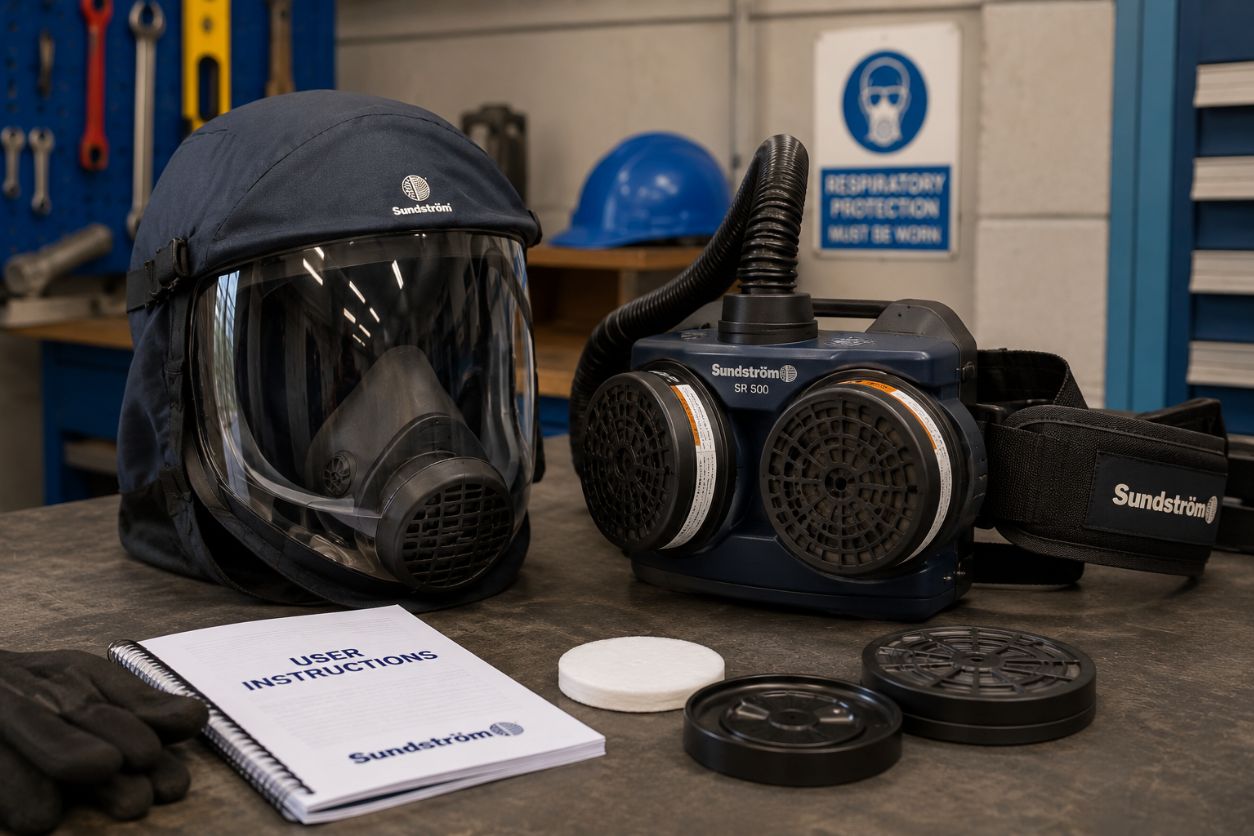
The Sundstrom SR 500 and SR 580 PAPR system delivers effective safety within extreme industrial environments. This specific hardware configuration handles severe dust exposure and attaching extra filters guarantees protection against toxic fumes. The robust internal motor ensures consistent clean airflow throughout the duration of long work shifts.
This powered respirator integrates a highly durable fan unit with a physical protective headpiece. The SR 580 helmet provides crucial impact resistance alongside continuous respiratory defence mechanisms. Operators benefit from the wide polycarbonate visor offering excellent optical clarity and balanced weight distribution that minimises muscular fatigue. Protective Masks Direct recommends this battery-powered system for prolonged operations requiring maximum security. Built-in electronic warning signals alert the user if internal airflow drops below safe operational thresholds, eliminating the risk of accidental chemical exposure.
What Extra Filters Provide Protection Against Fumes?
Gas and vapour filters provide essential protection against toxic fumes when physically attached to the main motorised unit. Users must stack these specific chemical cartridges alongside standard high-capacity particle filters. This stacked filter combination reliably blocks invisible hazardous gases while simultaneously capturing solid dust particles.
Operators must match the exact filter specification to their specific workplace chemicals. Organic vapours require totally different capture materials compared to acidic gases or ammonia compounds. The Sundstrom system allows precise component configuration based on strict expert risk assessments. Proper filter selection remains a mandatory legal requirement for maintaining full respiratory safety compliance.
How Should You Prepare Your Air Powered Respirator for Use?
Preparing your air powered respirator involves fully inspecting the battery charge and verifying the physical filter attachment integrity. Users must check the polyurethane breathing tube for visible damage or punctures before every single shift. Proper sequential component assembly guarantees the required airflow reaches the breathing zone safely.
Organisations must implement strict pre-wear protocols for all machinery operators to prevent sudden power failure during hazardous work. Operators must charge units fully before deployment into contaminated environments, as lithium-ion components degrade rapidly if stored incorrectly. Maintenance schedules dictate routine capacity checks to ensure total equipment readiness. Personnel must also confirm the internal filter gaskets remain intact and seat firmly against the main motor housing. Any visible gaps compromise the entire filtration mechanism instantly, which is why safety managers rely on precise equipment documentation.
What Pre Wear Checks Guarantee Reliable Airflow?
Dedicated flow meters guarantee reliable airflow by objectively measuring the volume of filtered air pushed through the system. Operatives must insert the calibration tube into the connection port and observe the physical indicator ball. Passing this rapid test confirms the electrical motor operates within established safety parameters.
Visual inspections provide the second layer of operational security. Workers must examine the protective visor for deep scratches that might impair vision or compromise structural integrity. The facial seal requires careful checking to ensure the rubber or silicone material remains flexible and entirely free from tears. A compromised seal instantly downgrades the protection factor of the entire powered respirator. We encourage all industrial trades to integrate these physical checks seamlessly into their mandatory morning routines.
How Do You Maintain an Air Powered Respirator After Use?
Storing equipment in sealed containers prevents filter contamination by stopping passive air movement through the reactive carbon materials. You must keep an air powered respirator in a dry locker away from direct sunlight. Proper climate control stops overnight humidity from degrading the critical electronic components and sensitive filtration media.
Filter cartridges absorb environmental chemicals even when the motor remains switched off. Leaving the unit exposed on a workbench drastically shortens the effective lifespan of the inserted chemical cartridges. We advise returning all respiratory protective equipment to a central controlled issuing station immediately after work. Centralised storage allows dedicated technicians to perform necessary scheduled maintenance efficiently and track consumable usage.
Why Do Businesses Require Professional Face Fit Testing?
Businesses require professional face fit testing to verify that all tight-fitting respirators seal perfectly against the specific facial structure of the wearer. Protective Masks Direct provides comprehensive face fit testing kits alongside professional UK-wide testing services. Correct individual testing prevents hazardous exposure and fulfils strict Health and Safety Executive legal requirements.
Loose fitting headpieces generally do not require individual fit testing for operative use. Many organisations operate mixed equipment fleets containing both standard disposable masks and powered flow systems. Employees using tight fitting FFP3 masks alongside a powered respirator must undergo mandatory professional qualitative testing, since a poor seal negates the advanced filtration materials entirely. We deliver fully accredited face fit testing solutions directly to your operational site to remove the guesswork from respiratory safety implementation.
Common compliance questions about respiratory protective equipment
Health and safety managers regularly ask about filter lifespan and compliance regulations for respiratory protective equipment. Understanding these strict technical requirements ensures your organisation maintains full legal protection against chemical hazards. We provide clear procedural answers based on decades of industrial safety expertise to help you fully protect your staff.
How Often Must You Replace Particulate Filters?
You must replace particulate filters whenever the physical breathing resistance increases noticeably or the unit alarm sounds. Heavy industrial operations often require total filter replacement at the end of a single working shift. Environmental dust concentration levels directly dictate the functional lifespan of the respiratory component.
Organisations must establish clear operational guidelines regarding consumable replacements. Attempting to clean and reuse disposable filters destroys the delicate internal microfibres. Fresh filtration media guarantees the equipment operates exactly as certified by the laboratory standards.
What Compliance Standard Applies To a Powered Respirator?
The strict EN 12941 standard governs the core performance requirements for any approved UK powered respirator system. This certification specifically tests total inward leakage alongside mechanical durability underneath prolonged heavy stress. Employers must only procure respiratory equipment clearly displaying the correct conformity markings on the outer casing.
Protective Masks Direct strictly supplies fully certified protective products for professional industrial applications. We never compromise on technical standards or supply unverified respiratory products. Safety managers enjoy total peace of mind when procuring safety equipment through our established commercial distribution channels.
How Can Bulk Orders Reduce Safety Equipment Costs?
Purchasing bulk orders reduces safety equipment costs by leveraging wholesale pricing structures for high-volume workplace consumables. Organisations save significant capital by buying replacement filters and essential motor units in large planned consignments. Structured procurement guarantees you never run out of critical protective materials unexpectedly during major projects.
Our company supports mechanical contracting firms and healthcare facilities with tailored volume pricing. Consolidating your RPE supply chain with a single trusted vendor streamlines logistics and reduces administrative overhead. Ensure your workforce stays protected with certified air powered respirators. Contact us today for expert guidance and compliance support.