
Choosing respiratory protection comes down to how the work is actually carried out. Supervisors and safety leads see differences between planned tasks and what happens once people are on site. Dust levels change and exposure can last longer than expected.
Certain environments remain well controlled, with low levels of airborne material and limited movement. Other settings involve repeated dust disturbance. In those settings, the type of respiratory protection issued can have a direct effect on how consistently it is worn and how well it performs.
Teams need to decide whether a half mask is sufficient or whether higher coverage is required to manage the risk properly.
Which Work Conditions Increase Respiratory Risk?
Higher risk usually appears where dust is generated repeatedly during the task instead of being released just once. Cutting or grinding can disturb material several times in a shift, increasing the chance of exposure.
Tasks that involve bending or frequent head movement can make lower levels of protection harder to manage. Exposure can be increased when work takes place in enclosed spaces or areas with limited airflow.
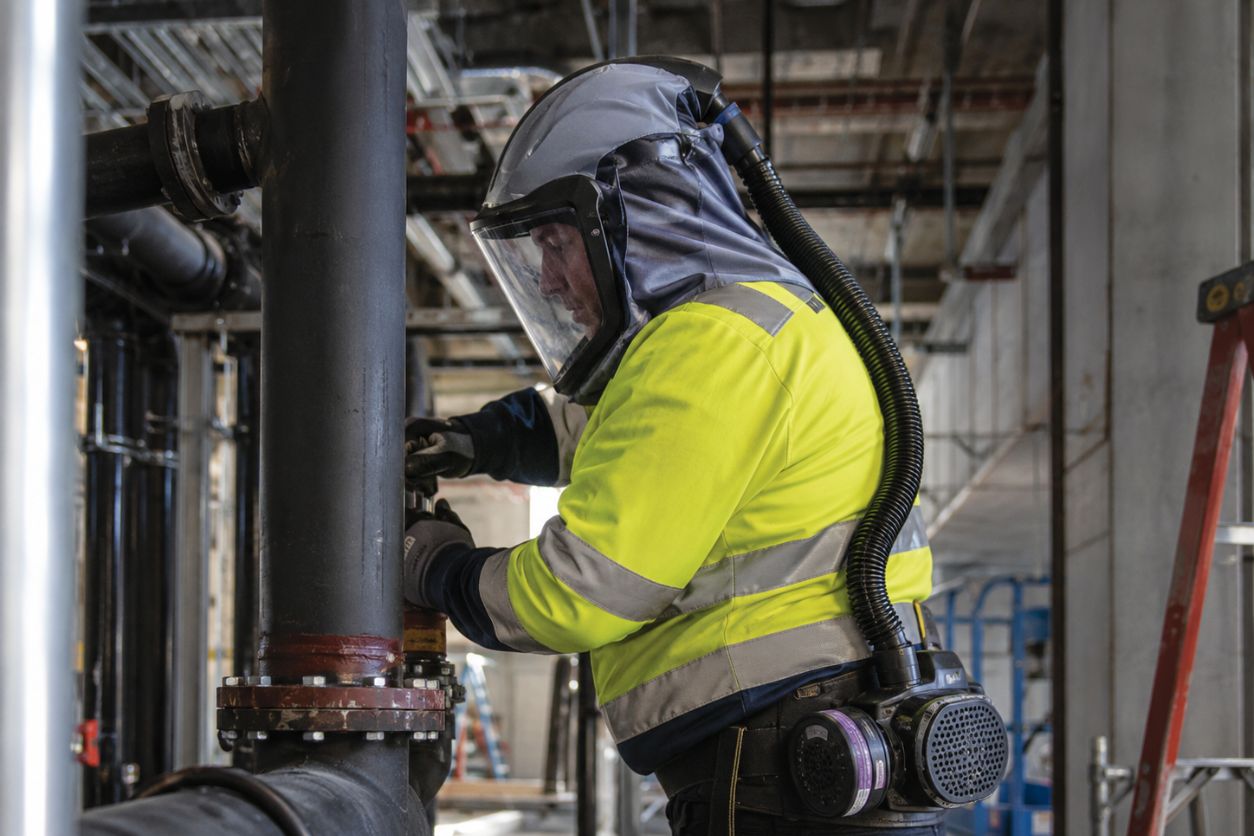
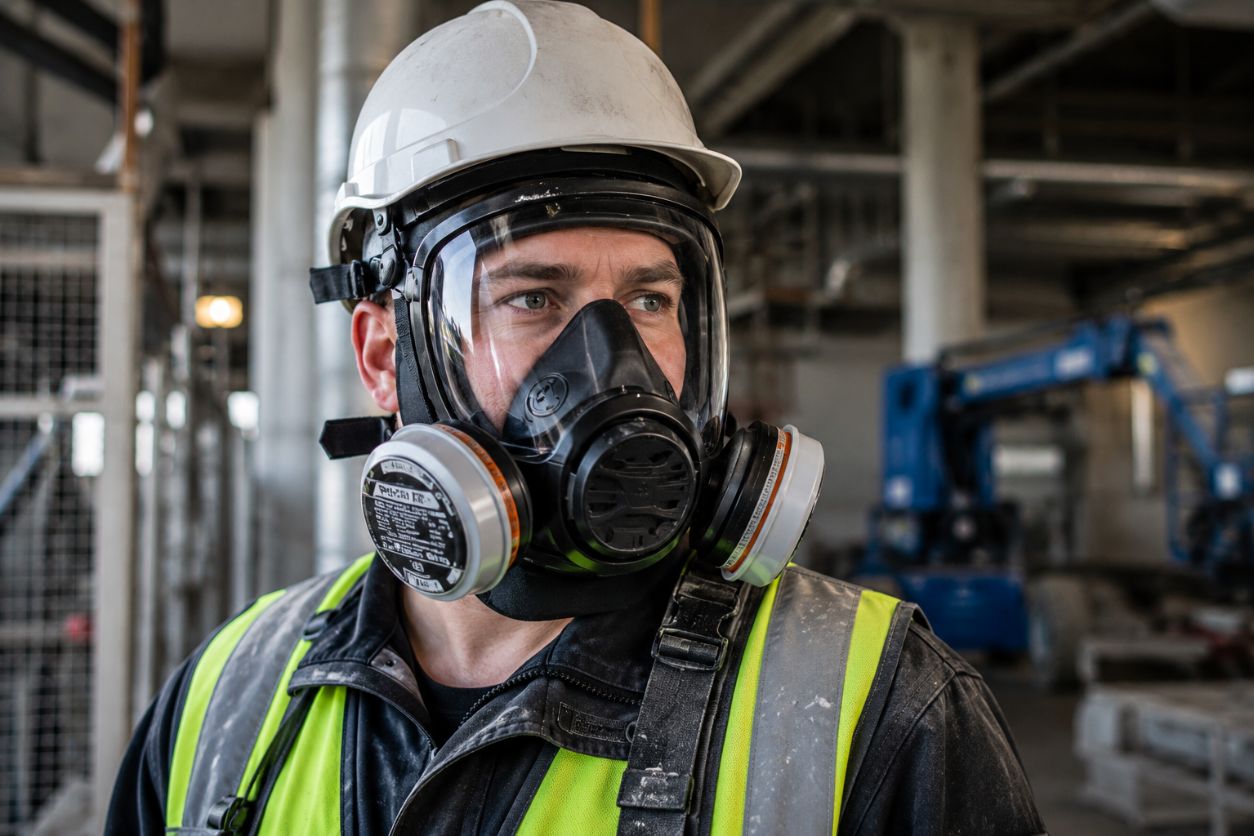
In higher exposure environments, a full face dust mask is often considered because it provides a wider level of protection across the face while allowing the wearer to remain protected during longer periods of work.
How Exposure Length Changes Mask Requirements
Short tasks with brief exposure can sometimes be managed using lower levels of respiratory protection. Problems tend to appear when exposure continues across much of the working day.
As work rate increases, breathing demand rises. Masks that feel manageable to wear at low effort can become uncomfortable or difficult to tolerate during physically demanding tasks. That change often leads to adjustments during use, which can lower protection.
Extended exposure periods can make a full face dust mask a more stable option, particularly when eye protection is also required as part of the task.
What Extra Protection Does it Provide?
One key difference between half masks and full face options is the area they protect. Designs that cover the entire face extend protection beyond the mouth and nose to include the eyes.
Eye irritation and reduced visibility can occur where airborne material affects the eyes as well as breathing. In those situations, issuing separate eye protection alongside a half mask can create compatibility issues or gaps in protection.
A single unit can combine respiratory and eye protection. Using a full face dust mask can reduce the number of items a worker needs to manage while maintaining protection across the face.
When Eye Protection Alters Requirements
Eye exposure is sometimes overlooked when focusing on respiratory hazards. Fine dust can irritate eyes or reduce visibility.
Work such as sanding or cutting masonry often generates airborne material that affects both breathing and vision. Using separate goggles may help, though compatibility between goggles and masks can vary.
Tasks that require continuous eye protection can be simplified through the use of a full face respirator, reducing the chance of equipment interfering with itself.
How Workplace Assessments Guide The Choice
Risk assessments remain the starting point for any decision. These should identify the type of dust present and how long people are exposed.
Reviews should also consider who carries out the work and how frequently. A task performed occasionally by a person in one role may need a different approach from work completed daily by several people.
Where sustained exposure or combined respiratory and eye risk is identified, a full face dust mask is often listed as a suitable option to manage those conditions.
What UK Standards Apply to Full Face Masks?
Respirators that cover the entire face must meet relevant product standards. These standards define testing requirements and performance criteria.
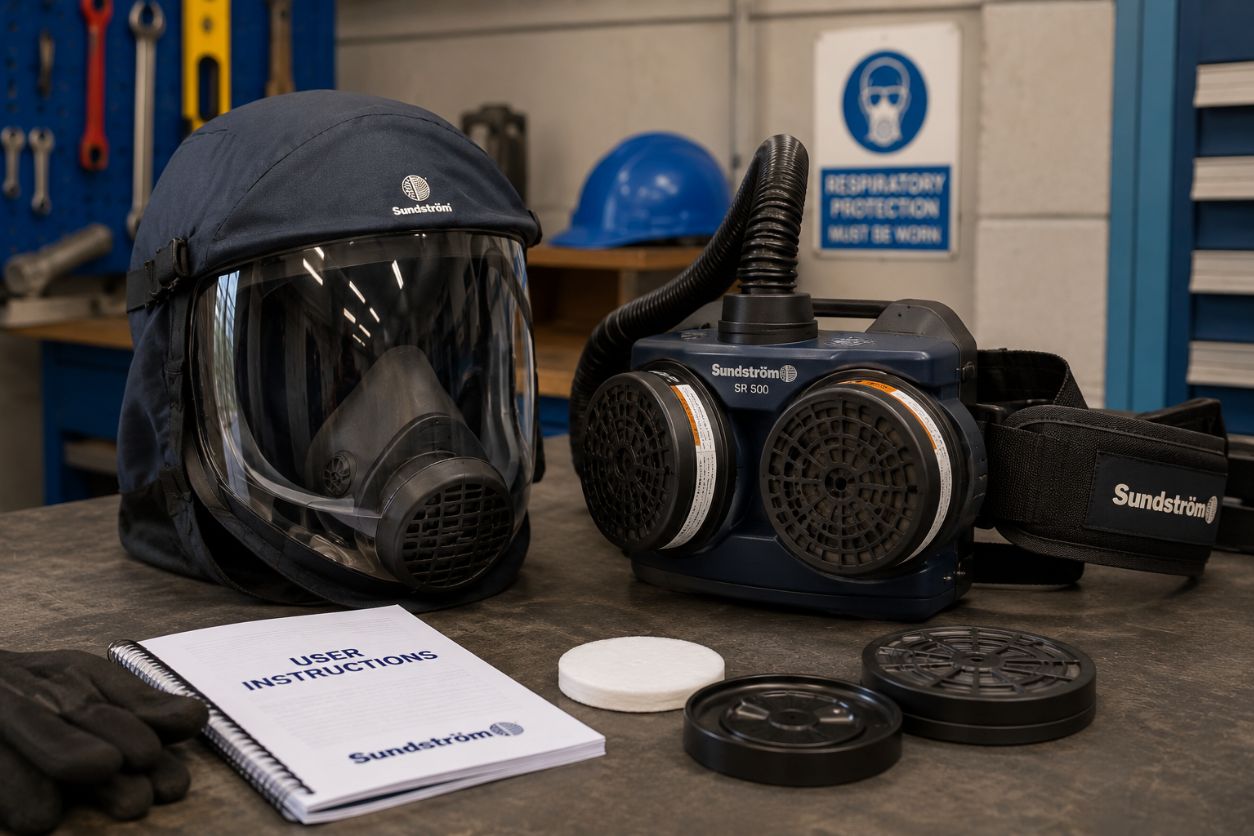
Reusable respirators that cover the entire face typically fall under EN 136. Filters used with them are tested to EN 143 or EN 14387, depending on the hazard present.
Selection should also align with UK legal requirements under COSHH and the Personal Protective Equipment at Work Regulations. Documentation should show why a full face dust mask was chosen and how it meets the assessed risk.
If you need guidance on reviewing your current respiratory setup or checking whether existing equipment still matches the work being carried out, speak with us about available options and assessment support.
How Maintenance Influences Ongoing Performance
Reusable respiratory equipment depends on regular care. Poor maintenance can reduce protection and shorten service life.
Supervisors usually manage maintenance through a small number of routine checks:
- Inspect the facepiece for visible damage before use
- Replace filters based on exposure and manufacturer guidance
- Clean the mask after use and store it away from contamination risks
Planned routines help keep a full face dust mask ready for use and reduce the risk of equipment being used beyond its intended condition.
What Training is Needed For Routine Use?
Consistent use improves when people understand what the equipment is designed to do and how it should be handled.
Training usually focuses on a short set of practical points:
- How to put the mask on and remove it correctly
- How to recognise when filters need changing
- How to check that the equipment remains in good condition
Clear instruction helps teams treat a full face respirator as routine equipment and treat it as routine equipment used during regular work.
What Situations May Not Require a Full Face Mask?
Not every environment needs the highest level of protection. Some tasks involve limited dust generation or very short exposure, where a full face dust mask would add unnecessary complexity.
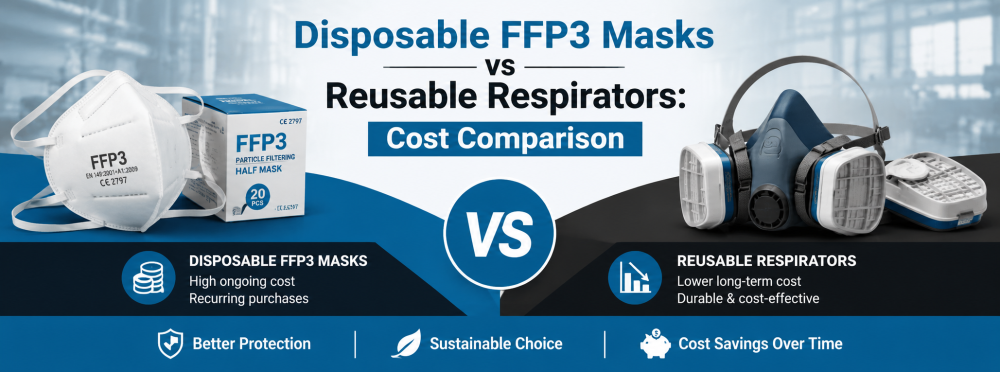
Lower levels of respiratory protection can meet the assessment findings without adding unnecessary complexity. Issuing higher-level equipment where it is not required can reduce comfort and discourage consistent use.
The strongest approach is to align protection with the actual risk instead of issuing the same equipment across every role. In lower-risk tasks, a full face dust mask may not be required.
How to Decide if This Mask Type is Necessary?
Decision-making should always return to exposure and task behaviour. Where dust affects both breathing and eyes, or where exposure continues for long periods, higher levels of protection often provide more consistent results.
A full face dust mask may not suit every role, though it can address combined risks in demanding environments. Equipment should be matched to how work is actually carried out.
To review suitable options for your site and discuss availability, contact us and our team can help you compare approaches based on your working conditions.