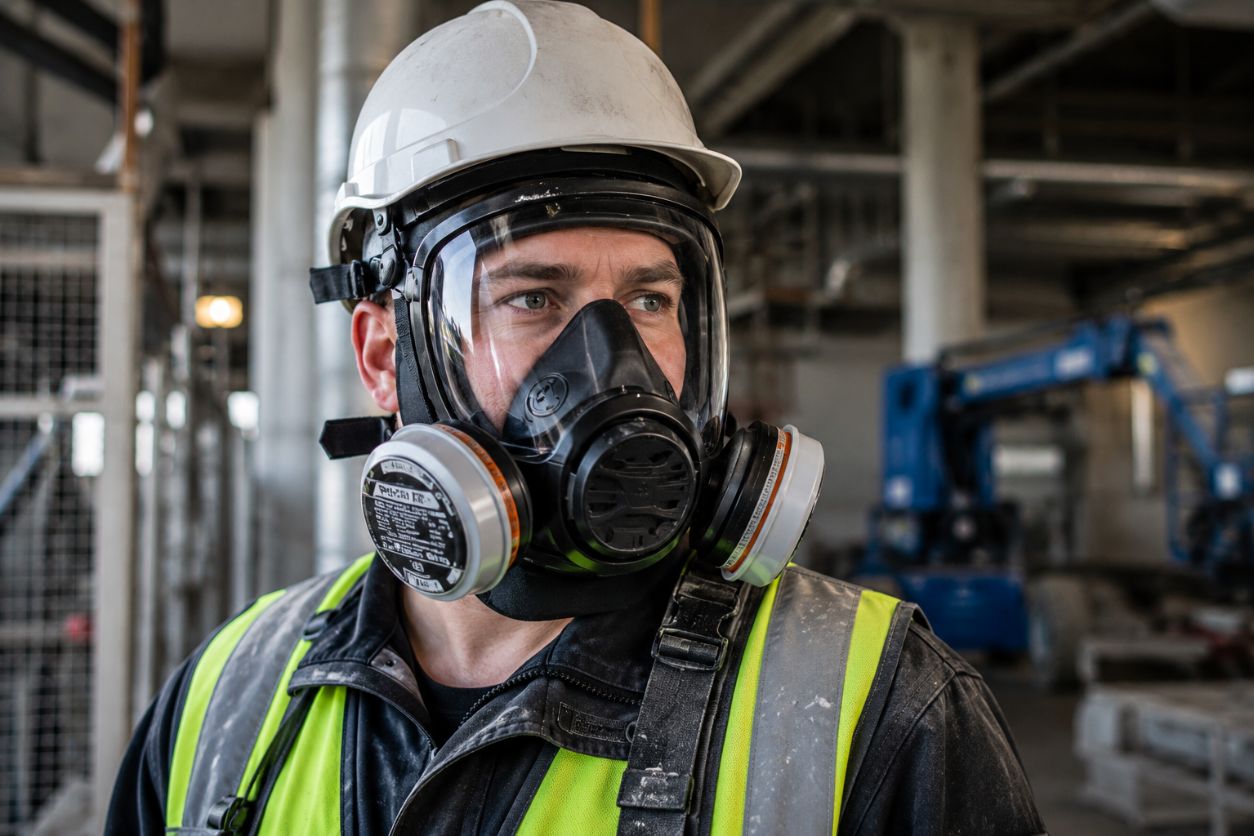

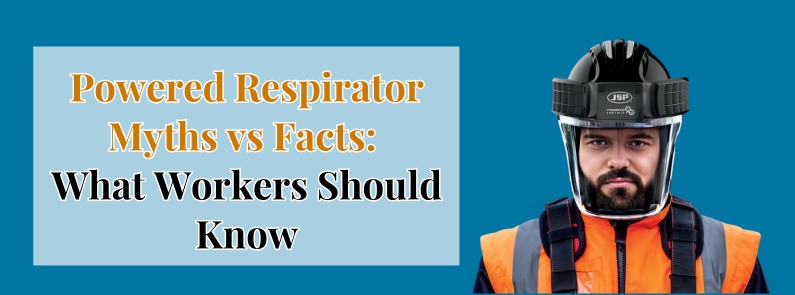
When it comes to powered respirators, you must have heard or thought these questions: “Aren’t these bulky?”, “A regular mask is good enough, right?”, “Wouldn’t it be difficult to work by wearing this?”
Whether on a worksite or in healthcare settings, there are myths about respiratory protection that spread faster than the truth. The danger of those myths can quietly chip away at the very thing you depend on the most, which is your health.
The fact is that powered respirators are designed to make breathing easier for longer shifts without compromising on the filtration efficiency. They are not clunky or unnecessary add-ons that many employees or workers imagine. So, let’s understand more about such myths that revolve among employees and learn about the truth.
Common Misconceptions About Powered Respirators
Misconceptions regarding powered air purifying respirators (PAPR) are rather common. It's critical to distinguish fact from fiction when choosing the best breathing equipment for you or your employees. To help you make an informed choice, let's debunk six of the most prevalent falsehoods.
Myth #1: Every respirator and surgical mask fits the same way.
Fit is important when it comes to preventing infections. A respirator or mask that fits poorly or is worn incorrectly may lessen the benefits it is supposed to provide, according to the CDC. Given the size and form of the face, the goal of using surgical masks and respirators correctly is to minimise gaps and have the tightest seal possible. Remember that facial hair affects fit and functionality, particularly when using an N95.
Myth #2: The respirator seal is unaffected by facial hair.
Facial hair, even short stubble, can create tiny gaps between your skin and the respirator’s seal. These gaps stop the mask from sitting flush against your face and allow polluted air to slip around the filters and straight into your breathing zone.
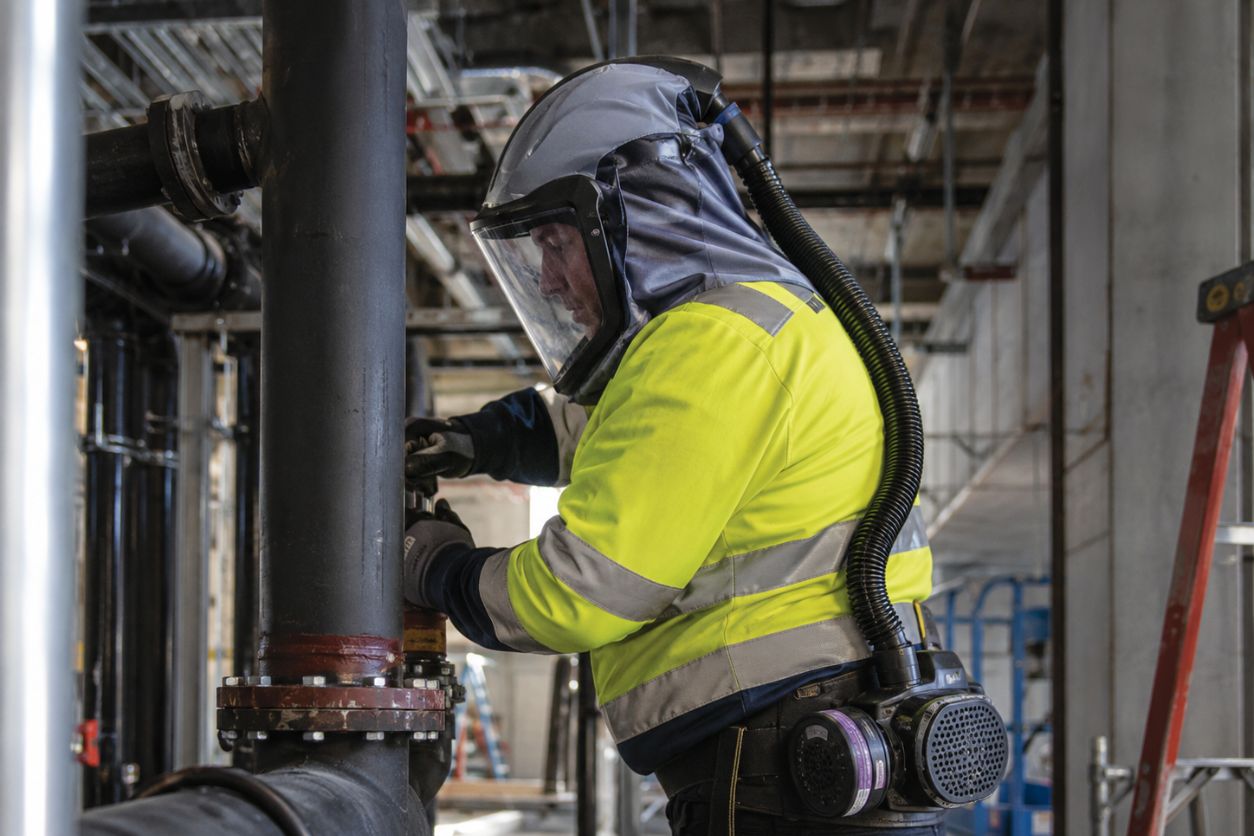
Workers are generally required to wear tight-fitting respirators on a clean-shaven face to ensure a proper seal. However, in cases where workers are unable to shave, then a Powered Air-Purifying Respirator (PAPR) with a loose-fitting hood, such as certain 3M models, can be used instead since it doesn’t rely on a tight face seal.
Myth #3: You can be around formaldehyde as long as you are wearing a respirator.
The idea that a respirator alone makes it safe to be around formaldehyde is wrong. OSHA rules state that if your job involves working with formaldehyde, you need a full face respirator that filters the air, using a canister or cartridge designed for formaldehyde. A half-respirator mask can only be used if it has a cartridge that protects against formaldehyde, and you also wear airtight goggles.
Myth #4: Adequate ventilation can reduce the need for PAPR respirators.
Ventilation and respiratory protection are two different things, and have nothing to do with one another. Ventilation reduces the contaminants in an environment, but does it eliminate them? No.
However, a PAPR respirator provides direct personal protection by delivering clean and fresh air to the worker. This air has all the hazardous particles filtered out and doesn’t pose a serious risk to the wearer’s health.
The masks are made to remain in place while performing various chores, which minimises the chance of exposure during changes. They protect the head, neck, and face against irritants, welding flashes, and particulates.
Myth #5: If workers want to wear respirators, the organization won't have to set up a respiratory protection policy.
Depending on the kind of respirator used, some parts of OSHA's rules for respiratory protection must be followed. Workers must pick the appropriate respirator, track it, and keep it clean. If workers choose to use a filtering facepiece respirator, such as an N95, or a half-mask respirator with cartridges, the employer needs to give the employee a copy of Appendix D or the state equivalent and ensure they are healthy enough to wear the respirator.
Myth #6: Oxygen deficiency and carbon dioxide buildup may occur when wearing a mask.
Effective airflow is made possible by respirator masks like N95/FFP2 respirators, which filter dangerous particles. They don't result in an accumulation of CO₂ or an oxygen shortage. Studies show that while CO₂ levels may rise a little, they will stay within safe bounds and not be harmful to health. Healthcare workers can wear these masks for extended periods of time without experiencing any unwanted side effects.
Important Facts About Powered Respirators
Here are some important facts that one should know about powered respirators:
The powered respirators can protect against a range of pollutants, including fine dust and particles from grinding and cutting, solvent, paint, chemicals, toxic gases and vapours, and bacterial and biological contaminants.
The respirator actively supplies air, so workers don’t need to draw air through the filter themselves. This helps in reducing fatigue, especially in hot or high-exertion environments.
Unlike standard respirators, PAPRs push filtered air in, creating a slight positive pressure. This means even if the seal isn’t perfect, contaminated air is less likely to leak in.
The PAPRs have filters that remove up to 99.97% of hazardous airborne particles, and the positive airflow keeps the contaminants out. The Assigned Protection Factor (APF) determines the effectiveness of a PAPR (the higher the APF value, the better the protection).
There are some models of PAPRs that allow you to communicate easily without removing the mask. Some respirators even have clear visors or face shields, which makes seeing and talking simpler.
Many PAPRs reduce heat buildup inside the mask and provide a steady flow of cool air, which can help with longer wear times.
Do Not Fall Prey To The Myths: Know Your Respirators Today!
Protecting the public's and employees' health requires the use of respiratory face masks. They are often observed in workplaces, including mines, farming lands, and congested areas, after previously mainly being found in hospitals and other healthcare facilities.
Accurate knowledge of respiratory protection equipment is required for worker health and workplace safety. Protective Mask Direct helps you select the best air-fed masks and respirators with a diverse range from top brands, and lets you breathe safely in the most hazardous conditions. Shop now!