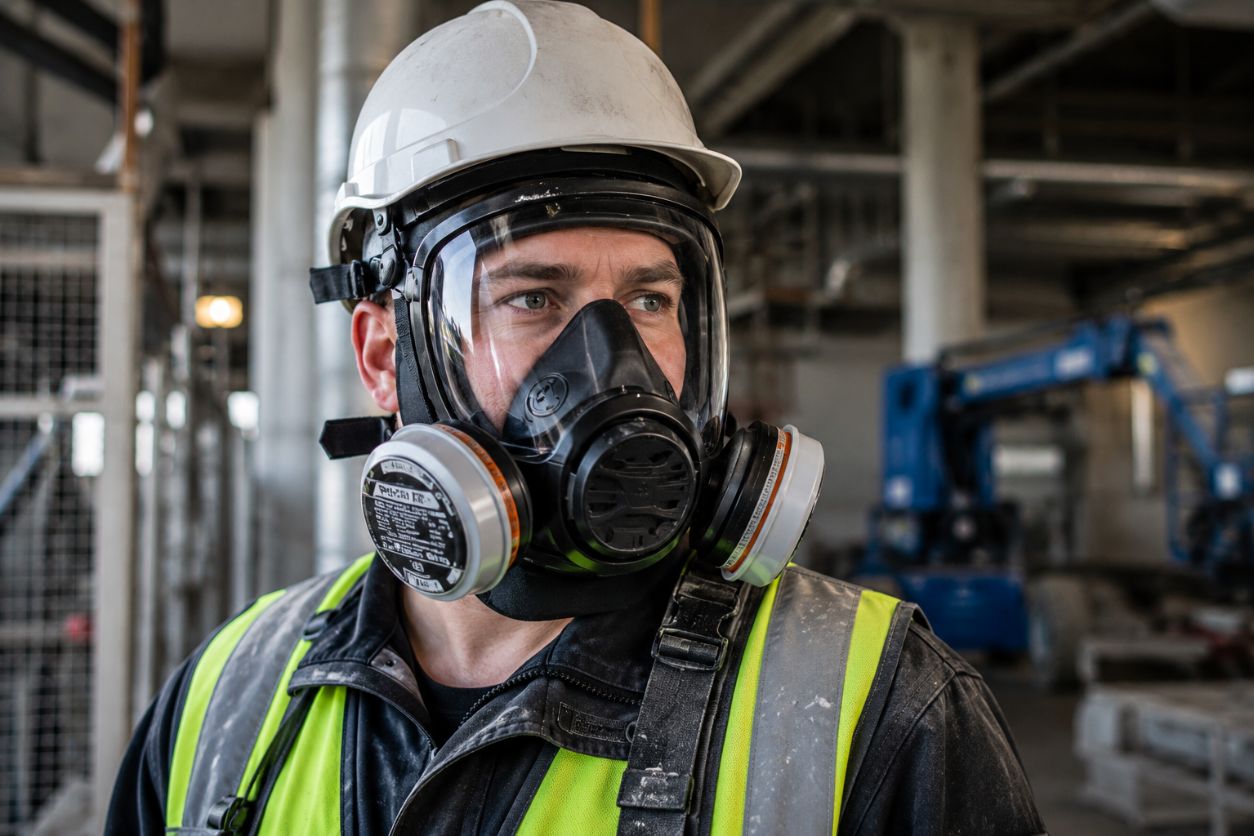

Most high-risk worksites rarely struggle to identify respiratory hazards. The challenge is choosing equipment that people can wear for the full duration of exposure, across changing conditions, while still meeting compliance expectations.
Disposable respirators can work well for short, controlled tasks. Yet many workplaces now deal with longer wear times and higher work rates, often alongside mixed hazards. Staff may also need head protection and eyewear. In those conditions, powered systems have become a requirement.
This is driven by how work is carried out and how long exposure lasts. Consistent wear during exposure is the deciding factor.
What Increases Respiratory Risk?
Higher exposure typically involves prolonged time in dusty air or frequent movement. These situations also tend to involve multiple teams working in the same area, which means respiratory hazards can affect people who are not directly generating dust or fumes.
Planners also need to account for how a respirator that feels restrictive or fogs eyewear often ends up adjusted or removed, creating the exact gap in protection that safety teams are trying to avoid.
How do Powered Systems Change Wearability?
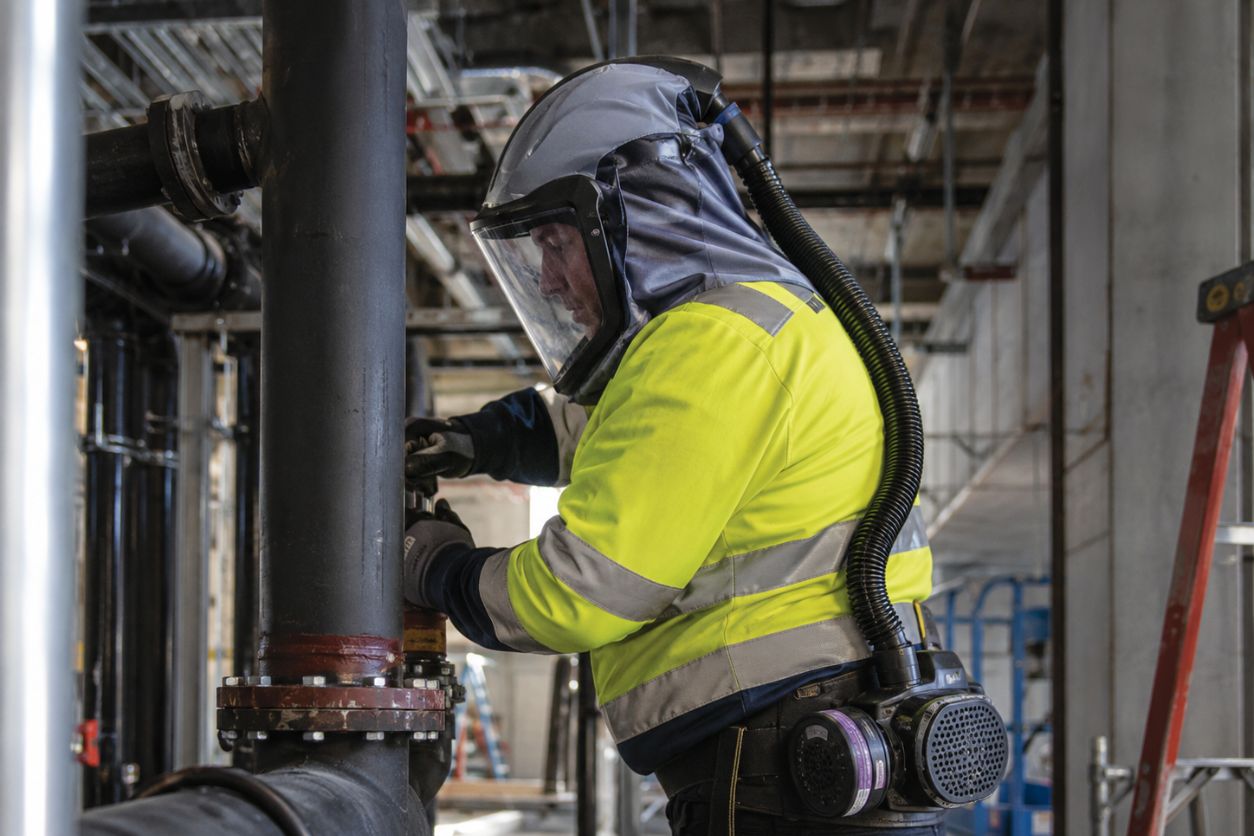
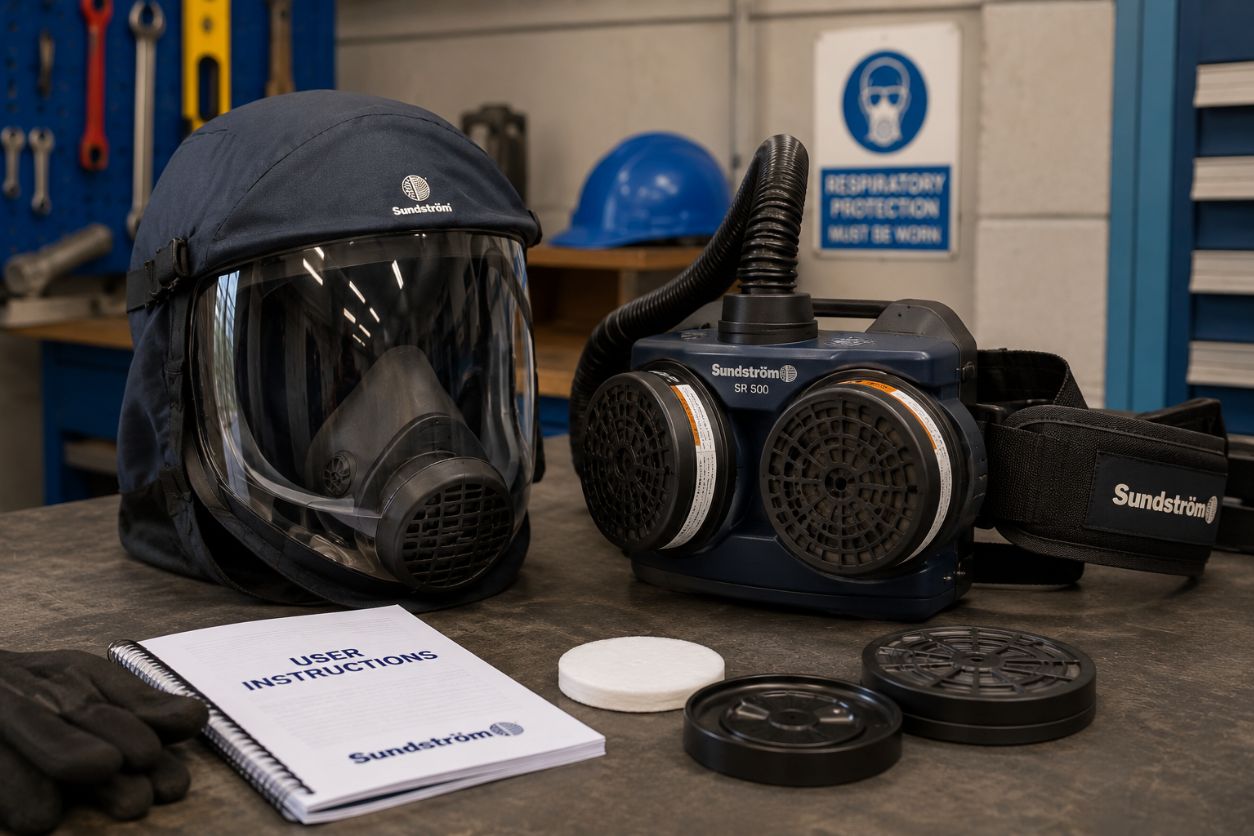
A powered air purifying respirator uses a battery-driven unit to move filtered air into a hood, helmet, or facepiece. Instead of relying only on the wearer’s lungs to pull air through a filter, the system supplies a steady flow of cleaned air.
That matters during physical work as powered systems become easier to tolerate during demanding tasks, supporting more consistent protection.
A second advantage is compatibility. A powered air purifying respirator can be specified with headgear designed to work alongside other protective equipment, which helps sites standardise how they are issued.
Which Worksite Conditions Drive Powered Respirator Adoption?
A powered air purifying respirator tends to be adopted on sites where unpowered options struggle during actual use.
Longer periods in dusty zones increase discomfort with unpowered masks that rely on a close skin seal. Supervisors also see issues where respirators need frequent changes through the day, which creates waste and friction.
Temperature and humidity also influence choices. Warm environments can increase sweating and discomfort, making consistent wearing of masks harder to maintain. A papr respirator can help reduce the feeling of resistance during breathing.
Which UK Regulations Apply to Powered RPE?
Selection still needs to follow UK legal requirements under COSHH and PPE at Work Regulations. HSE guidance also expects RPE to be adequate and suitable for the wearer and the working environment.
A powered air purifying respirator is usually selected after a workplace assessment confirms exposure and duration, plus any practical constraints on using other RPE types.
Key expectations that procurement teams in the UK normally document include:
- Risk assessment under COSHH for airborne hazards
- Selection rationale linked to task duration and work rate
- Training on use, inspection, and storage
- Maintenance routines for reusable systems
Procurement teams should also check product standards applicable to the type being purchased. A powered air purifying respirator may be supplied with different headgear options and different filter types, so technical selection needs to work with whatever substances are present.
How to Choose Filters For Workplace Hazards
Filters are chosen based on what is in the air. Dust hazards require different filters to gas or vapour. Some tasks also involve combined exposure, so the filter arrangement needs to address that.
These systems can use particulate, gas, or even combined filters, depending on the system and the hazard. Selection should follow manufacturer guidance and site assessment. Staff also need clear replacement rules, since a filter that is beyond its service life cannot perform as intended.
Practical questions that help supervisors select the right filters include:
- What substances are present during the task?
- How long does exposure last for each job?
- How often does said job take place?
- How will supervisors confirm replacement timing?
These sound administrative, but they directly affect how a powered air purifying respirator performs on site.
Why Comfort Matters During Extended Wear Periods
Comfort decisions should be treated as safety decisions. Workers are more likely to keep equipment on if it does not interfere with their vision, communication, or movement.
A powered air purifying respirator can help in tasks that run beyond short periods, where unpowered respirators can become uncomfortable. Guidance often highlights that this can happen during continuous wear and may be removed or loosened.
It also helps to consider how the headgear behaves during active work. A hood or helmet can reduce pressure points, reduce the feeling of heat build-up around the face.
Need some guidance? Chat with us.
What Maintenance Planning Helps?
A powered air purifying respirator is reusable equipment, so availability depends on routine care. Where powered units are shared, an issue method and cleaning responsibility needs to be clear:
- Clean headgear after use using manufacturer guidance
- Inspect seals and air pathways during issue checks
- Recharge batteries on a scheduled cycle
- Replace filters to a defined timetable based on exposure
- Store units in a clean, dry area away from contamination
These routines help prevent downtime and reduce the risk of staff using a unit that is not ready for safe use.
What Training Prevents Mishaps?
Training should be practical and task-based. Staff need to understand how to put the system on and how to check it before storing between tasks.
A papr respirator also needs training on battery charging, basic inspection, and what to do if airflow drops or alarms activate.
Managers should also train supervisors on what to look for during site checks. A quick visual review is not enough on its own. Supervisors need a short checklist that confirms the unit is operating and the filter type is appropriate for the task.
Which Checks Cut Disposable Waste When Ordering?
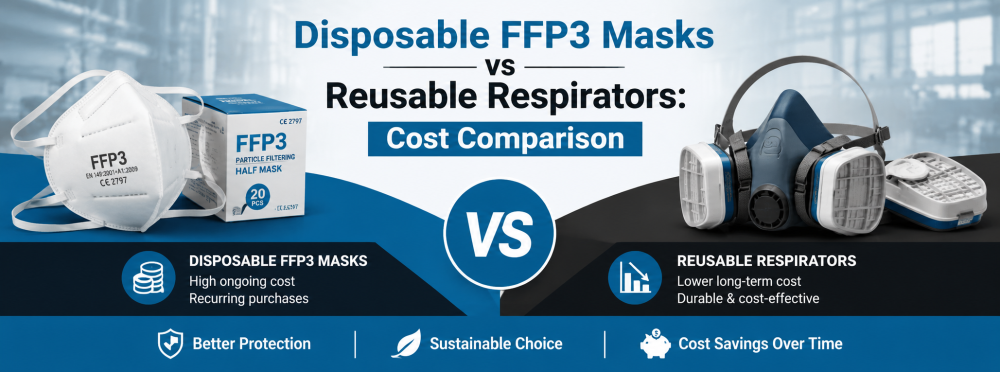
Powered systems can reduce waste created by large volumes of disposables, yet procurement still needs a structured approach. Pricing should be considered alongside wear time, filter replacement, and the time supervisors spend issuing equipment.
A powered air purifying respirator purchase is often justified where disposable use becomes intensive. Sites may also prefer powered systems to reduce the number of face fit tests needed across teams, depending on the headgear type selected.
A clear plan helps a powered air purifying respirator programme run predictably and avoids rushed buying under pressure.
Need Help Selecting Powered Respiratory Equipment?
Work that takes place over a long duration often requires equipment that people can wear consistently across long tasks. A powered air purifying respirator can provide that consistency while supporting site compliance and improving acceptance among workers.
We supply a wide range of powered respiratory options, filters, and related PPE. Contact us to discuss your tasks and select the best solution.