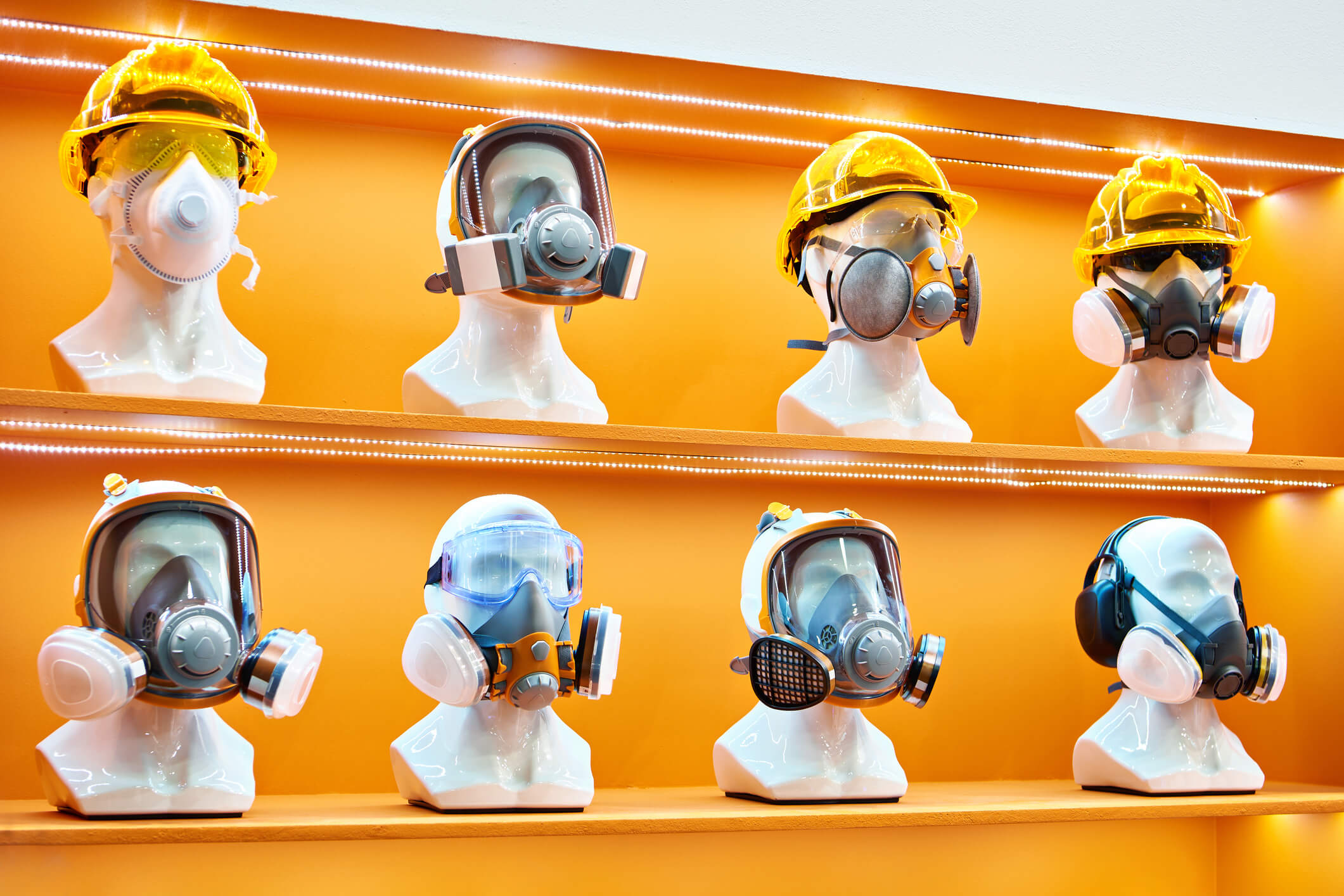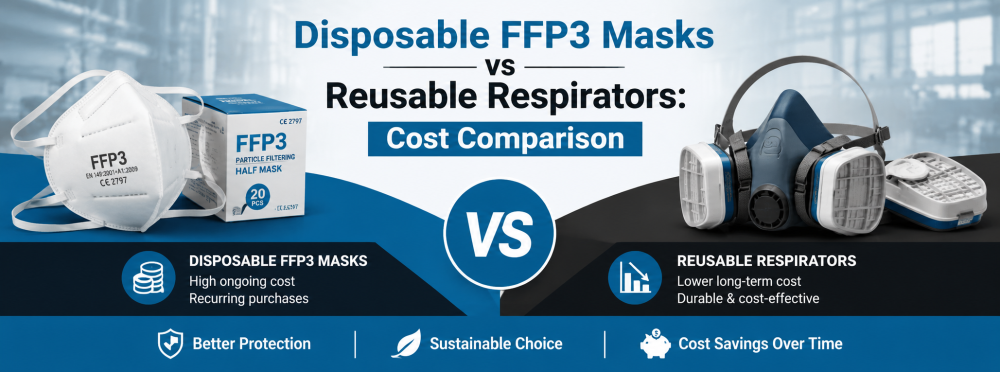

Airborne dusts, fumes and mists still appear even in workplaces that have good extraction practices. Tight-sealing disposable masks help for many jobs, yet there are times when they feel hard to wear for long periods or struggle to deal with heavier exposure. In those situations, powered air systems can make breathing easier for people who need protection all day.
How do Powered Air Systems Work?
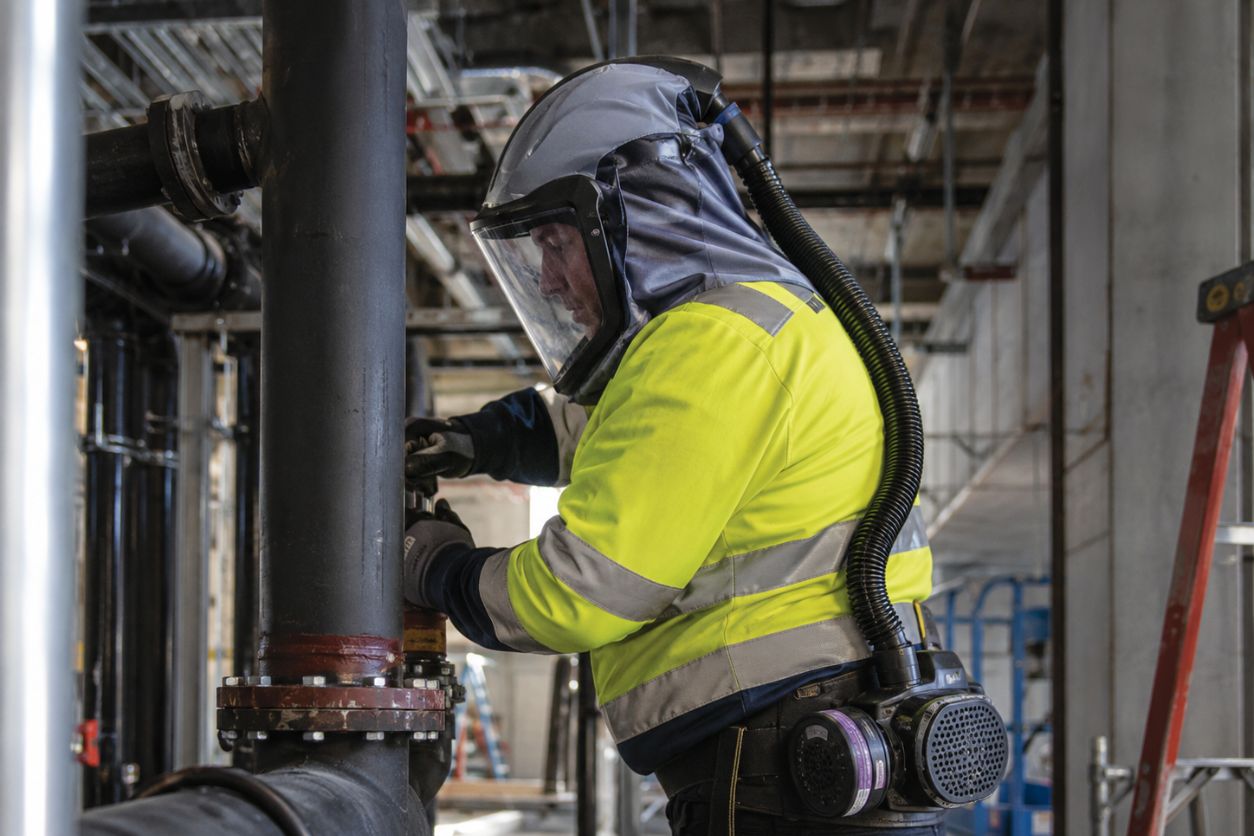
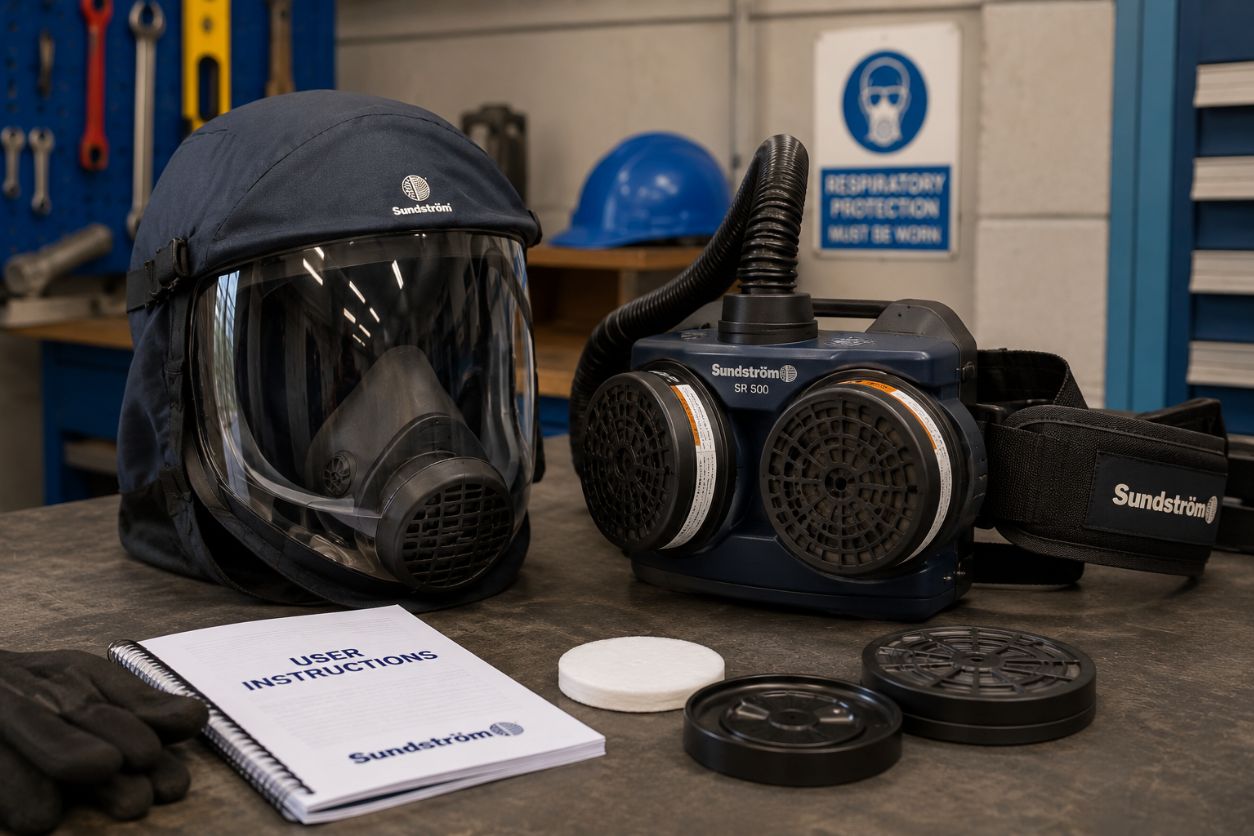
Powered units draw air through filters with a battery-driven fan, then deliver it to a full face mask. Instead of relying on lung power alone, a gentle flow feeds cleaned air into your breathing zone. This positive pressure reduces inward leakage and helps the wearer feel less strain while working. Some systems can be placed on a belt, while others can be put on the back with a hose leading up to the head gear. Different filter types are chosen to suit the airborne material identified in your risk assessments.
Who Gains Most From These Units?
Workers who spend most of their day in dusty or fume-heavy areas often struggle with disposable masks. Workers in this position find that an air purifying respirator helps them maintain protection through demanding work without constant mask changes. People who wear glasses, or those who struggle to get a dependable seal with standard half-masks, can also benefit from powered systems, especially when full face or hooded options provide an even airflow.
How do They Change Daily Comfort?
Comfort really determines how long any respirator stays on the face. Breathing resistance drops when workers switch to a powered air purifying respirator because, as the fan unit moves air through the filter, there’s less effort on every inhalation inside the head gear. Continuous airflow can reduce fogging on visors and lenses, making it easier to concentrate. When breathing feels natural, people are more likely to wear their equipment from the start of the job until the end.
What Helps Breathing in Hot Conditions?
Hot environments like foundries or commercial kitchens can quickly sap energy, while confined mechanical rooms can feel even more demanding. Fresh filtered air from a powered air purifying respirator can bring a light cooling effect as it flows across the scalp and face. This helps staff remain focused during welding, grinding and other heavy manual jobs. In spaces where heat and airborne hazards combine, powered air gives a more tolerable experience than a tight filtering mask that traps warm air around the nose and mouth.
How Integrated Visors Protect Your Eyes
Eye safety is central in jobs that generate flying debris, grinding sparks or fine dust. Full-face powered units combine respiratory and eye protection in one piece of kit. A powered air purifying respirator with a large visor offers a wide field of view, making it easier to see what is around you and to notice small defects during inspection work. Because the air supply passes across the visor, fogging is less likely than with standard safety glasses worn behind a disposable mask.
Which Jobs Benefit From Powered Air Protection?
- Not every role needs a powered air respirator, yet some jobs consistently push exposure higher. Examples include:
- Cutting or chasing concrete during refurbishment work
- Machine sanding hardwoods or MDF in a joiners
- Welding and grinding in somewhere with limited extraction
- Mixing powders for coatings, food production or pharmaceuticals
- Cleaning down plant with heavy dust build up
In each of these cases, a powered air purifying respirator can help maintain a high level of protection through tasks that last far beyond a few minutes.
Looking for help comparing powered options for different work areas? Contact us and we will guide you through suitable units and filters.
How Can These Systems Aid Compliance?
Supervisors and safety managers must show that respiratory risks are being handled. A powered air purifying respirator with the right filters can bring a clear Assigned Protection Factor that aligns with your written assessments. Because powered units often sit higher on the protection scale than disposable masks, they provide useful headroom where exposure measurements are close to workplace limits. Simple colour coding for filters and headpieces can help teams pick the correct unit for their job without needing to read every label in detail.
How to Maintain These Respirators
Any powered system depends on looking after the main parts such as filters and breathing tubes. Cleaning routines need to remove dust from housings, wipe sweat and grime from contact surfaces and inspect seals around filters. A powered air purifying respirator should be checked before they’re issued to confirm that airflow is strong enough and alarms, where fitted, still work. Batteries need charging points and to the ability for rotation, while storage areas should keep kit dry and away from accidental knocks between shifts.
What Should Buyers Ask About These Systems?
Before ordering, purchasing teams and safety leads can run through a clear question list.
- Which airborne hazards are present on each line or work area?
- How long staff need protection during a typical day?
- Which headpiece style makes sense for the tasks involved?
- How easy will it be to clean, inspect and store each unit?
- What spare parts and filters are available from the supplier?
Clear answers make it easier to select an air purifying respirator that suits both the technical requirements and the routines of your workplace.
How Can They Improve Team Acceptance?
Respiratory protection only works when people believe in it and feel able to use it properly. A powered air purifying respirator can help in training because the benefits are easy to feel as soon as the fan unit starts up. Staff can talk, move and bend without feeling their mask pull against their face. Clear communication through visors and hoods makes talks and safety briefings feel less remote. As the years pass, teams begin to associate powered systems with comfort and clear breathing rather than restriction.
How Does Powered Air Protect Breathing?
Respiratory illness often develops slowly, especially with dusts and fumes that build up across a working life. A powered air purifying respirator offers a higher level of protection for those who work closest to these hazards each day. Businesses that invest in powered systems show staff that breathing health carries real weight in planning decisions. That message encourages earlier reporting of issues and better use of other protective equipment.
If you would like guidance on powered options for your workplace, contact us. An experienced adviser will help you compare mask styles, units and filter options so you can choose the right powered air purifying respirator for you.