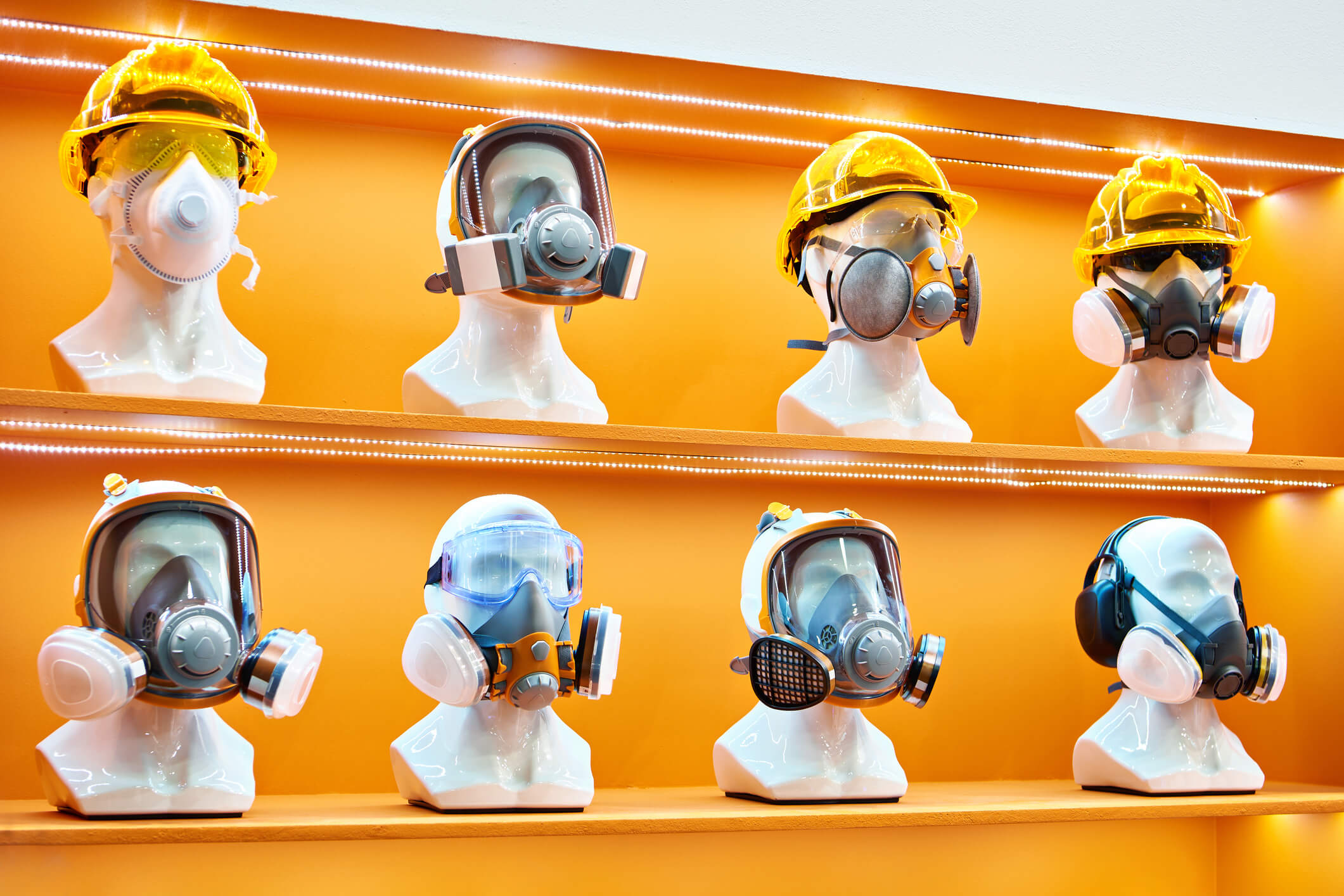
Workplace dust exposure is a constant risk in fire sprinkler system design and mechanical contracting. Prolonged inhalation of hazardous particulates compromises respiratory health and causes irreversible pulmonary damage. You need to source appropriate PPE masks that meet certified EN149 regulations to protect your workforce and guarantee strict site compliance.
What Are the EN149 Regulations for PPE Masks?
EN149 is the European standard governing filtering half masks used for respiratory protection against airborne particulates. The regulation categorises equipment into three classes based on filtration capacity. Standardising around this requirement ensures workers get certified protection against industrial dust and aerosols.
The legislation defines exact performance requirements for protective gear used across industrial sites. Testing protocols evaluate total inward leakage and filter penetration under laboratory conditions using sodium chloride and paraffin oil aerosols to achieve certification. Safety managers rely on these benchmarks when specifying equipment for life safety systems and fire suppression projects, as uncertified products pose legal and physical risks to the workforce.
Understanding these technical baselines allows procurement teams to standardise their safety inventory across multiple sites. A certified framework provides direct proof that the specified equipment blocks the exact airborne hazards your builders encounter. You need to embed these standards into your corporate health and safety policies to prevent regulatory breaches and keep your team fully operational.
Why Do Mechanical Contracting Sites Require High Filtration PPE?
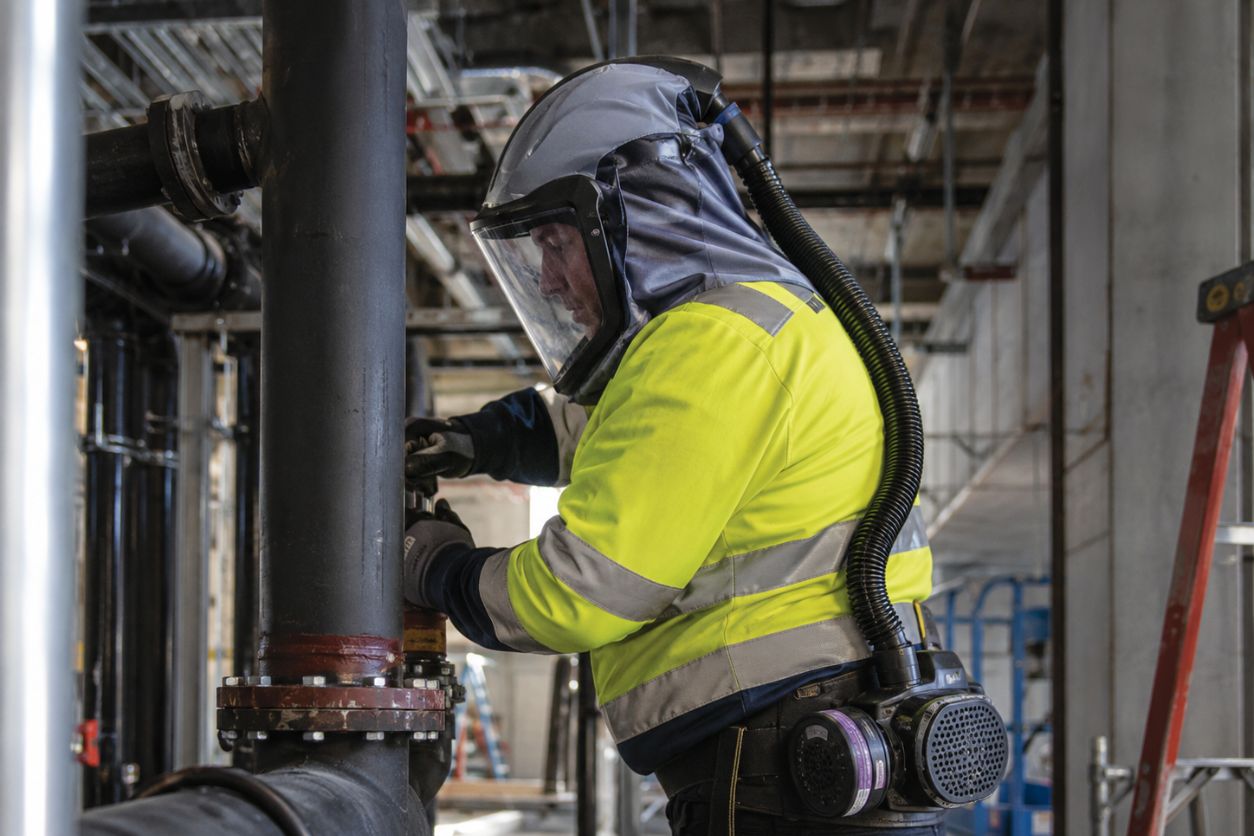
Mechanical contracting exposes workers to intense concentrations of hazardous particulate matter. Cutting metals and drilling concrete releases dense airborne contaminants directly into the breathing zone. Equipping your team with certified PPE masks prevents toxic inhalation and keeps your operations aligned with strict health directives.
Fire sprinkler installers frequently retrofit industrial spaces filled with legacy contaminants. Workers routinely encounter concrete silica during ceiling installations and metal fumes from pipefitting operations, demanding reliable respiratory protection. Supplying exact specification equipment prevents long-term respiratory damage for skilled tradespeople working in confined areas. It also ensures the selected masks perform consistently throughout demanding practical shifts.
Contractors operating within high-risk zones face severe financial penalties for providing inadequate safety gear. Your operational continuity relies entirely on keeping your workforce healthy and avoiding regulatory site closures. Sourcing proper, certified respiratory protection eliminates this business risk completely.
How Do FFP1, FFP2, And FFP3 Mask Classifications Differ?
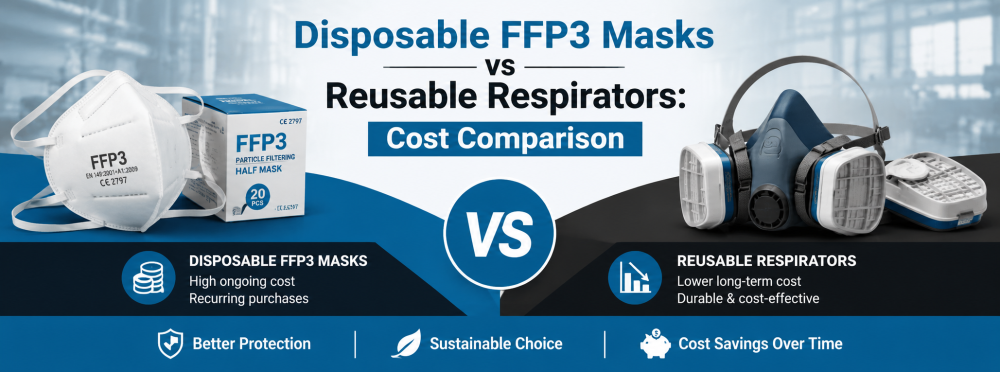
FFP classifications measure the precise filtration efficiency of respiratory equipment against hazardous aerosols. FFP1 filters out 80 percent of airborne particles, whereas FFP2 blocks 94 percent for moderate hazards. FFP3 provides maximum protection by filtering 99 percent of dangerous particulates, making it mandatory for heavy industrial applications.
Health and safety managers must match the correct classification to the specific site hazard. FFP1 models serve basic applications like hand sanding benign materials, whereas FFP2 equipment handles medium toxicity dusts encountered during standard building maintenance. Mechanical contracting teams facing heavy metal fumes require FFP3 protection specifically.
Stocking the correct tier of protection secures your site compliance immediately. Using an underpowered classification leaves workers entirely vulnerable to fine particulates bypassing lower density filters. We maintain large stocks of these categories to ensure you always have access to the exact European-certified rating your site demands.
How Procurement Teams Guarantee EN149 Site Compliance
Procurement teams ensure compliance by standardising the requisition of certified equipment across all facilities. Purchasing managers must verify supplier credentials and request formal documentation for every respiratory product. Securing reliable PPE masks through verified corporate channels eliminates the risk of counterfeit gear entering your active construction sites.
Securing the correct gear involves aligning protective specifications directly with documented site risks. Operations teams must assess the specific contaminants present during fire sprinkler system installation before authorising purchases. Buying safety equipment in bulk provides substantial financial savings for contractors and prevents critical shortages during large scale mechanical projects.
Our support team assists procurement buyers with technical specifications to ensure accurate product matching. Streamlining your purchasing process guarantees your teams receive gear backed by certified standards rather than guesswork. You can standardise your entire supply chain with proven protective products from our technical catalogue.
Why is Face Fit Testing Crucial for Respirator Masks?
Face fit testing confirms that respiratory equipment forms an adequate seal around the face of the individual wearer. A poor seal allows hazardous particulates to bypass the filter and enter the lungs directly. Complete site compliance requires regular, documented testing to validate the actual performance of tight-fitting masks.
Supplying high-quality equipment solves only half of the regulatory requirement for your operative teams on site. Any gap between the skin and the sealing edge compromises the defined protection levels, rendering the mask practically useless. Professional face fit testing guarantees your workforce receives the safety benefits from their allocated gear.
Site managers bear the ultimate legal responsibility for ensuring their staff understand how to wear gear correctly. Contracting firms need to request independent testing services directly to maintain strict operational compliance protocols. We leverage over 20 years of expertise to keep your teams fully trained and protected under UK and European standards.
What Are Common Airborne Hazards in Fire Suppression Work?
Fire suppression work routinely exposes operatives to concrete dust and residual asbestos during ceiling and structural modifications. Pipe welding generates toxic heavy metal fumes that require immediate respiratory filtration. Proper hazard evaluation determines the exact type of PPE face mask needed to protect workers from these specific atmospheric threats.
Industrial sites contain a dangerous mixture of legacy materials and active construction debris. A thorough site assessment typically identifies atmospheric threats like concrete silica generated during ceiling anchor drilling, or heavy metal oxidates produced through pipe welding. Providing the exact safety masks required counteracts these environmental dangers and keeps your site running legally.
You must conduct a dedicated hazard analysis before starting any fire suppression refit. Supplying generic dust masks for high-risk particulate exposure guarantees compliance failure. Matching the specific site compound to the corresponding EN149 mask classification prevents irreversible lung damage across your workforce.
Frequently Asked Questions About EN149 Mask Rules
Health and safety managers frequently require clarification regarding the lifespan and maintenance of industrial respiratory equipment. Most technical questions focus directly on usage limits and testing frequency for active sites. Reviewing these operational requirements helps your team maintain strict compliance standards across complex mechanical contracting environments.
What Is the Lifespan of Disposable Respiratory Equipment?
Disposable respiratory equipment marked with standard designation NR is certified for a single shift only. Workers must discard these units after eight hours of active use or when breathing resistance noticeably increases. Reusing disposable specific masks dramatically reduces filtration efficiency and violates baseline workplace safety regulations.
The structural integrity of the filter media physically degrades as it traps moisture and dense particulates throughout a shift. Accumulating hazardous materials on the outer layer creates a secondary contact risk if the worker touches their face. Supplying your mechanical contracting team with bulk orders of disposable gear ensures they always have a safe, fresh mask available.
Leaving used respirators hanging around canteens or vans creates cross-contamination hazards for the rest of the crew. You need to implement strict disposal protocols alongside your regular safety equipment distributions. Treating NR-rated masks as multi-day equipment guarantees regulatory failure during a site inspection.
How Often Should Workers Undergo Face Fit Testing?
Organisations must conduct face fit testing whenever introducing a new respirator model to the active workforce. Retesting must also occur if a worker experiences significant weight fluctuations or facial injury that alters their physical profile. Established industry practice recommends repeating this rigorous testing process completely every two years.
Routine fit verification prevents equipment from failing due to subtle changes in a person's physical facial structure over time. A mask model that fitted perfectly last year might offer insufficient protection today due to undetected seal leakage. Scheduling regular assessments protects the individual employee while shielding your broader corporate liability profile from regulatory fines.
Many supervisors mistakenly assume a one-time test covers an employee for their entire career. Skipping requested retests exposes your organisation to severe legal penalties if an employee later develops a respiratory illness. Locking regular testing intervals into your annual safety calendar prevents these compliance gaps entirely.
Why Source Compliance Equipment Directly From Specialists?
Protective Masks Direct provides over 20 years of technical expertise in strictly regulated respiratory safety gear. We supply certified equipment specifically designed for demanding environments like life safety systems and mechanical contracting. Securing your stock through a dedicated specialist ensures your workforce remains legally protected on active sites.
Sourcing PPE against European safety regulations requires a supplier who understands the exact mechanical hazards your team faces. We stock products defined by laboratory benchmarks rather than generic commercial claims. Contact us today for expert advice on certified PPE masks, face fit testing requirements, and bulk purchasing solutions designed for demanding industrial environments.