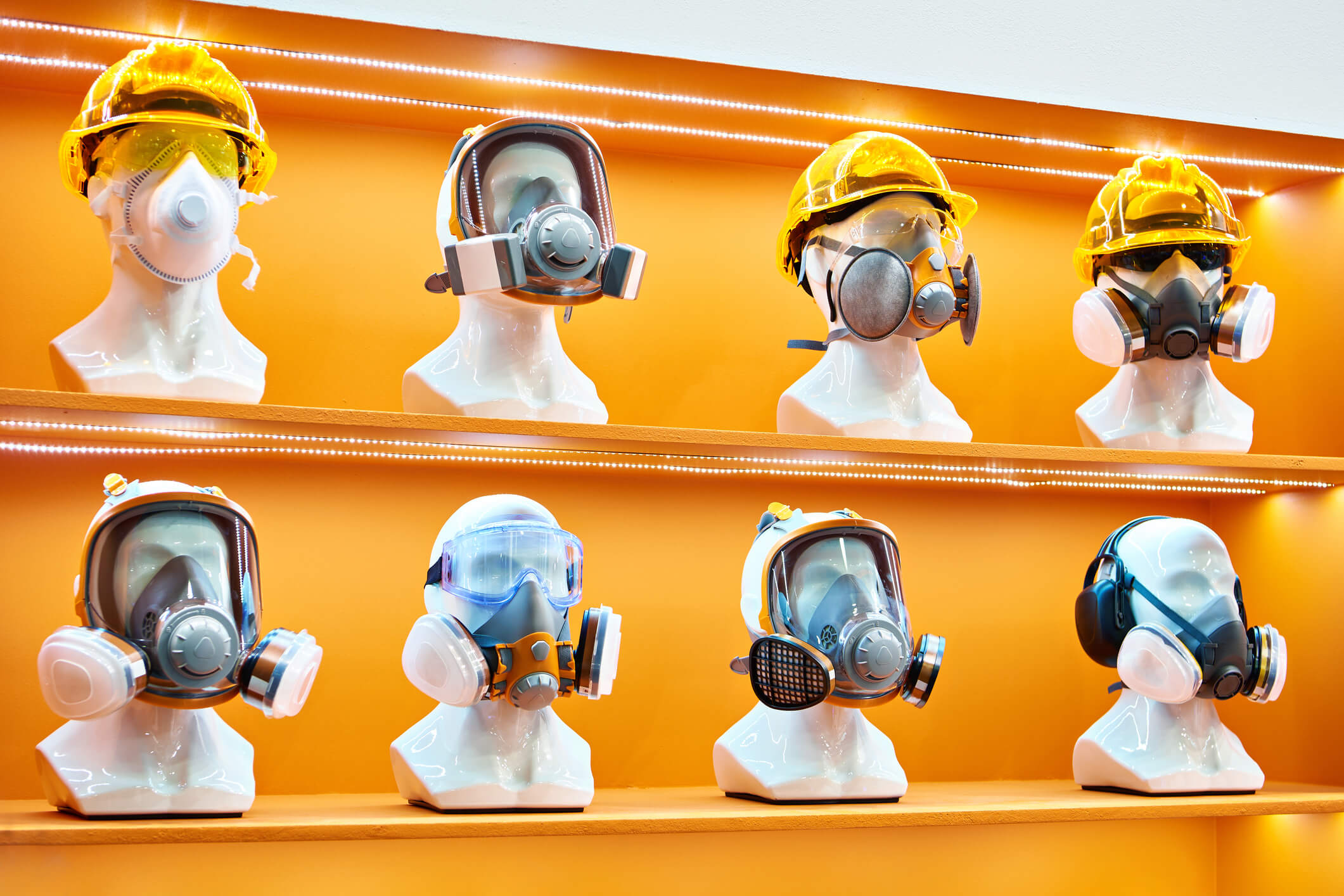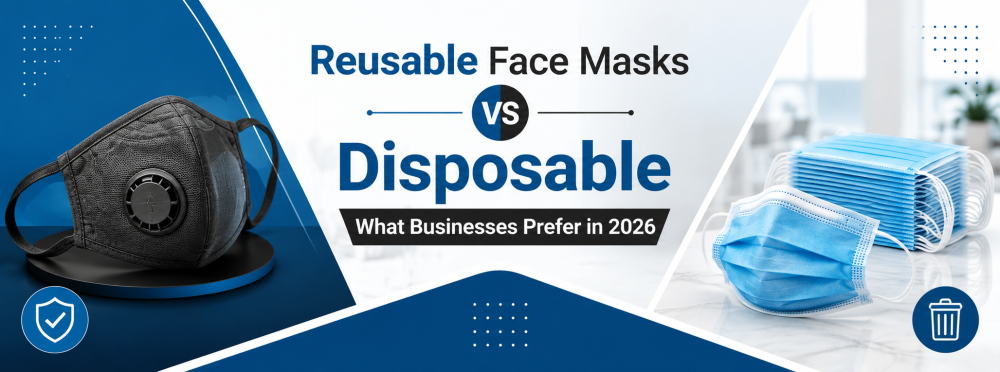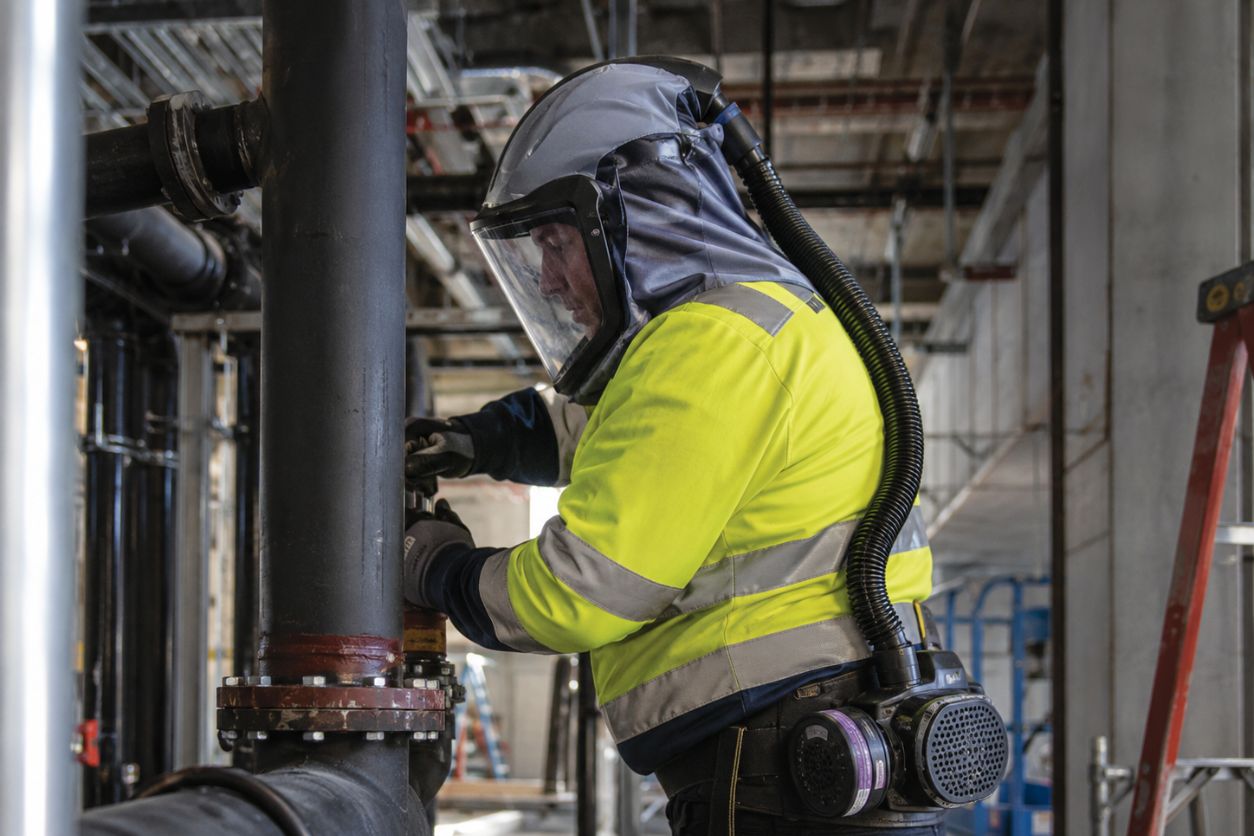
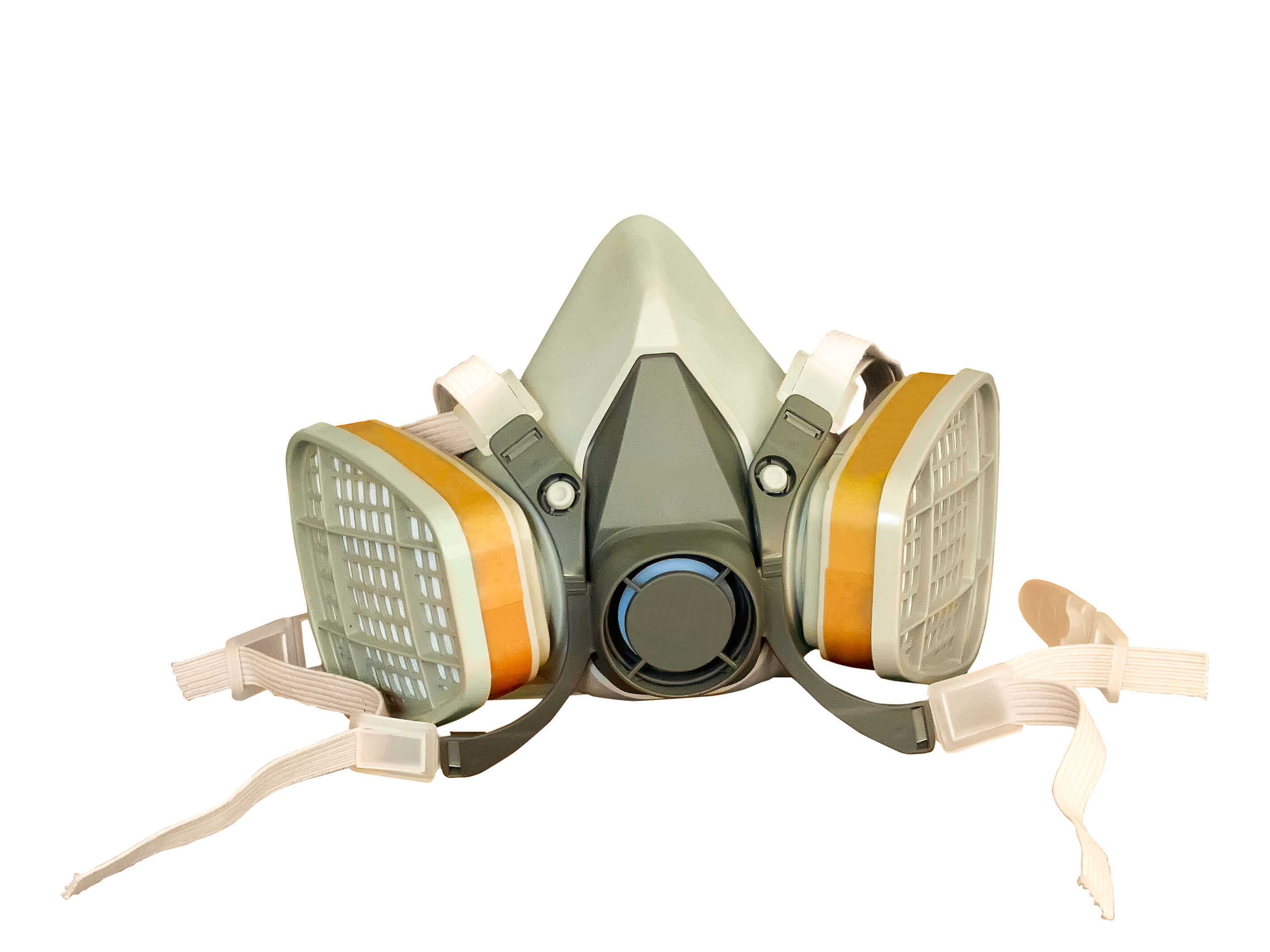
Constant reliance on disposable masks for industrial tasks creates major long-term problems, leading directly to rising replacement costs and inconsistent respiratory protection. Fire sprinkler installation teams and mechanical contractors need practical equipment that performs reliably shift after shift. Investing in a reusable face mask offers superior durability and precise replacement filter control. Upgrading your respiratory setup delivers absolute value for safety managers.
Why Do Disposable Masks Fail Long-Term Industrial Demands?
Disposable masks fail long-term industrial demands because their lightweight materials degrade quickly under physical stress and heavy moisture exposure. This rapid degradation compromises the seal quality over time and forces frequent replacements. A reliable respiratory protection strategy requires heavy-duty equipment built specifically for continuous daily workplace wear.
Health and safety managers managing hazardous material removal or fire suppression mechanical contracting require strict certified standards. Every time workers reach for new disposable options throughout the day, procurement costs multiply. A reusable respirator provides the necessary structural integrity for these environments. It guarantees a consistent barrier against site-specific workplace hazards without draining your annual budget.
The lack of modular parts in disposable designs restricts operational flexibility because you cannot adapt a single-use product to handle changing chemical fumes or particulate concentrations. Industrial trades need equipment that adjusts to specific tasks directly. Moving to durable respiratory protection keeps your team compliant while reducing unpredictable consumable spending on site.
How Does a Reusable Face Mask Reduce Your Overall Costs?
A reusable mask reduces overall costs by eliminating the daily consumption of single-use respiratory products. Businesses only replace specific filters or worn valves rather than purchasing entirely new units. This modular expenditure approach greatly lowers the long-term budget required by procurement and facilities operations teams.
Procurement departments face strict budgets when supplying personal protective equipment for skilled trade workers. Switching to reusable options creates predictable spending patterns based firmly on filter longevity and established maintenance schedules. This approach also eliminates the expanding waste disposal fees associated with single-use plastics and contaminated materials. Consolidating your orders through bulk purchases secures the best possible value while maintaining compliance.
What Impact Do Replaceable Filters Have on Budget Planning?
Replaceable filters impact budget planning positively by allowing safety managers to purchase highly specific protective media without buying the entire mask structure again. This targeted replacement strategy stretches financial allocations further across the year. You maintain certified safety standards without facing the constant inflation of disposable personal protective equipment.
Mechanical contractors encounter varying levels of airborne threats across different commercial projects. Buying specific particulate or gas filters allows workers to use the exact same facepiece across multiple job sites securely. This interchangeable capability lets procurement teams only order the precise filtration level required for upcoming tasks. Additionally, storing replacement filters takes up far less warehouse space than stockpiling thousands of single-use alternatives.
What Features Make Reusable Respirators Better for Daily Comfort?
Reusable respirators offer superior daily comfort because they utilise high-grade silicone and thermoplastic elastomers that contour naturally to the face. These advanced materials distribute pressure evenly and visibly reduce skin irritation during extended shifts. Secure head harnesses prevent the unit from shifting during heavy physical labour.
Industrial fitters require equipment that remains secure while working in awkward overhead positions. The adjustable strapping systems lock the seal firmly in place without restricting jaw movement. Lower breathing resistance keeps the worker cool and delays the onset of physical fatigue. This allows tradespeople to focus entirely on precise mechanical contracting tasks rather than constantly adjusting their protective gear.
How Does the JSP Force 10 Improve Worker Visibility?
The JSP Force 10 improves worker visibility through an advanced panoramic visor that provides an exceptional field of vision for precise industrial tasks. The twin cartridge design maintains structural balance, while the anti-mist and anti-scratch coating secures clear sightlines. It guarantees reliable optical performance in difficult fluctuating temperatures.
Workers installing complex fire sprinkler systems need unobstructed views of ceiling components and structural layouts. The harness on the JSP Force 10 positions the unit securely without obstructing downward vision. Its industrial-grade construction resists physical impact and offers a highly effective barrier against dust and chemical fumes. This model serves as a highly practical choice for teams requiring full facial coverage and clear sightlines.
Why Is the Sundstrom SR 200 Trusted for Low Breathing Resistance?
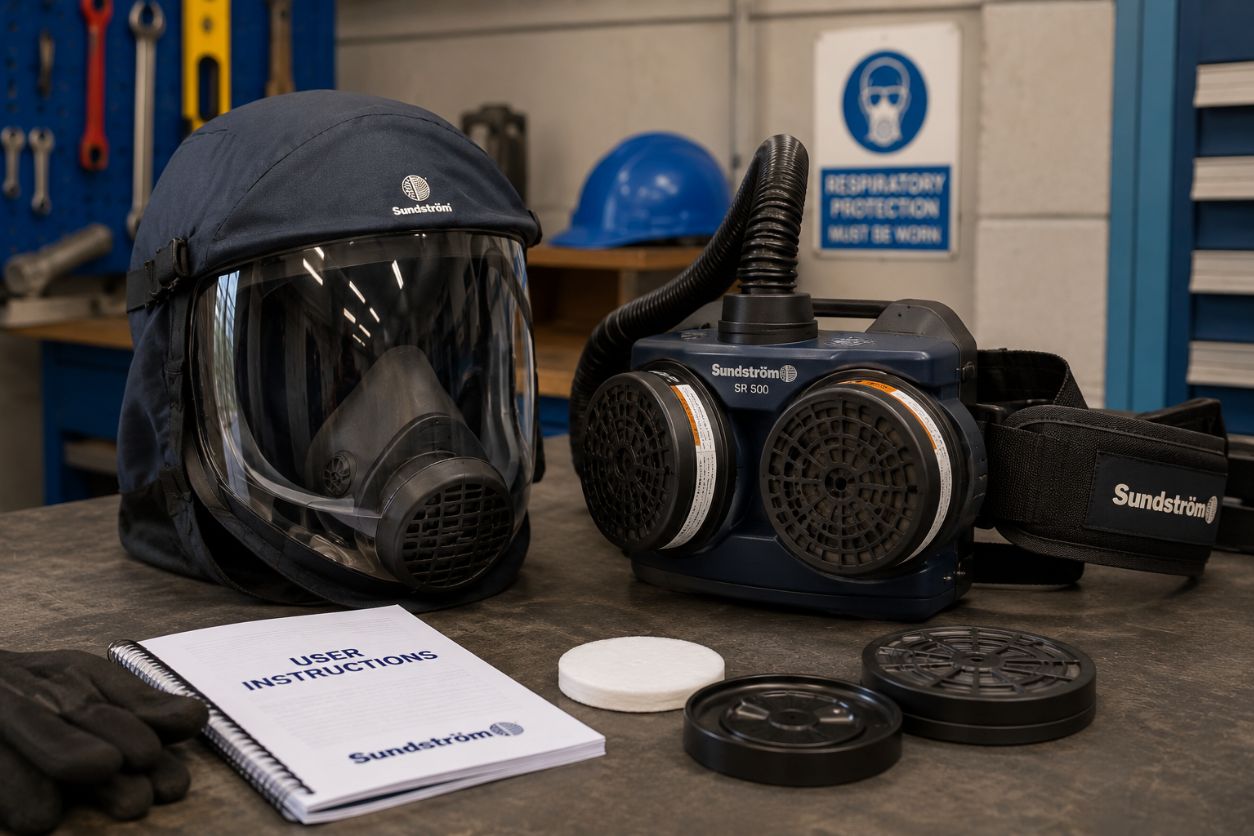
The Sundstrom SR 200 is trusted for low breathing resistance due to an exceptional airflow design that drastically reduces physical exertion. This specific respirator features large exhalation valves that actively minimise heat build-up. It integrates flawlessly with certified filters to provide proven protection without compromising daily worker stamina.
Laboratory professionals appreciate the wide field of vision required for scrutinising detailed analytical work. Generating less heat inside the mask greatly promotes extended wear compliance across demanding professional shifts. The modular nature of the Sundstrom SR 200 means it scales directly from simple particulate filtration to full powered air requirements. Supplying this tier of professional equipment helps your team meet rigid life safety standards consistently.
How Do You Select the Correct Filter for Your Workplace Hazards?
You select the correct filter by matching the specific airborne hazard to the corresponding certified filter classification. Operations managers must identify whether the site produces solid particulates or toxic chemical vapours. Reusable respiratory protection relies entirely on this exact filter choice to provide certified workplace safety.
Fire suppression installations routinely expose workers to concrete dust and aggressive metal shavings. At the same time, using a basic dust filter fails to protect against strong adhesive fumes or solvent vapours. Operations teams must assess the material safety data sheets for every substance used strictly on the premises. Comparing compatible filters directly to your risk assessment aligns your components exactly to required regulatory standards.
Safety specialists need to map respiratory gear directly to their assigned trades. Supplying the correct combinations handles everything from light woodworking to intense hazardous waste disposal. You must find the exact filtration match for your documented site risk assessment before clearing workers for duty.
Why Does a Reusable Face Mask Require Face Fit Testing?
A reusable face mask requires face fit testing because the unit cannot provide certified protection if the outer seal leaks. Testing directly verifies that the specific model and size perfectly match the unique facial structure of the worker. This safety validation remains a strict legal requirement for tight-fitting respiratory equipment.
A compromised seal allows toxic particulates and hazardous gases to bypass the protective filtration system entirely. Even the most advanced half-mask respirators fail if facial hair or incorrect sizing breaks this physical barrier. Health and safety managers must maintain documented records proving every worker has passed a professional fit test. Proper testing processes provide complete validation that your team is secured against unseen airborne threats.
What Are the Best Practices for Mask Maintenance and Storage?
The best practices for mask maintenance include daily cleaning with approved antibacterial wipes and thorough visual inspections of all rubber seals. You must allow the unit to air dry completely before placing it inside an airtight storage container. Proper daily maintenance dramatically extends the operational lifespan of the facepiece.
Industrial trades subject their gear to intense dirt and abrasive materials constantly. Workers should immediately remove the filters before washing the main silicone body in warm soapy water. You need to inspect the inhalation and exhalation valves closely to confirm dust has not compromised the internal seating mechanisms. Routinely replacing these worn valves saves considerable money compared to sourcing entirely new mask units.
Storage conditions firmly dictate how long the materials will remain flexible and structurally sound. Leaving protective equipment exposed to direct sunlight or extreme warehouse temperature variations quickly accelerates the degradation of the facepiece. Using proper storage boxes prevents accidental crushing under heavy site equipment when placed in work vans. Taking physical care of your reusable facepiece means the unit delivers certified protection when needed most.
Common Questions About Reusable Face Masks
The most common questions about reusable face masks revolve around long-term cost benefits and proper filter selection protocols. Health and safety managers frequently need to know how to integrate these respirators into compliance frameworks. The following section provides direct answers addressing these operational concerns.
What Are the Main Benefits of a Reusable Face Mask?
The core benefits of a reusable face mask include greatly improved long-term durability and highly modular filter control. They offer a secure fit over long shifts compared to disposable paper alternatives. These units also provide clearer visibility for precision mechanical contracting and industrial fitting tasks.
You gain actual budget predictability by only ordering necessary replacement parts rather than entirely new units. The initial financial investment pays dividends quickly as the core mask body lasts for several years under normal conditions. These units function as practical professional equipment that tradespeople can trust to perform continuously.
Is A Reusable Face Mask More Cost-Effective Than Disposables?
Yes, a reusable face mask is far more cost-effective for continuous daily industrial tasks. After the initial purchase, the ongoing costs of replacement filters are lower than buying hundreds of single-use units. The financial return on investment for the business typically appears within a few short months.
Procurement teams monitoring bulk disposable orders will see immediate reductions in repeated consumable spending. High-volume waste management costs associated with contaminated site disposal also drop abruptly. Consolidating replacement filter purchases makes the transition even more financially sound for large industrial operations.
Contact our team today to discuss your requirements, request product recommendations, or arrange professional face fit testing services. We are here to help you protect your workforce with reliable respiratory protection that performs day after day.