
There needs to be a rethink in how teams are kept safe while they operate in places that are full of invisible hazard. Standard PPE still has a use but breathing through the same filter for eight hours or more can cause tiredness and less focus.
Respirators that are motorised on user comfort to make certain that safety standards never slip during a busy day.
Organisations in the UK are looking toward motorised respirators to safeguard against risks like silica dust and chemical vapours. By helping the wearer breathe fresh air continuously, your workforce is then enabled to be productive without risking their greater health.
How Does Positive Pressure Technology Protect Workers?
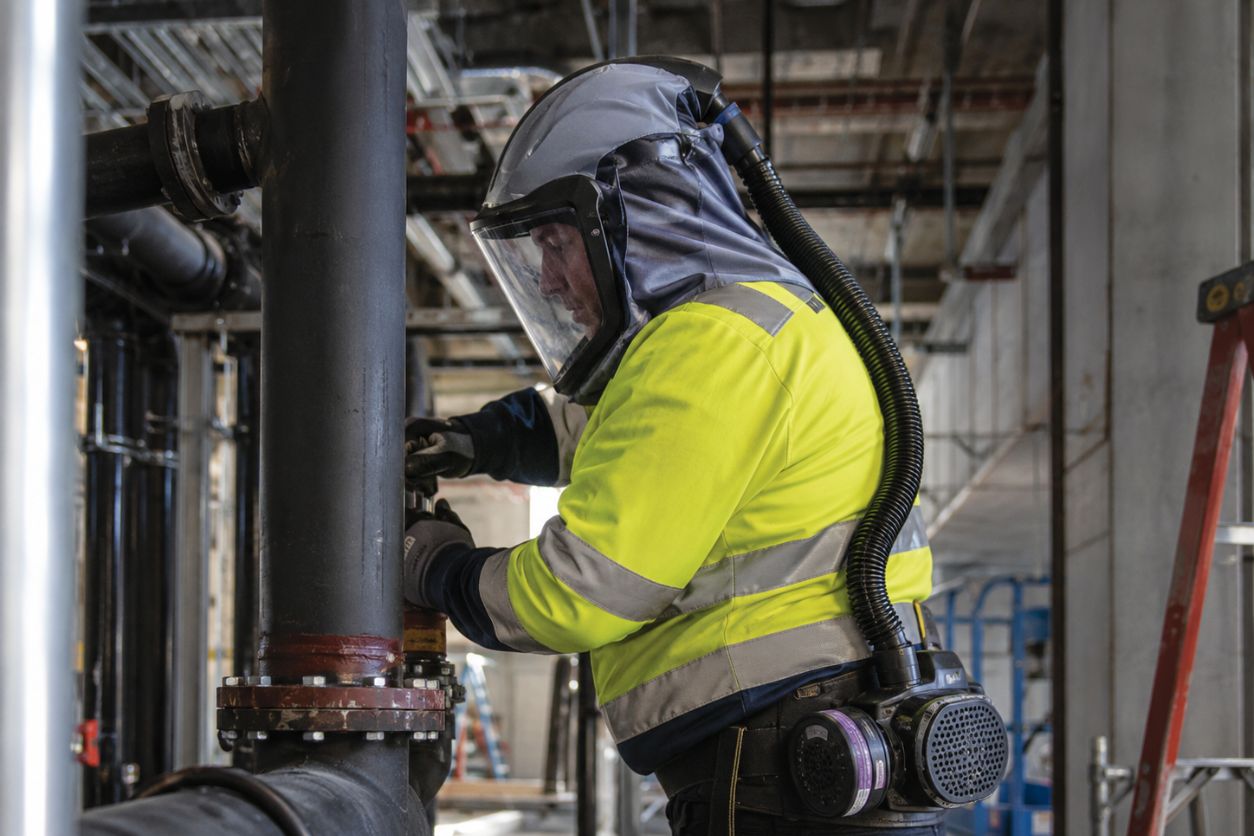
Motorised respirators create a consistent stream of filtered air that is pushed into the headpiece, generating positive pressure. The air inside the mask is always at a slightly higher pressure than the air outside. It also means tiny gaps in the seal are not as dangerous because clean air pushes out from the inside, preventing contaminated air from finding a way in.
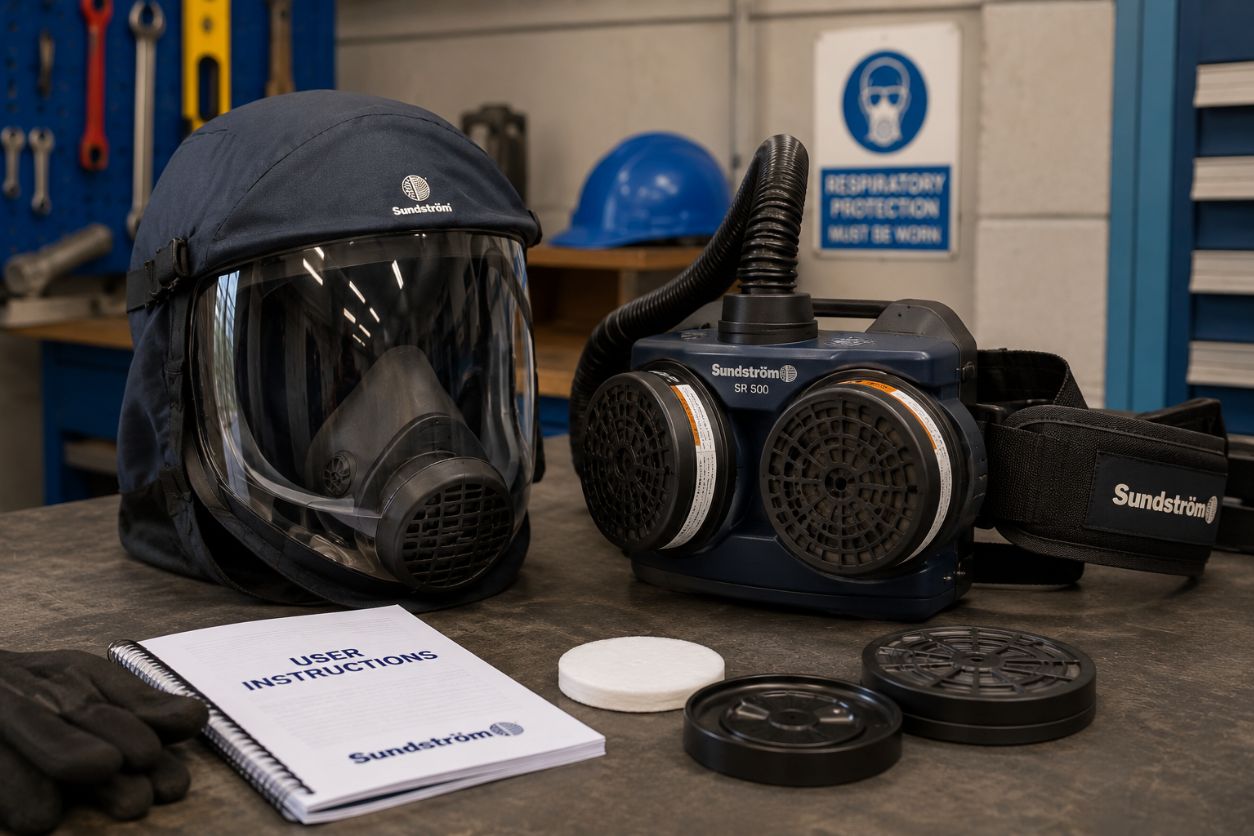
This mechanical assistance is the defining feature of a powered respirator. With a battery-operated fan doing the work, whoever is wearing the equipment isn’t needing to rely on their own lungs for air to be pulled through the different filtration layers.
Standard, disposable PPE masks can feel restrictive because of the increased breathing resistance. So, removing that resistance makes it perfect for those working in intense, high-risk settings.
Why Does Continuous Airflow Help Regulate Temperature?
Heat and moisture can build up when working in a mask, potentially causing skin irritation. An air purifying respirator helps to carry away sweat and exhaled carbon dioxide to solve this. It is a massive benefit for those working in the UK's humid summer months or in hot factories.
European safety regulations, such as EN 12941, set the bar for these motorised units to ensure they are fit for purpose. Every air powered respirator is tested to deliver a specific volume of air per minute, making certain that the user always has a fresh supply.
Can You Combine Head, Eye, and Lung Protection?
There are plenty of motorised units that are built into full-face helmets or hoods, providing a wide field of vision. Managing PPE with these integrations eliminates the risk of separate goggles, hard hats, and masks not fitting together. A powered respirator with a built-in visor shields the eyes from flying debris and dust is kept away from the lungs.
If you need help matching the right headpiece to your specific site hazards, contact us to discuss your options.
How Should You Maintain Motorised Respiratory Equipment?
For powered units to stay pristine, they need a higher level of care. Wearers must listen for the airflow alarms and check the battery life before entering a hazardous zone. Even taking five minutes every morning, to inspect the equipment, can prevent unforeseen downtime and also make sure the motor is performing at its best.
Essential daily steps include:
- Testing the airflow with a flow meter to verify the motor speed
- Checking the battery connectors for any signs of dirt or corrosion
- Replacing the pre-filters to stop the main air purifying respirator filters from clogging early
- Inspecting the breathing tube for kinks or small tears that could leak air
- Wiping down the headpiece with approved sanitising wipes after every shift
Workday routines that include these steps help the equipment last much longer. Management teams gain confidence that their investment is being looked after correctly when these checks are performed. Any air powered respirator that sounds different or starts a new vibration should be taken out of service immediately for a professional check.
Can Powered Systems Solve Facial Hair Fit Testing Issues?
One of the biggest hurdles for safety managers is the legal requirement for face fit testing. Tight-fitting masks cannot be worn by staff with beards because the hair breaks the seal. An air powered respirator with a loose-fitting hood bypasses this issue entirely. Positive pressure allows for a safe and legal solution for workers with facial hair since the system does not rely on a tight skin seal.
Flexibility in this area makes recruitment and team management much easier. You don’t need to worry about any friction in your team, depending on whether someone is clean-shaven or not.
With a powered respirator, everyone gets the same high level of protection.
How do Environmental Conditions Affect Battery Performance?
Air powered units are much lighter and more reliable because of lithium-ion batteries, and their performance is impacted by temperature. Keep charging stations in a dry, room-temperature area. This will help the cells hold their charge for the full duration of a shift.
When it’s cold, battery life can drop. It is therefore smart to have spares available on rotation. An air purifying respirator used in wet weather requires extra care, as moisture can damage the electronic components. Small adjustments to your site routine like these make certain that your air powered respirator fleet is always ready for action.
Does Improved Respiratory Equipment Support Staff Focus?
When a worker is struggling to breathe properly, they become fatigued faster, leading to lapses in judgment and potential safety errors. Providing your team with an air purifying respirator proves that you value physical comfort as much as safety. This helps build a more positive culture on the site.
An employee is more likely to be vigilant if they feel refreshed and can breathe naturally during high-risk tasks. Reducing the physical stress of the job through a powered respirator helps staff stay sharp and engaged until the very end of their shift. This makes the entire workplace a more professional and focused environment.
Can Smart Equipment Choices Improve Operational Efficiency?
Equipment that’s used across different departments can be standardised with an air powered respirator. This is because the same motor unit can often be fitted with various headpieces or hoods. That versatility simplifies your storage needs and makes it easier for supervisors to check that everyone is wearing the correct gear.
We have spent nearly two decades as a specialist in the UK safety sector, helping organisations transition to these productive motorised solutions. Certification records and technical backgrounds are provided by our specialists to help your business stay compliant with HSE inspections.
Our team works with you to choose the right battery capacities and filter types to match the length and intensity of your work cycles. High-quality units sourced through us provide a partner dedicated to keeping your project running smoothly and safely.
Building a Future-Proof Safety Culture
Investing in motorised protection is a clear sign to your workforce that their health is a top priority. Bare minimum conversations are replaced by a focus on a future where workplace safety is integrated and comfortable. Respiratory disease risks are reduced for the long term by using top-tier equipment that keeps experienced workers on the job for longer.
Experts are standing by to help you transition to these advanced systems or to top up your existing fleet with the latest filters. Support and stock levels needed to keep your site running safely every day of the week are available now.
Find out how we can improve your project’s safety and contact us.