Workplace dust exposure is a constant risk in mechanical contracting and manufacturing. Prolonged exposure without a proper seal damages respiratory health and causes chronic industrial lung diseases. Choosing the right equipment instead of relying on a dust mask for beards protects workers and ensures regulatory compliance.
Protective Masks Direct uses 18 years of industry experience to help organisations meet these safety requirements. You can browse our category pages to find respiratory protective equipment (RPE) for specific site hazards. Our team helps health and safety managers fix seal failures caused by facial hair.
Why does facial hair break the seal on respiratory protective equipment?
Facial hair physically separates the respirator edge from the skin and prevents a secure fit. Even minimal stubble causes gaps that allow hazardous airborne particulates to bypass the filtration material. This separation makes tight-fitting respiratory protective equipment non-compliant for workplace safety standards.
A human hair is thicker than the fine particulates found in construction environments. When you try to use a standard dust mask for beards, the hair strands act as paths for dust. Workers inhale silica dust and chemical pollutants directly into their lungs. Tight-fitting masks require direct contact with smooth skin to function under pressure.
Testing shows significant drops in protection factors when facial hair is present. The health risks are high in environments like asbestos removal or toxic waste disposal. Workers often believe they are protected because the mask covers their mouth. Contaminated air follows the path of least resistance through the hair interface.
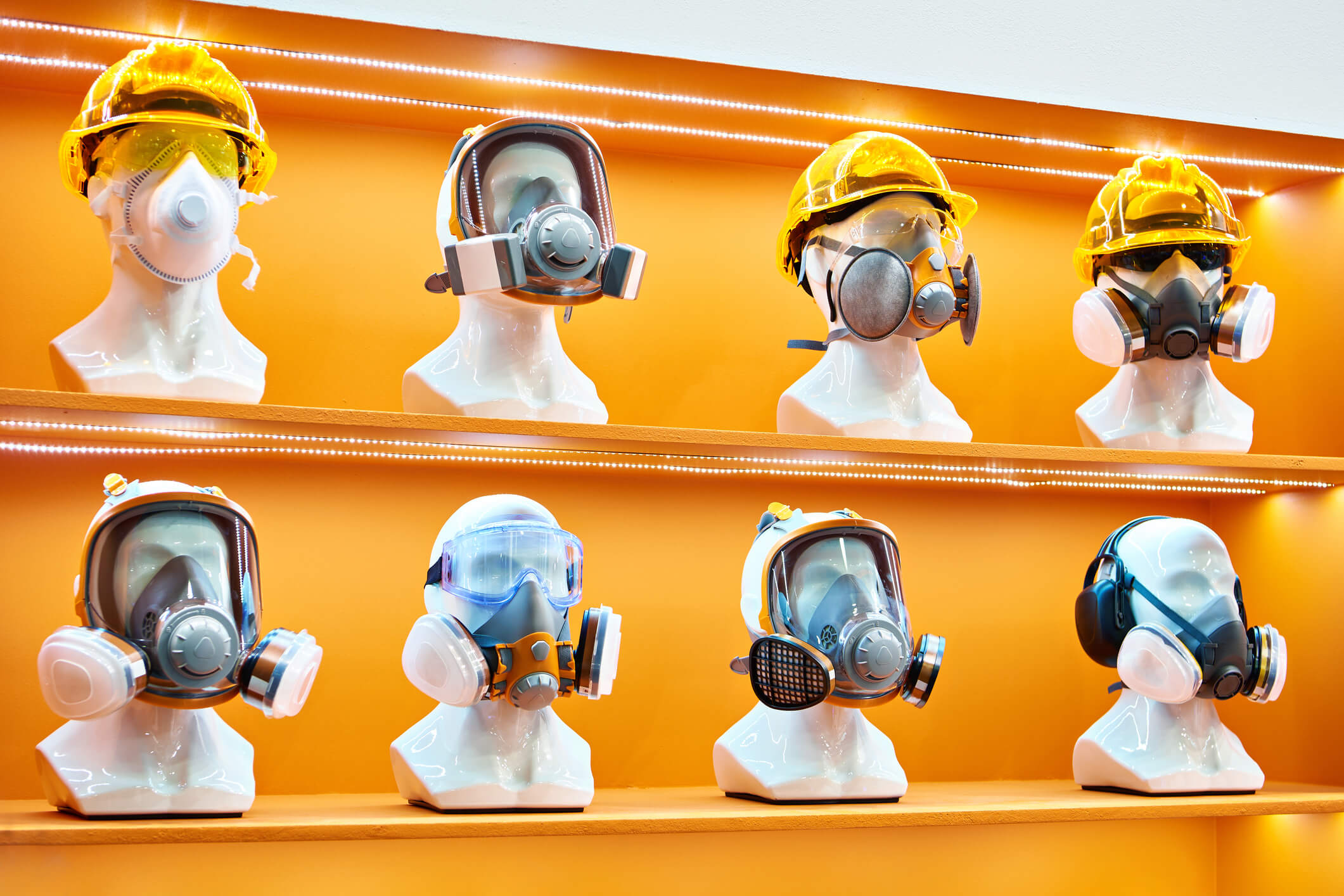
You should buy equipment that accommodates facial hair without breaking safety rules. Protective Masks Direct supplies respiratory solutions that bypass this risk. Our inventory includes equipment used for every major respiratory crisis of the last two decades. You can view our range of FFP3 respirators and loose-fitting hoods on our website.
How much stubble is too much for standard respirators?
Any visible hair growth beyond a clean shave breaks the sealing capability of a tight-fitting mask. Health and Safety Executive (HSE) guidance states that workers must be clean-shaven where the facepiece meets the skin. Even a single day of stubble growth nullifies the certified protection rating of the equipment.
Health and safety managers face challenges monitoring daily compliance among site staff. Some workers try to trim beards into shapes to fit the mask rim. This rarely works during face fit testing under controlled conditions. Relying on ill-fitting respirators creates false confidence and regulatory risks.
Procurement teams must account for these variables when sourcing safety systems. Organisations face liabilities if they allow bearded workers to operate without compliant alternatives. Inspectors frequently halt site operations upon discovering improper RPE usage.
You can avoid these interruptions by choosing loose-fitting solutions from our catalogue. We encourage procurement leaders to review our protection kits designed for diverse workforces. Our kits include hearing protection and face fit testing materials tailored for site safety.
What happens when you rely on a dust mask for beards in hazardous roles?
Workers face immediate exposure to toxic airborne substances because the filtration barrier fails. Contaminants bypass the filter media and enter the respiratory tract through seal gaps. Over time, this exposure leads to occupational lung diseases like silicosis and asthma.
Industrial trades work in environments full of invisible threats. A full face dust mask for beards provides no containment against these hazards due to the broken seal. Healthcare professionals also face biological risks if they use non-compliant equipment. Proper filtration requires an airtight seal around the breathing zone.
Your workforce encounters dangerous respiratory substances on modern job sites. Exposure risks include:
- Airborne asbestos fibres
- Crystalline silica dust
Protective Masks Direct has supported organisations through SARS and major industrial crises. We know that relying on a dust mask for beards makes the equipment useless. Our technical experts can help your team move to compliant systems. You can contact support to find the required solutions for your industry.
Why do health and safety managers reject tight-fitting masks for bearded workers?
Health and safety managers reject these setups because they fail mandatory face fit testing. A certified tester cannot legally pass an individual who has facial growth breaking the mask seal. This failure means the worker must be removed from the hazardous area until compliant equipment is found.
The law demands proof of protection factors. Providing incompatible equipment violates the Control of Substances Hazardous to Health (COSHH) regulations. Managers need data from face fit testing kits to validate safety protocols. They cannot sign off on risk assessments when the physical seal is visibly broken.
Protective Masks Direct provides face fit testing services across the UK. Our trainers conduct evaluations to identify which workers need alternative equipment. We offer Train-the-Trainer sessions to give your internal safety teams compliance knowledge. You can request our testing services online to ensure your workforce meets statutory requirements.
What are the compliant alternatives to a dust mask for beards?
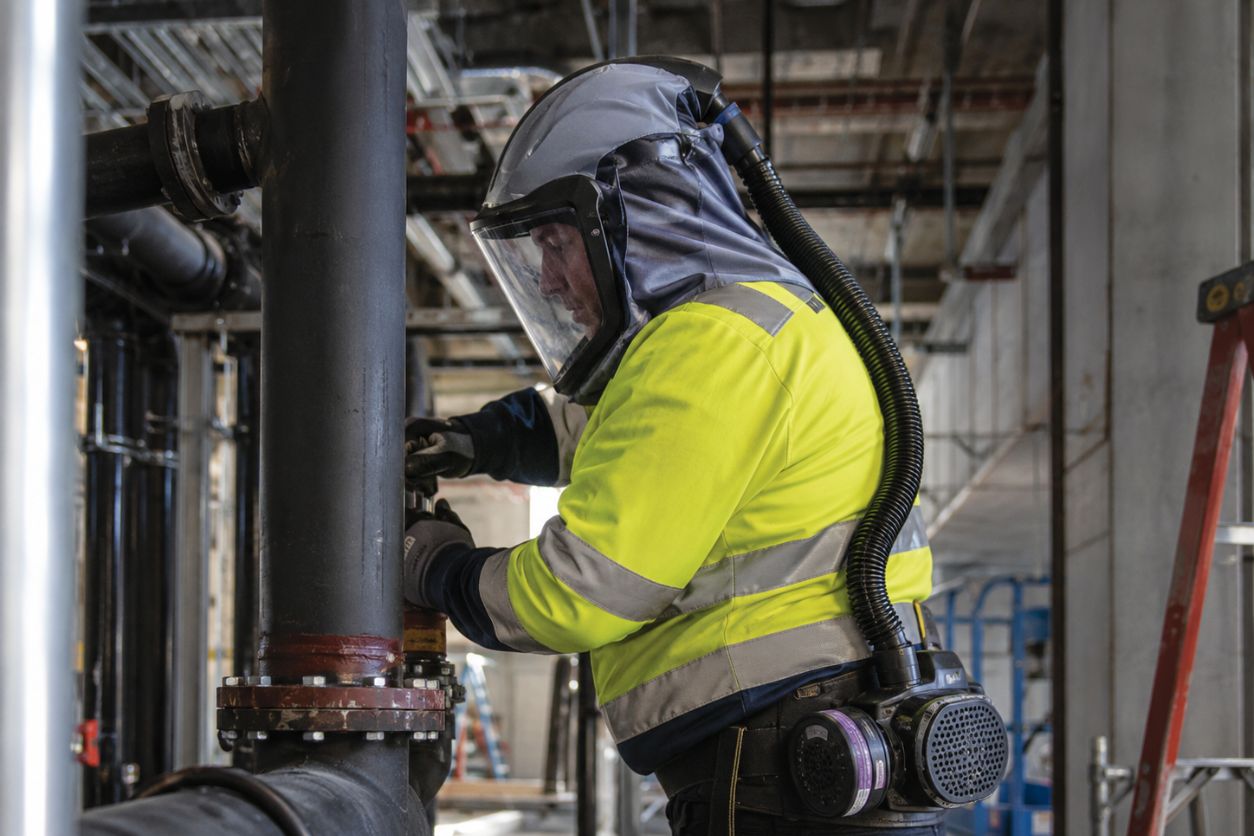
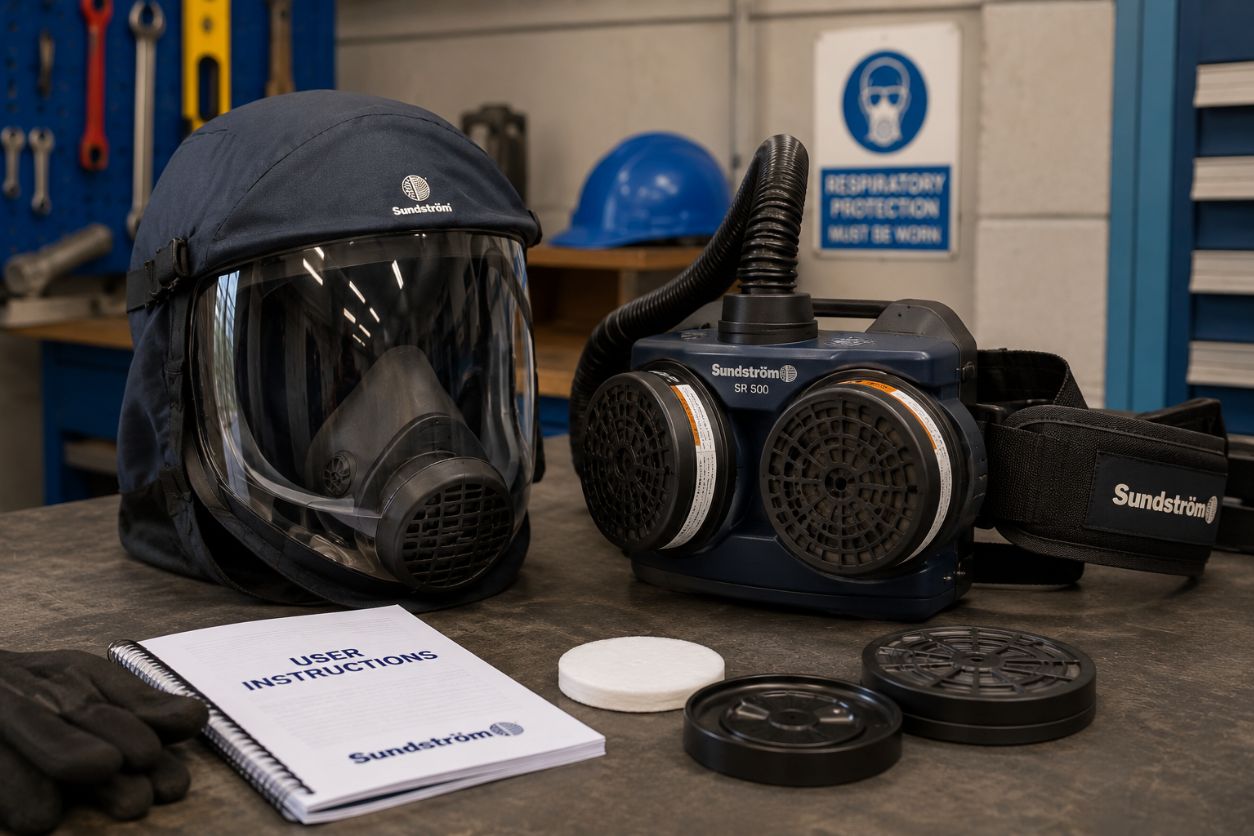
Loose-fitting powered air purifying respirators (PAPR) provide compliance for workers with facial hair. These systems blow a continuous flow of clean air into a loose hood or helmet. The positive pressure inside the headpiece stops hazardous particulates from entering without needing a tight skin seal.
Procurement teams should stop buying standard tight-fitting options for these individuals. A standard dust mask for beards does not work, but powered systems deliver FFP3-level protection. These hoods fit over the head and accommodate full beards. The continuous air flow also helps cool the operator during intense manual work.
Our catalogue features powered air purifying respirators for specific industrial trades. We supply filter cartridges and high-capacity battery units to keep your teams working. You can shop online to equip bearded personnel with compliant headpiece configurations. We stock solutions for hazardous material disposal and heavy construction sites.
How do powered air purifying respirators solve the facial hair problem?
These respirators remove the need for a skin-tight seal by pushing filtered air down over the face. The continuous positive air flow creates a pressure barrier against external contaminants. Workers with full beards get maximum filtration because the system uses flow dynamics rather than skin adhesion.
This technology replaces the flawed idea of using a dust mask for beards. When operators use a positive pressure hood, they get better comfort and full regulatory compliance. The protective visors also wrap in eye protection. Fire sprinkler installers often use these visors to protect themselves against debris falling from ceiling grids.
You get better operational efficiency when you use positive pressure systems for bearded staff. Site managers spend less time on daily shaving requirements and more time on project goals. Our protection kits offer an efficient way to get everything needed for these systems. View our selection to find the right facepiece and blower combinations.
What savings can procurement teams secure on bulk respiratory equipment deals?
Procurement teams get lower costs by using our bulk purchasing agreements. Volume orders reduce the price of respiratory systems and consumables. We structure our pricing to support large mechanical contracting firms and healthcare organisations managing many workers.
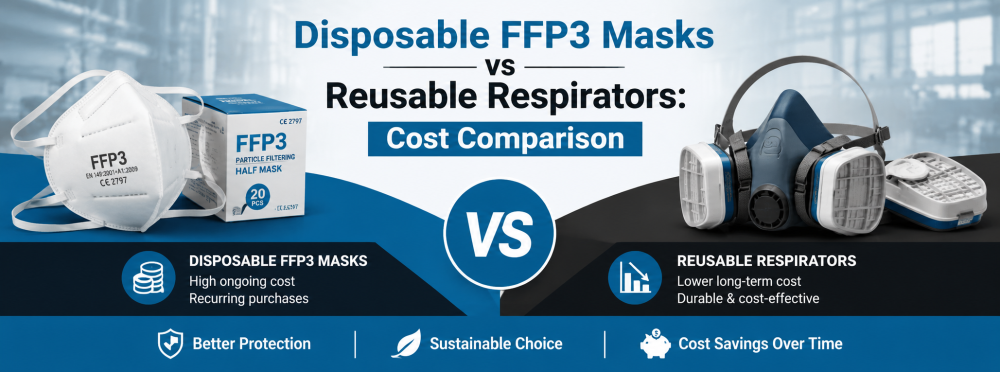
Replacing an ineffective dust mask for people with beards with proper powered respirators requires an initial investment. You can offset these costs through our bulk savings on replacement filters and cartridges. Protective Masks Direct provides commercial accounts with ordering systems for high-volume buyers. Bulk purchasing ensures site continuity and protects your budget from supply chain changes.
Why should you book professional face fit testing with Protective Masks Direct?
Professional face fit testing ensures your respiratory protective equipment functions as certified. Our accredited testers provide proof of the safety margins for your team. You remove compliance guesswork and document your commitment to regulatory standards through physical assessments.
Standard tight-fitting equipment fails when it cannot pass a physical assessment. We use face fit testing kits to measure particle penetration inside the breathing zone. If FFP3 respirator masks do not seal properly, our assessors document the issue. This data helps your management team move individuals to loose-fitting headgear.
Our testing covers multiple equipment categories:
- FFP3 high-efficiency respirators
- Reusable half-mask facepieces
Protective Masks Direct brings 18 years of safety expertise to every testing session. We offer qualitative and quantitative testing formats for industrial trades and healthcare environments. You can schedule an assessment day for your entire facility. Reach out to our support desk to request face fit testing and protect your staff.
Regulations state that organisations must retest workers if they have physical changes like weight loss or dental work. Best practice is to schedule retesting for the whole workforce every one to two years. Regular testing confirms the equipment still provides the required filtration levels.
Shop online or contact our team to request face fit testing services. Protective Masks Direct can help protect your workforce with compliant equipment today.