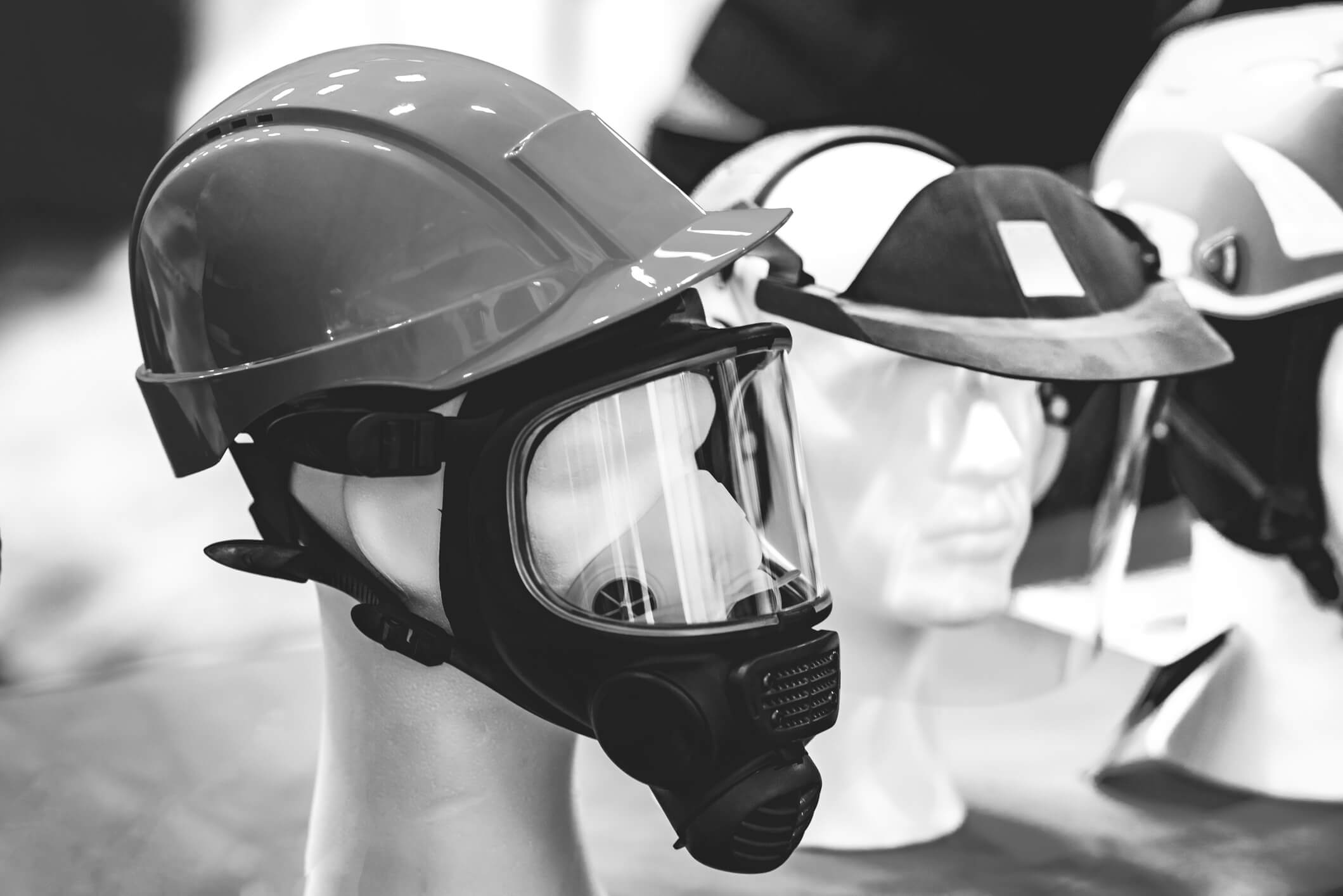
Dust exposure is a significant risk in construction and manufacturing. Selecting the wrong equipment allows hazardous particulates to bypass filters and damage long-term lung health. Using a certified full face mask provides both particle filtration and eye protection to meet safety regulations. Operations teams need to know when workplace conditions require this heavy-duty barrier instead of basic disposable masks.
Defining Full Face Masks Versus Standard Protection
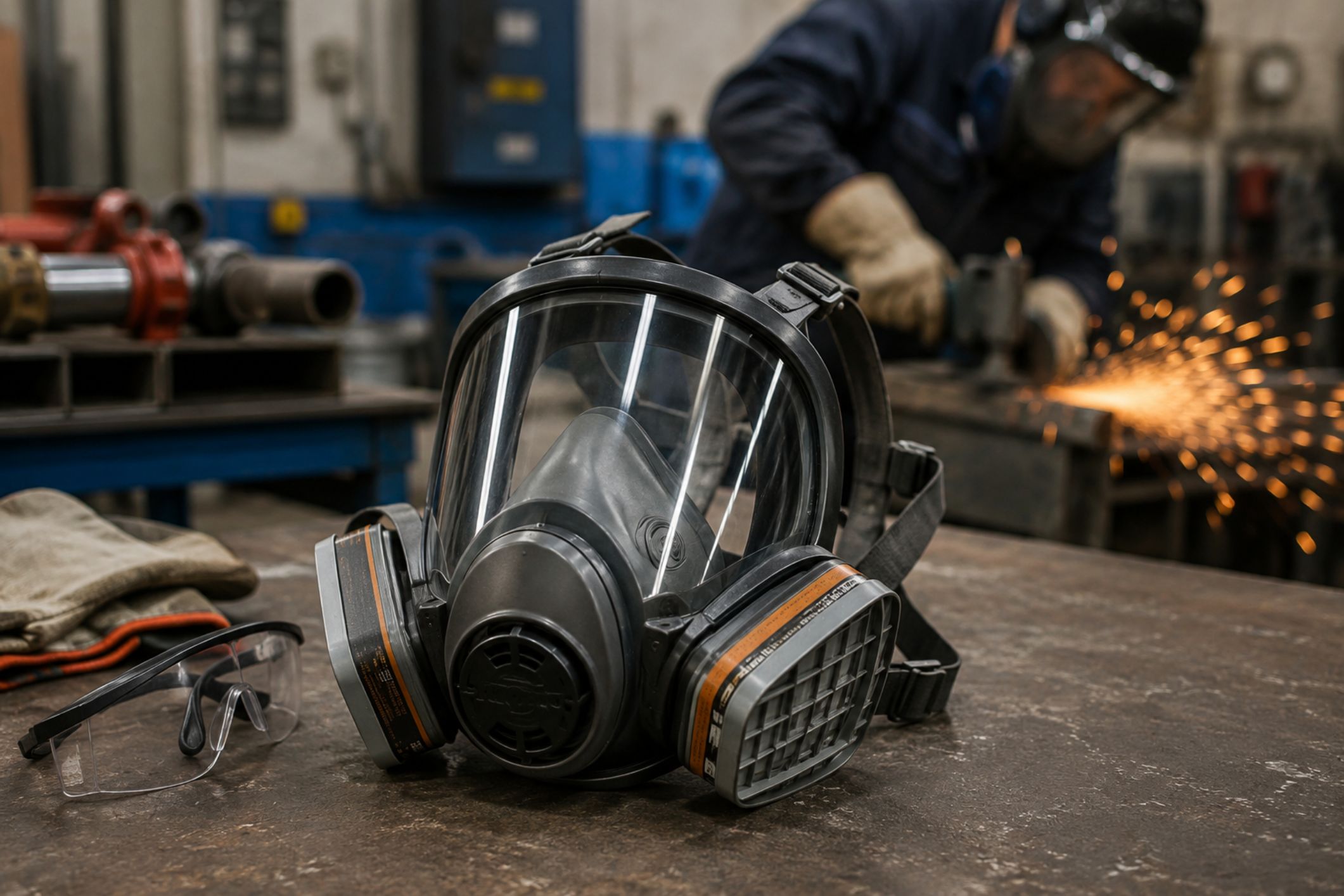
A full face dust mask is a reusable respirator that covers the eyes, nose, and mouth. It uses a transparent visor and replaceable P3 filters to block toxic airborne materials. The design creates a constant seal against the skin to prevent unfiltered air from entering the breathing zone.
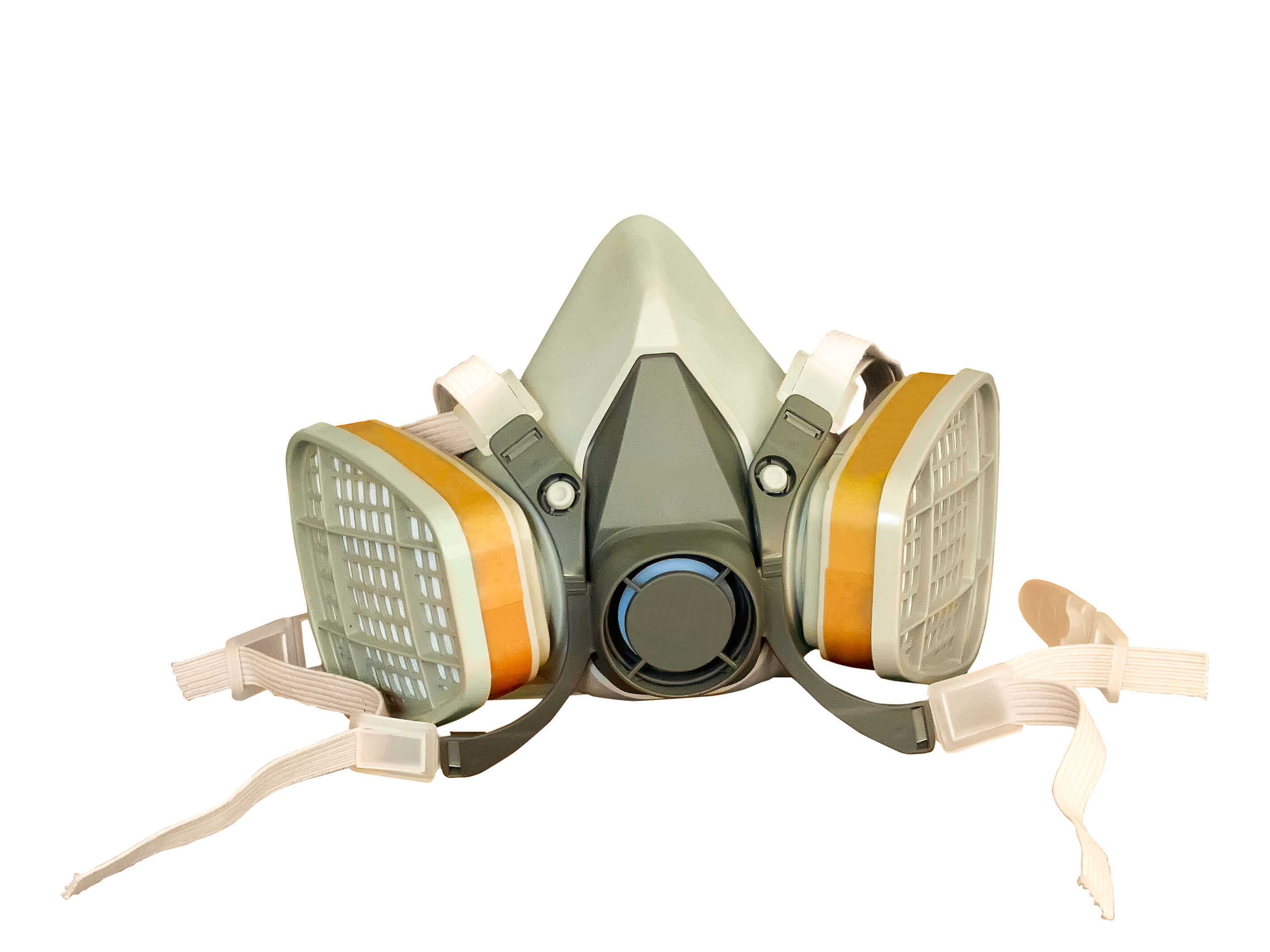
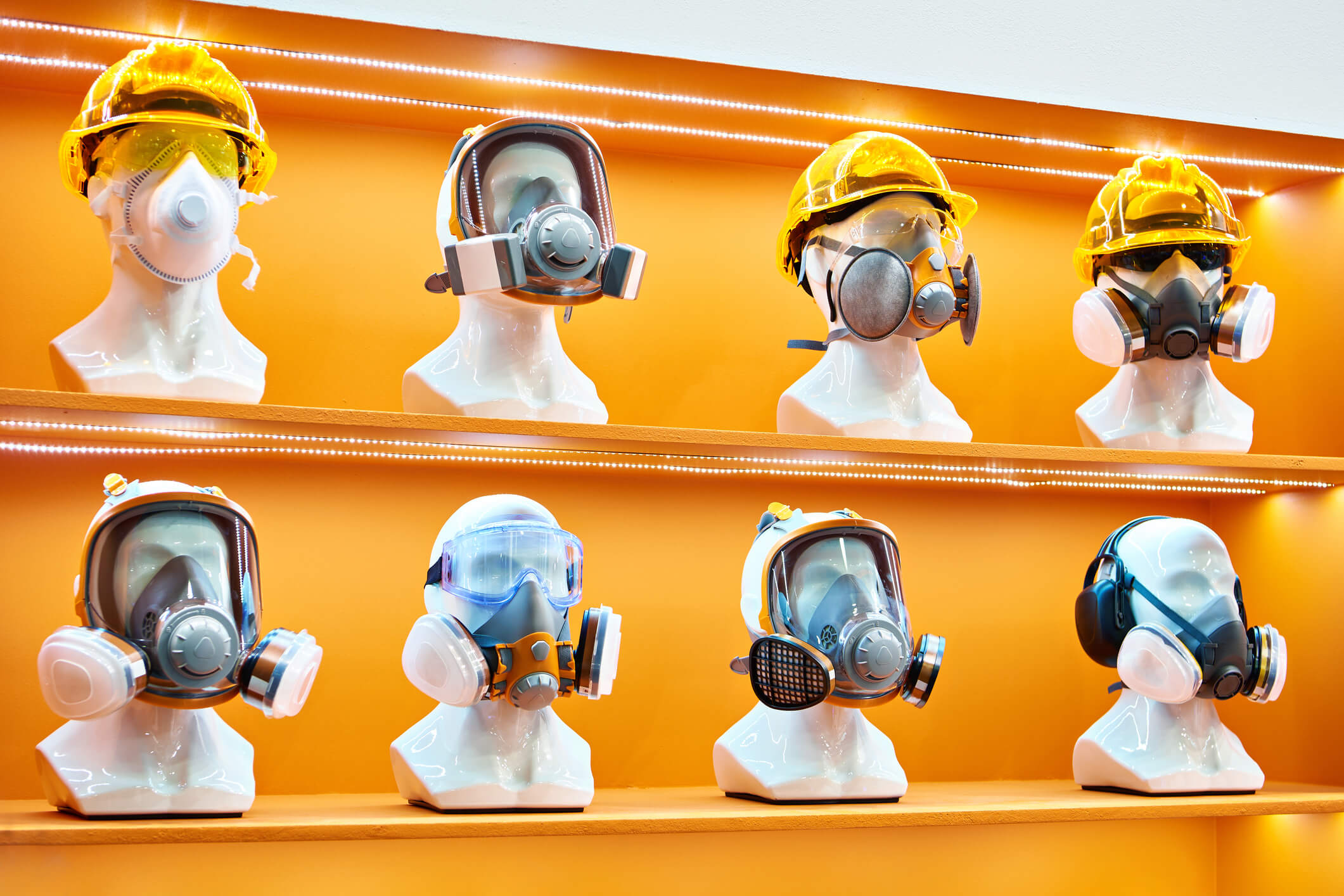
Standard respirators only cover the lower face. Disposable FFP2 and FFP3 units leave the eyes exposed to airborne debris and chemical splashes. A full face system encloses the entire area to stop micro-particles from causing irritation or injury. This integrated design stops different pieces of safety gear from interfering with each other.
Protective Masks Direct supplies certified equipment for industrial use. Our stock includes protection kits for high-hazard environments. These units use silicone or thermoplastic elastomer to create a firm fit on the face. They are built to handle daily use in difficult working conditions.
Safety officers specify these devices for tasks where a seal failure is not an option. The unified structure prevents accidental leaks during heavy physical work. Using a single device for lungs and eyes reduces the risk of equipment mismatch on site.
Shortcomings of Disposable Masks in High Hazard Zones
Disposable and half-mask respirators do not provide eye protection. These designs allow fine dust to settle on sensitive eye tissue and the skin. The smaller sealing area also creates more opportunities for heavy contamination to bypass the filter during movement.
Workers using standard FFP3 disposables often find that safety goggles break the respirator seal. The bridge of the nose is a common point of air leakage when separate items overlap. A full face dust mask removes this problem by building the lens into the main seal. This ensures all mucous membranes are protected at once.
Industrial tasks generate thick dust clouds that clog basic filters quickly. Reusable full units often use twin high-capacity filters to lower breathing resistance. This configuration makes the equipment last longer and reduces worker fatigue during long shifts. It is a more efficient way to manage high-volume particulates.
Disposable options work for low-risk tasks like sweeping nuisance dust. Severe environments need the structural strength of an elastomer frame to handle impact. Relying on thin paper materials during heavy grinding increases the risk of accidental exposure.
Importance of Eye Protection for Fine Particulates
Microscopic dust and chemical aerosols cause direct injury to unprotected eyes. Particles like silica or metal shavings can fly past standard safety glasses during mechanical work. Enclosed facial protection removes these gaps to prevent particles from blinding or irritating the user.
Many toxic materials are absorbed through the eyes into the bloodstream. Safety managers use full face masks to block this secondary contamination route. Isolating the face ensures hazardous substances stay out of the body. Hazards requiring this level of protection include:
- Asbestos fibres found during demolition work.
- Respirable crystalline silica from concrete drilling.
Working without integrated vision protection often leads to fogging and accidents. High-grade masks use internal airflow routing to stop condensation from forming on the visor. This keeps the field of vision clear even during heavy physical exertion. It means workers don't have to remove their masks to wipe their eyes.
Tasks like hazardous waste disposal require constant visual clarity. A fogged separate lens forces a worker to break their safety seal for cleaning. Enclosed systems allow the worker to finish the job without exposing themselves to the atmosphere.
Industries Requiring Complete Facial Coverage
Industries that process toxic or irritating materials often require full facial enclosures by law. Asbestos removal, heavy metalworking, and chemical waste disposal are the main sectors using this gear. Labs handling biological hazards also rely on these barriers to stay safe.
Contracting teams drilling into concrete generate massive amounts of silica dust. This cloud is dangerous for both the lungs and the eyes. A full face mask is the primary line of defence against chronic occupational illnesses. It provides a more reliable barrier than combining multiple separate items.
Woodworking facilities produce fine hardwood dust that can cause allergic reactions on the skin. Employees doing long periods of sanding need a total barrier to avoid dermatitis. Standard fabric masks do not protect the skin on the face from these irritants.
Protective Masks Direct has over eighteen years of experience in these high-risk sectors. We provide solutions for lead abatement and chemical manufacturing. We recommend checking our specialised categories to find compliant equipment for your specific trade.
Face Fit Testing for Full Face PPE
Face fit testing is a process that confirms a respirator forms a tight seal on the wearer. A certified tester uses a particle counting machine to check for any microscopic leakage. This evaluation proves the mask will actually protect the worker in a contaminated environment.
All tight-fitting respirators need a professional fit test under UK safety frameworks. A full face dust mask needs careful testing because it covers a larger area of the face. Differences in jawlines or cheekbones can affect the silicone seal. Testing ensures the frame fits the individual without any gaps.
Protective Masks Direct provides UK-wide face fit testing and trainer sessions for teams. We send technicians to your site to check your workforce and provide documentation. This service ensures your business meets regulatory standards and protects you from future injury claims.
You should not assume a mask fits just because it is a premium brand. Weight changes or dental work can change how a mask sits on the face. Keeping your fit testing records up to date is essential for site compliance.
Compliance Standards for Respiratory Gear
The EN136 standard regulates the manufacturing of complete facial enclosures. This standard covers material strength, visor impact resistance, and thermal stability. The filters used must also meet the P3 filtration benchmarks set by EN143.
Safety managers must match the filter to the specific workplace hazard. Reusable filters are marked P1, P2, or P3 to show how much dust they block. For maximum protection, you need P3 filters on an EN136 certified frame. A compliant mask will show:
- The CE certification mark on the frame.
- The EN136 classification for durability.
Employers are required to document why they chose specific equipment for a task. Inspectors will check that the filter type matches the hazard found on site. Using uncertified or mismatched parts can lead to heavy fines and legal issues.
Purchasing gear through verified suppliers stops the risk of buying counterfeit products. Protective Masks Direct has provided compliant equipment for eighteen years. Every product we sell is traceable to satisfy safety audits.
Bulk Purchasing for Procurement Teams
Procurement teams can get better pricing by working with specialist safety distributors. Avoiding general retailers allows you to access trade discounts and specific stock allocations. Direct relationships help you maintain a steady supply of authentic gear.
Businesses need a reliable supply of P3 cartridges and visor covers to keep working. Running out of filters stops production and creates expensive downtime. We offer bulk accounts to keep your site inventory ready throughout the year. Planning ahead prevents delays during supply shortages.
Our support desk is available to discuss your specific site requirements. Our advisors help match your hazards to the right equipment packages. Buying through corporate channels offers several benefits:
- Trade pricing for bulk orders.
- Priority shipping for high-demand gear.
Healthcare and industrial trades get priority processing on volume orders. Managing your safety spend with Protective Masks Direct can lead to significant annual savings. Use our category pages to order enterprise volumes online.
Frequently Asked Questions
How long do the filters last?
Filter life depends on the amount of dust in the air. A heavy industrial site will clog a filter much faster than a lab. Change the filters if breathing becomes difficult or if your site protocol requires it. We stock bulk cartridges so you always have replacements ready.
When should I change the visor?
Replace the visor if it gets scratched or cloudy. Damage to the lens makes it hard to see and increases the risk of accidents. You can use disposable visor protectors to keep the main lens from getting damaged by grit or chemicals.
How do I check the seal?
Perform a negative pressure check before every shift. Block the filters with your hands and breath in gently. The mask should pull toward your face and stay there if the seal is tight. This quick check confirms you are protected before you start work.
Contact our team today to discuss your site requirements and ensure your workforce stays fully protected.