Working on fire sprinkler systems or mechanical contracting kicks up heavy debris, creating immediate risks to your lungs and eyes when cutting pipes or installing life safety systems overhead. Poor mask selection compromises your breathing protection and your overall visibility on the job. A reliable full face dust mask provides the necessary shield against combined respiratory and impact hazards. This guide explains why full face coverage overrules half masks in demanding environments and what specific features matter most before you finalise your equipment procurement. Protective Masks Direct brings over 20 years of compliance expertise to help you secure the right workplace respiratory gear.
Why Does Fire Sprinkler Installation Require a Full Face Dust Mask?
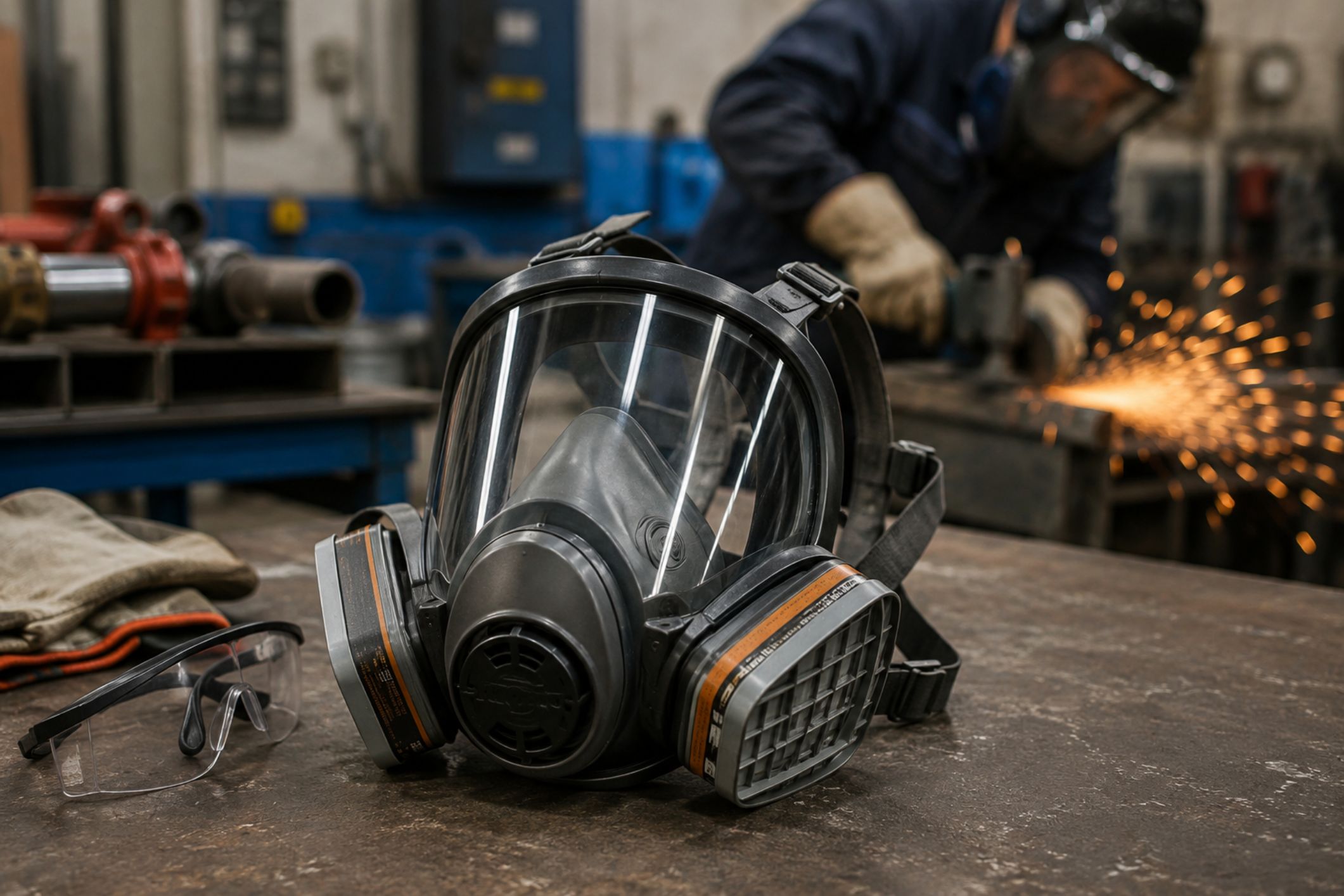
Installing fire sprinkler systems generates heavy dust and hazardous debris that threaten respiratory health and vision. A full face dust mask seals the entire face against airborne particulates. It provides a clear visor for unobstructed vision during precise mechanical contracting tasks, actively preventing dust from reaching the eyes and lungs.
Relying on basic protection leaves workers exposed to falling debris when securing overhead brackets or cutting into ceiling voids. Eye injuries and respiratory blockages slow down work and create major compliance issues for site health and safety managers. Full coverage stops both problems at the source by providing a single barrier that addresses multiple environmental threats simultaneously. Your team needs equipment that meets strict certified standards for life safety systems. A single unit covering the eyes and lungs prevents the hassle of juggling separate safety goggles and respirators. This integrated approach guarantees consistent protection and keeps the focus entirely on getting the job done safely without constant equipment adjustments.
Installation and compliance requirements cover numerous airborne threats. The primary hazards in these environments include standard and complex risks that demand rigorous defensive equipment. Common site hazards include:
- Metal dust from cutting mechanical piping framing structures
- Toxic debris falling directly from ceiling void spaces
When Is a Full Face Dust Mask Better Than a Half Mask?
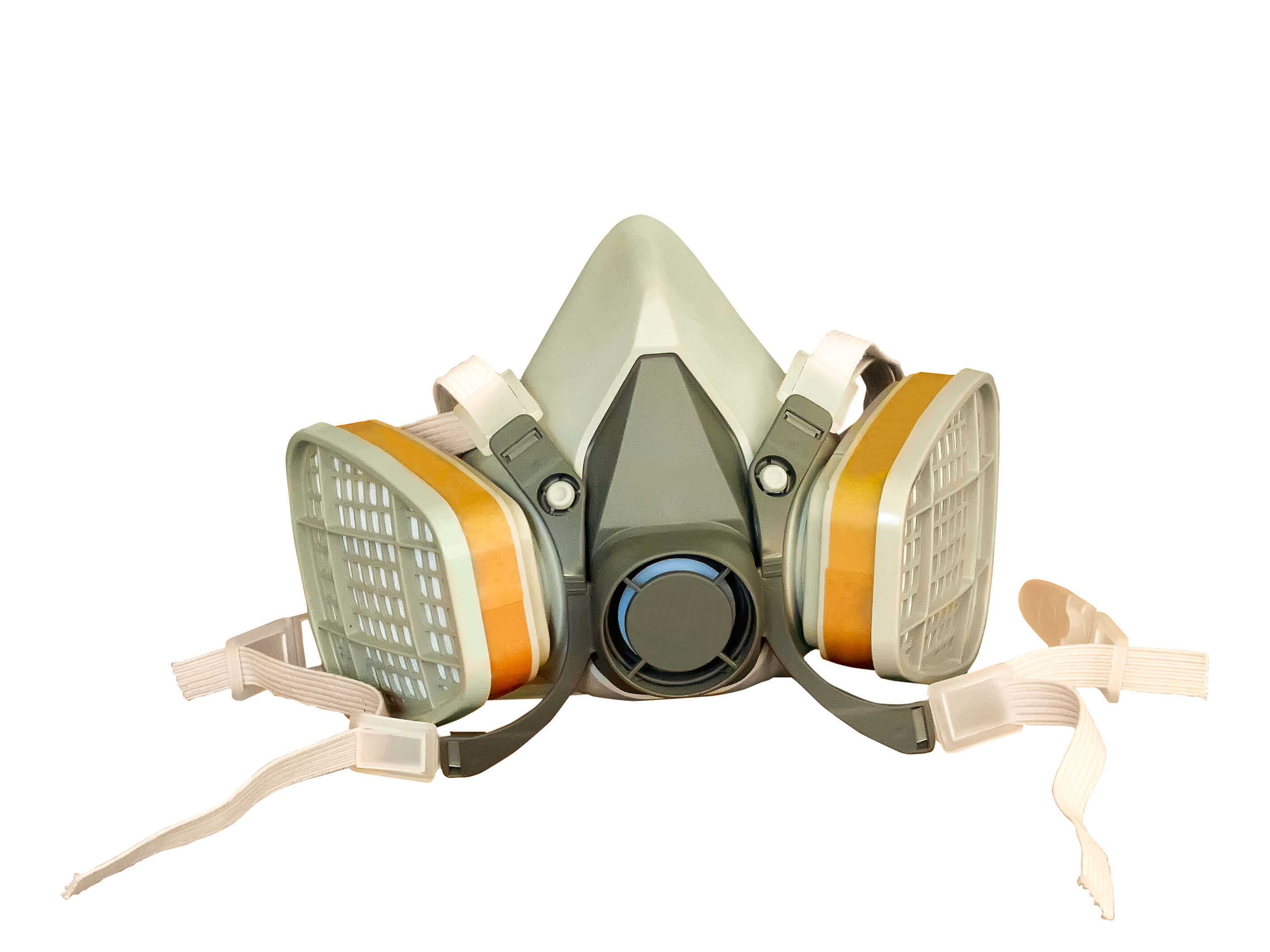
You need a full face dust mask instead of a half mask when the environment presents combined risks of fine dust and hazardous fumes. Full respirators provide a higher assigned protection factor and prevent eye irritation that standard half masks simply cannot address.
Half masks work well for basic filtering but leave the eyes completely vulnerable to sparks or asbestos fibres. Mechanical contracting often involves cutting metal pipes or clearing toxic waste areas where eye security is strictly non-negotiable. Full face respirators create a much stronger seal across the entire face for superior security and vastly improved assigned protection factors. The expanded silicone or rubber seal distributes weight evenly across the face to improve long term comfort during extended site shifts. Site managers must assess the specific debris levels on their operational sites rigorously.
Evaluating the limits of a half mask reveals specific vulnerabilities. Procurement teams must standardise equipment based on the most severe site risks rather than the minimal baseline. You must upgrade your workforce equipment when:
- Workers report frequent eye irritation from fine site dust
- Regulatory frameworks demand higher assigned protection factors
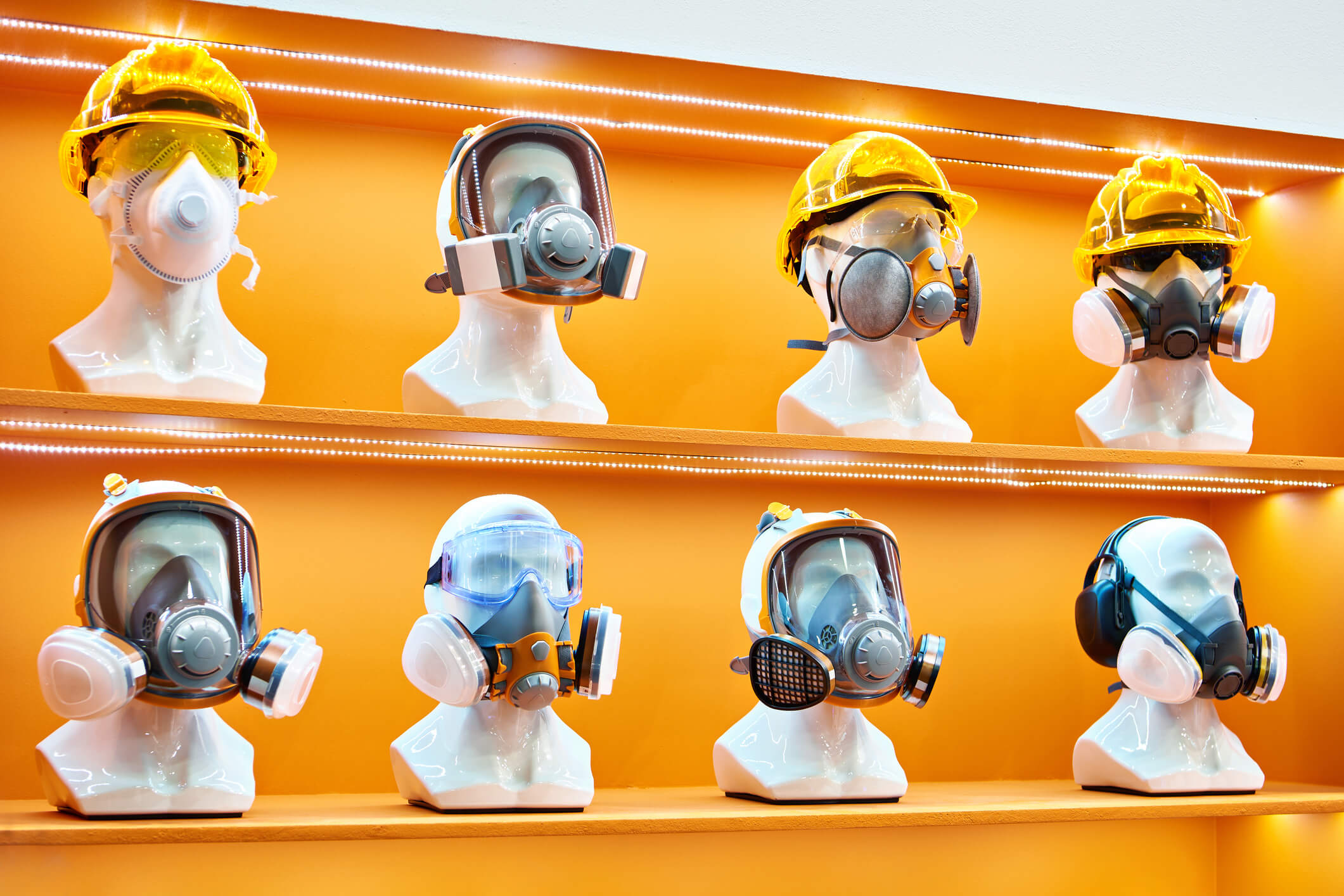
What Are the Most Reliable Full Face Dust Mask Options?
The 3M 6000 full face mask provides a highly practical, lightweight option for general construction and fire suppression contracting. For more demanding hazardous material environments, evaluate the 3M Promask due to its heavily reinforced durability and superior panoramic field of vision.
Professional equipment strictly depends on the exact hazards of your specific tasks. The 3M 6000 option remains a top choice for procurement teams needing reliable compliance across widespread contracting teams. It features a scratch-resistant polycarbonate visor and a comfortable elastomeric facepiece that handles daily wear on active construction sites easily. Alternatively, the 3M Promask is engineered specifically for tougher toxic waste disposal or intensive industrial welding environments. It delivers an exceptional wide-angle view and uses a highly resilient halo harness for secure fitting. Both products guarantee certified protection standards and represent practical professional equipment you can trust to perform.
Purchase products directly from our category pages to secure authenticated protective hardware. Proper product selection depends on matching the hardware to the daily workflow. Commonly requested applications for the 3M 6000 involve:
- General mechanical contracting and pipe installation
- Fire life safety systems integration work
How Do Filters and Face Fit Testing Determine Safety Compliance?
Masks only function effectively when paired with the correct particulate filters and tested for an exact facial seal. Professional face fit testing guarantees the assigned full face dust mask actively prevents contaminated air from leaking around the edges during heavy physical labour on construction sites.
Selecting the right filter cartridge depends directly on the materials your team handles daily. Asbestos removal requires highly rated particulate filters, while welding operations need combined gas and vapour protection. You must always match the filter classification to your specific site risk assessment to maintain continuous legal compliance across the entire organisation. A mask without a proper seal offers zero legitimate protection against fine airborne toxins.
Beards entirely compromise the tight seal required for negative pressure respirators. Workers with facial hair will fail mandatory face fit testing and must seek alternative positive pressure hoods to maintain safe breathing conditions. Procurement and operations teams must standardise their compliance protocols carefully. Routine filter management and fit assessment tasks must involve strict regulatory tracking. Managers need to confirm they are:
- Matching particulate rating codes directly to site hazard reports
- Arranging certified face fit testing for all new site contractors
How Should Teams Maintain a Full Face Dust Mask for Long Term Use?
Proper maintenance involves daily cleaning of the visor and thorough inspection of the breathing valves to keep your dust mask effective. Workers must wipe down the sealing edge with approved sterile wipes and store the unit in a sealed container away from direct site dust.
Scratched visors severely limit visibility and increase the risk of accidents during precise mechanical contracting work. Clear visors require gentle cleaning using non-abrasive materials and warm soapy water rather than harsh chemical solvents. Caring for the polycarbonate lens prolongs the lifespan of the equipment significantly and stops replacement costs from spiralling out of control. The internal inhalation and exhalation valves require regular checks for trapped debris or moisture buildup. A blocked valve forces the worker to breathe harder and creates dangerous physical fatigue on the job.
Strict maintenance protocols preserve your hardware investment. Daily checks should cover fundamental integrity factors before the worker steps onto the site. Basic daily reviews include:
- Wiping the main polycarbonate visor with sterile cleansing materials
- Checking both exhalation and inhalation valves for physical blockages
How To Buy Full Face Dust Masks in Bulk
Safety managers and procurement teams can access major bulk deal savings by purchasing certified protective equipment directly through specialist suppliers. Relying on an experienced provider guarantees your organisation receives compliant products alongside dedicated safety support for all your respiratory hardware needs.
Equipping a large team requires careful budget management without compromising on legal requirements. Ordering high volumes of masks and replacement filters drastically reduces your overall operational costs. Bulk purchasing guarantees your active sites never experience downtime due to missing safety gear. Protective Masks Direct brings over 20 years of focused industry expertise to every order. We supply only genuine certified stock to protect your workforce and provide technical guidance whenever your procurement team needs product recommendations.
Frequently Asked Questions About Full Face Protection
Workers and site managers frequently ask about what specific hazards full masks block, how facial hair impacts safety, and how often maintenance should occur. Understanding these core factors guarantees strict compliance with health and safety regulations across diverse industrial and mechanical work environments.
What Does a Full Face Dust Mask Protect Against?
A full face dust mask protects the wearer against airborne toxic dust and direct facial impacts. They shield the eyes from flying debris and stop hazardous fumes from entering the lungs during intense industrial or laboratory procedures.
These units act as a complete physical barrier for the most sensitive areas of the face. When fitted with correct high-efficiency filters, they screen out highly dangerous particles like asbestos or microscopic silica dust. The integrated visor simultaneously prevents eye irritation from chemical splashes and rough construction debris.
Can Workers with Beards Safely Use These Respirators?
Workers with beards or heavy stubble cannot safely use a standard full face dust mask because facial hair breaks the tight silicone seal against the skin. Contaminated air will easily bypass the filters and enter the breathing zone through these tiny gaps.
Legal compliance requires a perfectly smooth surface for negative pressure face fit testing to secure a pass. Even a single day of stubble growth causes test failure and puts the worker at serious respiratory risk. Powered air purifying hoods offer the only compliant alternative for workers retaining facial hair on the job site. Securing the correct protective gear guarantees your workforce remains completely safe and compliant during demanding industrial tasks.
How Do You Arrange Professional Face Fit Testing?
Health and safety managers can easily arrange professional face fit testing by contacting a certified supplier directly to schedule site visits or dedicated clinic appointments. This legally required testing guarantees every individual worker possesses a mask that perfectly matches their unique facial structure.
Regular testing must occur whenever a worker changes their mask model or experiences major weight fluctuation. Protective Masks Direct provides expert testing services to guarantee your mechanical and life safety teams remain entirely protected year-round. You can request testing services directly through our online portal or priority support channels. Contact our support team or shop online today to order your masks and request expert face fit testing services.