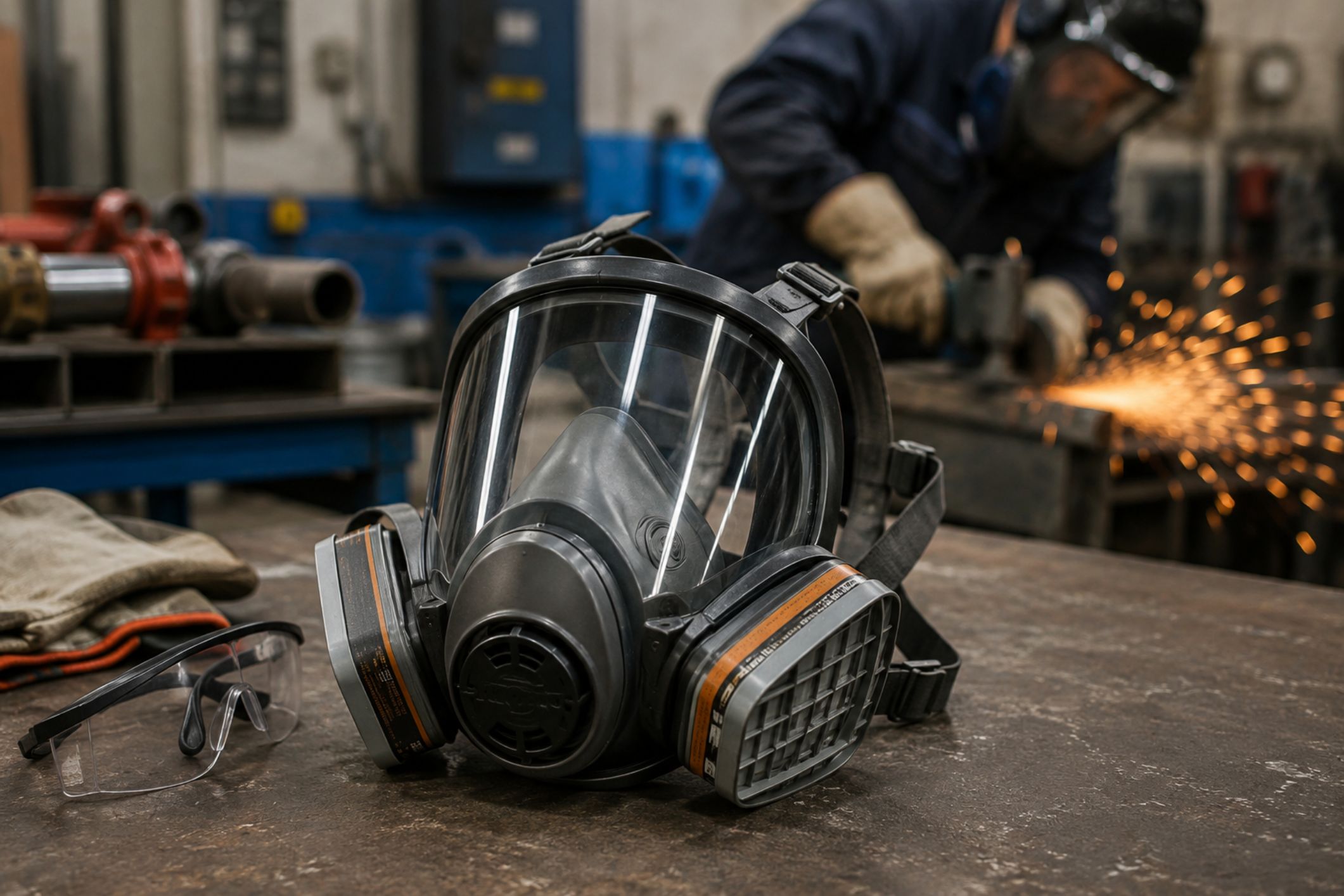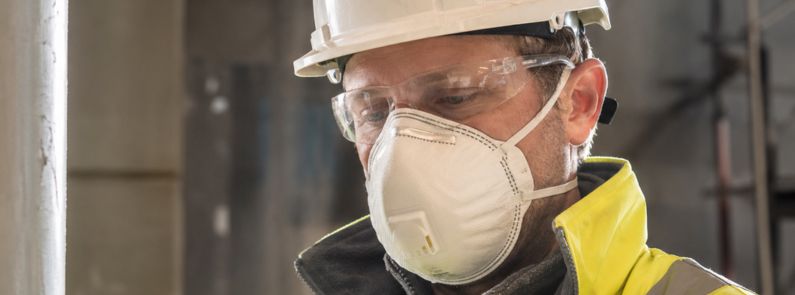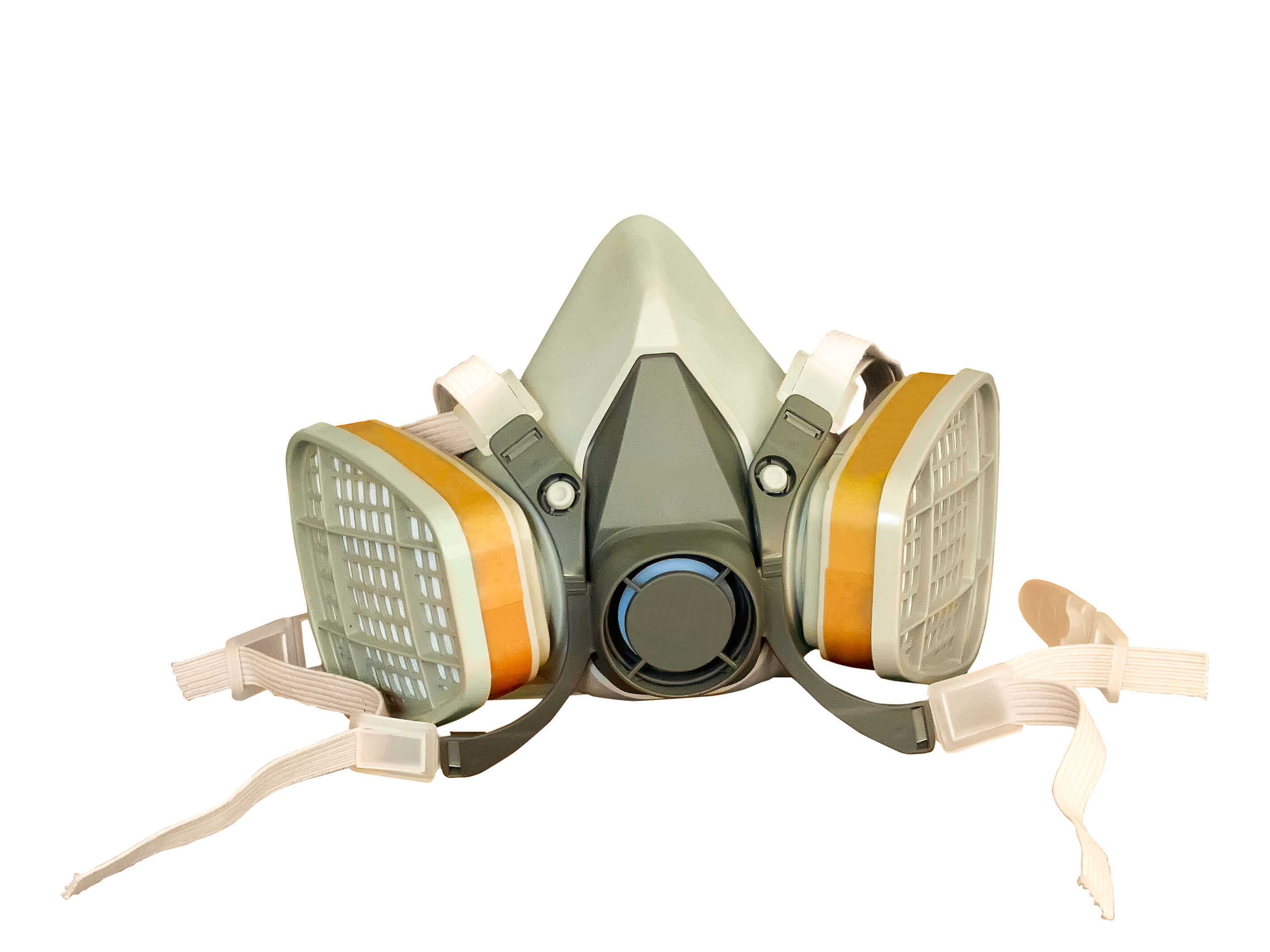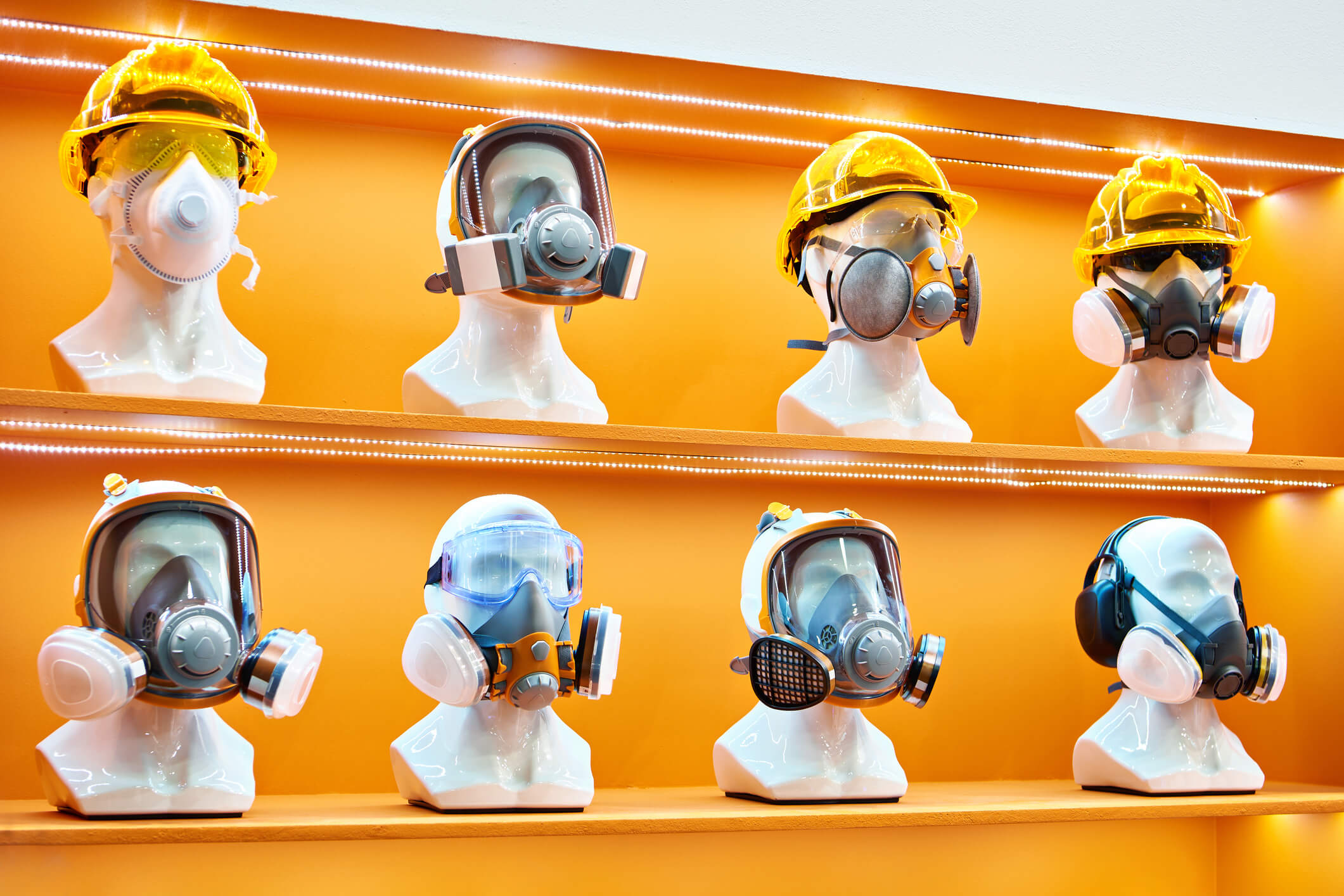
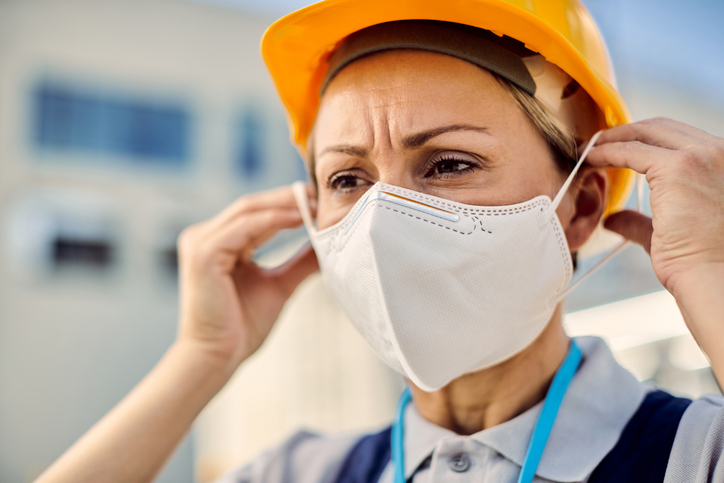
Respiratory damage in the UK construction industry is rarely immediate. Lung scarring from silica or asbestos fibres becomes permanent years after exposure. Tightness in the chest indicates an irreversible condition. Selecting the correct dust mask prevents chronic issues like COPD and occupational asthma.
Many professionals assume any face covering provides protection. This is incorrect. A dust mask unrated for specific microscopic toxins leaves you unprotected. Protective Masks Direct has supplied equipment meeting UK industrial safety standards for 18 years.
Why do most dust masks fail to protect workers on-site?
Safety failures usually result from incorrect filter ratings or poor facial seals. Air takes the path of least resistance. If a dust mask does not match the particle size of the contaminant, you will inhale the dust directly. The filter media requires an airtight seal to function.
Outdated procurement lists often fail to reflect current site hazards. High breathing resistance also compromises safety. Workers often pull equipment away from their faces to increase airflow. To be effective, your RPE needs to provide high airflow while maintaining a total barrier against particulates.
What are the long-term health risks of inhaling silica dust?
You release Respirable Crystalline Silica (RCS) whenever you cut, grind, or drill concrete. These microscopic particles bypass natural filters and stay in the lung tissue forever. Because the body cannot expel them, the lungs eventually harden. This condition, known as Silicosis, permanently reduces your capacity to take in oxygen.
Silicosis symptoms take years to manifest. Current sufferers are often victims of inadequate protection used decades ago. UK law mandates FFP3 respirators for high-toxicity tasks like concrete cutting.
What is the difference between FFP1, FFP2, and FFP3 safety masks?
The EN149 standard uses three categories to measure particle entrapment.
- FFP1 Masks (APF 4): These trap 80% of airborne particles. They are designed for low-level, non-toxic dusts from general cleaning or hand-sanding.
- FFP2 Masks (APF 10): These trap 94% of particles. You must use this type of dust mask for moderate risks like plastering and wood sanding.
- FFP3 Masks (APF 20): These trap 99% of particles. This is the only compliant rating for silica, asbestos, and carcinogenic fibres.
Standardising on FFP3 masks across high-risk zones prevents operators from selecting the wrong equipment.
Can high-intensity work cause a dust mask seal to fail?
Compliance depends on the work rate of the user. A standard dust mask creates breathing resistance that increases with the wearer's heart rate. Heavy manual lifting or concrete breaking causes more forceful inhalation. This pressure can cause mask walls to collapse or force air through the seal edges. High-intensity tasks often require valved respirators or powered systems to prevent the user from breaking the seal to breathe.
Why is PPE compatibility a common cause of mask failure?
A dust respirator mask must function alongside safety eyewear, ear defenders, and hard hats. PPE clashing is a frequent cause of seal failure. This often occurs when the bridge of safety glasses rests on the respirator nose clip. This contact breaks the airtight seal and allows toxic particulates to enter. You must perform compatibility checks with full kit. Fogging goggles usually indicate a leaking mask.
Does humidity and moisture affect dust mask filtration?
High humidity or mist degrades a dust mask faster than dry dust. Most high-performance filters use an electrostatic charge to trap fine particles. Excessive moisture from the environment or the wearer’s breath neutralises this charge. This reduces efficiency even if the filter appears clean. A damp or heavy mask indicates compromised protection and requires immediate replacement.
Is Face Fit Testing a legal requirement for disposable masks?
UK COSHH regulations require Face Fit Testing for all tight-fitting RPE. This confirms a safety mask seals against an individual's face. Facial shapes, scars, and weight changes mean a mask that works for one person will fail on another.
Gaps caused by beards or stubble allow contaminated air to bypass the filter media entirely. To remain compliant with the law, workers with facial hair must switch to a powered air-purifying respirator featuring a loose-fitting hood.
How often should you replace a disposable FFP3 respirator?
Disposable respirators have a finite lifespan. If a mask is marked 'NR' (Non-Reusable), you must discard it once the eight-hour shift ends. The combination of moisture from your breath and accumulated grit clogs the filter and ruins the electrostatic charge.
Heavy dust environments may require a fresh mask before the shift is even over. Reusing a disposable respirator for a second day creates a hygiene risk and lowers protection levels.
How can businesses reduce RPE costs?
Consolidating orders for certified equipment reduces safety compliance costs. Uncertified masks increase wastage and lead to failed fit tests.
We help procurement teams calculate usage rates and plan supply effectively. Bundling respirators with eye and head protection ensures a consistent supply chain. This guarantees staff have access to the models they were fit-tested for.
Secure your site with UK-compliant respiratory protection. Shop our PPE deals for competitive rates on certified protective masks. If you need technical advice on selecting the right equipment, please contact us.