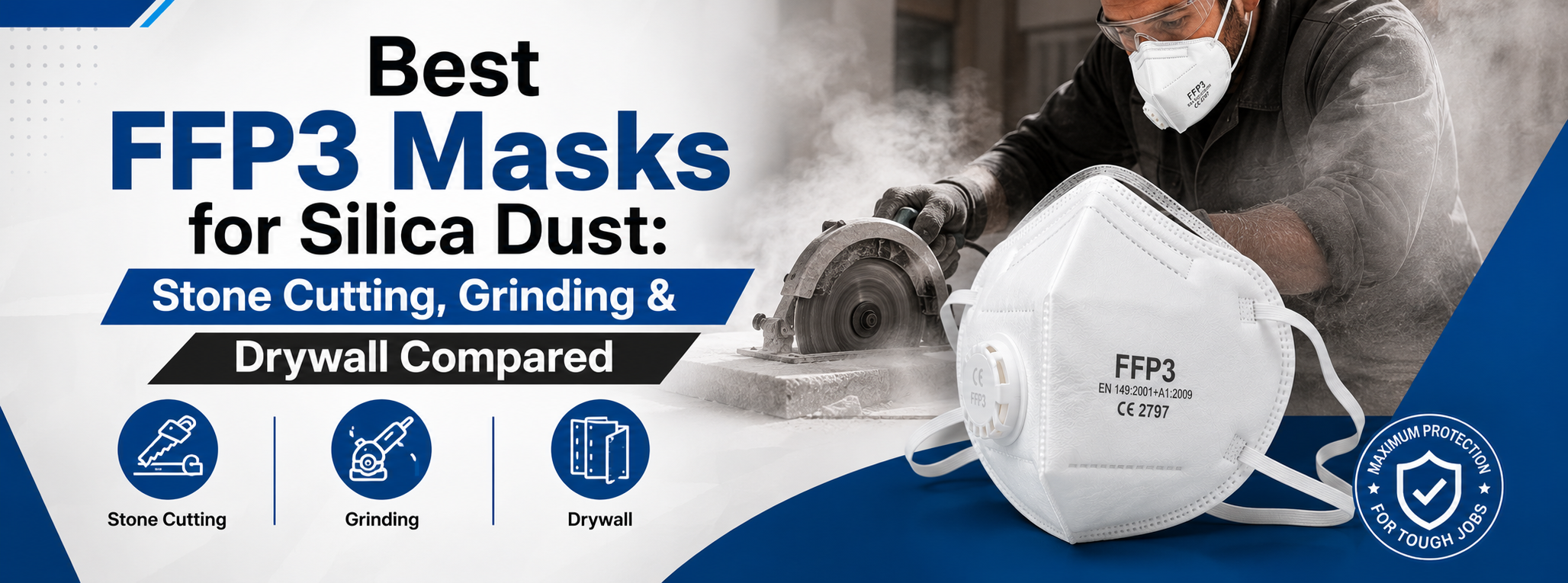
Stone cutting, grinding, and drywall sanding all create different risks. Amongst these risks, silica dust exposure is a serious risk across UK construction sites. In fact, the UK's workplace exposure limit for respirable crystalline silica sits at 0.1 mg per cubic metre, averaged over eight hours. A single dry cut can push levels 10 to 50 times above that limit, and not every FFP3 face mask can handle this level of exposure equally well. Therefore, choosing the right mask for your exact task and exposure level matters more than most workers realise.
This guide compares the best FFP3 mask options for stone cutting, grinding, and drywall sanding.
Key Takeaways
- An FFP3 mask offers the highest level of filtration for disposable particulate respirators.
- Different tasks such as grinding, cutting, and drywall sanding produce different levels of respirable crystalline silica.
- A disposable FFP3 respirator is an ideal mask for short-duration or occasional work, whereas reusable respirators are good for everyday professional use.
- Evaluating the face of an FFP3 mask is as important as its filtration performance.
- Wearing suitable respiratory protection should always be matched according to the task type and exposure levels.
Why the 'Best FFP3 Mask' Depends on the Task, Not Just the Rating
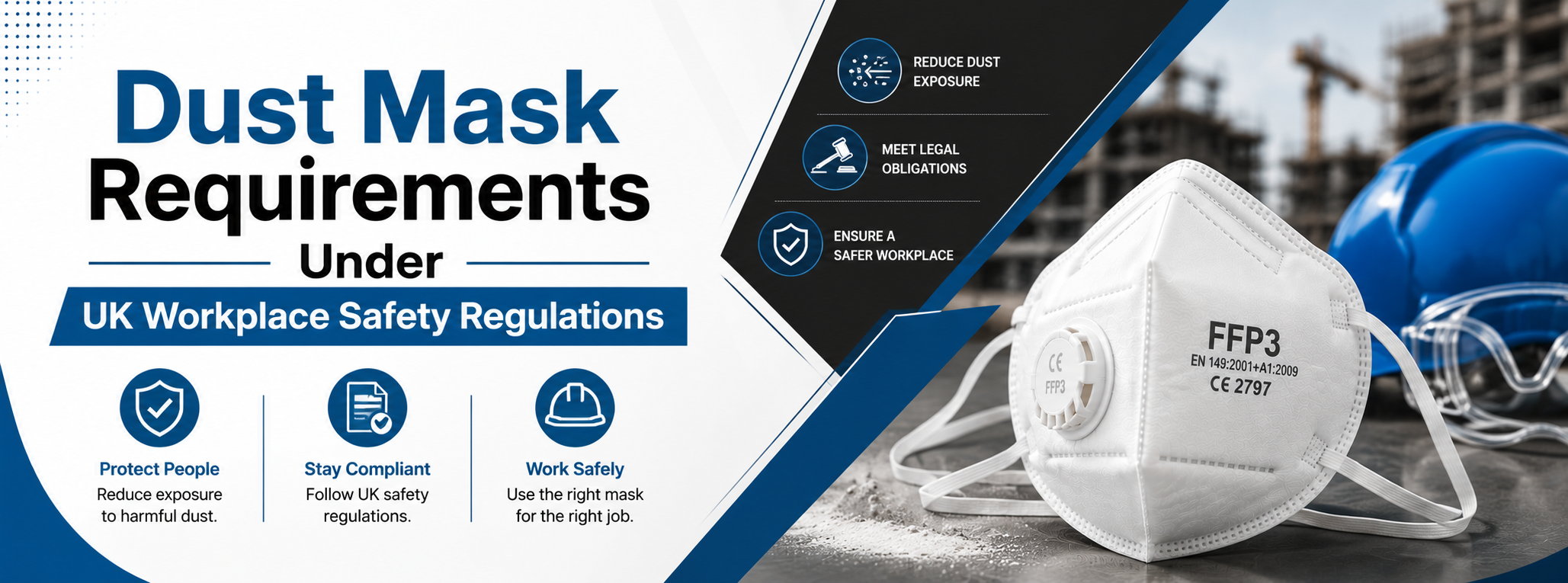
Most mask users have a common misconception that every FFP3 face mask offers the same level of protection because they all have the same certification. For example: All ffp3 face mask products rated to EN149:2001+A1:2009 filter at least 99% of airborne particles and carry an APF of 20. That means they reduce the wearer's exposure to a twentieth of what's in the surrounding air.
On that measure, a £1.50 valved disposable looks identical on paper to a £45 silicone half-mask. However, in reality, the FFP3 respirators perform differently depending on the type of task for which it is used.
The mask that filters well in a lab test and the mask that holds its seal on a worker using an angle grinder for four hours don't need to be different things. Mask weight, valve design, face seal material, and resistance to moisture saturation all change how a safety mask performs under real site conditions. Further, dust volume, task duration, and facial fit all affect actual exposure. Engineered stone work generates far more dust than occasional drywall sanding. The right choice depends on how much silica your specific task actually produces.
Stone Cutting vs Grinding vs Drywall — Which FFP3 Type Fits Each Job
Different construction activities generate different levels of respirable crystalline silica. Below are the different ways that silica hazard and mask type can vary based on the three most common cases:
Stone Cutting & Engineered Stone Fabrication
The cutting of engineered stone, including quartz, granite composite, and Silestone slabs, is repeatedly listed as one of the most dangerous silica operations in any industry. Engineered stones have as much as 95% silica content, which is significantly more than that found in natural stone or concrete. A dry cut on a disc cutter can generate an airborne plume almost immediately.
What the task needs from a mask
- Maximum face seal integrity, preferably a silicone half-mask over a foam-sealed disposable.
- Exhalation valve to manage heat during sustained cutting sessions.
- P3 filter rating on reusable masks for repeat exposure across a working week.
- Formal face fit test. This task generates some of the most hazardous silica levels of any trade.
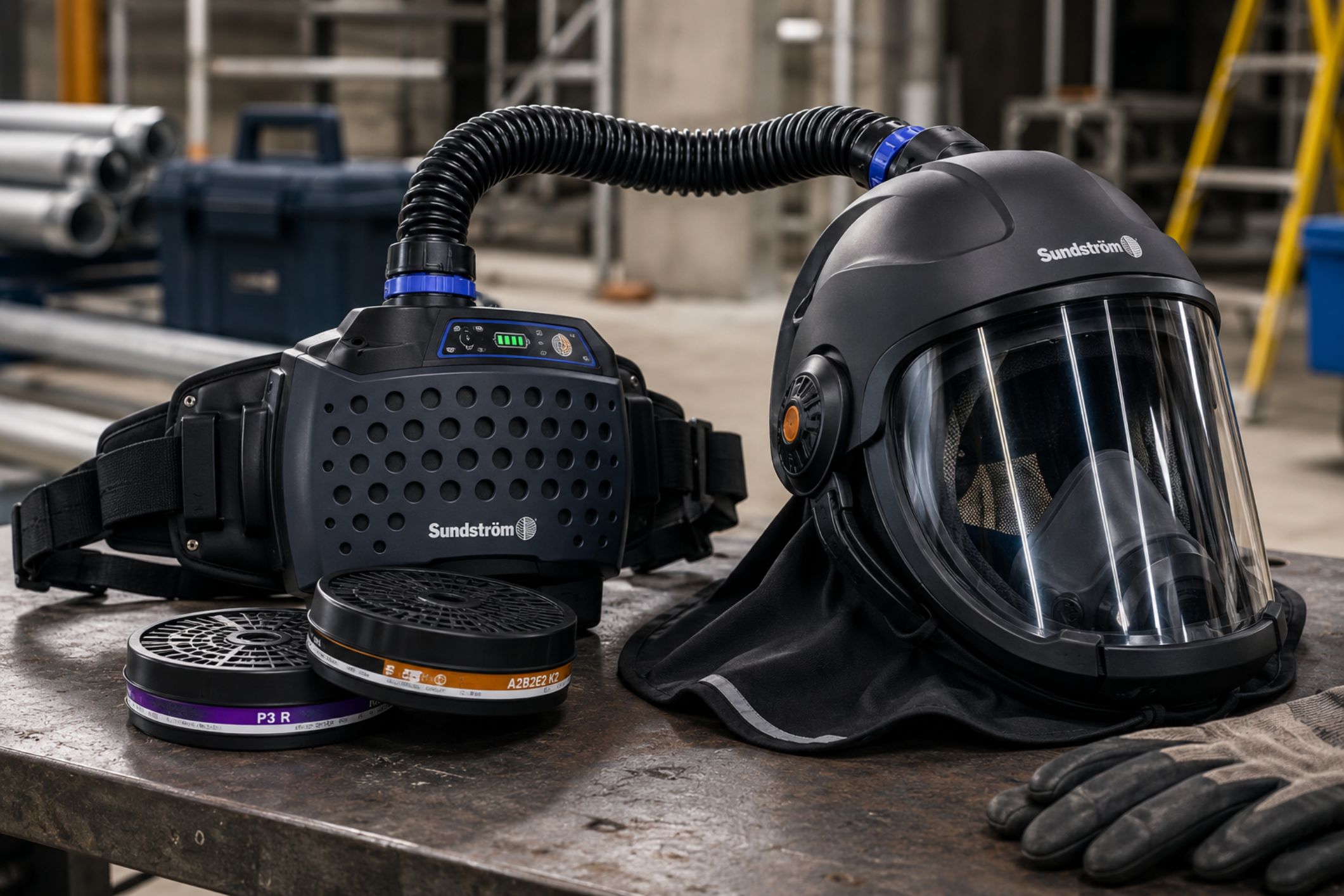
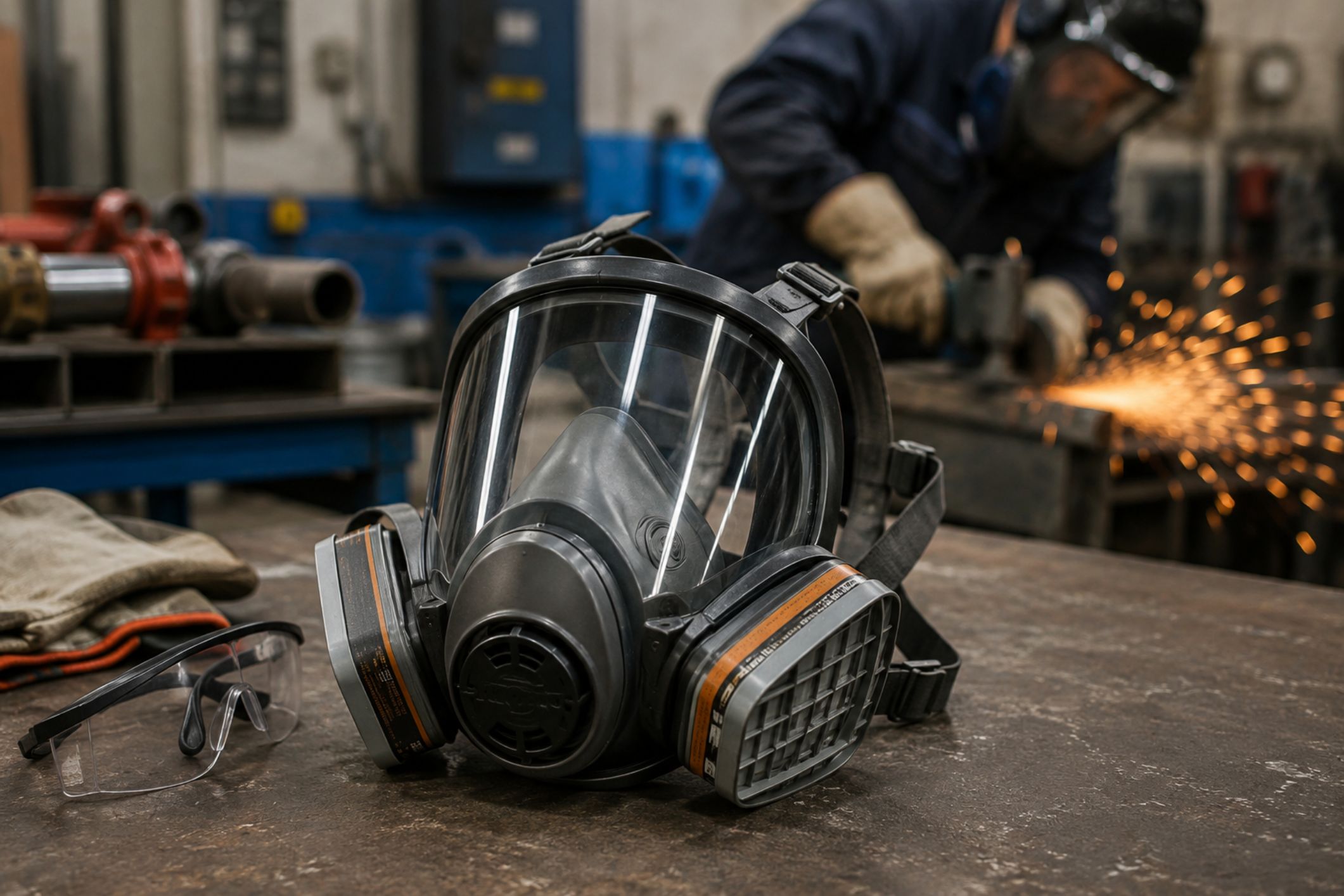
For engineered stone specifically, a p3 dust mask in reusable half-mask format is generally the more appropriate choice for anyone doing this work regularly. The Sundstrom SR100 and JSP Force 8 both offer the kind of consistent seal that foam-edged disposables can't match over a full shift.
Grinding, Chasing & Masonry Work
Grinding and chasing create a different dust profile from cutting. Exposure bursts are typically shorter, and the particle size is often coarser, but repeated throughout a shift. A dust face mask for this kind of work needs to handle stop-start wear across an unpredictable day.
What the task needs from a mask
- A valved ffp3 dust mask for shorter grinder sessions where a disposable is changed between tasks.
- Or a reusable P3 half-mask for workers grinding daily. The protective seal reduces cumulative exposure.
- Individual wrapping on disposables helps keep uncontaminated masks available across a split shift.
During such activities, wearing the Eagle P391 fold-flat FFP3 respirator or the Mask Pro3 L respirator can be an efficient way to prevent silica exposure.
Drywall & Plasterboard Sanding
Plasterboard dust contains silica, but at lower concentrations than engineered stone or dense masonry. The bigger challenge with drywall work is duration. Sanding is often a sustained, relatively light-pressure task that goes on for long periods, sometimes overhead, in enclosed spaces where dust has nowhere to disperse.
What the task needs from a mask
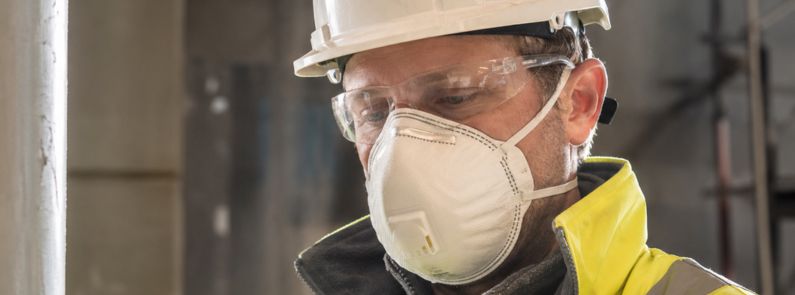
- A lightweight valved ffp3 face mask that stays comfortable during overhead or awkward-position sanding.
- Good nose bridge adjustment to prevent fogging during the steady, lower-intensity exertion of sanding.
- A format that fits cleanly under a face shield or safety spectacles if visual protection is also needed.
How to Choose Between Disposable and Reusable FFP3 for Silica Work
If you're working with silica-generating materials two or more times a week, a respirator mask in reusable P3 format, like the Sundstrom SR100 or JSP Force 8, might be a good option. It offers Better seal consistency, lower long-term cost, and is more comfortable for extended wear.
For those whose silica exposure happens on rare occasions, for instance when performing drywall work or drilling holes in a block wall, wearing a good valved FFP3 disposable dust mask can be an ideal option. However, you must choose one that is EN149:2001+A1:2009 rated. Also ensure that it fits properly and replace it before it becomes damp or difficult to breathe through.
Expert Tips & Common Mistakes When Buying FFP3 for Silica Dust
Here are some practical tips and common mistakes that should be explored before choosing an ffp3 dust mask or a dust face mask for silica work.
- Never use FFP2 for silica tasks: it's not adequate under HSE COSHH guidance, regardless of how dusty the job looks.
- Don't skip face fit testing: a mask with a poor seal provides no protection even at the highest filter rating.
- Don't wear a tight-fitting mask over a beard: stubble along the seal line breaks the face seal entirely.
- Do replace disposables before breathing becomes noticeably harder: increased resistance signals the filter is loaded.
- Do pair RPE with suppression at source: wet cutting or vacuum extraction should always come before the mask, not instead of it.
- Don't assume one size fits all: if an ffp3 mask fogs glasses significantly, the seal isn't right.
Conclusion
Silica dust protection isn't one-size-fits-all across every task. The P3 mask or FFP3 option that works for drywall sanding will not be the best option for dry-cutting engineered stone. Match the mask to the task, instead of focusing on the rating on the box. If you work in an environment where silica dust is present every day, a reusable P3 face mask with replaceable filters is a more reliable and more cost-effective choice. For occasional exposure, a quality ffp3 dust mask in disposable format is the perfect choice. Always make sure the mask you choose is tested for face fit, can be easily worn, and replaced before the performance drops.
Ready to Find the Right FFP3 Mask? Browse certified FFP3 masks and respirators at Protective Masks Direct today to find the right fit for your work.
FAQs
1. What's the best FFP3 mask for cutting engineered stone or quartz?
A reusable FFP3 half-mask with a silicone face seal is preferable for this task. It works best given the very high silica concentrations involved and the extended cutting sessions typical of stonework.
2. Is a disposable or reusable FFP3 mask better for daily silica exposure?
Reusable is better for daily silica exposure. A silicone-bodied P3 half-mask holds a better seal across a long shift. It also costs less per day of use once filters are replaced. It offers better protection and better value for workers every day.
3. Do valved FFP3 masks protect against silica dust as well as non-valved ones?
Yes. The exhalation valve only affects exhaled air. Inhalation still passes through the full FFP3 or P3 filter. Valved ffp3 dust mask products are better for silica protection. It also suits regular physical tasks due to reduced heat and moisture build-up.
4. What's the best FFP3 mask for beards when working with silica dust?
There isn't one. No tight-fitting ffp3 face mask or P3 half-mask can seal correctly over facial hair along the seal line. A powered air-purifying respirator (PAPR) with a loose-fitted hood is the only compliant option for bearded workers functioning across the silica tasks.
5. Do I need face fit testing for occasional DIY stone or drywall work?
Formal face fit testing is a legal requirement for employed workers under COSHH. For DIY use, testing isn't legally mandated. But it's the only way to confirm a dust mask is actually sealing on your face. An untested mask may still provide little protection, no matter what its EN149 rating.