Comparing industrial respiratory equipment requires more than looking at basic airflow numbers. Health and safety managers need a reliable framework before authorising equipment purchases for contractors. Selecting the incorrect hardware directly reduces airflow reliability and operator comfort under demanding physical conditions. This technical guide outlines the specific physical features required to assess life safety systems.
Why Similar Respirator Systems Carry Different Environmental Risks
Identical written specifications often deliver completely different protective results in hazardous working environments. You must evaluate exact regulatory certification standards and motor capacity rather than assuming all commercial retail systems provide equal respiratory defence. Generic procurement strategies fail against the intense demands of mechanical contracting or fire suppression installation.
Every building site presents strict regulatory constraints that demand precise equipment matching for verified legal compliance. Matching the ratings to your exact operational risks eliminates severe legal vulnerabilities and protects skilled workers from preventable airborne hazards. Extended shift lengths compound the practical problem when rigid headtops cause friction or power systems fail before the job finishes. A checklist helps you match the physical hardware directly against the most critical environmental hazards to safeguard operators.
Key Features to Evaluate in A Powered Air-Purifying Respirator
You must evaluate hazard type compatibility and constant airflow volume delivery. Professional powered air-purifying respirators also require thorough technical assessments of total battery duration and headtop ergonomics before final procurement. Matching these specific hardware components against daily industrial operations guarantees your team maintains strict regulatory compliance continuously.
Standard commercial buyers often look at the upfront retail price tag first. Professional health and safety teams know that correct compliance alignment always dictates the final project cost. Evaluating heavy systems based on specific hazard exposure guarantees that your procurement directly supports worker protection across demanding environments.
How Hazard Classification Dictates Your Equipment Comparison
Comparing systems requires you to identify the specific airborne particulates and chemical vapours present on active sites. Different structural environments generate distinct hazard profiles that demand exact filtration ratings. Your primary equipment evaluation must confirm the base unit possesses required safety certification for those specific operational threats.
Heavy dust exposure requires fundamentally different atmospheric handling than prolonged exposure to toxic vapours. Mechanical contracting involves aggressive grinding and metal cutting processes that release massive particulate volumes into the air. Identifying the primary daily hazard means you never under-specify the required respiratory protection tier on an active building site.
Why Filter Compatibility Secures Cross-Site Regulatory Compliance
Filter compatibility dictates whether a base respiratory system adapts to changing site hazards and updated regulatory compliance standards. Certain equipment only accepts basic particulate filters, whereas adaptable base units accommodate complex combinations for industrial vapours. Evaluating available filter attachments guarantees your equipment remains legally compliant continuously.
A highly rated system loses its practical value if you cannot secure the correct cartridge types for a specific ventilation project. You must verify the ongoing supply chain of heavy filters for chemical handling and fine industrial dust. Consistent supply access to these replacement components guarantees uninterrupted work schedules for professional tradespeople.
The Physical Impact of Airflow Rates on Operator Effectiveness
Sustained internal airflow prevents physical fatigue and maintains constant positive pressure inside the headpiece during intense labour. Systems with insufficient volume output cause severe breathing resistance and rapid operator exhaustion. High-capacity structural motors sustain the essential protective airflow required to meet strict governmental health and safety certifications.
Heavy physical labour increases human respiration rates significantly inside enclosed construction spaces with poor ventilation. A compliant air-purifying respirator must deliver continuous positive volume even as the external filters begin to clog with debris. Comparing the mechanical motor capacity verifies the protective airflow remains constant throughout the entire working rotation.
Battery Duration Requirements for Heavy Suppression Work
Integrated battery capacity must easily exceed the maximum anticipated shift length to maintain continuous positive pressure protection. Cross-referencing internal power systems prevents dangerous mid-shift equipment shutdowns in restricted structural zones. Professional units offer high-durability power cells supporting extended industrial work cycles without unexpected physical task interruptions.
Installation tasks require specialist workers to operate in environments where leaving to recharge a unit disrupts the entire project timeline. Checking both the total maximum run time and the rapid recharge speed provides a clear picture of operational efficiency. Reliable heavy power delivery forms the direct physical foundation of continuous life safety compliance on any contracting site.
Headtop Ergonomics and Visor Clarity for Safety Compliance
Poor headtop comfort and restricted visibility lead directly to illegal equipment removal in hazardous working areas. Equipment that restricts peripheral vision or causes intense physical discomfort quickly becomes a severe safety liability. Comparing visor optics and internal harness designs guarantees operatives will wear the protective system willingly during shifts.
Clear reinforced visors prevent physical accidents during complex mechanical alignment and heavy machinery operation. Structural workers need completely unrestricted views to identify environmental risks safely and execute precise technical pipe installations. The secure headgear must balance the weight of the supply hose perfectly to prevent muscular neck strain over long periods.
Managing Diverse Hazards with the Sundstrom SR 500 Equipment
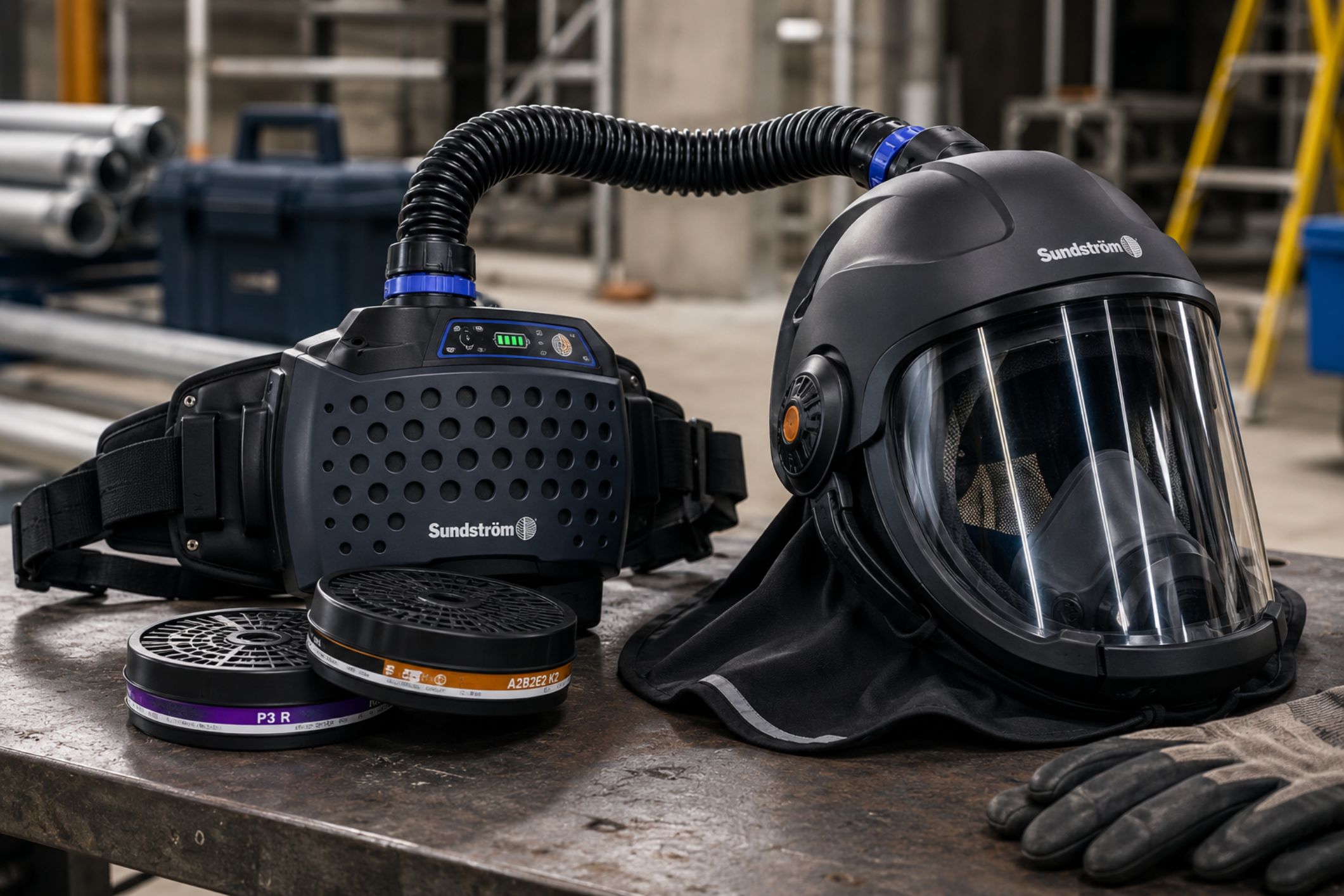
The Sundstrom SR 500 powered air-purifying respirator provides exceptional protection against heavy industrial dust through heavy-duty motor design. Adding high-efficiency filtration modules guarantees compliance against fumes when site conditions shift unexpectedly. This practical combination offers reliable airflow and outstanding visor clarity for demanding industrial and healthcare environments.
Evaluating this specific unit highlights the exact structural features required for complete industrial safety management. The equipment system demonstrates how adaptable physical hardware reduces the expensive necessity to purchase entirely separate breathing mechanisms. Standard module kits deal effectively with particulate matter commonly found during complex fire sprinkler design and site installation. Health and safety managers select this specific setup because it supports interchangeable elements efficiently.
Tracking Specific Replacement Parts for Immediate Site Readiness
You must verify the ready availability of certified replacement filters and connection hoses. Comparing complex systems includes checking the reliable supply chain of high-capacity battery units and transparent visors. A solid respirator platform requires constant daily access to compatible system components to maintain absolute regulatory safety compliance.
Every powered air-purifying respirator relies entirely on the structural quality and working condition of its external attachments. Flexible supply hoses sustain heavy damage in tight structural crawl spaces while rubber seals gradually degrade through daily environmental wear. Failure to replace these specific protective elements compromises the positive pressure breathing environment instantly during operation. Maintaining a clear hardware inventory of approved structural spares keeps your organisational legal compliance record flawless.
Scheduled Maintenance Procedures for Respiratory Equipment
Regular mechanical maintenance demands strict operational adherence to daily visual inspections and scheduled component replacements based on precise manufacturer guidelines. You must clean the electrical motor housing carefully and check every structural seal. Proper daily care guarantees the mechanical unit performs flawlessly during site health and safety regulatory audits.
A routine physical inspection checklist forms the absolute core of any serious respiratory protection management programme. Workers must inspect the battery charge status and externally examine the filter locking rings before entering active structural zones. These procedural steps directly prevent internal lung exposure to airborne industrial contaminants. Documented physical maintenance logs definitively prove your ongoing operational commitment to total site safety and mandatory legal compliance.
Frequently Asked Questions Regarding Industrial Respirator Evaluations
Evaluating powered air-purifying respirators generates common technical questions regarding hazard certification and multiple filtration capabilities. Reviewing these exact operational concerns means you select the correct mechanical hardware for heavy physical workloads. Proper technical analysis eliminates costly sourcing mistakes before deploying required equipment to active structural environments.
What To Compare Before Buying a Powered Air-Purifying Respirator
You must accurately evaluate the specific hazard certification requirement alongside required compatible filter types. Comparing the exact mechanical airflow delivery rates under heavy load means the system matches your physical work intensity perfectly. Never conduct a physical equipment comparison based solely on the cheapest available retail unit price.
Multiple Hazard Protection Using Combined Filtration Systems
A single high-quality ventilation system protects against multiple atmospheric hazards if it officially accepts combined chemical filtration cartridges. You must proactively verify the specific manufacturer explicitly certifies the base unit to run effectively with heavy combined filters. Always thoroughly verify the specific chemical gas rating before deployment.
Securing Compliant Powered Air-Purifying Respirator Systems
You must precisely select mechanical equipment that strictly aligns with your specific active site risks and daily operational physical demands. Proper technical comparison eliminates the incredibly costly mistake of supplying inadequate protection to skilled industrial professionals. Trusting highly certified technical suppliers guarantees your regulatory documentation remains completely legally verifiable.
Protective Masks Direct brings over 20 years of technical expertise and a verified legal compliance focus to your critical site safety procurement. We strongly encourage buyers to securely purchase protective products directly from category store pages to secure mechanical equipment quickly. Our extensive logistics inventory means you never face costly project delays when upgrading your essential industrial site safety measures. Contact our technical team to schedule official face fit testing and secure full legal compliance for your workforce.