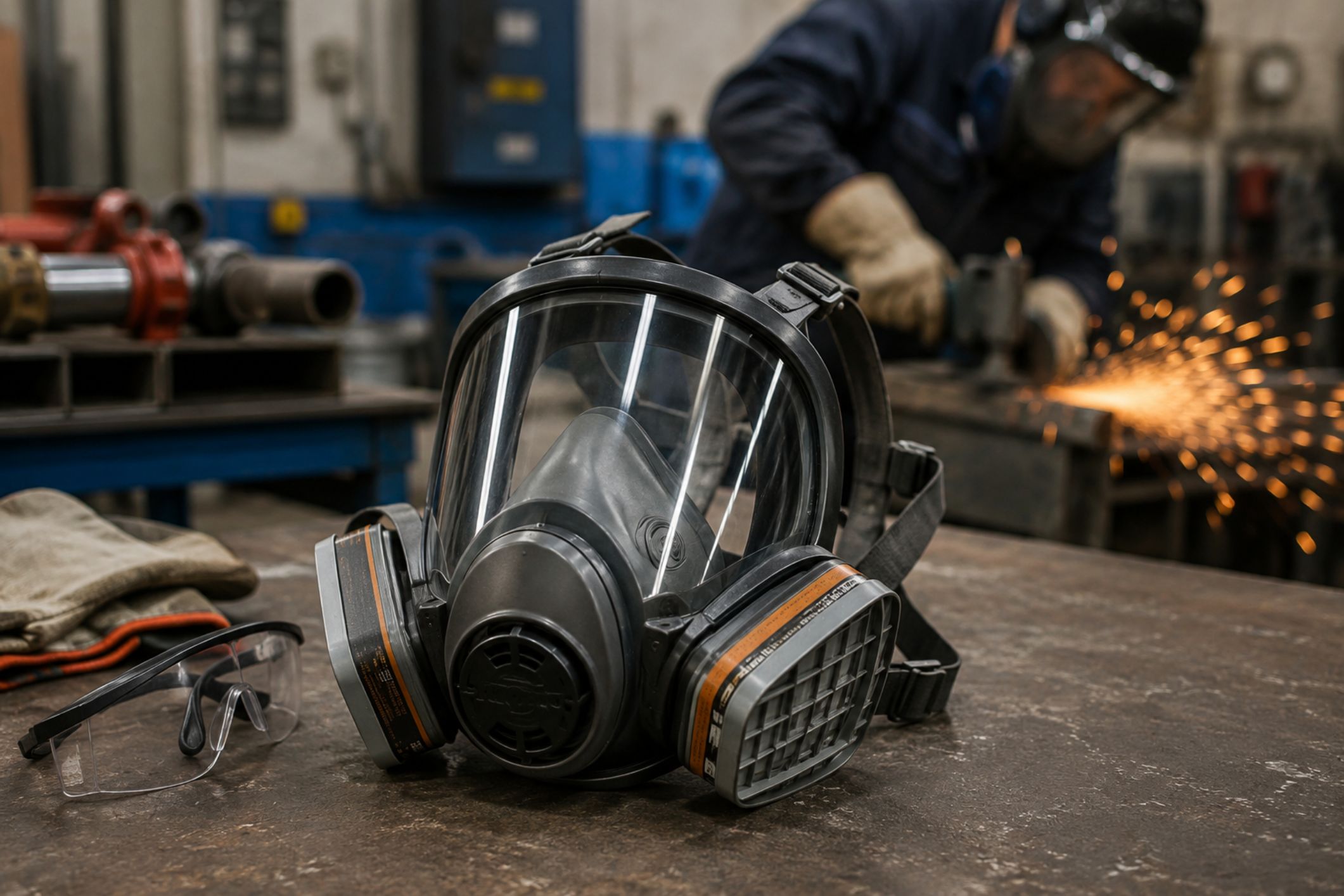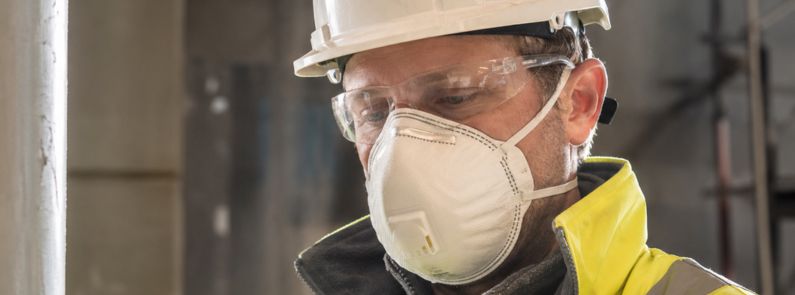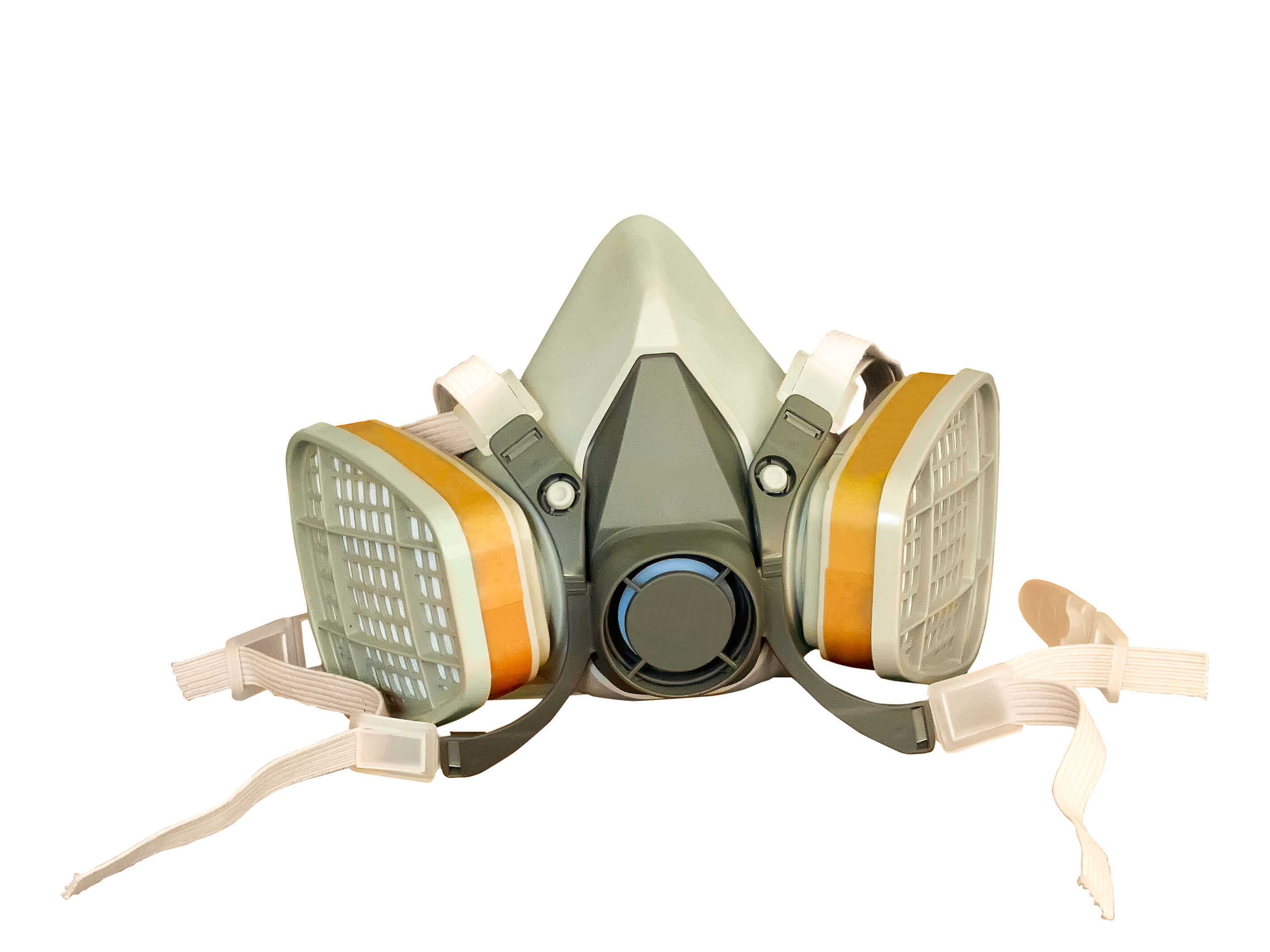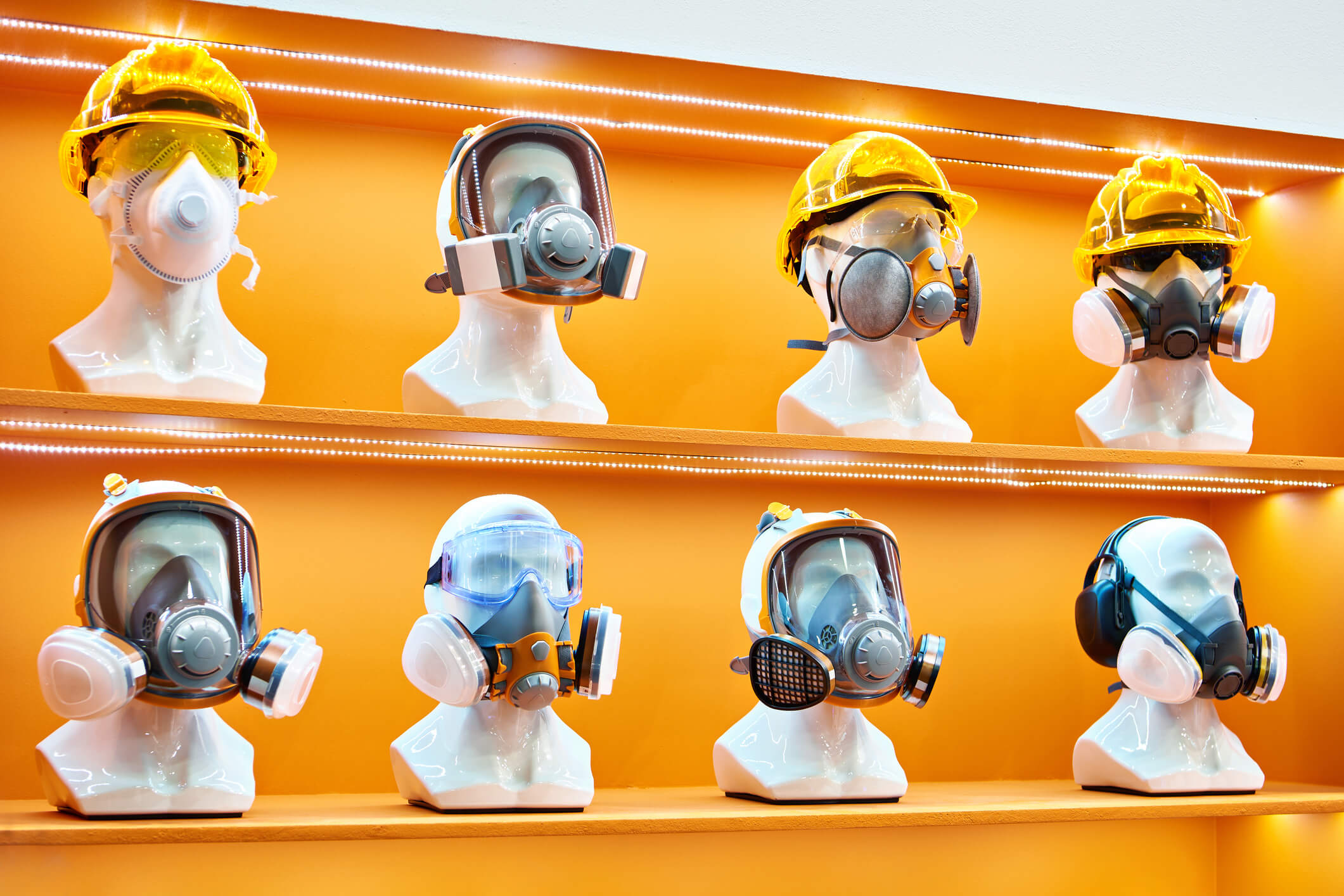
Workplace dust exposure represents a severe hazard in construction and manufacturing facilities. Prolonged inhalation of hazardous particulates degrades respiratory health and exposes employers to complex liability risks. Selecting a compliant Powered Air-Purifying Respirator (PAPR) protects your workforce and guarantees adherence to EN149 and HSE regulations. Our technical knowledge helps health and safety managers determine the correct protective specification to prevent critical equipment failures and respiratory injuries.
What Are the Core Regulations for RPE Compliance
A Powered Air-Purifying Respirator (PAPR) must meet rigorous European safety standards, including proper CE marking and alignment with EN12941 guidelines for powered devices. Health and safety managers must verify these certifications before deploying respiratory protective equipment into hazardous environments to ensure legal workplace compliance.
Protective Masks Direct supplies fully certified FFP2 and FFP3 respirator masks alongside advanced powered units. Regulatory structures dictate precise assigned protection factors for different commercial environments. Safety managers evaluate the expected concentration of airborne hazards against these protection factors to procure legal equipment and avoid operational shutdowns or fines.
How Do Powered Respirators Function in Industrial Settings
Air powered respirators function by using a battery-operated fan to draw contaminated air through a high-efficiency filter. This mechanism forces clean air into the headpiece to create a positive pressure environment. The positive pressure actively prevents hazardous industrial dust and toxic fumes from breaching the face seal.
Continuous airflow significantly reduces breathing resistance compared to traditional tight-fitting masks that require lung power to draw air through filter media. This sustained positive pressure improves worker comfort during long shifts in demanding sectors like heavy manufacturing and asbestos removal. Procurement teams can secure volume pricing on all respiratory protective equipment, including head and eye protection combinations. We also facilitate UK-wide Face Fit Testing and Train-the-Trainer sessions to verify correct usage across your entire staff.
Which Sundstrom Ready Pack Suits Standard Dust Environments
The Sundstrom SR 500 and SR 575 Ready Pack systems are designed for high-capacity particulate filtration in standard heavy dust environments. These ergonomic units maintain a continuous positive pressure airflow throughout standard commercial shifts, accommodating extra combination filters to defend against dangerous fumes in confined workspaces.
Installing reliable respiratory equipment prevents costly downtime in fast-paced construction sectors. Workers experience substantially less physical fatigue when relying on steady purified airflow instead of lung-drawn filtration. Sourcing compatible filter cartridges alongside protective clothing and hearing protection simplifies your overall equipment procurement strategy. We verify all product specifications against current respiratory safety standards to maintain your ongoing HSE compliance.
What System Is Required for Volatile Atmospheres
Volatile atmospheres require intrinsically safe respiratory systems like the Sundstrom SR 500 EX or SR 570 EX. These specialised units prevent electrical arcing and ignition within ATEX-rated zones containing flammable gases or combustible dust. They deliver high-efficiency particulate filtration alongside optional defence against chemical fumes.
Petrochemical plants and solvent handling facilities demand strict intrinsically safe certification because standard battery units create an unacceptable explosion risk. Technical documentation accompanies every inherently safe unit to help safety managers review site designations before authorising PAPR deployment. Our compliance experts guide procurement teams through specific ATEX rating requirements to support hazardous waste operators navigating chemical refining and underground mining tasks.
Why Is Face Fit Testing Vital for Workplace Safety
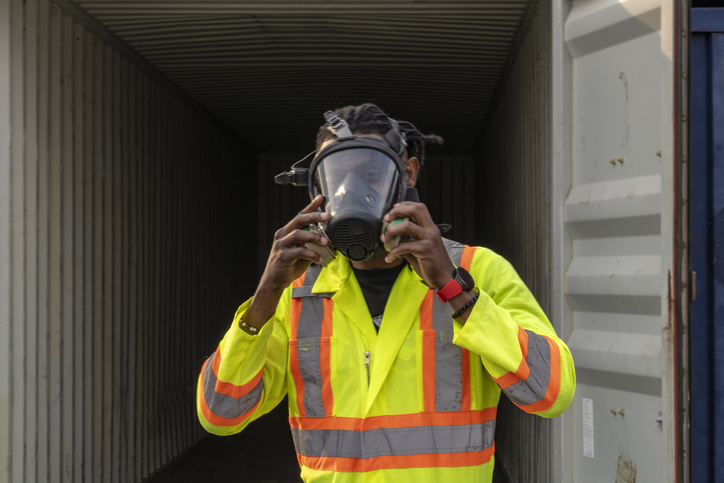
Face fit testing is legally required under UK regulations to confirm that tight-fitting respiratory face pieces create an adequate protective seal. While powered hoods operate on positive pressure and bypass this requirement, half-masks and full-face particulate variants absolutely require professional testing to ensure workplace safety.
A compromised mask seal allows microscopic particulates to bypass the filter media entirely, causing even the highest-rated respirators to fail. Protective Masks Direct conducts comprehensive UK-wide face fit testing and Train-the-Trainer sessions so your internal staff can manage ongoing regulatory adherence. Robust testing procedures protect your company from significant liability during routine HSE site inspections. Bundling these training programmes with your equipment delivery demonstrates a proactive approach to commercial occupational health.
How Does Equipment Selection Affect Skilled Workers
Proper respiratory equipment selection directly dictates the stamina and precision of skilled tradespeople. Powered airflow systems provide an active cooling effect that prevents heat and moisture buildup against the face, whereas heavy traditional masks cause rapid physical fatigue during rigorous industrial labour.
An industrial welder fabricating large steel structures requires constant protection from metallic fumes without compromising visibility or comfort. Upgrading your workforce to advanced positive pressure respiratory equipment sharply reduces sickness absence across hazardous departments. Health and safety managers recognise this direct commercial link between continuous worker comfort and daily operational output. Our commercial inventory includes specialised headpieces designed exclusively for integration with powered air units, such as auto-darkening welding shields and impact-resistant grinding visors.
How Can Procurement Teams Optimise Safety Equipment Expenditure
Procurement teams optimise safety equipment expenditure by consolidating purchases with a single authoritative supplier to secure bulk commercial discounts. Accurate inventory forecasting and volume purchasing of powered respiratory units and replacement filters prevent unexpected shortages while substantially reducing overall operational costs.
Operations departments must balance strict budgetary requirements with absolute worker safety regulations. Purchasing bundled respiratory protection kits streamlines your supply chain while guaranteeing total product compatibility across different departments. Health and safety managers consult our compliance team to map out annual usage rates based on historical commercial data. This accurate procurement planning ensures uninterrupted respiratory protection during intensive project phases or major industrial shutdowns.
Are Replacement Filters Easily Available
Replacement filters for Powered Air-Purifying Respirators (PAPR) are readily available through our direct commercial supply lines. Safety supervisors must procure and replace these cartridges strictly according to manufacturer guidelines to maintain continuous positive airflow and defend against specific workplace exposure levels.
Saturated filters force the battery unit to work harder and subsequently restrict the required volume of purified air. Tradesmen require training to recognise the low-airflow warning alarms integrated into modern powered respirators. Maintaining a comprehensive onsite inventory of critical replacement parts prevents dangerous operational stoppages in heavy industrial facilities. You can purchase standard P3 particulate filters or A1B1E1K1 gas cartridges directly through our procurement portal to satisfy your replacement schedules.
How Do Maintenance Schedules Ensure Ongoing Compliance
Routine maintenance schedules are legally mandated to verify the protective capacity of any respiratory system and ensure ongoing compliance. Supervisors must conduct and document regular inspections of the breathing tube and face seal to prevent hazardous particulate leaks and satisfy rigorous HSE regulatory audits.
Battery maintenance dictates whether the powered unit delivers sufficient continuous airflow for the complete industrial shift. Lithium-ion power cells require strict adherence to manufacturer charging cycles to protect the operational lifespan of the core blower unit. A damaged exterior visor or compromised breathing hose immediately renders the entire respiratory system non-compliant. Replacing specific individual components proves far more cost-effective than discarding the full respiratory system when operating in harsh commercial environments.
How Can You Secure Certified Respiratory Protection Today
You secure certified respiratory protection by carefully reviewing your site hazard assessments and cross-referencing them against established PAPR equipment certifications. Supplying your staff with compliant powered air gear guarantees full adherence to HSE regulations while maintaining uninterrupted operational efficiency on site.
Your workforce requires industrial equipment that performs reliably when subjected to extreme commercial conditions. Review the exact specifications for the Sundstrom ready packs online to locate the correct hardware match for your specific operational hazard profile. Partnering with an experienced safety supplier grants you access to bulk deal savings and fast shipping on all crucial commercial orders.
Contact us to arrange face fit testing or finalise your equipment procurement immediately.