
Airborne hazards in commercial industrial environments compromise manual worker safety immediately. Prolonged exposure to silica dust and volatile chemical vapours degrades lung tissue irreversibly. Procuring certified respiratory protective equipment prevents documented occupational illness while satisfying mandatory regulatory health frameworks. Protective Masks Direct supplies the specific hardware necessary to correctly equip your active workforce. Our primary commercial inventory delivers verified particulate and vapour filtration units built specifically for rigorous industrial trades.
What Makes a Full Face Dust Mask Essential for High Risk Sites
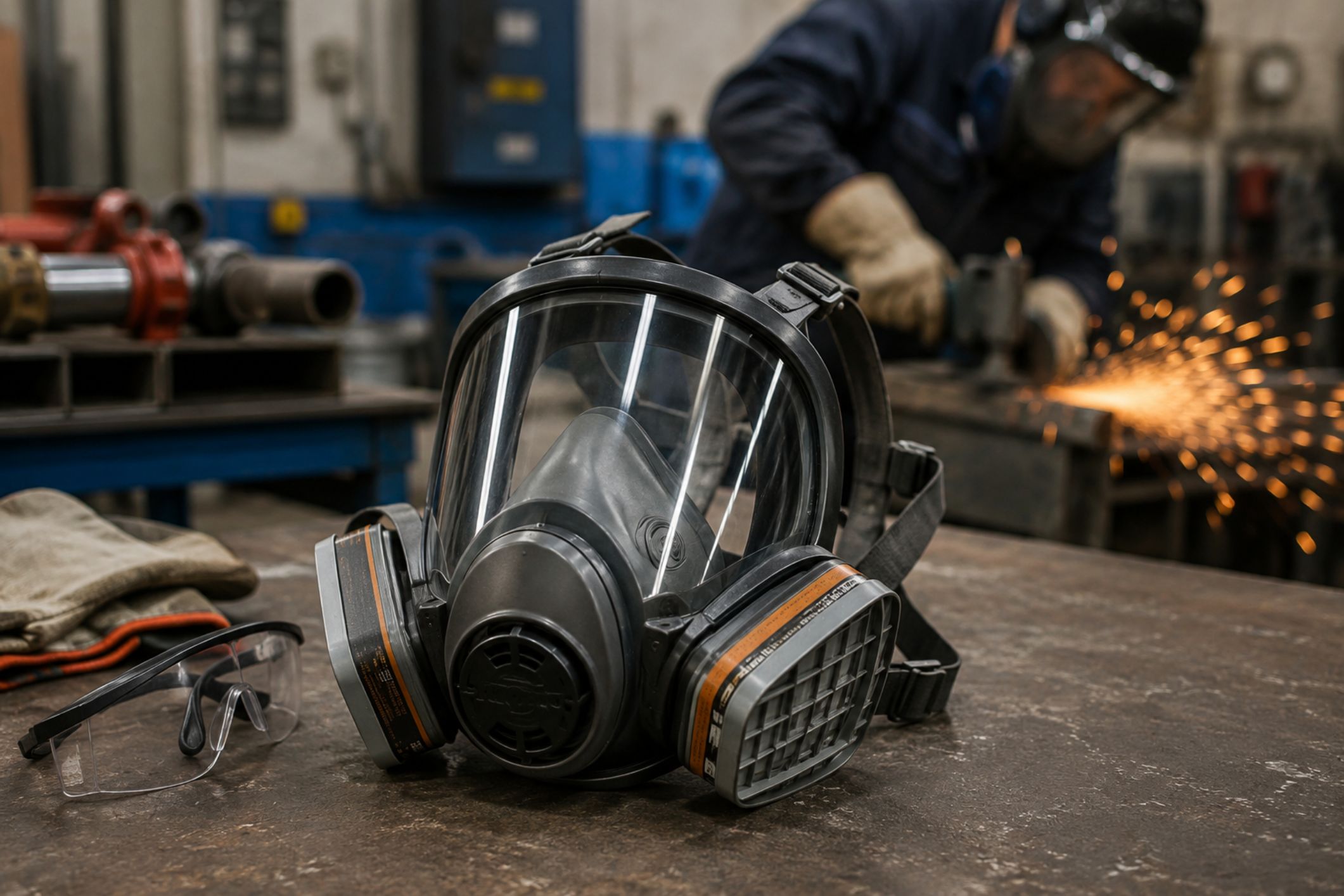
A Full Face Dust Mask creates an airtight elastomeric face seal against volatile atmospheric particulates while shielding the user's eyes. This integrated barrier prevents severe ocular irritation and the immediate inhalation of toxic substances. Site safety managers specify these dual-purpose units for comprehensive respiratory coverage during high-risk occupational exposure events.
Industrial heavy manufacturing and active demolition tasks push hazardous airborne debris directly into the local breathing zone. Constant exposure to crystalline silica or toxic metal fumes requires heavy-duty respirators to maintain a designated physical barrier. Relying on partial facial coverage leaves workers dangerously vulnerable to severe chemical splashes and abrasive dust penetration. Integrated polycarbonate visors deflect heavy structural impact forces while retaining total optical clarity across active construction projects. Deploying a unified protection system significantly reduces the total number of protective items individual contractors must manage during complex shifts.
How Do Filtration Classifications Govern Workplace Safety
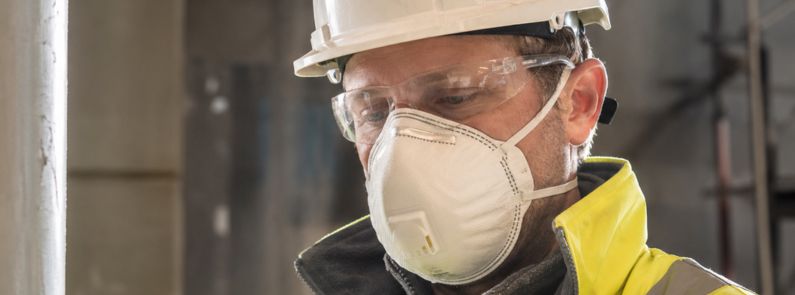
Filtration classifications dictate the specific occupational hazards a commercial full face respirator accurately intercepts. Standard UK FFP1, FFP2, and FFP3 regulatory ratings define the exact minimum percentage of airborne particulates physically blocked by the filter media. Sourcing the correct filter rating for a documented environmental hazard assures verified compliance and absolute worker safety.
Standard FFP1 filters block the large dust particles typically generated during manual masonry work or heavy sanding. Upgrading to FFP2 units secures the respiratory tract against moderate fine dust, while FFP3 delivers absolute maximum filtration efficiency against highly toxic hazards like raw asbestos. UK health and safety frameworks explicitly mandate these maximum protection parameters during hazardous material extraction. Scaling up to maximum filtration media remains the smartest baseline protocol when specific environmental variables remain highly unpredictable. Active safety officers enforce these exact filtration metrics directly across chemical processing plants and intensive woodworking facilities.
Which Premium Models Dominate Industrial Applications
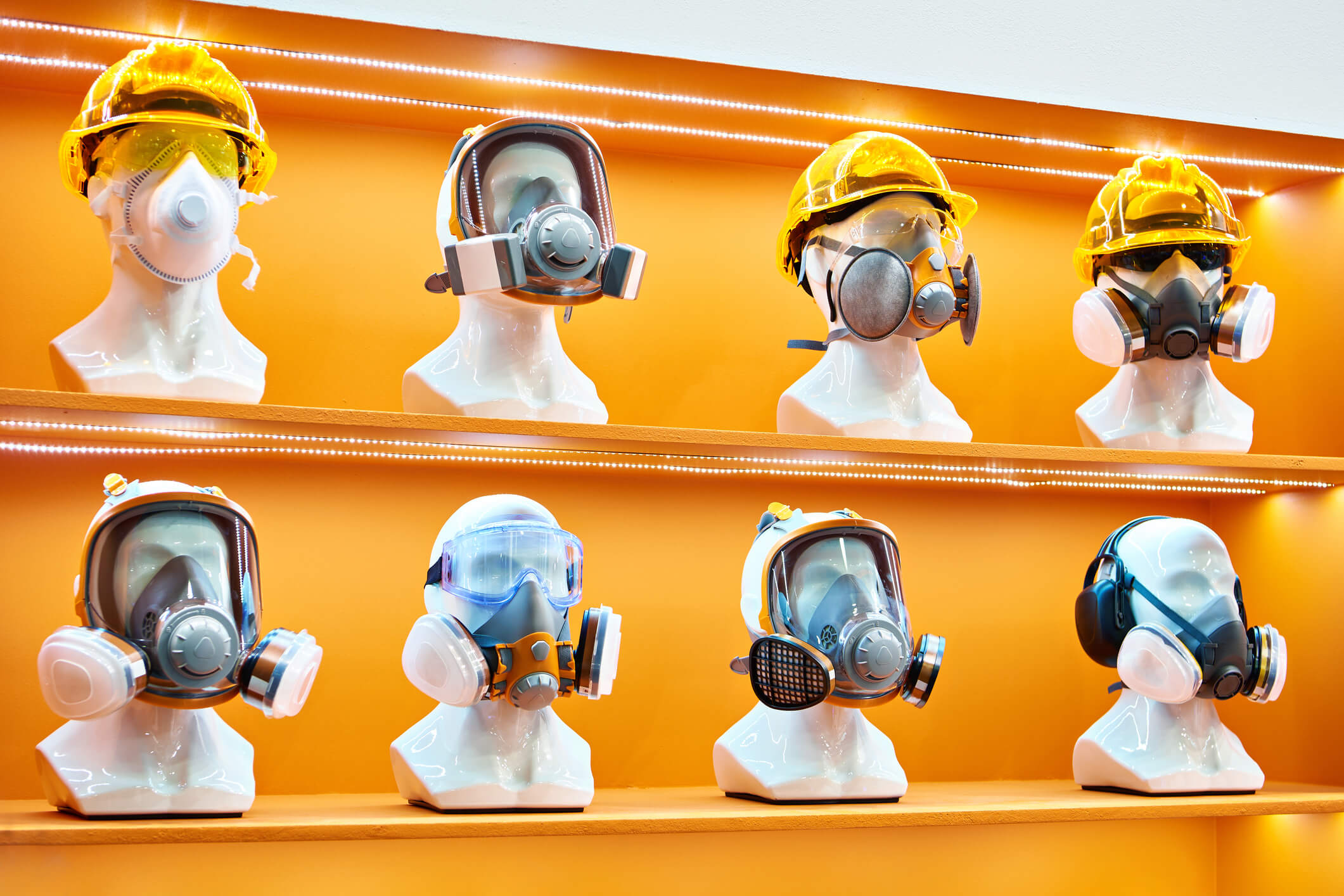
Professional industrial environments demand certified respiratory equipment exhibiting extensive field durability. Established premium respirator models retain a tight elastomeric face seal while maintaining critical optical clarity during extended twelve-hour shifts. Procurement directors rely entirely on these specified units to drive continuous operational efficiency and properly sustain daily contractor comfort.
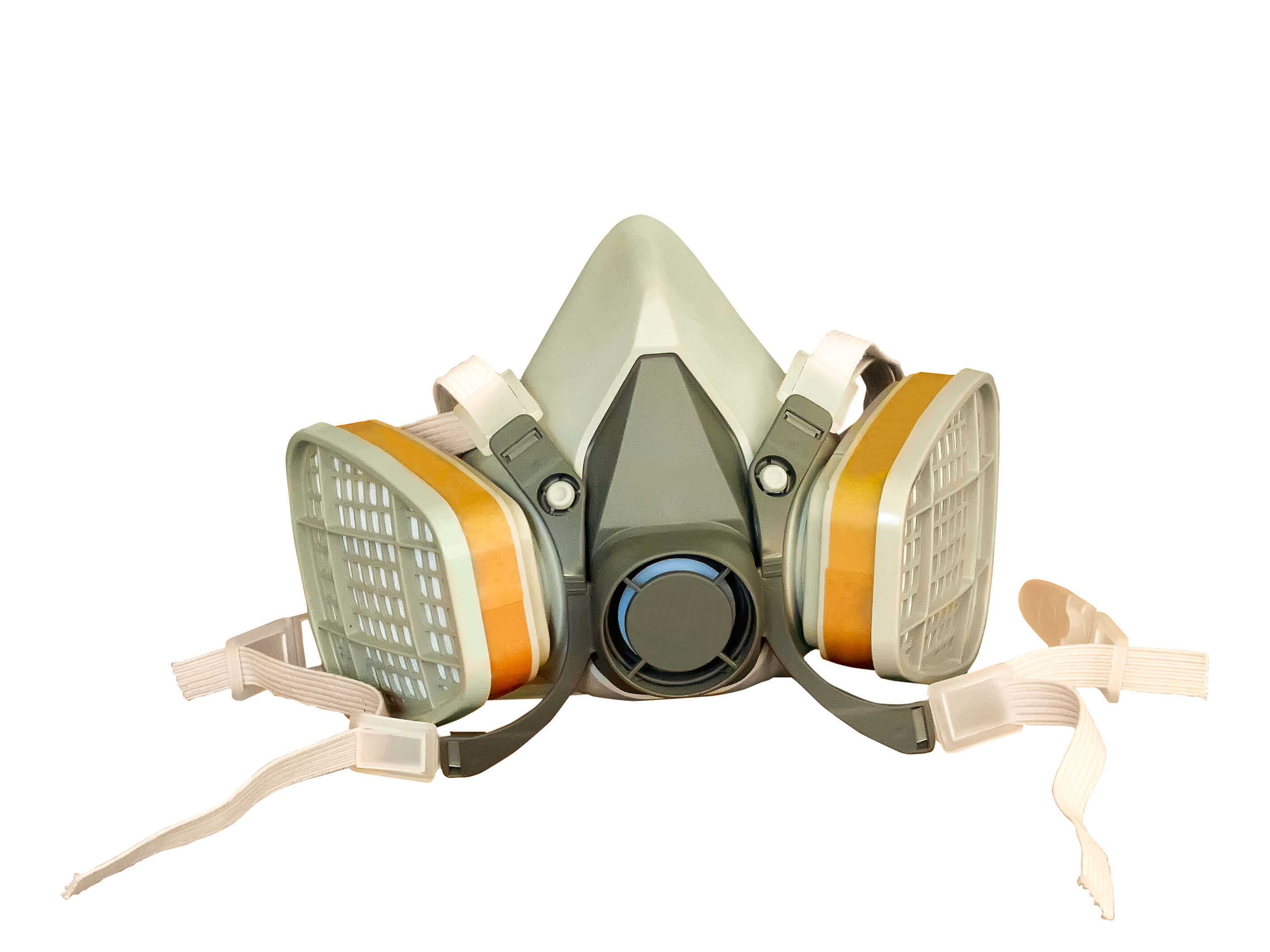
The 3M 6000 Full Face Mask provides excellent structural balance using a low-maintenance elastomer facepiece designed specifically for heavy industrial usage. Connecting its twin-filter architecture noticeably reduces physical breathing resistance while distributing mass evenly across the selected head harness. Comparatively, the 3M Promask utilises a durable halo-butyl compound profile featuring a side-fitting filter port to guarantee unobstructed vision during precision structural tasks. Operational procurement managers specifically value its exact integration with standard safety hard hats and primary hearing protection hardware. Supplying an extended workforce directly with these premium units typically yields recorded commercial cost reductions exceeding £2,000 annually through structured volume purchasing.
Why Is Face Fit Testing Mandatory for Compliance
Face fit testing explicitly confirms that a tight-fitting commercial respirator forms an adequate physical seal on the specified wearer. A compromised elastomer seal allows hazardous toxic particulates to entirely bypass the primary filtration system. Current UK legal health frameworks mandate this exact quantitative verification step to definitively document respirator efficacy.
Protective Masks Direct brings over eighteen years of functional industry experience managing baseline safety compliance for volatile commercial workforces. Managing specific legal compliance across a constantly fluctuating temporary contracting team frequently causes heavy logistical bottlenecks. Generating internal testing capabilities resolves this exact operational delay permanently by certifying your dedicated internal safety staff. Our senior instructors conduct detailed Train-the-Trainer sessions, allowing your management team to execute verifiable quantitative fit tests completely on site. Establishing internal certification means heavy production lines never pause while waiting on external compliance contractors to show up.
What Maintenance Protocols Keep a Full Face Dust Mask Compliant
Routine procedural inspection protocols preserve the structural silicone integrity and defined filtration capacity of your Full Face Dust Mask. Regular prescribed decontamination removes chemical cross-contamination while explicitly maximising the functional lifespan of the certified assembly. Structured systematic maintenance documentation directly satisfies rigorous external health audits while securing fundamental daily worker safety.
Abrasive work environments erode active safety equipment via persistent chemical exposure and aggressive fine particulate buildup. Thorough daily maintenance requires operatives to wipe away hazardous surface residue and actively inspect silicone seals for dangerous micro-tears. Faulty respirator hardware, such as inhalation valves failing from extended moisture exposure, mandates immediate replacement to maintain the compliance rating. Exhalation covers similarly require rapid substitution when compacted debris ultimately damages their internal seating mechanism. Reserving a dedicated internal stockpile of replacement 3M valves and straps prevents expensive daily operational downtime for your essential skilled tradesmen.
What Common Questions Arise During Equipment Procurement
Procurement safety directors frequently encounter difficult operational challenges integrating proprietary new respiratory networks into active heavy manufacturing workplaces. Accurately auditing specific component compatibility requirements and mandatory commercial maintenance timelines directly prevents subsequent coverage gaps. Systematically resolving these compliance details streamlines the corporate procurement pipeline without jeopardising your baseline site safety.
Are Filter Cartridges Universal Across Different Brands
Commercial filter cartridges utilise proprietary connection configurations engineered exclusively by a single specified hardware manufacturer. Uniquely engineered bayonet fittings will only lock flush against matched respirator masks produced by that precise parent brand. Stacking unauthorised components automatically voids exact manufacturing compliance certifications and fundamentally destroys the critical elastomeric face seal.
How Often Must Safety Teams Replace Respirator Visors
Strict site safety frameworks demand immediate polycarbonate visor substitution after discovering heavy structural scratches or significant chemical etching. Leaving physical visual impairments unaddressed heavily multiplies the statistical risk of catastrophic accidents during demanding precision operations. Implementing scheduled proactive replacement cycles entirely eliminates sudden critical optical failures during high-risk commercial demolition settings.
How Do Train the Trainer Courses Impact Internal Compliance
Executing internal capability training significantly reduces external long-term compliance expenditure for heavily staffed industrial contracting organisations. Qualifying internal deployment testers allows site management to legally evaluate new permanent hires without booking external health inspection visits. Establishing this complete operational independence accelerates basic manual worker onboarding while sustaining total daily legal compliance.
What Are the Next Steps For Upgrading Site Safety
Deploying specified respiratory protective equipment accurately fortifies your active manual workforce against invisible hazardous particulate threats daily. Integrating a validated Full Face Respirator inside your site safety guidelines eliminates procedural uncertainty from dangerous local sector work. Strategic supply partners deliver exactly tested commercial hardware to firmly verify correct total structural compliance.
Enforcing absolute legal safety standards demands purely reliable baseline equipment distributed actively across all your active job sites. Our operational technical team dispatches the exact required hardware spanning structural respiratory filtration networks and precise acoustic hearing protection. Configuring this commercial equipment into defined job protection kits guarantees absolute physical capability for harsh manual industrial applications. Dedicated procurement directors inherently rely on our functional eighteen years of technical distribution expertise to standardise their strict safety protocols seamlessly. Active site supervisors properly secure their permanent workforce by booking documented professional compliance testing services. Contact us through our corporate portal today.