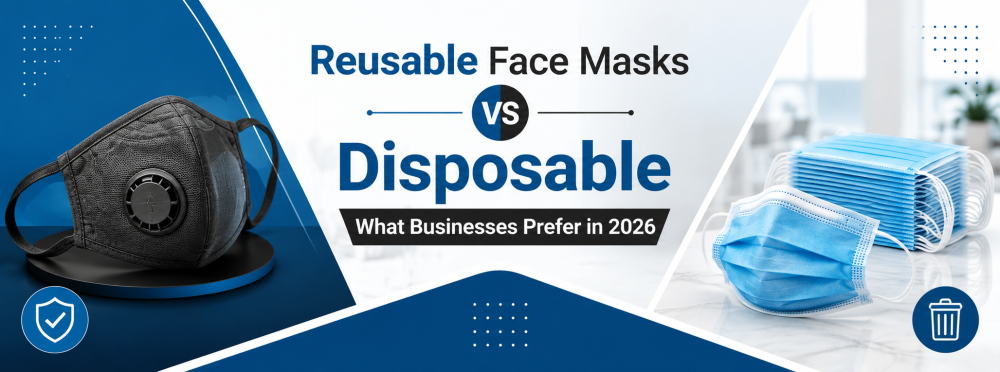

Workplace dust exposure requires strict respiratory protocols in construction and manufacturing facilities. Prolonged inhalation of hazardous particulates severely damages lung function, making certified reusable face masks necessary for occupational health and regulatory compliance. Protective Masks Direct supplies EN149 compliant respiratory protection, including FFP1, FFP2, and FFP3 standard respirators for industrial material handling. Site safety managers must source fully compliant equipment to meet baseline hazard requirements and protect personnel during high-risk physical operations.
What Are the Exact Protection Levels for Full Face Equipment
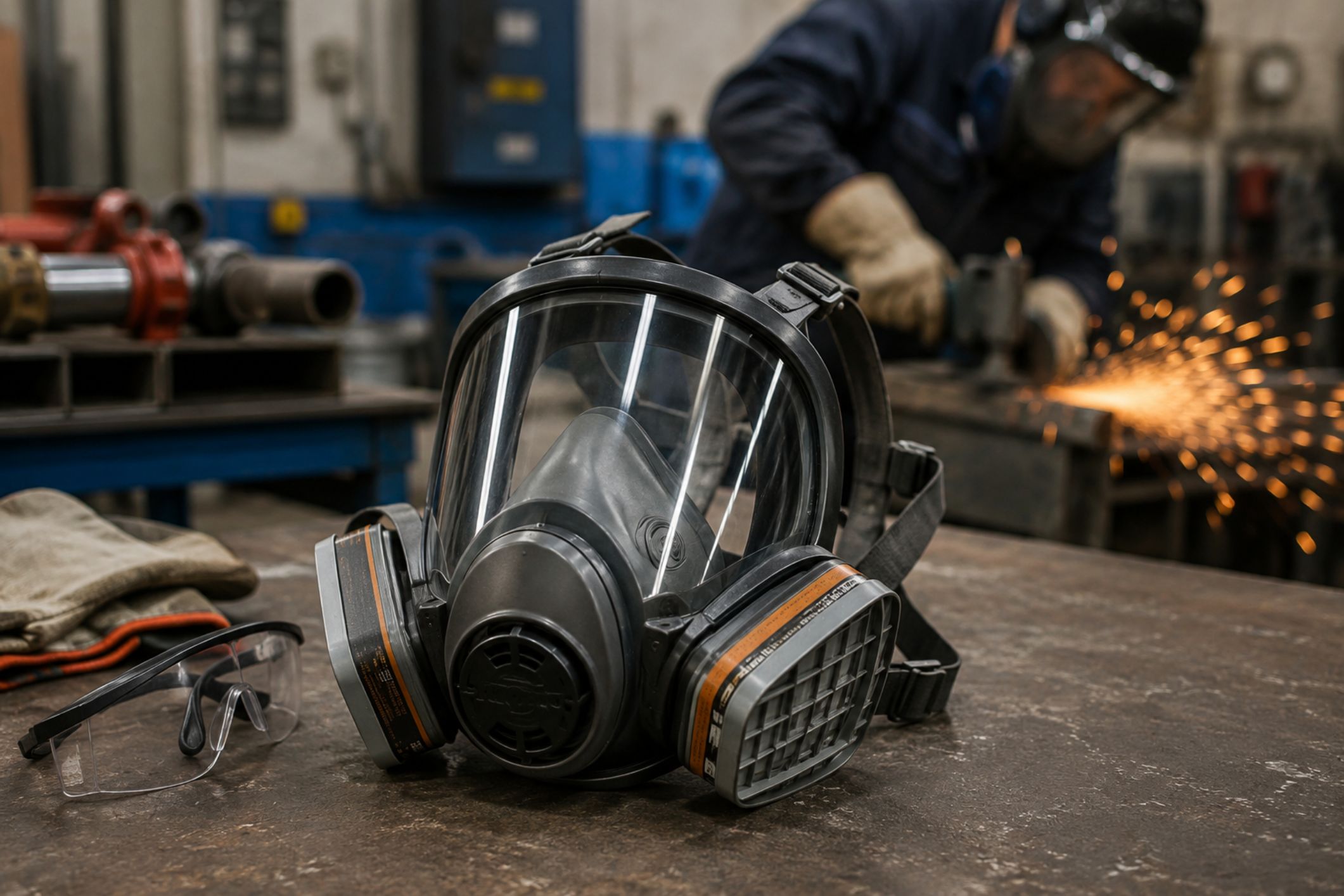
Full face masks provide an integrated respiratory barrier that completely covers the eyes, nose, and mouth. These units seal directly against the skin to block toxic gases and industrial particulates. The exact protection level depends entirely on the specific filter cartridge classification attached to the primary mask body.
EN136 sets the baseline standard for full face mask requirements, demanding rigorous laboratory tests for temperature resistance, mechanical strength, and lens durability. Safety managers rely on these exact EN certifications when procuring respiratory protective equipment for high-risk industrial environments. Filtration capability scales according to the selected cartridge type. Particulate filters carry P1, P2, or P3 ratings indicating their tested filtration efficiency against specific airborne threats.
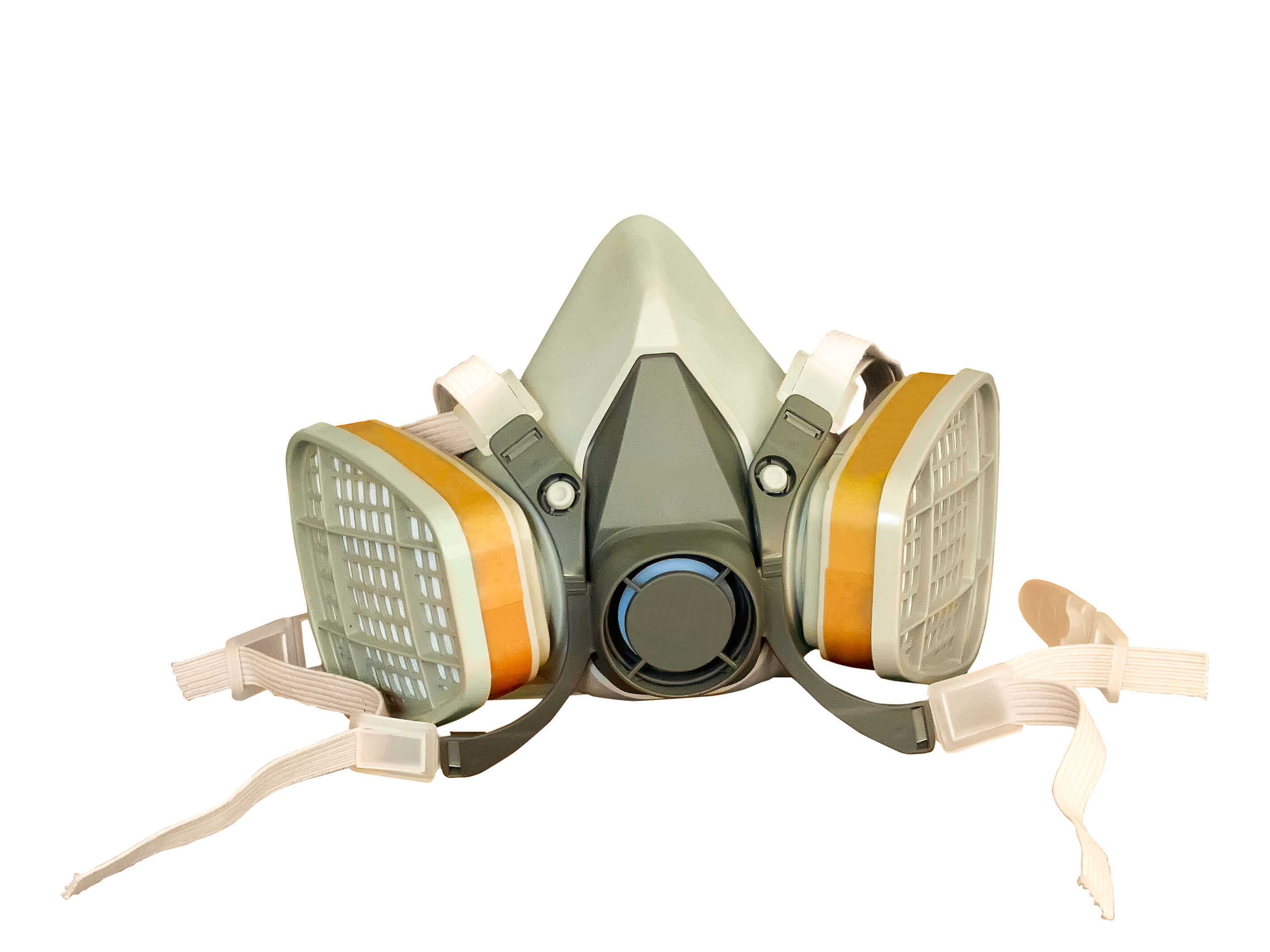
Gas and vapour filters utilise a standardised colour-coded system to identify their specific chemical protections. A brown A-rated filter blocks organic vapours from paint thinners, while a grey B-rated filter handles inorganic gases like chlorine. Procurement teams must match these chemical filter ratings directly to their site-specific risk assessments. Protective Masks Direct maintains extensive inventory levels of compliant respiratory gear to support organisations through regulatory compliance audits.
Why Does Proper Fit Testing Matter for Respiratory Safety
A respirator cannot protect a worker if the facial seal fails under operational conditions. Face fit testing physically validates that the reusable face mask matches the specific wearer's facial structure. This mandatory regulatory process prevents microscopic hazards and toxic chemicals from bypassing the primary filter system through minute gaps along the skin.
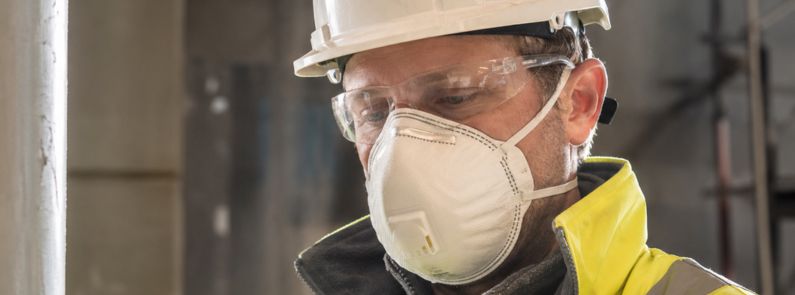
The Health and Safety Executive enforces strict guidelines requiring documented evidence of adequate fit testing across all industrial sites. Every individual using tight-fitting respiratory protective equipment must pass a recognised qualitative or quantitative fit test before beginning hazardous work. This fundamental safety rule applies equally to disposable respirators and complex full face systems used by healthcare professionals and construction workers. Protective Masks Direct conducts UK-wide Face Fit Testing and Train-the-Trainer programmes to help internal staff manage site compliance directly.
Physical changes dictate exactly when a new fit test becomes legally necessary for an employee. Significant weight loss alters facial structure, while extensive dental work or facial scarring fundamentally modifies jawline geometry near the seal area. Safety managers must schedule immediate retesting when any of these physical conditions occur to maintain respiratory compliance.
How Do You Match Filter Compatibility with Workplace Hazards
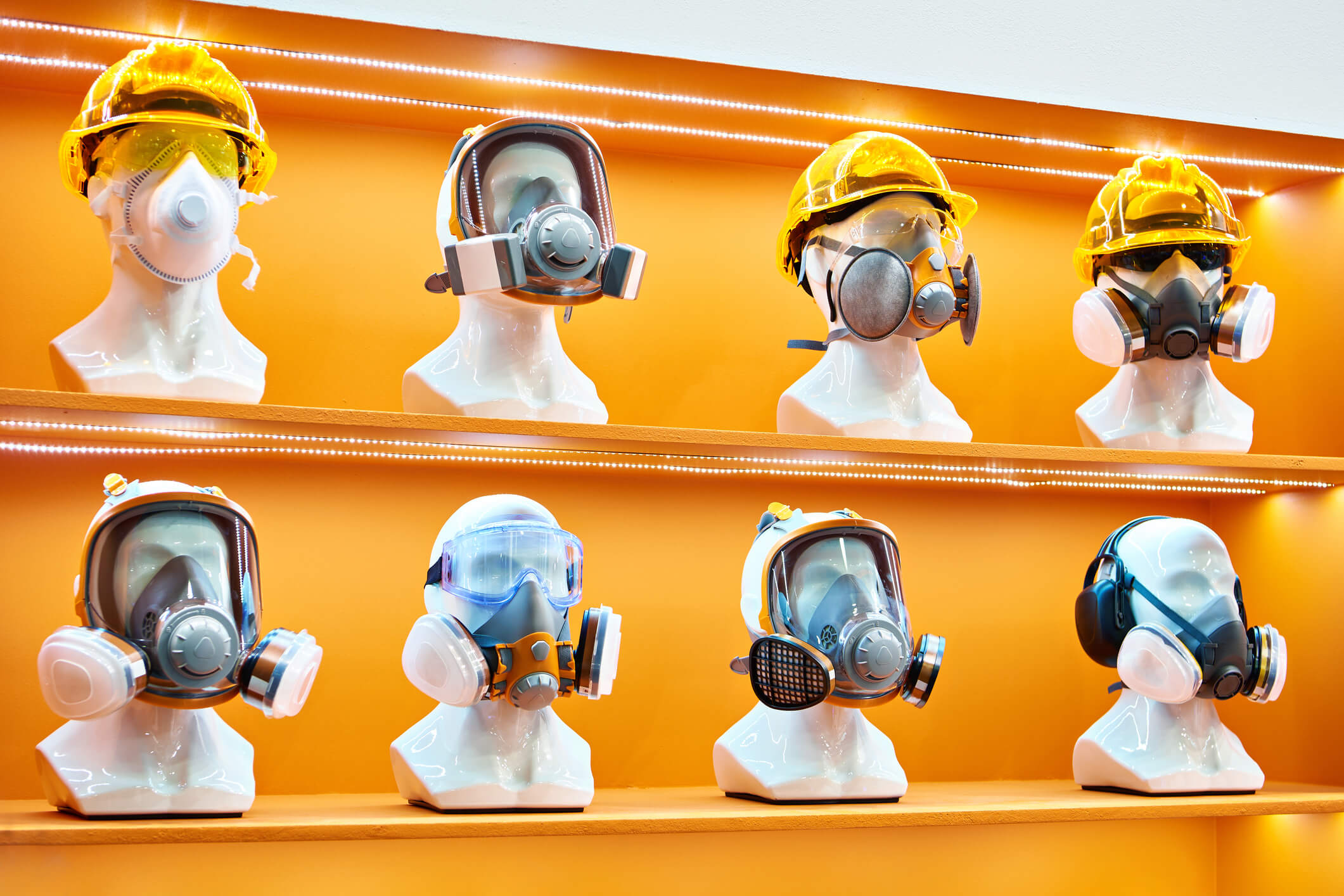
Successful respiratory defence requires perfectly pairing the exact environmental hazard with the correct chemical or particulate filter media. A particulate filter cannot block volatile chemical vapours, while a standard gas filter offers zero defence against physical dust. Selecting the incorrect cartridge combination exposes industrial workers to immediate respiratory danger.
Industrial trades encounter volatile environments daily, requiring precise technical solutions for specific hazardous material handling. Welding operations generate toxic metal fumes, and woodworking produces fine particulates that settle deeply into lung tissue. High-performance units like the Sundstrom SR 200 feature scratch-resistant polycarbonate visors and accept corresponding Sundstrom particulate or gas filters. This integration provides certified protection for extreme industrial applications and asbestos removal worksites.
Heavy industry demands reliable respiratory barriers against harsh solvents and industrial acids. The JSP Force 10 provides a compliant solution featuring a fully adjustable suspension harness that pairs with JSP PressToCheck filters. This specific mechanism allows users to verify their facial seal instantly by pressing the filters inward to block airflow and inhaling to test the vacuum pressure. Organisations looking to standardise their respiratory equipment can contact our procurement team for wholesale cartridge requirements.
What Are the Core Benefits for High Risk Industries
Full face equipment delivers an integrated dual protection system designed specifically for high-risk industrial environments. These units combine impact-resistant polycarbonate eye protection with heavy-duty respiratory defence in one unified frame. This structural combination completely eliminates the standard requirement for issuing separate safety goggles alongside half mask respirators.
Consolidating safety equipment streamlines daily site operations by reducing the time workers spend adjusting multiple pieces of protective gear. The integrated visor prevents chemical splashes from reaching the eyes during toxic material disposal, while the robust facepiece maintains structural integrity during high-heat metalworking. Our supply chain supports critical industries by providing Health and Safety Managers with certified equipment that guarantees comprehensive site compliance. Operations teams also benefit from predictable stock availability and fast direct shipping to active construction sites.
Replacing compromised disposable masks daily creates significant financial drain over an operational quarter. High-quality reusable face masks lower long-term expenditures because facilities only replace saturated filter cartridges rather than discarding the entire unit. This procurement approach drastically reduces worksite waste and optimises the annual safety budget through extended equipment lifespans.
Frequently Asked Questions
How long can workers safely wear a reusable face mask
Most safety manufacturers recommend a maximum continuous wear time of exactly one hour for negative pressure respirators. The operator must then take a complete physical rest break outside the contaminated industrial zone. This structured resting period prevents respiratory fatigue and reduces dangerous heat stress buildup inside the mask body.
Extended shift patterns require careful physiological monitoring by delegated safety managers. The physical strain of drawing oxygen through dense particulate filter media varies significantly based on individual worker fitness and ambient facility temperature. Strict adherence to mandatory resting protocols ensures the workforce remains both productive and protected against overexertion.
What indicates that filters require immediate replacement
Particulate filters require immediate replacement when drawing breath becomes noticeably difficult for the user. Gas and vapour cartridges must be swapped out the moment the wearer detects any chemical smell or taste of the external contaminant. Both of these specific operational scenarios indicate absolute filter saturation and compromised protection.
Respiratory manufacturers assign precise expiry dates to all unopened filter media cases. A cartridge past its printed date requires instant disposal regardless of its clean visual appearance or original packaging integrity. Since high-dust manufacturing environments accelerate the rapid clumping of filtration media, site managers must maintain adequate replacement inventories to prevent unassociated operational downtime.
When should safety managers schedule a face fit test
Initial face fit testing must occur before any employee wears a newly issued reusable dust mask model on site. Occupational law legally mandates immediate retesting if the specific wearer undergoes significant physical changes to their facial structure. Most industrial businesses implement standard routine testing cycles every two consecutive years.
Changing equipment brands or internal mask models triggers an automatic respiratory retest requirement across the entire workforce. An operator successfully fitted for a Sundstrom unit cannot transfer to a JSP Force 10 model without passing a new assessment. Each specific mask body requires its own certified testing documentation to guarantee site protection levels remain fully compliant.
For expert guidance on face fit testing and respiratory protection, contact our team today.