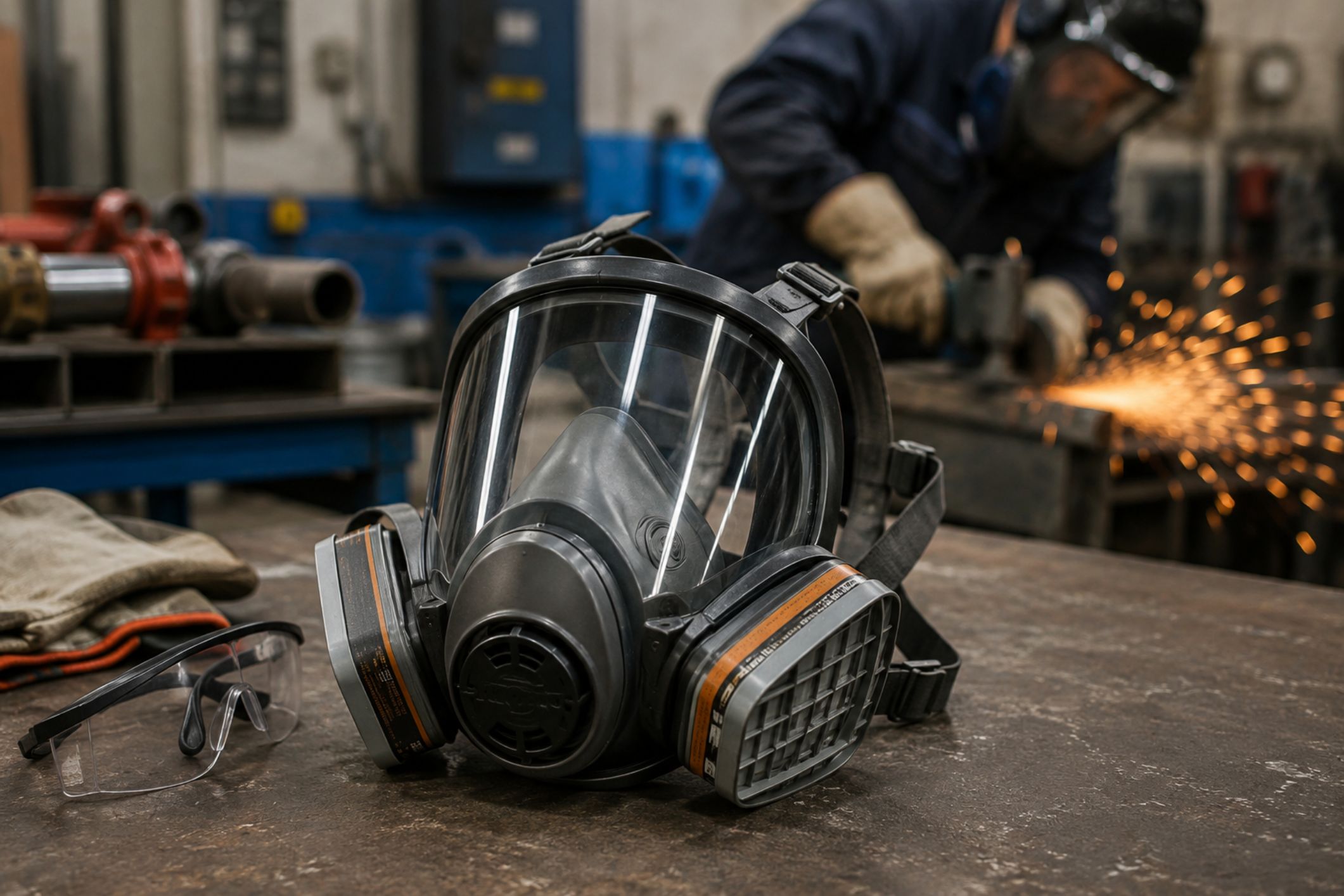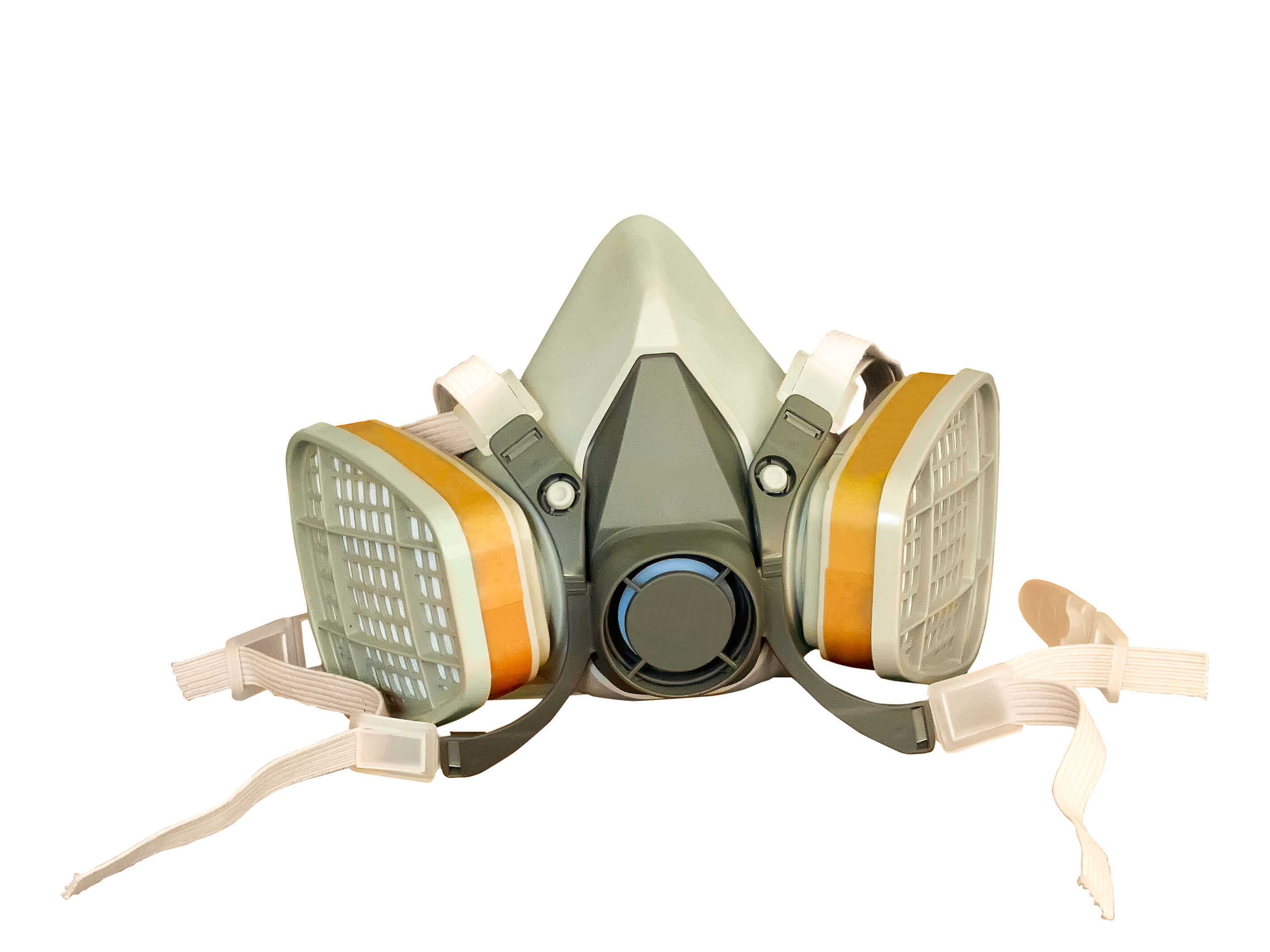

Owning a high-quality respirator is a bit like owning a good pair of boots. If you look after them, they’ll look after you. It is an investment in your own health, but it only works when you take good care of it. A mask that is left covered in sweat and dirt will be uncomfortable to wear and not work how it should. It should only take a few minutes to clean.
How to Tell When a Mask Needs Cleaning
It is usually pretty obvious when a mask needs a wash. You might notice the visor getting a bit foggy or a weird smell starting to develop inside. These things are more than just annoying because a blurry visor makes it much harder to see what you are doing.
Other parts of the mask also need to be checked. Loose straps or buckles indicate they will need to be deep cleaned and spare parts will need to be acquired.
What Cleaning Works Best for Reusable Masks?
The mask can be ruined if you use the wrong cleaning material. Some light soap and warm water with a soft cloth is best. You also can’t go wrong with keeping a few spare O-rings or visor protectors. The entire mask will work better for longer if these bits are swapped out as soon as they look worn.
How do You Clean the Face Seal Without Damaging the Visor?
Before cleaning, take off filters and clip‑on accessories so nothing traps residue. Loose dust rinses off under clean water. The face seal benefits from a mild solution on a damp cloth, working toward the edges.
Rough pads mark the visor, so a lint‑free cloth works better. Fully rinse so that the detergent is gone, then pat it before leaving to air dry. Then reassemble the full face dust mask once it is dry.
Which Filters Are Washable?
Particulate filters that show heavy dust or signs of moisture should be replaced. Gas and vapour cartridges cannot be washed. They need changing by the shelf‑life date or by indicators on the label. When removing filters, check the locking tabs for damage. A clean space for where you keep them, and fresh filters, keep your full face respirator performing as it should.
How Should You Store a Clean Mask Between Uses?
Put your mask in an airtight container, laying it face up so the straps aren't tangled. As heat can make plastic go soft and brittle, we advise you to not leave it in the back of a hot van. Sticking a packet of silica in the container will also help keep the mask dry.
Need help finding suitable cleaning kits or spare parts? Contact us for quick, task‑led advice.
How Should You Dry the Mask Before Reassembly?
Before you reassemble the mask, we recommend laying all the parts on a towel in an area with low dust. Air drying is safest as plastics can be distorted in hot or humid air. Replace valves showing wear and refit filters carefully. A light pull confirms each cartridge is seated properly. When everything is back together, the full face dust mask should look, smell and feel comfortable.
How Should You Clean the Harness and Tube?
Detach the harness and tube first to make washing easier. Straps go into a mild solution and rinse until clear water runs. You should check the stitching near the buckles, so that loose threads are dealt with before they become an issue.
The tube should also use the same mix, wiping it inside and out using the same mix. Swap out for a new one if it shows stress marks or cracks. Once it feels smooth and dry, refit the harness and confirm adjustments before the next use.
What Mistakes Can Reduce Protection?
- Using harsh cleaners or pads that scratch the visor
- Reassembling before parts are fully dry
- Storing the mask in tool bags where sharp edges scrape the visor
- Running filters beyond their useful life
- Ignoring worn straps that allow leaks
Fixing these issues early keeps full face masks working as designed.
What Daily Cleaning Routine Works?
- Remove filters and accessories
- Rinse away loose dust with water
- Wash the seal and mask body with detergent and microfibre cloths
- Rinse well and pat dry
- Let the visor and tube air dry
- Refit parts and perform a quick pressure check
Having a printed version of this guide near the sink helps new starters follow the same process for every respirator on site. Regular care keeps each full face dust mask ready for the next task.
What Should You do After Damaging a Mask?
If a mask is dropped or contaminated, step away from the work area before checking it. Look for cracks in the visor and tears on the seal. Clean and dry the mask if anything reached the inside. Filters that took a direct hit from debris or liquid must be replaced. Keeping one spare full face respirator for each team helps work continue smoothly.
How Can You Stay Comfortable During a Shift?
Adjust straps so the seal sits flat on the face and test it with any hard hat or glasses to check compatibility. Take regular breaks in a clean area to wipe condensation inside the visor. An approved anti‑fog wipe helps maintain vision, though household products should be avoided. A well‑fitting full face mask reduces pressure spots and helps you stay focused.
How Should You Adjust Cleaning for Different Jobs?
Woodworking leaves fine dust that clings to seals and valves, while masonry or tile cutting adds heavier grit that needs extra rinsing. Using a spray leaves sticky film on the visor and housing, so it takes more time. Plan deeper cleaning after dusty tasks and allow extra minutes at shift end to deal with residue. The maintenance plan for full face masks should match the type of work producing the most debris.
What Routine Keeps Your Mask Clean Each Day?
A clean, dry and well‑maintained full face respirator protects your breathing and vision. Make cleaning part of the daily close‑down and train teams to follow the same routine. This extends mask life, prevents downtime and keeps protection consistent.
Need advice on filters or spares? Contact us for help choosing options that fit your work.