
Taking care of high-end safety equipment is just as important as choosing the right model in the first place. Work in environments where dust or chemical vapours are a constant threat means your equipment acts as the main barrier between your lungs and permanent damage. Mechanical failure during a shift represents a serious health risk to the user.
A clean and functional system helps you avoid the hidden dangers of contaminated air. Many people assume that as long as the motor is running, they are safe. Microscopic tears in a seal or a clogged filter can quietly reduce the effectiveness of your protection. Staying on top of a simple care routine helps keep you safe and extends the lifespan of your investment.
Why Does a Routine Inspection Keep You Safe?
Before starting work, you should perform safety checks. You should not start work in a dangerous area without making sure your equipment, including your mask, is up to the task. The checks won’t take longer than five minutes.
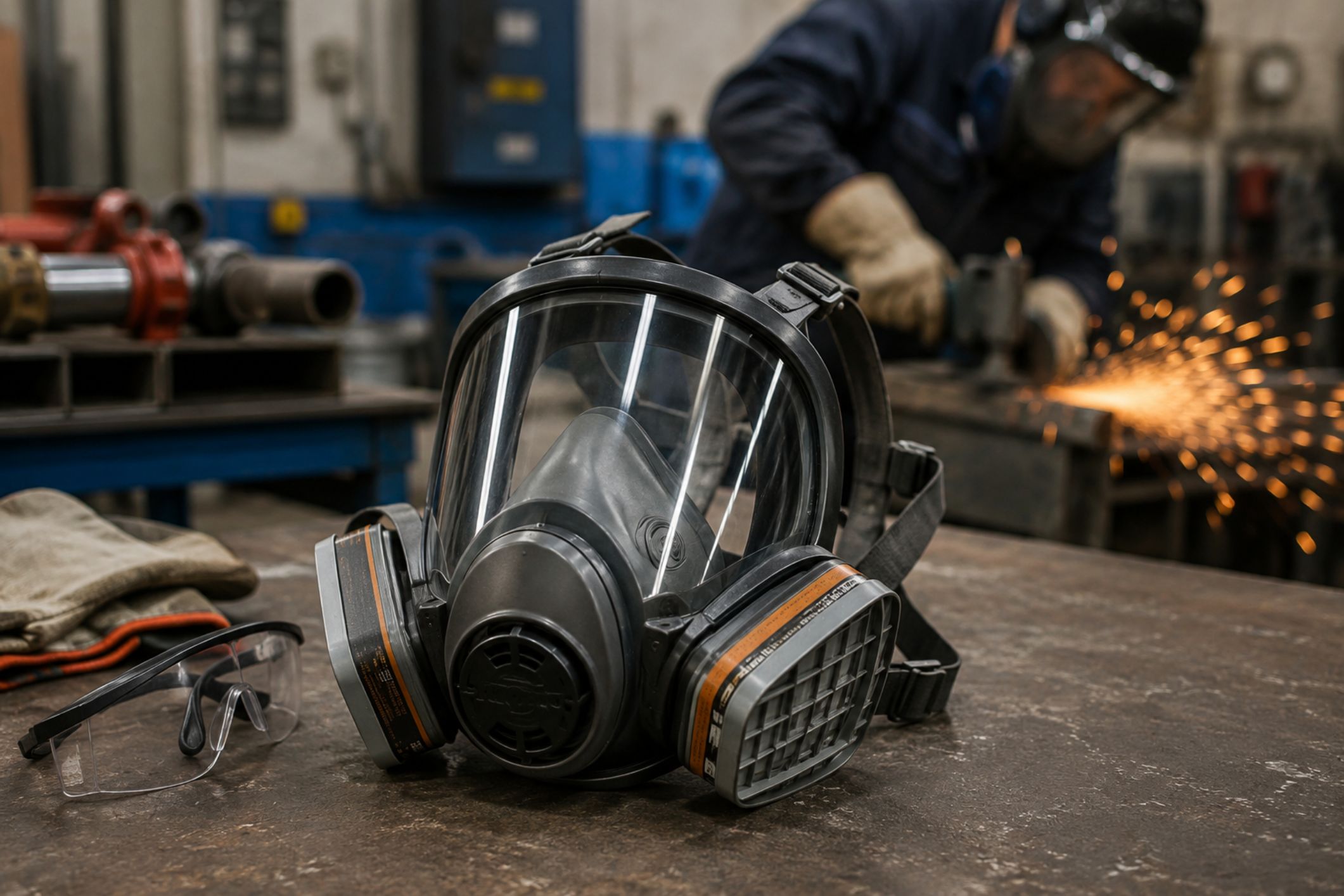
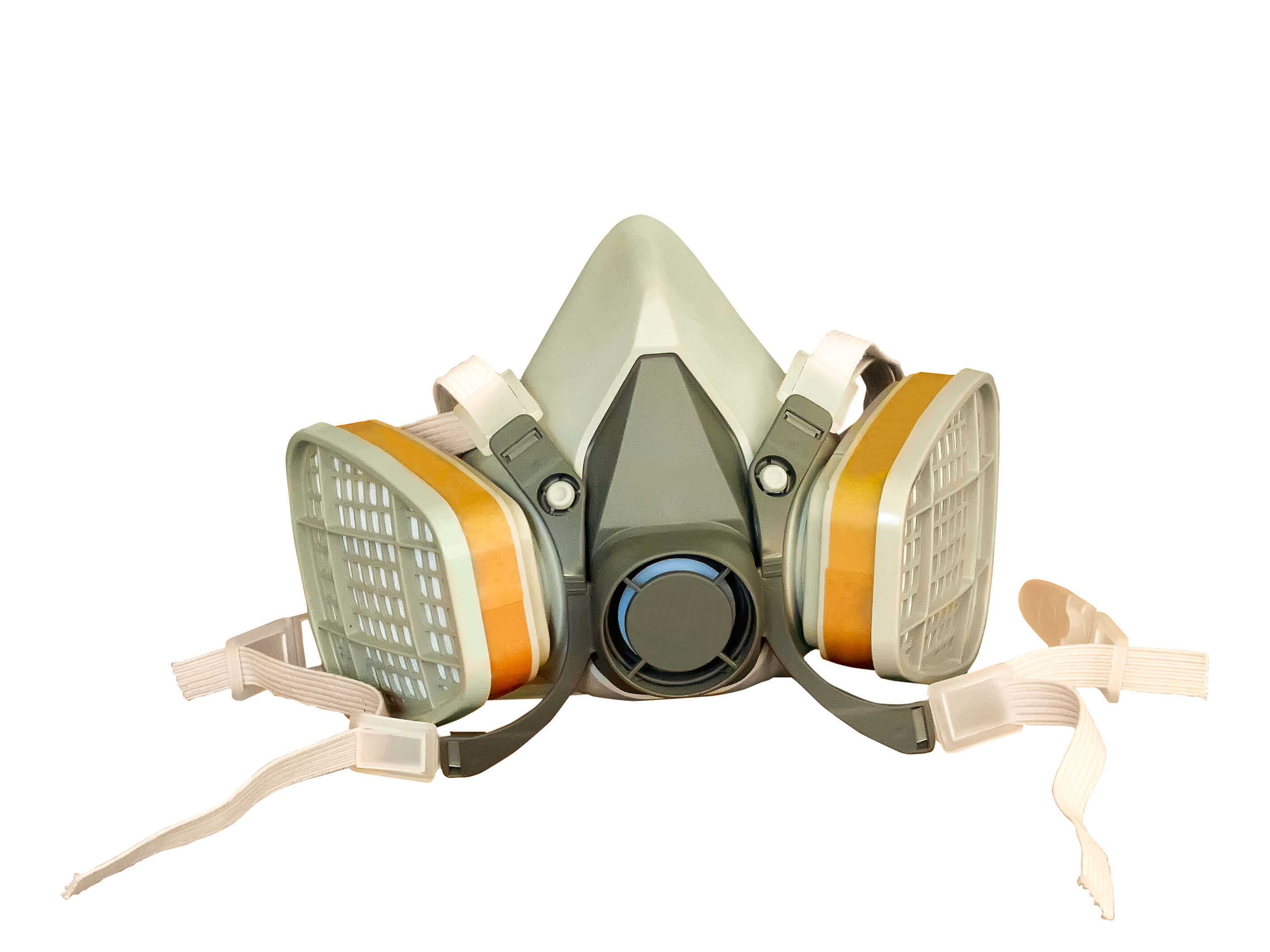
Take care with all of the components, or they may become accidentally damaged. Check for fraying by pulling carefully on the straps. You can also run your fingers along the rubber seals to feel for any cracks. Don’t overlook small splits in the facepiece as they increase the risk of unfiltered air bypassing the safety layers.
A powered mask that isn’t fully charged could die mid-shift so checking that it is, is really important. You don’t want to leave yourself, or your team, vulnerable. To give you the fresh air needed to stay productive, an air purifying respirator needs every part to be in tip-top shape.
What is the Best Way to Clean Your Equipment?
Wearing a mask during a busy day can cause sweat and natural skin oils to collect inside. Leaving this grime to remain overnight leads to bacteria growth and can cause the materials to perish much faster than they should. Wiping down thoroughly after each use keep the equipment comfortable and hygienic.
The best cleaning method is to wash the facepiece with warm water and a very mild detergent. Harsh chemicals should not be used because they can degrade the silicone, making it brittle.
After they are rinsed, leave them to air dry in a clean spot away from direct sunlight. Doing this will prevent the material from warping or becoming stiff.
How do You Know When to Swap Your Filters?
Knowing exactly when a filter has reached its limit is one of the most common questions on any site. No single rule exists for everyone because the timing depends on how much dust is in the air and how hard the motor is working. Heavy demolition jobs will clog a filter much faster than light woodworking in a ventilated shop.
Listen out for the noise the motor is making. You may need to unblock the filter if the fan sounds like it’s straining or if the airflow alarm chirps. A fresh air powered respirator filter should be installed immediately when these signs appear.
One clever trick is to swap out the pre-filter every day. That stops the main, more expensive filter from getting blocked by larger debris.
Can Better Storage Solutions Protect Your Equipment?
Your kit can be quickly ruined if the mask is tossed carelessly around or left on a dusty workbench. When the headpiece is put back on, harmful particles that will have settled inside will be breathed in.
Moisture and dirt can be avoided by putting the powered respirator in a dedicated storage bag or a sealed plastic container. It also stops the visor from getting scratched by other tools.
We also advise against leaving your battery powered respirator in a freezing shed or a hot vehicle over a weekend. Contact us for more information on how to store your equipment.
Who Needs Technical Training on the Workforce?
Providing the best equipment on the market is only half the battle. Every person on the site needs to understand how to use their specific model correctly to get the full benefit. Confusion about how to click a filter into place or how to adjust the head harness leads to gaps in protection that nobody wants.
Training should be hands-on and frequent enough that the steps become second nature. New staff members benefit from seeing a demonstration of how to perform a flow test to verify the motor speed. When everyone knows the limits of their air purifying respirator, they are much less likely to take unnecessary risks.
Will You Notice the Signs of Material Fatigue?
Sunlight and humidity exposure, as well as consistent cleaning, will impact seal flexibility. Masks that used to feel soft and flexible might start to feel sticky as they reach the end of their life.
Checking for these changes during your weekly deep clean prevents you from using a mask that can no longer provide a safe seal. An air powered respirator needs to be structurally sound to handle the bumps and scrapes of a busy construction site. Investing in a new unit is always cheaper than dealing with the medical consequences of a safety failure.
How Can Managers Better Track Equipment Health?
Keeping a simple logbook is a great way to manage a large number of safety units. Recording the date of every filter change and the results of monthly inspections makes certain that nothing gets missed. Patterns might emerge, such as a specific job site that seems to be wearing through batteries faster than usual.
Documenting these checks is also a legal requirement under many UK health and safety guidelines. Workers who see a clear history of maintenance for every battery powered respirator know that you take your duty of care seriously. You can also set reminders for the next service with a digital tracking tools.
What is the Best Way to Handle Repairs?
If a part like a snapped buckle breaks, only use the manufacturer’s genuine parts. A small stock of common spares on-site keeps your project moving.
Workers with a damaged air purifying respirator should be able to swap it for a functional one immediately. Having a clear process for tagging and isolating broken equipment helps prevent anyone from accidentally picking up a faulty unit.
Why do UK Regulations Impact Your Maintenance?
The rules set out by the Health and Safety Executive are designed to keep the UK workforce as safe as possible. According to these regulations, all respiratory protective equipment must be kept clean and fully functioning. Always follow the manufacturer guidelines for your air powered respirator.
Protect your business from potential fines and legal disputes by keeping your safety documentation updated.
How Can You Build a More Reliable Safety Routine?
It doesn’t need to be complicated. Small, consistent habits that everyone on the team follows will go a long way.
We offer the fast delivery needed to keep your team protected every day of the year. Investing in a battery powered respirator is a smart move for anyone wanting to breathe easily while they work.
Discover our professional maintenance kits and spare parts. Contact us now!