
It can be easy to forget that a respirator has a limited shelf life. Wearing a disposable mask more times than you should, or a reusable mask with a worn-out filter, can risk you damaging your lungs. Staying alert to the subtle signs of equipment fatigue is the only way to stay truly protected during a busy shift.
Clean masks might look functional on the surface, but the microscopic layers inside the filter can be completely blocked. Work around fine particles or chemical vapours means these invisible barriers are the only thing keeping your breathing clear. Understanding the exact moment to swap your equipment for a new unit is a vital skill for any professional.
Why do Safety Ratings Change Over Time?
Safety certifications like EN 149 are based on the ability of a new, pristine filter to block a specific percentage of particles. Every hour of use on a site causes the filter fibres to become physically altered by debris and microscopic saturation. These changes mean that a mask rated as FFP3 might only be providing a fraction of that protection after a long shift.
The build-up of dust and grime can make it much harder for fresh air to pass through to your lungs. When the unit becomes heavily clogged, the air is forced to try and find a way through the smallest remaining openings. This damages the internal structure.
Replacing the unit regularly will prevent you from working with equipment that has been completely choked with dust.
When Should You Dispose of Single-Use Equipment?
Disposable respirator masks are not meant to be used for an extended amount of time. In fact, they should only be used once and binned as soon as the task is over. moment you clock off. Using the same mask on two consecutive days could lead to cross-contamination and reduced airflow.
The longer you wear a mask that looks visibly dirty, the less protection you’re heart and lungs have. Those working in demolition or heavy manufacturing usually find that PPE masks need to be swapped out more often than conservative estimates suggest.
Identifying the Dangers of Asbestos Exposure
Materials like asbestos, hidden away in older buildings across the UK, are extremely hazardous. Dealing with old insulation or floor tiles requires the highest level of caution because the fibres are invisible to the naked eye. Risks cannot afford to be taken with lousy equipment as the consequences of a mistake will take years to appear.
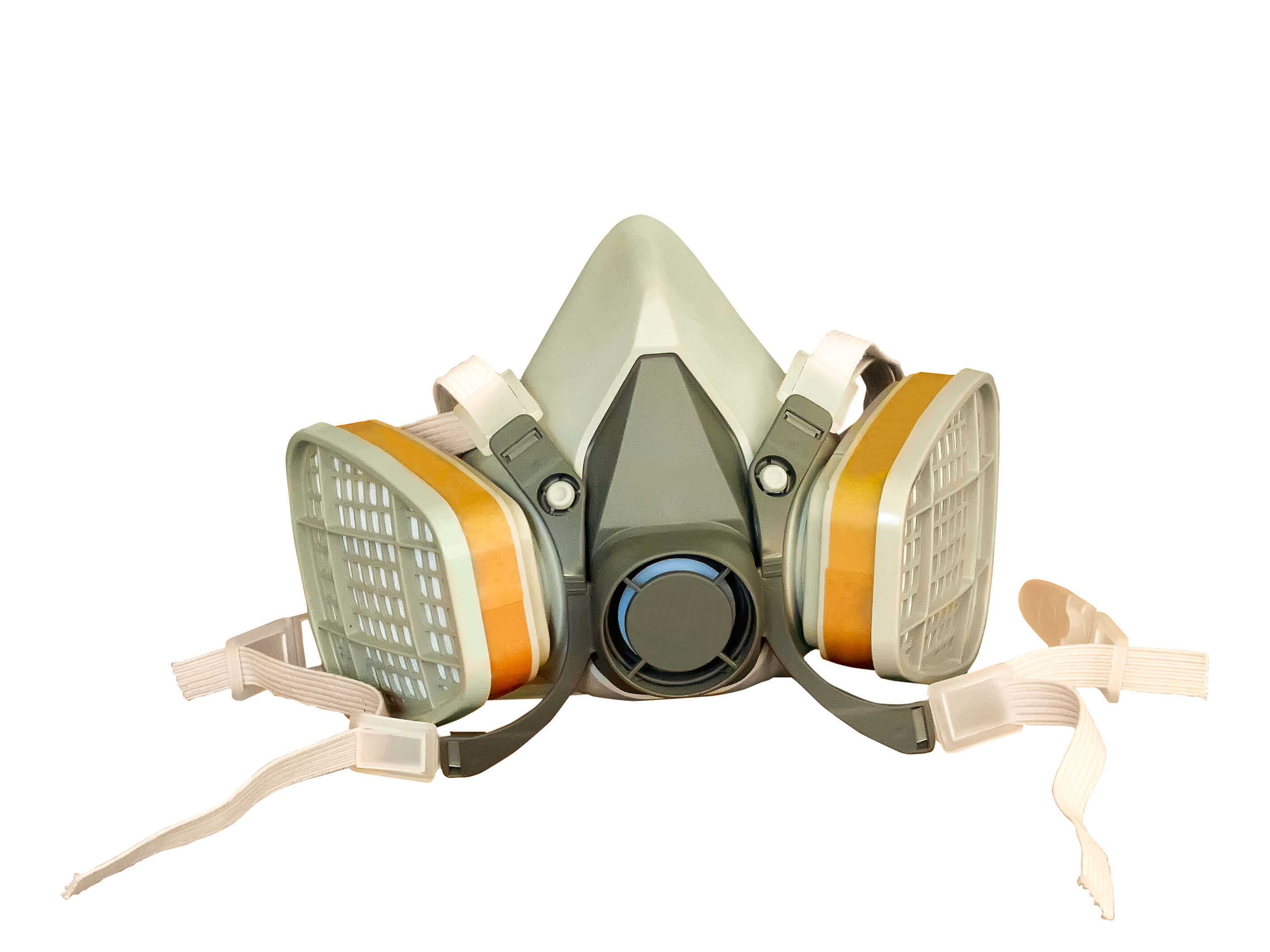
A dedicated dust mask asbestos rated filter is a non-negotiable requirement for this kind of high-risk manual labour. Sharp and tiny fibres can easily get around standard filters that are only meant for general wood or stone dust. Swapping these specific filters the moment you finish a task also prevents you from carrying dangerous particles back into your van or home.
How Long do Reusable Respirators Actually Last?
Reusable units offer great value, but the body of the mask still needs regular replacement alongside the filters. Even with perfect cleaning habits, the valves and seals will eventually show signs of material fatigue.
Unfiltered air can be inhaled straight into your lungs if there are small tears in an inhalation valve.
Regular use of a logbook, to track the age of your reusable units, helps managers stay ahead of the curve. This allows you to spot patterns, such as a specific job that causes head harnesses to deteriorate faster than others.
Contact us today to organise a replacement or book a consultation if you want to reevaluate your site’s needs, while reducing unnecessary waste.
Why Does Moisture Impact Your Protection Levels?
When the filter material becomes damp through sweat or condensation, the mask is no longer as effective, even if it still fairly new.
High-intensity physical tasks in a full face protection mask can lead to significant moisture build-up inside the unit. If the visor starts to fog, that’s when you know you need to let the equipment dry or swap the cartridges.
What Are the Legal Requirements for UK Respiratory Safety?
HSE guidance is clear. You must prove that the equipment works properly. A high-quality PPE masks solution shows your team that you take your legal obligations to heart.
This prevents the legal and financial headaches that come with a health and safety violation.
How Often Should Construction Masks be Replaced?
One day you might be dealing with light timber dust, and the next you are cutting through concrete slabs which release toxic silica clouds. This variation means your replacement schedule has to be flexible enough to match the daily hazard.
A fresh dust mask asbestos filter might be needed if you discover old pipe lagging during a strip-out. Plentiful stocks of spares on-site prevent workers from trying to "make do" with the wrong grade of protection. When the team knows that fresh equipment is always available, they are much more likely to report a damaged seal immediately.
Why Communication Prevents Equipment Misuse
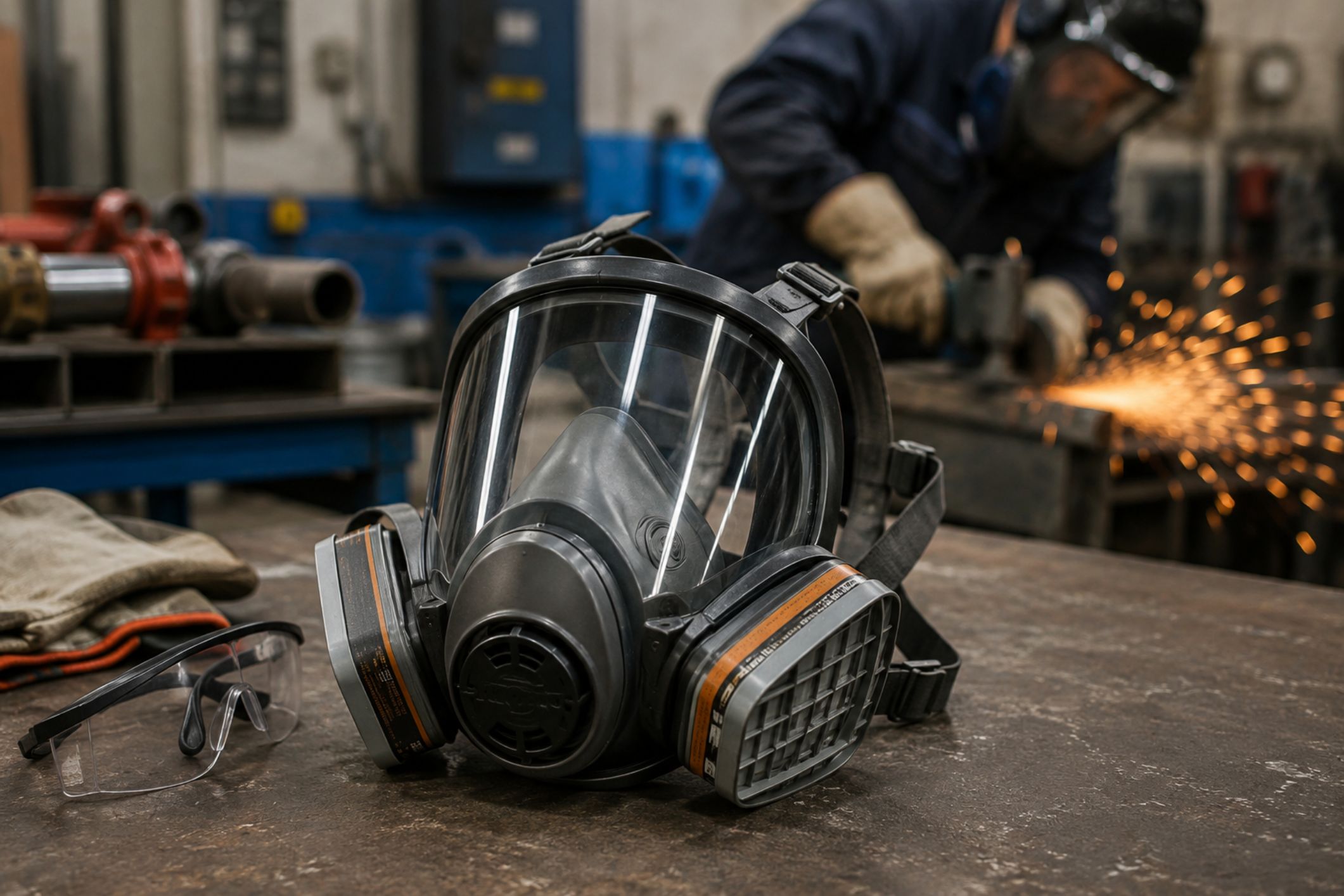
It is just as important to train your staff to spot when a mask is failing or has already failed. A worker who doesn't know that a faint chemical smell means carbon has saturated inside the mask will continue to work in danger. Open dialogue about how the full face protection mask feels and smells during a shift is a vital safety tool.
Workers who feel comfortable speaking up about a broken buckle help the whole team avoid an accident.
Is it More Expensive to Replace Masks Frequently?
Managers sometimes look at the price of a filter and try to stretch its life for an extra week. However, the cost of a replacement is a tiny fraction of the potential costs associated with permanent illness or a site-wide safety fine. Investing in the best gear up front often leads to lower costs over time because the units are more tough and easier to maintain.
Buying your PPE masks in bulk is a smart way to keep your unit costs down while making sure you never run out of stock. By maintaining a steady supply of spares, you remove the temptation for staff to use filters for longer than they should. A well-stocked safety locker is the backbone of any productive UK construction or manufacturing business.
What Are the Warning Signs of a Chemical Filter Failure?
Chemical cartridges work through a process called adsorption. This is where gas molecules are trapped on the surface of activated charcoal.
Once all the available spaces on that charcoal are filled, the gases will pass straight through to the wearer.
When a metallic taste or scent is present, workers must leave the area immediately. A full face protection mask provides a secondary barrier for the eyes and skin, but it cannot stop a saturated filter from failing.
How Can You Improve Your Site Safety Standards?
Upgrading your safety culture starts with daily maintenance and timely replacement. A team that is aware of you prioritising fresh, clean equipment are more likely to take pride in their own health and safety habits. This creates a more professional atmosphere where risks are well-managed every day.
Contact us and see how we can strengthen the safety measures on your site.