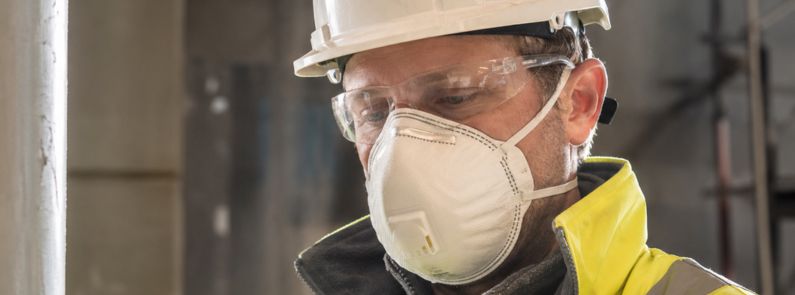
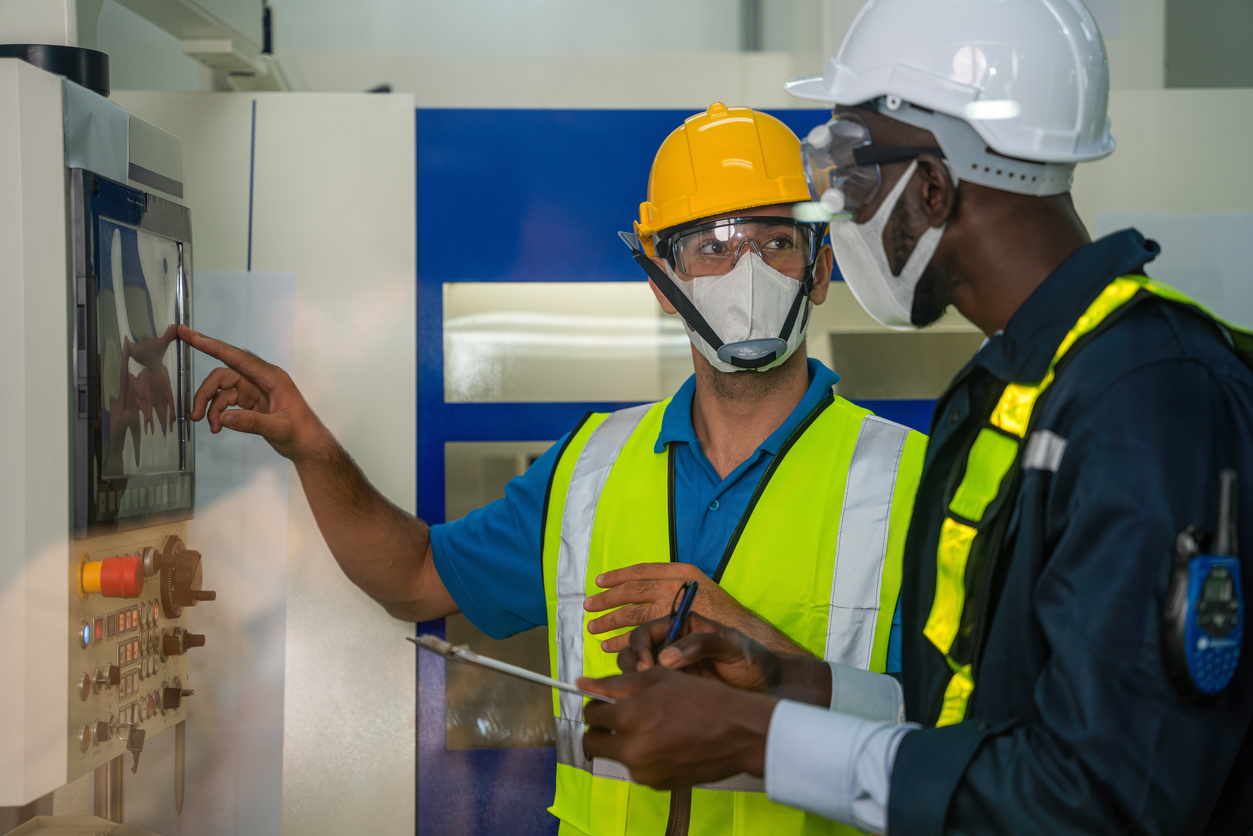
Workplace dust exposure is a constant hazard in construction and manufacturing. Hazardous particulates damage respiratory health. They also increase employer liability. Standardising dust mask procurement helps maintain EN149 compliance across UK worksites.
Managing multiple sites often leads to inconsistent safety standards and disjointed ordering. Procurement teams can struggle to maintain stock of FFP2 and FFP3 respirators without gaps. A structured dust mask purchasing framework removes guesswork. Protective Masks Direct has 18 years of experience supporting health and safety managers with dust masks and respirators.
Why does fragmented dust mask procurement create compliance risks?
Fragmented orders create compliance risks. Site managers can end up buying uncertified equipment for specific hazards. A standardised inventory helps ensure each worker has the correct protection level for the task. It also supports legal compliance.
Allowing site managers to source respiratory protective equipment independently creates disjointed safety protocols. Inventory becomes harder to track. Company-wide compliance becomes harder to verify. Health and safety managers cannot easily confirm that workers have the right protection for site-specific risks. Centralised purchasing closes those gaps by limiting orders to a pre-approved list of compliant gear.
A unified strategy keeps respirator selection consistent. Protective Masks Direct supplies tested respiratory protective equipment that meets current UK requirements. Our catalogue also includes hearing protection, head and eye protection, and specialist bundled kits.
What dust mask protection level is right for different site tasks?
The required protection level depends on the airborne particulates in the work environment. FFP2 and FFP3 classifications set filtration levels for dust, fumes, and mists. The wrong rating leaves workers exposed.
Industrial environments need precise filtration. An FFP1 dust mask offers basic protection for low-level, non-toxic dust from hand sanding or sweeping. Health and safety managers must check airborne concentrations before approving this type of dust mask for general site use. Defaulting to a higher rating is often safer when the dust type is uncertain.
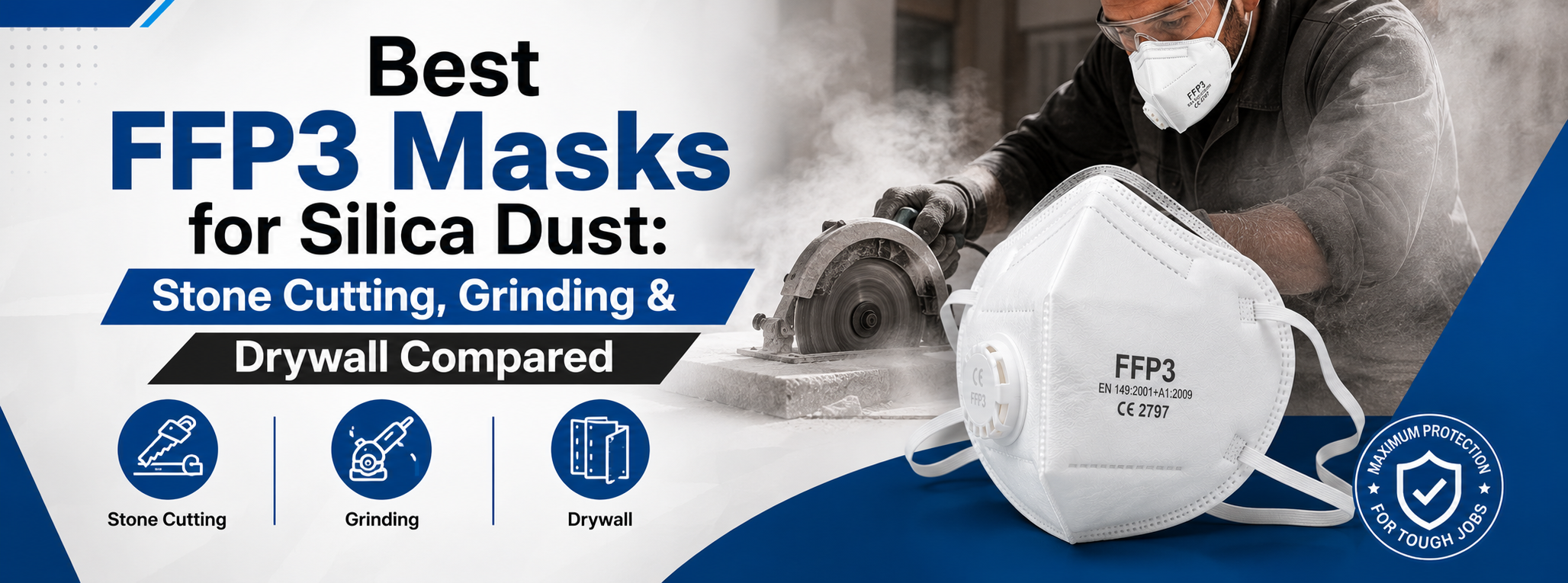
Moderate-toxicity environments need higher-specification equipment. FFP2 respirators suit softwood dust, metal cutting, and plastering. High-risk environments need FFP3 masks. These respirators protect against substances such as silica dust and welding fumes.
Recommended applications include:
- Construction work involving masonry cutting and demolition
- Hazardous material removal, including toxic waste and asbestos abatement
- Mechanical contracting for fire suppression and life safety systems
How does standardising dust mask orders reduce procurement costs?
Standardisation reduces costs. Companies can consolidate orders and use volume pricing. Buying respiratory protective equipment through one supplier also reduces administrative work and delivery delays. Centralised purchasing makes budgeting clearer and improves visibility over annual safety spend.
Separate invoices across dozens of worksites waste administrative time. Company-wide usage data improves forecasting. It also reduces emergency overspending and lowers the risk of supply gaps.
Protective Masks Direct offers bulk savings for organisations that need consistent supply. Consolidated ordering improves access to professional respiratory protection. Products are available through our bulk deals PPE page.
We have 18 years of experience supporting organisations through supply chain pressure. We maintain strong stock levels. A reliable supply chain protects budgets and reduces disruption caused by PPE shortages.
How do you standardise dust mask supply across multiple worksites?
A unified safety strategy starts with a hazard audit and an approved equipment range. Safety managers must catalogue site risks and match them to the right respirators. That prevents local managers from buying whatever is cheapest or most convenient.
The audit process identifies the particulates present across each site. Typical hazards include concrete dust, wood shavings, and chemical aerosols. Documenting exposure points helps procurement teams simplify purchasing. It also helps control overspecification on low-risk sites while protecting high-risk zones properly.
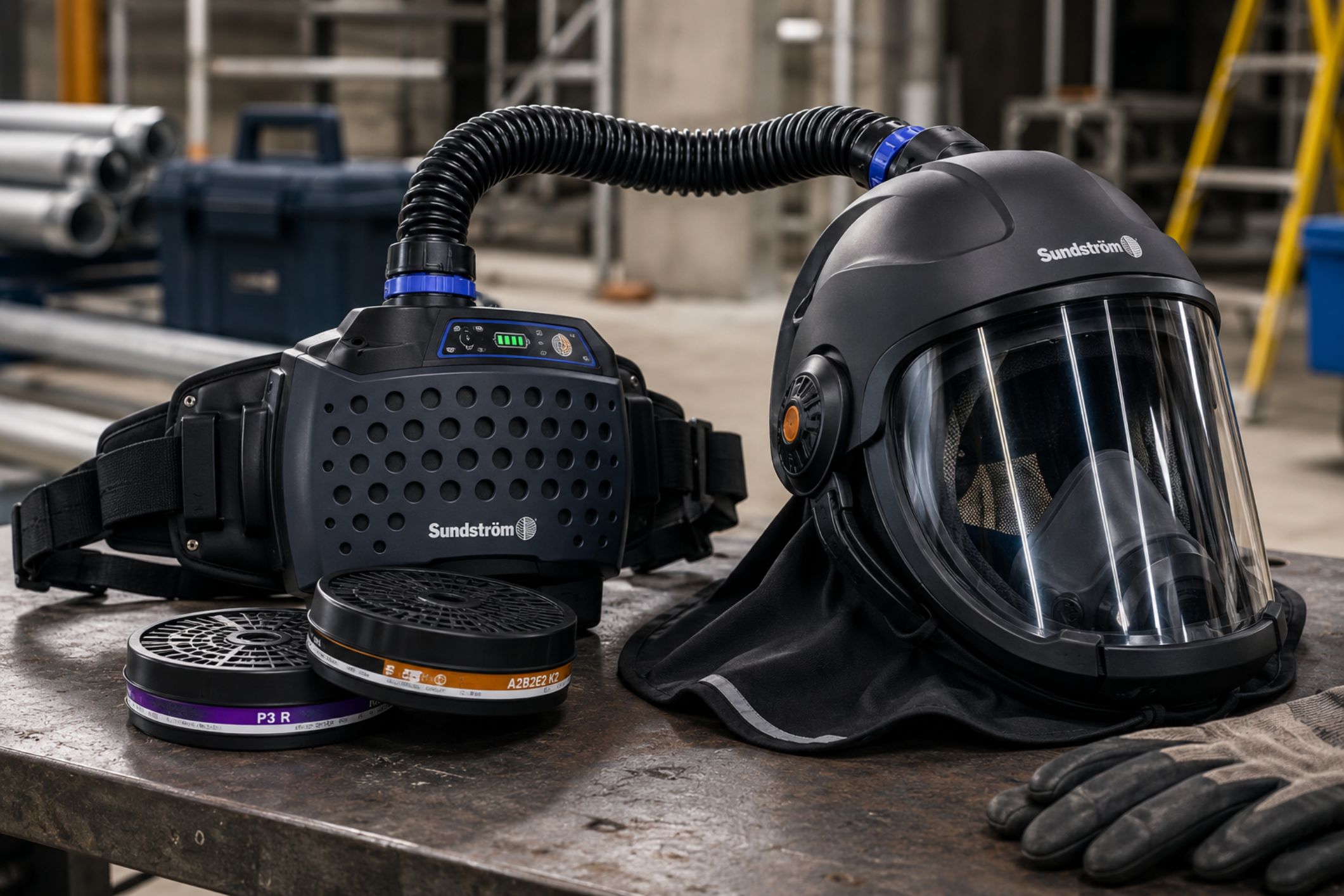
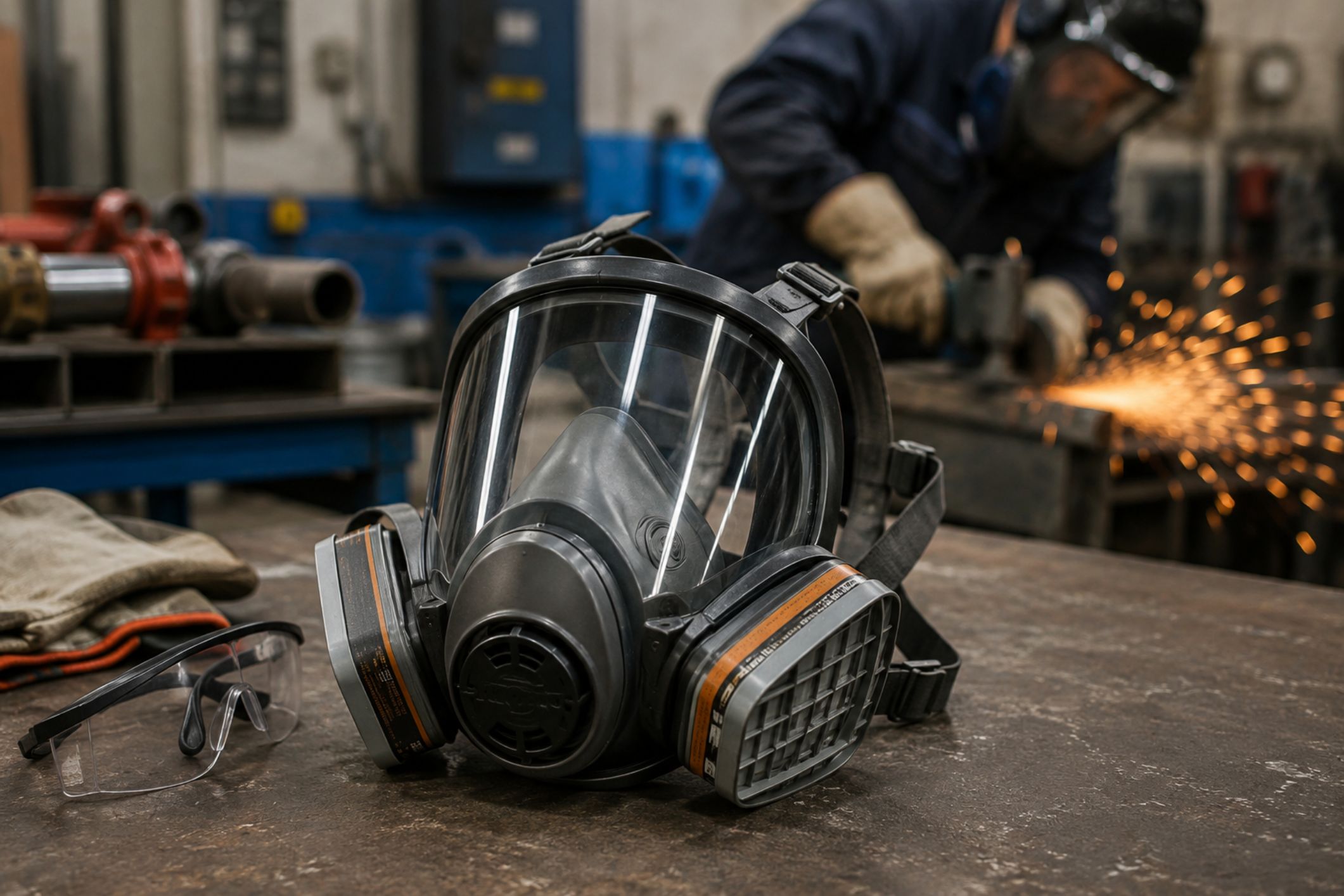
Once hazards are documented, safety officers can restrict the approved list to a small number of suitable models. Training workers on a smaller range improves correct use. It also makes it easier to identify when someone is wearing the wrong full face dust mask for the task.
Protective Masks Direct supports this process with an extensive safety catalogue. We supply hi-vis equipment, face fit testing kits, and mechanical contracting protection. Using one supplier also reduces compatibility issues across masks, filters, and related equipment.
When is face fit testing required for a dust mask in the UK?
Face fit testing is a legal requirement in the UK for tight-fitting respirators. A respirator cannot protect the user if it leaks. Testing confirms that the equipment forms a proper seal for the individual wearer.
Buying a high-specification dust mask is not enough on its own. Filtration fails if contaminated air enters through gaps in the seal. Tight-fitting respiratory protective equipment must be fit tested before first use. This applies to every tight-fitting dust mask used in the workplace, including disposable and reusable models.
Managing PPE compliance across multiple sites requires a clear testing and record-keeping process. Protective Masks Direct provides UK-wide face fit testing through certified professionals. We also supply face fit testing kits for organisations that want to manage compliance internally. This supports HSE compliance.
Large organisations often build internal testing capability to save time. Our Train-the-Trainer sessions help health and safety managers carry out assessments on site. You can contact us to book testing services or ask questions about compliance.