
Modern workplaces change fast. New materials enter supply chains, contractors rotate between sites, and tasks change without much warning. But risk remains in the same place. People get exposed during routine work, not only during unusual incidents.
Workwear and safety equipment can only do so much on their own. Good planning reduces exposure at source, then equipment fills the gaps that remain. That is where organisations make decisions that hold up under scrutiny.
Which Controls Come Before PPE?
Good safety planning starts with how work gets designed. Remove the hazardous step where possible, reduce exposure through changing your process, and use measures that separate people from the hazard.
It works best once the site has already reduced exposure through design and process. Teams that jump straight to getting the right equipment can miss opportunities to reduce risk more reliably.
Which Workplace Risks Still Need Protection?
Even with strong planning, some hazards remain. Operations teams still need a practical way to reduce harm during routine tasks.
Typical examples include manual handling that needs hand protection, airborne dust needs respiratory protection, impact risks need head protection, and you need high-visibility workwear when moving around vehicles. These needs show up across construction, manufacturing, warehousing, utilities, and facilities work.
In those situations, PPE acts as the last layer that keeps people safe while the work continues.
How to Decide What PPE a Task Requires
Start with the task and identify what risks could occur, how people get exposed, and how long that exposure lasts.
Then check legal and guidance requirements. UK employers have legal obligations under the Management of Health and Safety at Work Regulations 1999, plus specific requirements under the Personal Protective Equipment at Work Regulations. COSHH may also apply where hazardous substances create exposure.
Once the assessment is clear, specify the PPE type that matches the hazard, plus training and maintenance rules that keep equipment usable.
How Should it be Issued on Active Sites?
The equipment must be available, and different sizes must cover the workforce. Supervisors also need a clear method that avoids last-minute improvisation.
Poor issuing often shows up as workarounds. People re-use disposable items beyond their intended life, share equipment without cleaning them properly, or wear the wrong category of PPE because it is within easiest reach.
A good issuing process keeps the right personal safety equipment readily available and links it to the right task, not to personal preference.
Which Types Get Misused Most Often?
Teams often mix up categories, especially where several items work together.
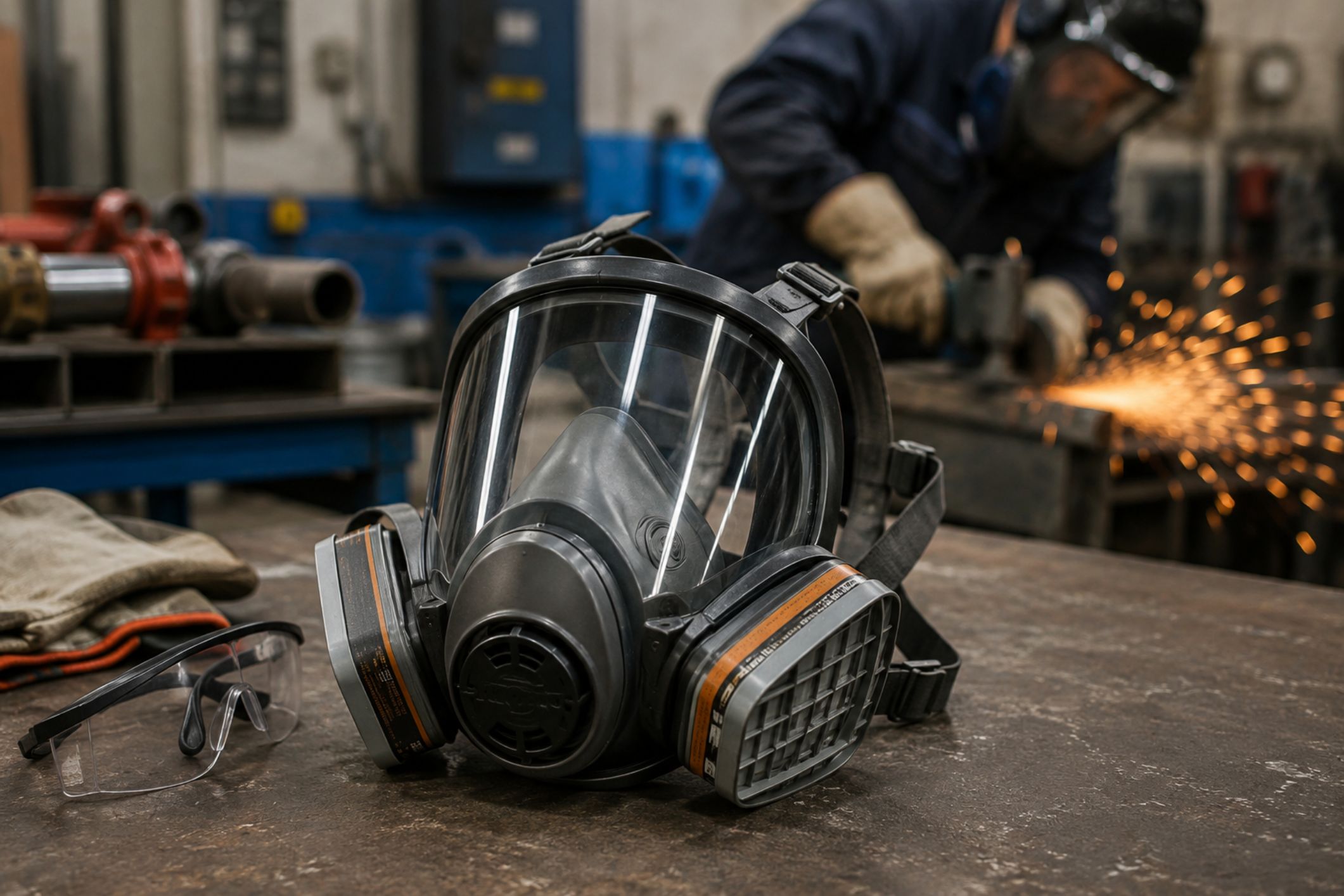
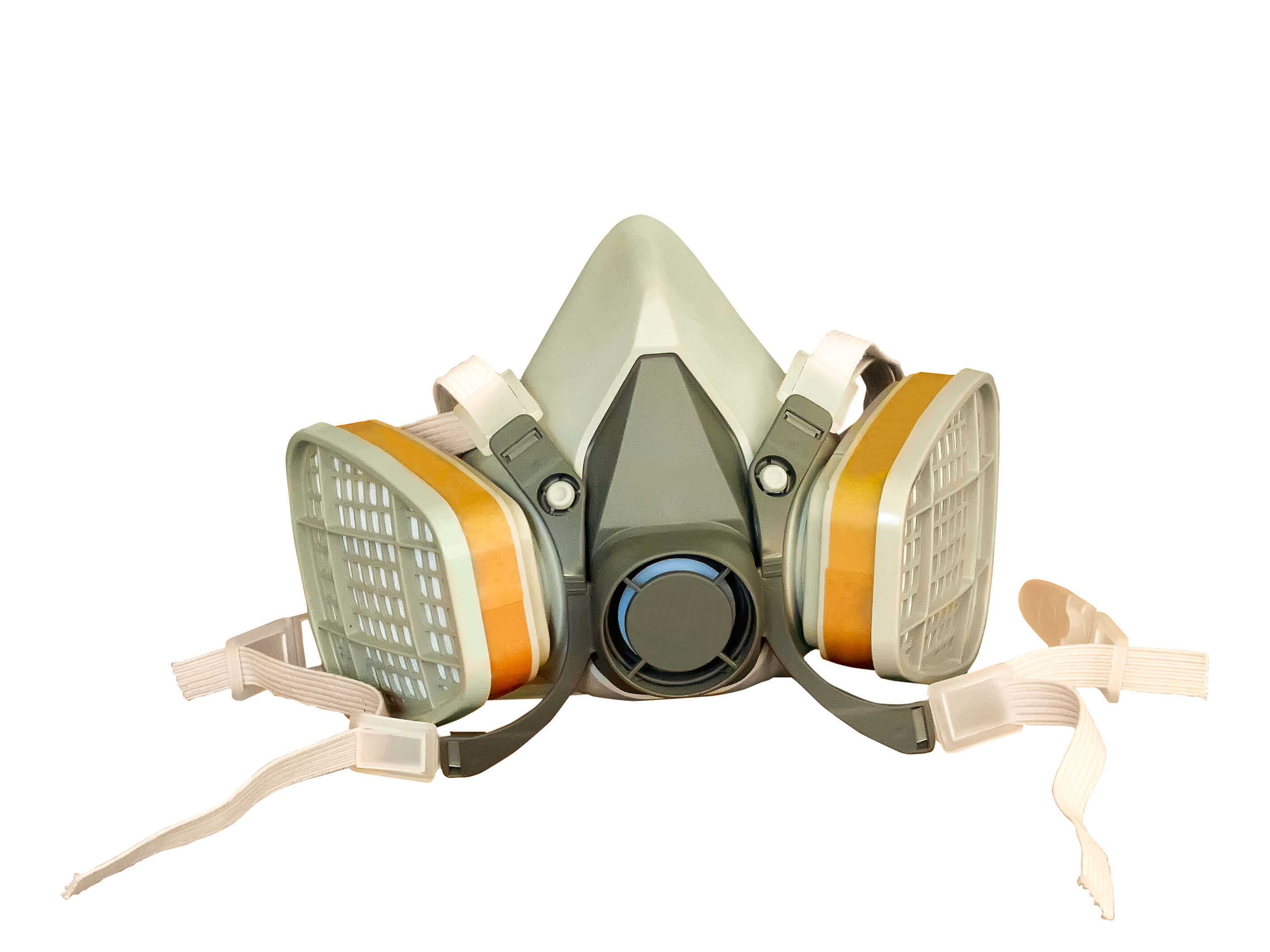
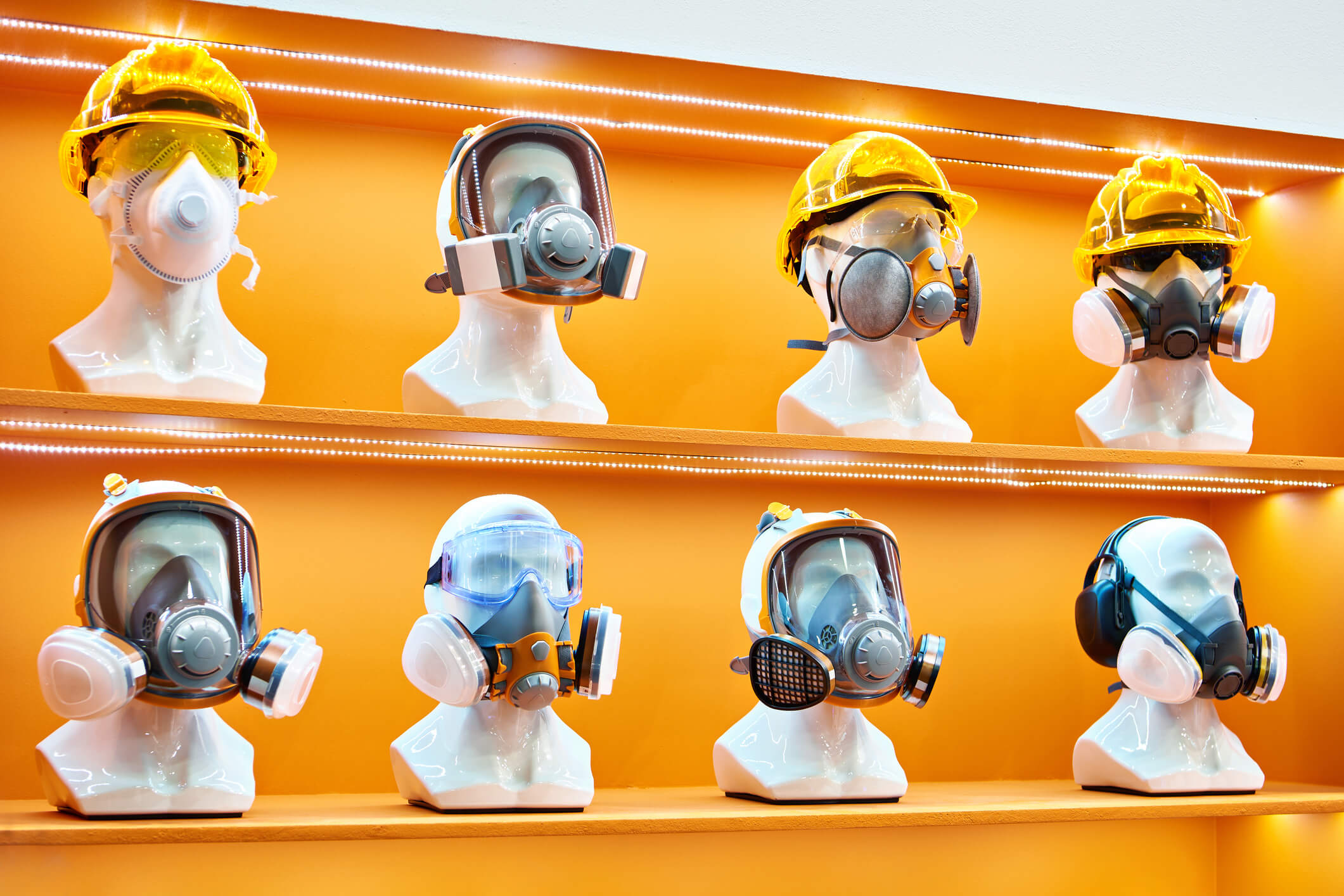
Respiratory protection often causes confusion because mask classes and filter types vary. Eye protection also creates questions because some tasks need sealed eyewear, while others only need impact-rated glasses. High-visibility workwear can also be misunderstood where teams assume that any bright garment meets the required standard.
Clear guidance helps people use PPE properly and reduces inconsistent practice across teams.
How to Check Standards Without Guesswork
Standards give a consistent baseline for product performance. They also make buying decisions easier to justify.
Examples include EN 149 for disposable filtering facepiece respirators, EN ISO 20471 for high-visibility clothing, and EN 166 for eye protection.
A site does not need to memorise every standard. However, it does need to record which standards apply to the tasks being carried out and make sure the issued PPE meets that requirement.
You should record the following:
- Task name and location
- Hazard type and exposure duration
- Required equipment category
- Relevant EN standard for each item
- Training and inspection rules
Where do Audits Commonly Identify Gaps?
Audits and inspections often reveal issues external from product choice. The equipment itself may meet the right standard, yet the way it is managed daily creates exposure risk.
One common finding is PPE issued without a clear link to the job it is meant to protect against. Another is that inspection records are completed on schedule but not tied to any action when damage or wear is identified.
Short-term workers meanwhile may receive basic issues without confirmation that the equipment suits the task they are carrying out. Addressing these gaps usually consists of making sure supervision checks focus on how they’re used.
How Does Comfort Affect PPE Use?
Comfort affects behaviour. Workers remove equipment that feels restrictive, fogs eyewear, or causes skin irritation. That creates a safety problem even where a site has purchased high-grade kit.
Managers can reduce this risk by trialling a small number of options, gathering feedback, and issuing equipment that people can wear for the required period. That approach improves consistent use of PPE without lowering standards.
Need help reviewing your current range? Contact us.
Does Storage Impact PPE Condition?
Storage plays a larger role in performance than expected. Equipment kept in damp areas or left in direct sunlight can degrade before it’s ever used for a job.
Poor storage also increases replacement rates. Items damaged between uses often get discarded without being worn, adding cost and creating avoidable waste. Centralised storage with basic protection from contamination can reduce this problem.
Clear storage rules help supervisors maintain consistency. PPE should be kept away from work areas where damage can occur.
How to Reduce Waste Without Reducing Protection
Having a large amount of waste affects costs and disposal workload, especially on large projects. It also matters for corporate commitments.
Start by checking what creates waste. Disposable items used beyond intended life often create even more waste because they fail early. Poor storage can also lead to damage and premature disposal.
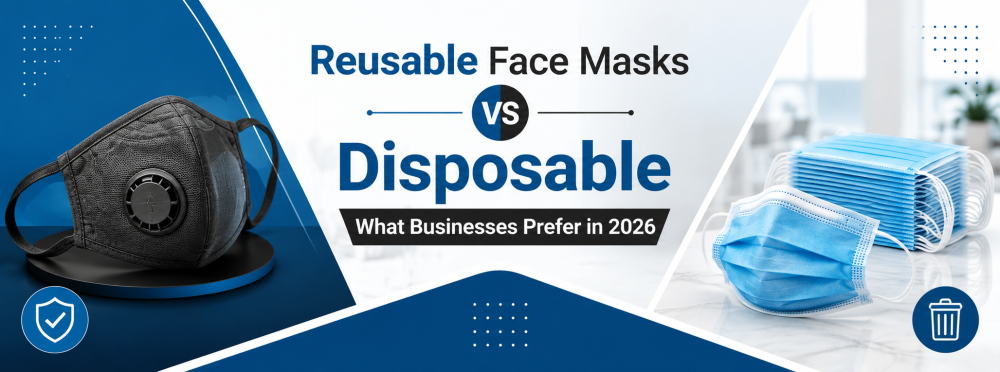
Reusable equipment can reduce waste although it needs clear rules on how to clean them appropriately, planned replacement parts, and storage discipline. Disposables still have a place for short tasks, visitor use, and contaminated areas where re-use is not practical.
A consistent approach keeps PPE spend predictable while reducing unnecessary disposal.
What Proves Your PPE Management is Working?
Documentation matters because it shows that the site has managed risk consistently.
Useful records include risk assessments, issue logs, inspection checks, training records, and replacement schedules. Procurement records also help where the site needs to show that purchased items meet required standards.
This documentation also helps supervisors manage personal safety equipment across rotating teams and short-term contractors.
How Can we Help?
Busy sites often need one supplier that can cover multiple equipment categories. We supply a wide range of respiratory protective equipment, and you can also review our range of protective clothing, hearing protection, head and eye protection, high-visibility workwear, and protection kits.
Contact us and our team can help you match the right PPE to you.