
Facial hair and tight-sealing dust masks rarely work well together. A growing beard can break the seal that disposable masks rely on, leaving gaps around the nose and cheeks. Many workplaces still rely on clean-shaven rules to deal with this, yet some roles, cultures and personal reasons mean shaving is not always practical. As a new year approaches, many employers review respiratory policies and equipment. In those settings, you need to think differently about how to protect lungs without asking every worker to remove their beard.
Why Traditional Masks Struggle With Beards
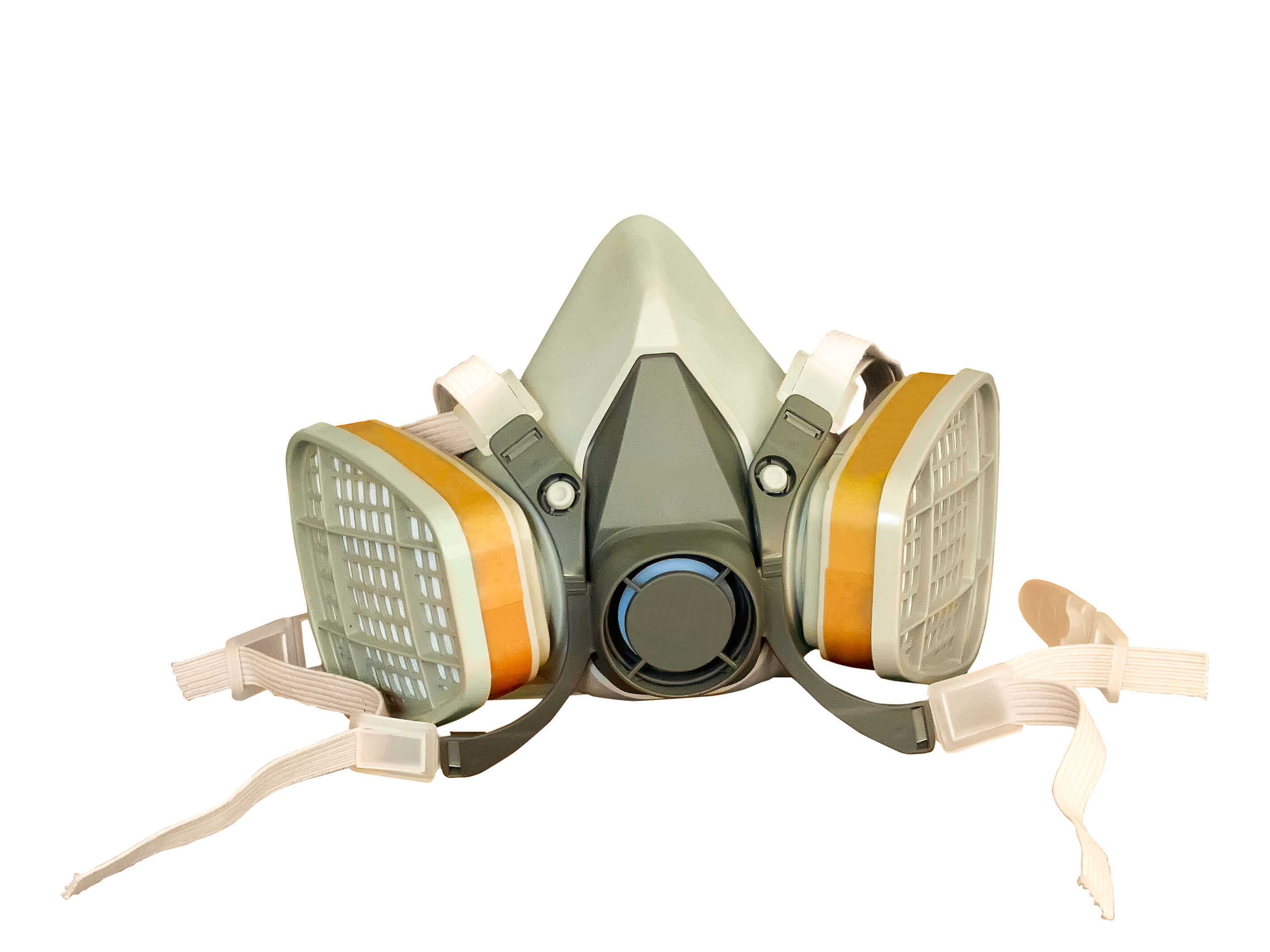
Standard dust masks use a flexible edge to create a seal against bare skin. But even slight movement during bending or turning the head can open small channels that weaken protection. Straps often need more tension to pull the mask closer, increasing pressure on the nose and leaving deep marks on the cheeks. That makes long jobs much harder to tolerate.
Tear-off strips, nose clips and extra strap adjustments help a little, but they can’t overcome longer or denser facial hair. Once workers notice that air can move under the seal, confidence fades and the mask spends more time slipped down around the neck. At that point, protection has effectively stopped. This is why organisations that have many workers with facial hair start to look at alternative designs that deliver a consistent seal in a different way.
Which Style Works With Facial Hair?
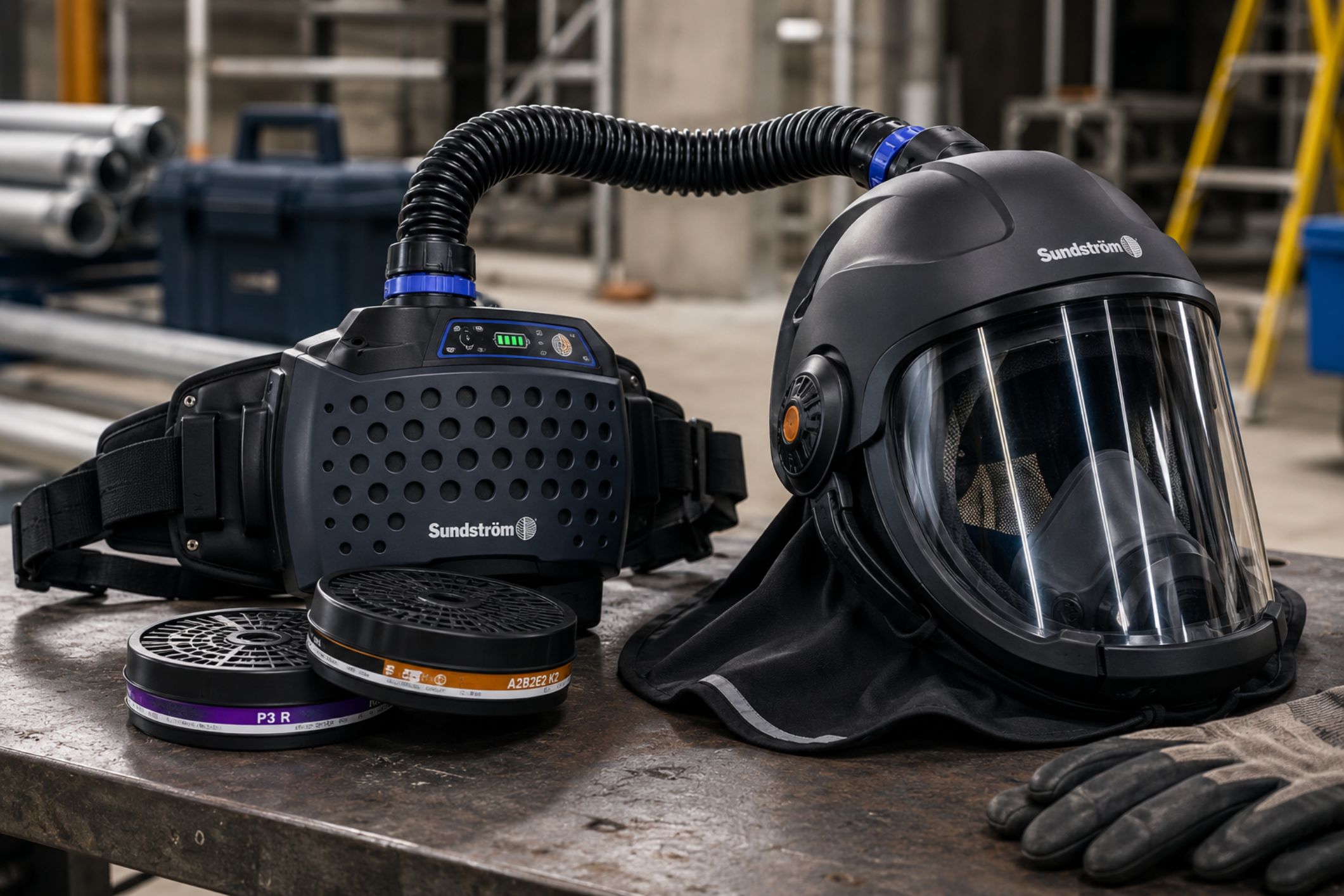
Instead of relying on a narrow edge against bare skin, beard-compatible equipment often uses loose-seal designs. A powered hood or helmet brings filtered air into a larger headpiece, so the system does not depend on clean-shaven cheeks. In this type of setup, a dust mask for beards spreads pressure over a wider area and focuses on airflow rather than compressing hair against the face.
Look for designs with:
- Ample space around the chin and jaw
- A smooth inner surface that does not tangle or snag
- A shroud or cape that drapes over the shoulders
These details help the headpiece move with the wearer instead of fighting against the beard. A powered unit also cuts down on air escaping because air flows outward from the mask, pushing contamination away from the breathing area.
How Respirators Maintain Protection
Bearded users often need designs that stay dependable. A dust mask for beards works best when the headpiece keeps a sealed area away from facial hair while still allowing natural head turns and tool handling. A wider structure around the face helps the headpiece stay stable even when the wearer bends or reaches for something.
Visibility also plays a part in daily safety. Wide visors that stay clear during dusty jobs help workers move confidently through busy walkways or production areas. Anti‑fog coatings and guided airflow reduce misting which is vital when operating machinery or working near vehicles.
Sound awareness matters as well. A hood or helmet that allows the wearer to hear nearby warnings, signals or conversations helps prevent missed cues during active jobs.
You can speak with us about options that work with facial hair. Contact us and we will suggest masks and systems that suit your work.
What Airflow Features Help Around Beards?
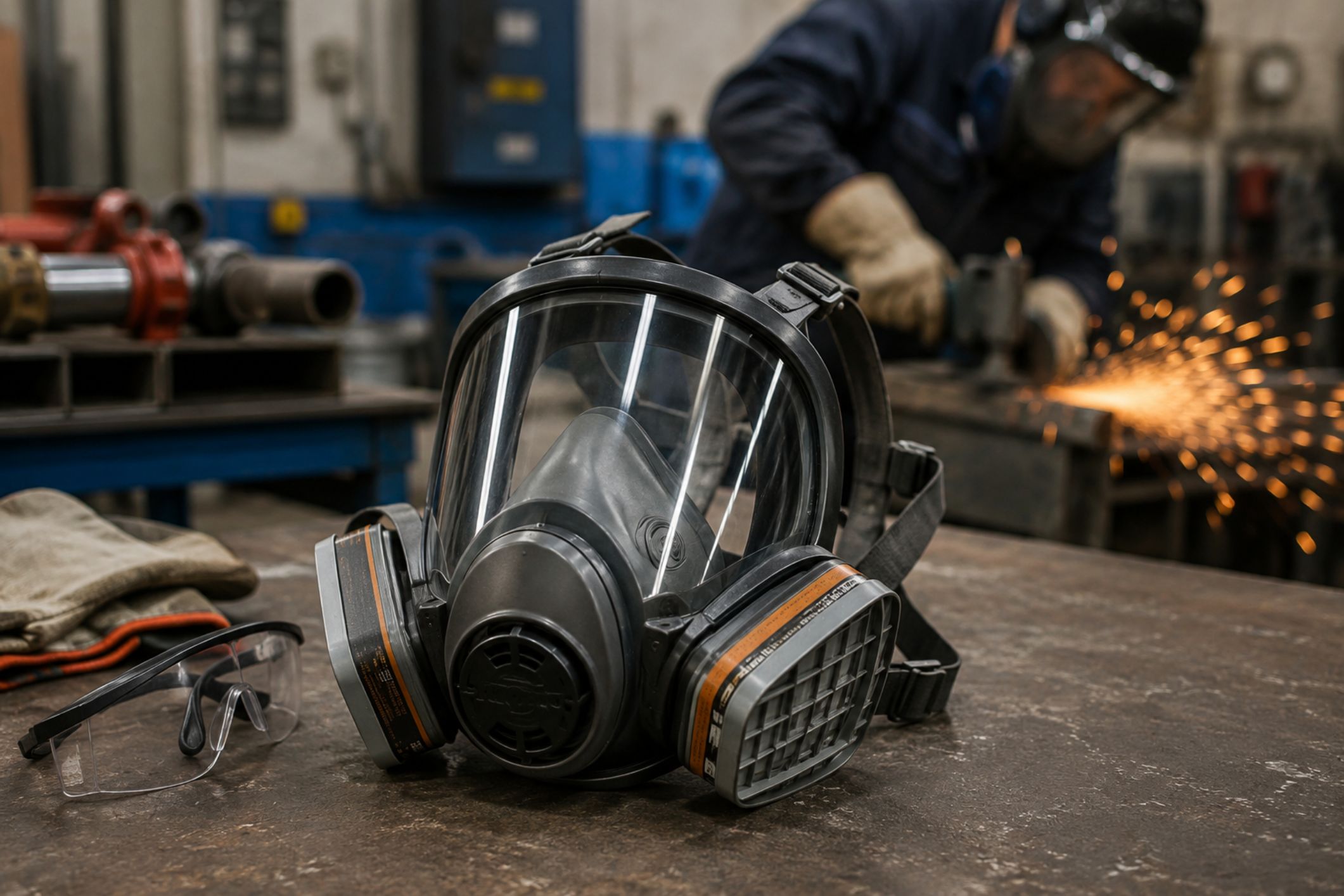
Airflow patterns inside the headpiece have a big impact on comfort and protection. When air moves evenly across the face and out through an exhale outlet, workers are less likely to experience fogged lenses, dry eyes or distracting draughts. A well-designed full face dust mask for beards channels air so that it passes the mouth and nose first, then washes across any visor before exiting.
Some systems allow you to adjust the airflow direction slightly, so you can reduce the feeling of air blowing straight into the eyes. Together with the right filter type, these features help keep breathing easy without creating new discomforts that drive people to remove their mask while still in an exposure area.
Which Filter Types Suit Bearded Workers?
Beard-friendly systems need filters that suit the hazards in your workplace. A dust mask for beards paired with a high-grade particle filter will tackle fine dust from sanding, cutting and mixing, while other cartridges handle fumes from welding or solvent-based products. Check the data sheet for each filter type so you know which hazards it can handle and how long it can stay in service.
There is no reason to over-specify a filter, yet under-specifying brings real risk. Think about the worst credible job on each line, not just the average task. For some employers, that drives a move to higher performance filters that are used across several areas, instead of trying to keep many different lower rated options in stock.
How Does Helmet Design Impact Long Shifts?
Bearded workers often notice pressure points at the top of the head or around the neck before anything else. A dust mask for beards that spreads weight evenly using a padded harness or helmet shell reduces these hot spots. Flexible adjustment points let wearers shape the harness around hairstyles and head shapes.
Ventilation around the scalp also matters. Headpieces that trap heat can leave workers with headaches by the end of a busy day. Look for designs with light internal padding and air movement channels. The less awareness someone has of the headpiece during normal movement, the more mental space they have to focus on their work.
Which Design Features Help With Communication?
Communication matters wherever forklifts, cranes or production machinery are nearby. A dust mask for beards should allow clear speech without the need to shout constantly. Large visor windows make lip reading easier and help colleagues see facial expressions. Some models even integrate electronic intercoms, which can improve clarity where there is high background noise.
Think about how many times staff need to use radios or respond to visitor questions during a shift. A mask that makes voices sound muffled or distant will quickly cause friction. By contrast, a hood or helmet that leaves voices clear encourages consistent use, because it does not make normal teamwork harder.
How to Check Performance on Bearded Users
Even with beard friendly designs, you still need evidence that a seal remains effective under real working conditions. A dust mask for beards should be tested on a sample of your workforce.
It helps to observe people while they perform movements similar to their actual job, rather than only when they stand still. Bending, twisting and reaching overhead all affect how a harness and headpiece sit. Where possible, involve workers with different beard styles and lengths in trials, so you can see whether performance changes at different stages of growth.
What Cleaning Routine Works For Beard Compatible Masks
Cleaning routines keep powered systems ready for the next day and protect skin health. A dust mask for beards will usually need a wipe down of hard surfaces, inspection of seals around the visor and a check of breathing tubes for damage. Head harnesses or inner caps may need occasional washing to remove sweat and product residue.
Manufacturer instructions still matter. Use approved detergents and wipes, because aggressive products can weaken plastics or cloud visors. A clear log near the cleaning area helps you track who has cleaned which unit and when, especially in multi-shift environments. Dry storage in closed boxes or lockers then keeps equipment out of airborne dust between uses.
What Else Makes Daily Use Easier?
Small details can have a large impact on daily experience. Examples include disposable inner hoods and peel-off visor films. Belt systems that carry batteries and filters without digging into the waist also help. A full face dust mask for beards that accepts pre-filters can lower the load on main filters where dust levels are high, extending their useful life between changes.
You may also want to look for accessories such as:
- Protective bags or cases for storage
- Clip points for hearing protection that’s not in use
- High-visibility panels for staff working around vehicles
These touches help keep equipment organised and minimise damage. Early in the new year is a sensible moment to review what you already have and plan replacements before workloads rise again.
How to Choose a Beard-Compatible Respirator Supplier?
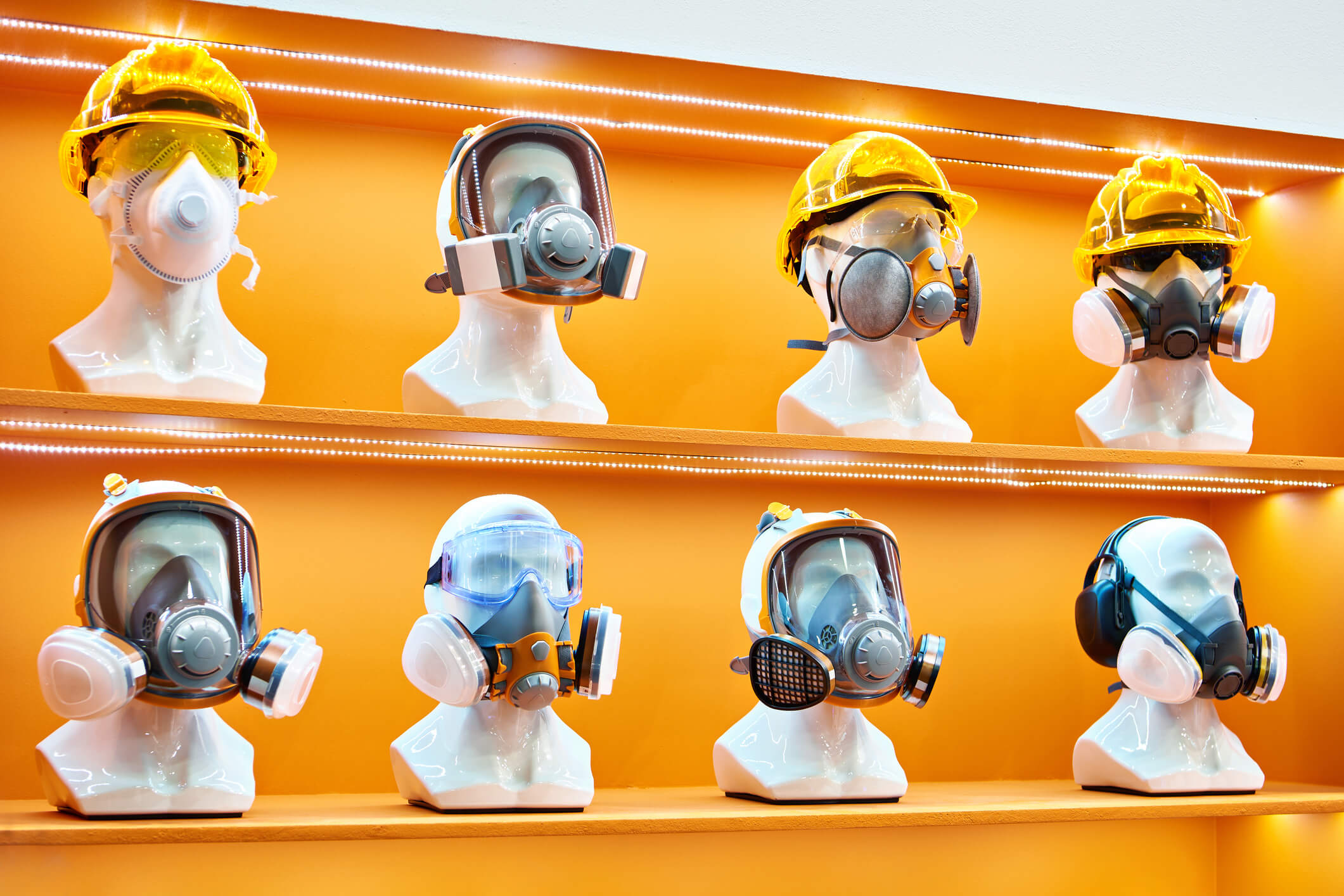
Supplier choice affects how easy it is to run powered systems across many years. A dust mask for beards is part of a wider setup that includes power sources and interchangeable parts the team will use. You need confidence that parts will remain available and that advice will be on hand when you introduce new processes or recruit new teams.
Look for suppliers who can:
- Explain which systems align with your current risk assessments
- Provide trials or demonstrations for bearded workers
- Offer help with training and product selection across multiple sites
Planning your PPE strategy for the new year? Contact us!