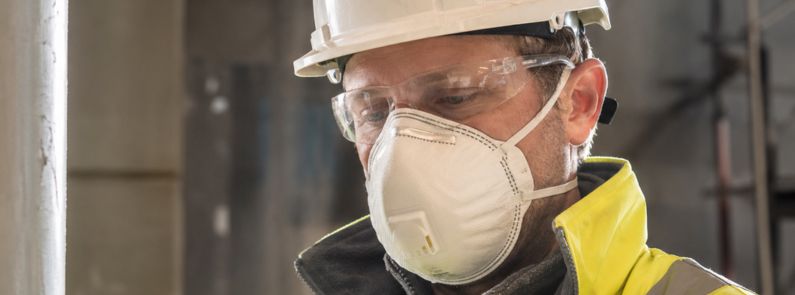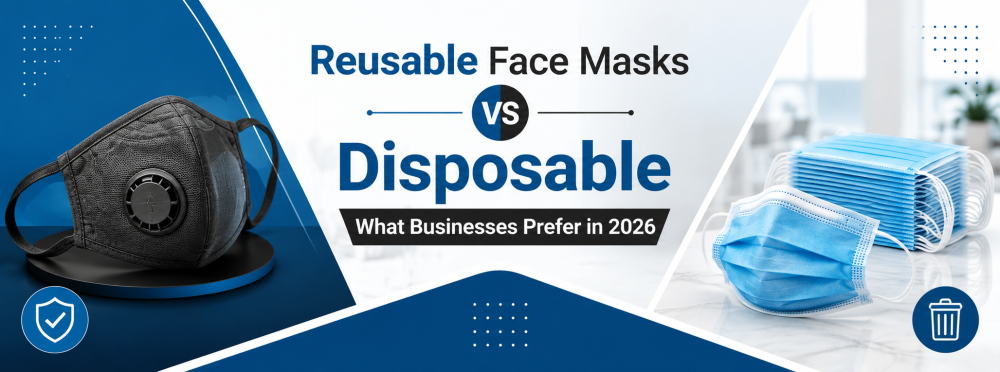

Disposable filtering masks have their place, but many teams now look towards powered systems when they want higher protection with less strain on the person wearing the mask.
An air powered system uses a powered unit with filters and a hose to provide a steady flow of cleaned air into a headpiece, hood or full face mask. Instead of relying on lung effort alone, the unit moves air through filters and into the breathing area in a controlled way. That difference changes how the mask feels during longer jobs and how easy it is for staff to keep their equipment on throughout a working day.
What Happens Inside a Powered Respiratory System?
Powered systems use a fan with filters to draw in contaminated air and then push cleaned air towards the wearer. The air arrives at a headpiece or full face mask through a hose, then flows across the face before leaving through an exhale outlet. Because the unit does the work of pulling air through filters, breathing feels closer to normal, even when higher filtration levels are in use.
Workers can still move and reach for tools without feeling the mask collapse against the face. Compared with a disposable mask, powered systems maintain their internal shape during heavy effort. That can make a noticeable difference for anyone who spends long periods in dusty workshops, on construction sites or in production areas with regular airborne contamination.
Why Heat Build-Up Reduces With Assisted Airflow
Work that involves steady movement in warm areas can leave staff feeling drained. A powered air purifying respirator helps move fresh filtered air around the face, reducing the heavy, enclosed feeling that can slow people down. This airflow also helps limit heat rising inside the headpiece during long periods spent near machinery or active production lines.
Many workers find that stable airflow improves focus. With less heat build‑up, it becomes easier to keep equipment in place throughout a full job.
Why Does Breathing Feels Easier With Assisted Units?
Resistance when inhaling creates a noticeable drag when people work hard while wearing a disposable mask. Over a working day this extra effort takes energy and can leave staff feeling more tired. A powered system changes this pattern because the fan unit moves air through the filters and delivers it towards the wearer.
An air purifying respirator keeps a steady airflow that helps staff feel less strain on each breath. This lets people focus on the job itself without a constant reminder from tight straps or a mask that clings to the face. In roles that involve frequent stair use, ladder climbs or handling heavy parts, easier breathing can make the day more manageable.
What Helps Respirator Units Cope With Heavy Dust?
Some jobs, such as cutting masonry or cleaning down process lines, create heavy dust clouds. In these environments, a disposable mask can reach the end of its useful life quite quickly. Workers then need to stop and change masks several times during a shift, which interrupts work and raises the risk that someone forgets to put a fresh mask on straight away.
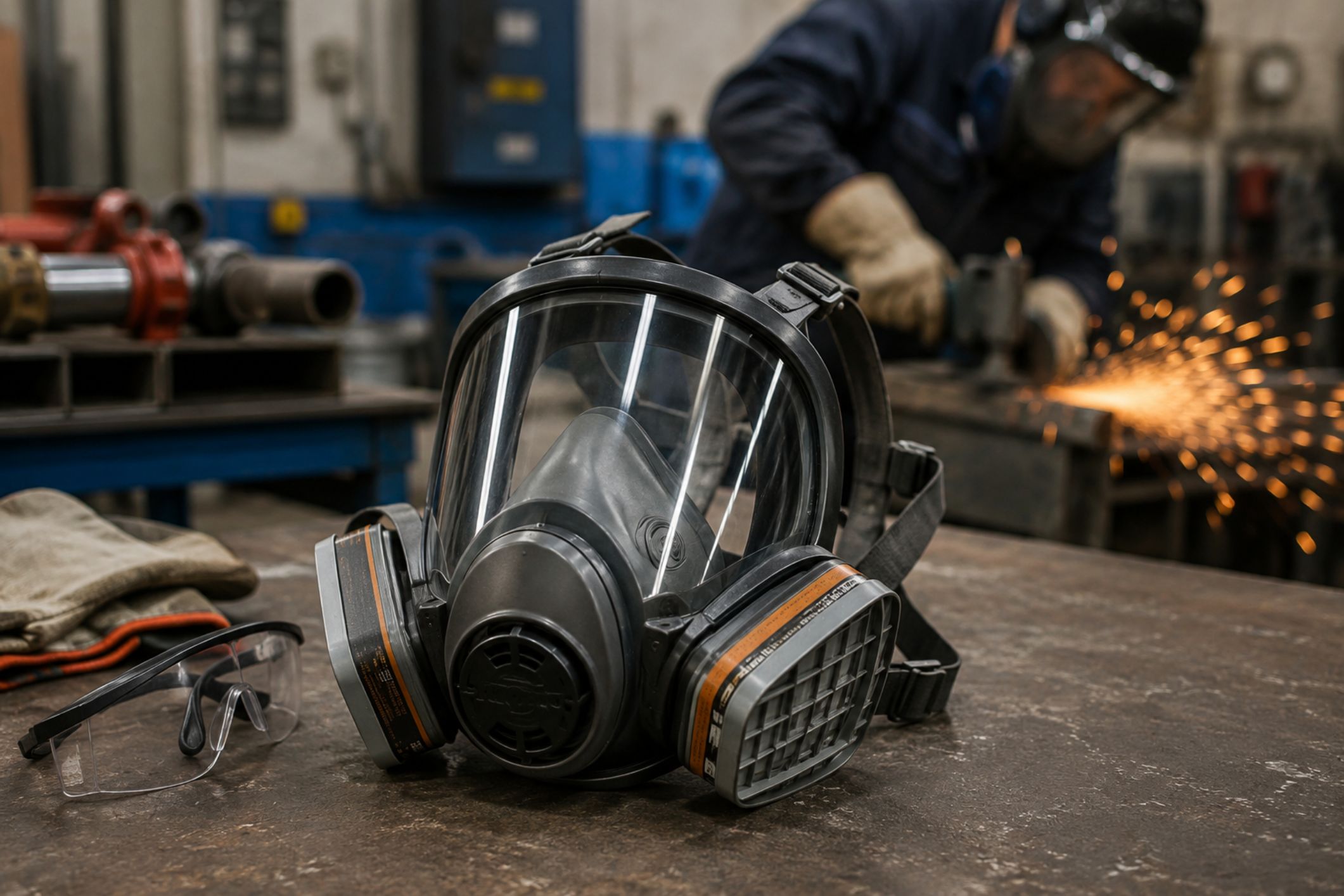
An air purifying respirator designed for dusty work uses replaceable particle filters sized for heavy dust demands. Housings can be wiped clean at the end of a shift, and pre-filters can take the first impact where dust levels peak. This arrangement makes it easier to keep protection levels consistent during long tasks such as floor grinding and similar high speed cutting work.
Contact us for guidance on models that align with your work environment and exposure levels.
Which Visibility Features Help Precision Work?
Some tasks need careful sight lines to keep results consistent. A powered unit with a large viewing panel stays stable as the wearer moves. When the visor sits clear of the face, it becomes easier to pick out small details without constant readjustment.
An air purifying respirator that guides airflow across the viewing panel can also help limit fogging during high‑effort tasks, keeping visibility steady throughout demanding work.
What Supports Respirators During Constant Movement?
Busy roles require bending, climbing, reaching and turning through tight spaces. Powered systems hold their shape during these movements, which helps the wearer stay focused on the job rather than the mask. Steady airflow also helps prevent the pulling sensation that can happen when disposable masks collapse.
An air purifying respirator that stays stable during movement gives workers more confidence.
Where Are Air-Assisted Systems Most Useful?
Not every task needs powered protection, yet some work settings see repeated exposure peaks during a normal day. Examples include:
- Workshops where machine sanding takes place for extended periods
- Production lines that use powders and fine ingredients in open vessels
- Maintenance teams who spend long periods in plant rooms with poor natural ventilation
- Construction sites that rely on cement, stone or drywall boards
Where these patterns appear in risk assessments, a powered air purifying respirator can raise protection compared with disposable masks. The cost of a powered unit is higher at purchase, yet that outlay spreads across many days of use, while disposable masks need frequent replacement during heavy dust exposure.
Are Powered Systems Suitable For Confined Spaces?
Confined plant rooms, service areas and low‑ventilation zones can trap airborne material close to breathing height. In these spaces, a powered air purifying respirator helps keep air movement more constant around the face, which can prevent air pockets forming.
Powered designs also give workers clearer vision where turning the head or checking overhead areas needs consistent visibility.
Are Powered Units Suitable For Long Tasks?
Extended jobs such as surface prep, detailed inspection, or multi‑hour fabrication work depend on equipment that remains comfortable as time passes. A powered air purifying respirator keeps airflow steady, helping reduce strain during sustained effort.
Workers often report that predictable airflow makes long sequences of repetitive work easier to manage, because they are not fighting the mask each time they inhale.
Which Features Matter Most on Powered Respirators?
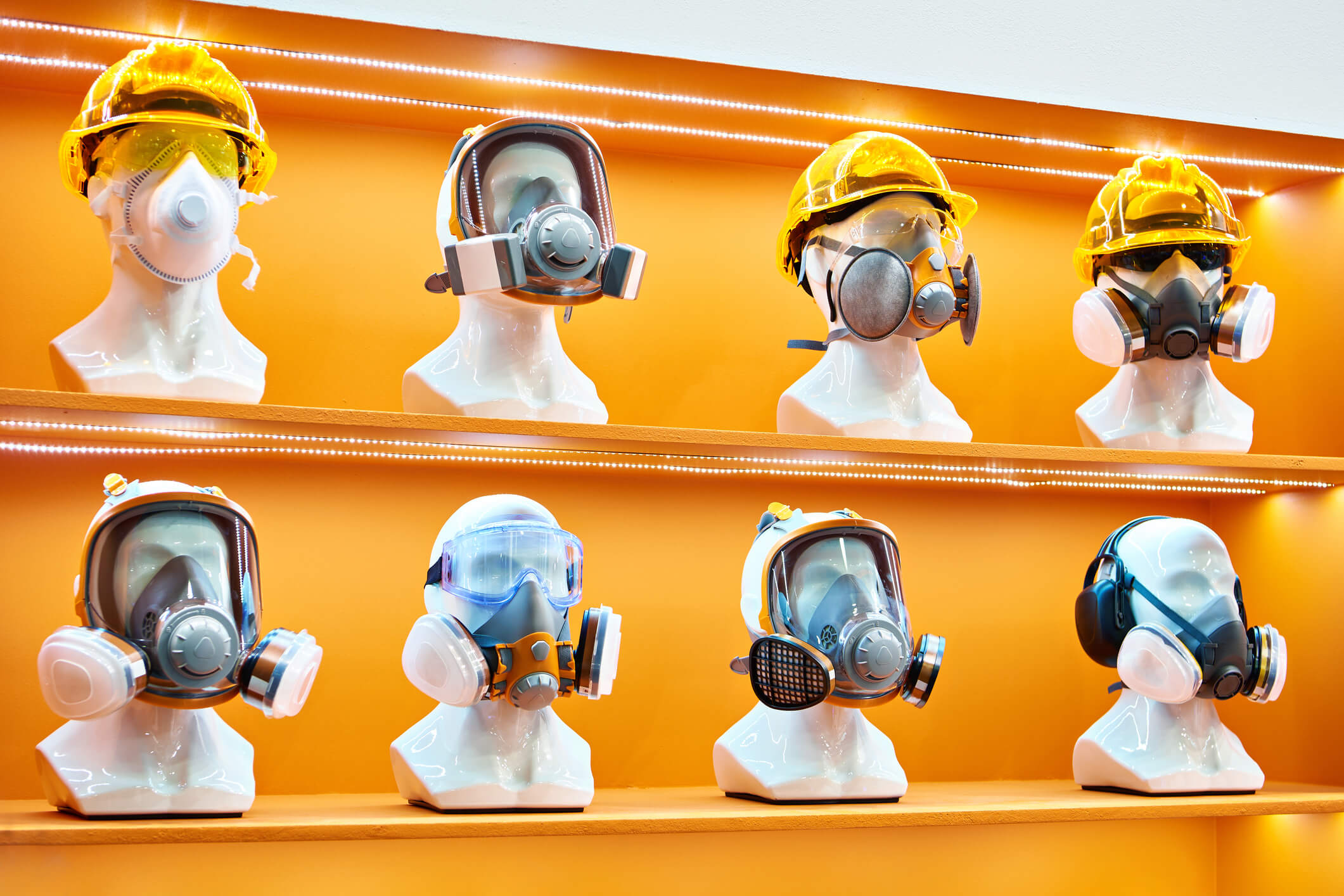
Comparing powered options begins with the tasks your team performs most often. Look at how different units handle airflow level, visor clarity and comfort during long shifts. A powered air purifying respirator should deliver stable performance while still feeling natural enough for staff to keep on without hesitation.
Contact us and our team can help you choose an air purifying respirator that works best for you.