
Deciding which equipment to select for the team in your workplace has an impact on the daily life of everyone in that team. For construction and healthcare industries, what you choose determines the extent of how people are protected from risks and hazards. Interpreting the details correctly helps you sift through any confusion and get the most suitable protection for your specific workplace.
UK business owners should be making employee safety their priority. Different tasks involve specific risks like fine stone dust or chemical mists. You staff can be left exposed to various delayed health issues if you pick something that is inadequate for the hazard present. Respiratory equipment that works effectively is designed to allow the wearer to perform their roles without it being a struggle, while also filtering out the specific dangers.
Why Does Correct Equipment Choice Matter?
Employers in the UK carry a legal duty to provide high-quality PPE whenever risks cannot be removed at the source. The regulations for COSHH are quite specific about this responsibility. You must provide equipment that can manage the exact type of pollution found on your site. Providing a mask that is too weak for the task is almost the same as providing no protection at all.
This responsibility involves looking closer than just buying the first box you see. Check the protection levels and whether they can work together with other PPE, like goggles or hard hats. Understanding this helps staff feel you are taking their safety seriously.
How do Different Protection Levels Work?
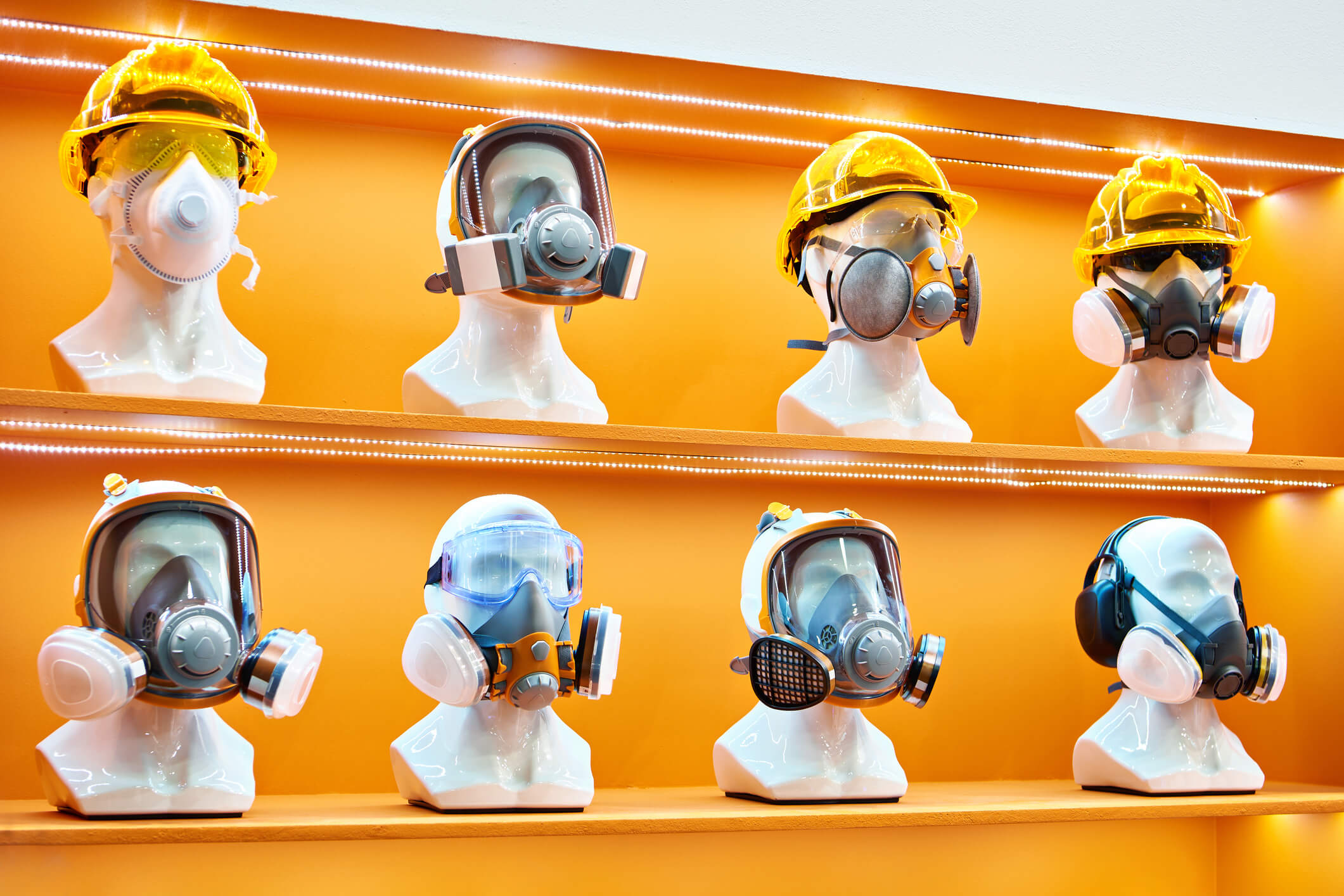
Filter ratings are the most common way to judge how a mask will perform. Each level is designed for a specific range of airborne threats:
- FFP1: These provide basic protection against low levels of dust and non-toxic solid particles
- FFP2: These handle medium risks and are suitable for filtering out harmful dusts, mists, and fumes
- FFP3: These are the standard choice for very dangerous substances like asbestos or silica. They offer the highest level of filtration for a disposable unit and are essential for high-risk manual labour
Every piece of equipment must meet the EN 149 standard to be used legally in a professional UK workplace. Using a high-quality PPE face mask that meets this requirement is reassuring as you know it has been well-tested. There may be versions which look similar but are made of a poorer quality. They lack the filtration power needed to stop the smallest and most dangerous particles from reaching the lungs.
Why is Fit Testing Essential for Staff Safety?
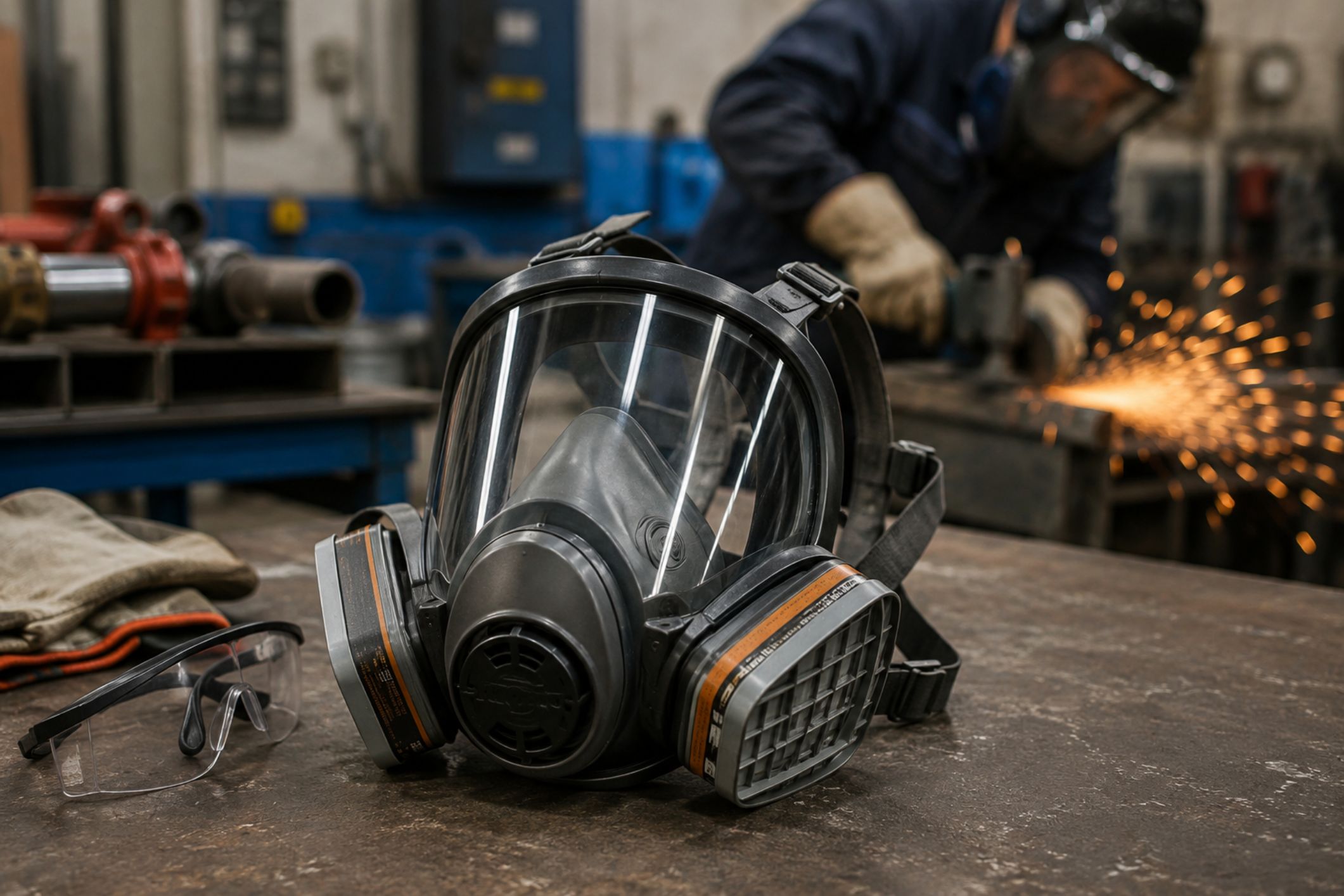
A mask is only effective if it creates a proper barrier against the face. Gaps around the nose or chin make it easier for dirty air to avoid the filter entirely. A mask that doesn’t feel right makes it more likely that it will be adjusted during a shift, making the fit, and how comfortable you feel wearing it, really important. Making certain that every full face protection mask sits correctly is a vital step in your safety routine.
UK law requires a formal face fit test for any mask that needs a tight seal against the skin. This process checks that the specific model of PPE face mask works for the individual face shape of the worker.
Nose clips and flexible straps are adjustable parts that can help meet this better. The only way to be sure is to test it. If you give PPE masks to someone who has not been fit tested, this puts them at greater risk of harm.
Contact us and learn how our respiratory range can fit your needs. We can help you choose the right models and organise the training sessions your team requires.
How Airflow Impacts Daily Productivity
Long working hours require gear that allows for easy breathing. Overly thick material without a valve makes the user work harder with every breath, leading to you feeling exhausted more quickly. The balance of excellent filtration and consistent airflow is especially important for staff that need to wear a PPE face mask in a high-risk zone for the whole day.
When working in high temperatures, a full face protection mask can keep you cool. Masks that use a powered fan to move air through the headpiece stop the face from getting too sweaty. This can also prevent fog from forming in the visor clear of fog, which is a major benefit for anyone doing precision work.
A worker who wears a full face protection mask should be able to stay alert for longer.
Are Reusable Options Better Than Disposable?
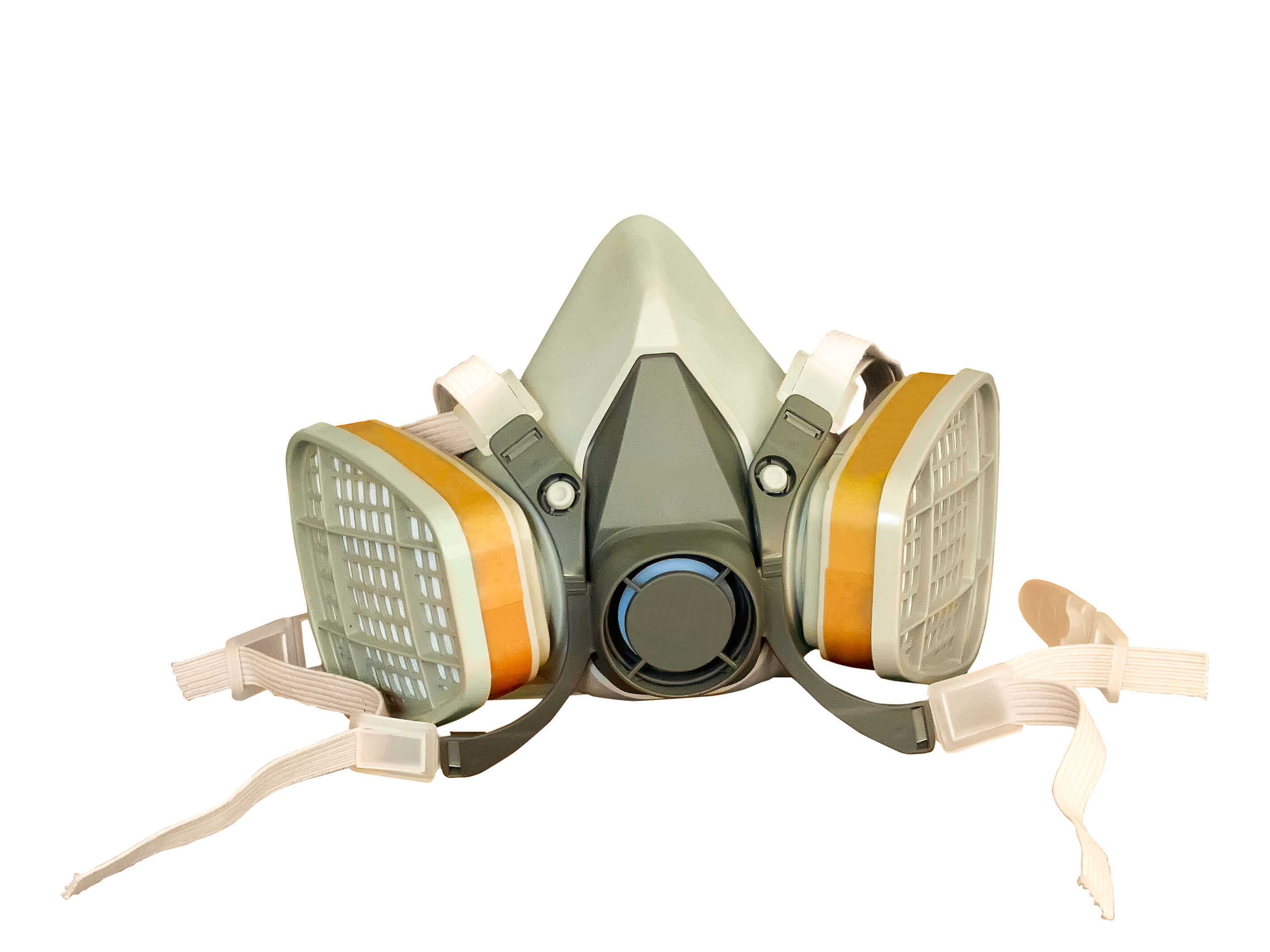
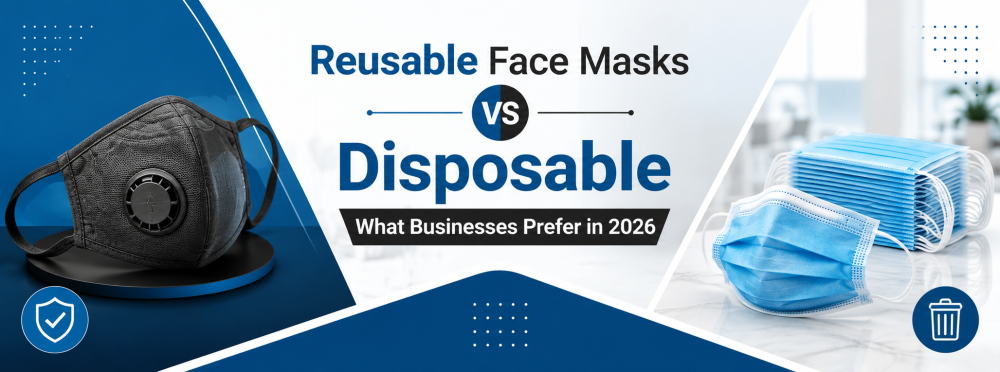
It’s not unusual for managers to find it hard choosing between single-use and reusable equipment. Respirators that can be reused are made for long-term use, only requiring you to swap out filters when they get clogged. Because these units are made of more durable materials, they can handle the rough conditions of a building site or a factory floor better than a light disposable PPE face mask.
Unsurprisingly, it does require a bit more effort to maintain reusable equipment. Facepieces should be cleaned regularly and stored in a dry place to prevent them being damaged.
However, you make significant cost savings over the course of a year because you aren’t throwing away hundreds of masks every week. Picking PPE masks with replaceable filters helps you reduce waste and are more sustainable as a result.
How to Handle and Store Your Equipment
Between shifts, looking after your equipment is also just as important as to how you wear it. Leaving a respirator on a dusty workbench or in a damp locker can ruin the filter material or damage the straps. Proper storage boxes or sealed bags help keep your PPE face mask in good condition. Helping your team learn how to inspect their gear is an easy way to maintain a high safety standard.
We have been a leading UK supplier for over 18 years, offering a wide range of PPE, including a full face protection mask and the replacement filters needed, to keep your operation running smoothly. Our team is happy to provide technical advice and bulk deals to make safety more affordable for your business
Making the Best Choice for Your Team
Doing the right thing for your employees is a daily choice when it comes to health and safety in the workplace. Investing in improved respiratory systems is a clear sign, showing you value your workforce’s health. It helps make your site a safe place to work.