
When working in a demanding environment, you need to purchase the right respiratory equipment to match. To do this, you shouldn’t only check the product description. This is because respiratory masks consist of multiple components, require continued care, and their performance depends on where and how they are used.
That is particularly important for those who procure items. Getting the wrong masks not only means you incur unnecessary extra costs, but your workforce are also more susceptible to breathing in harmful substances.
Which Tasks Justify Powered Respiratory Protection?
It can be harder to breathe properly during longer tasks. This is why respiratory protection is needed, especially with powered masks.
Any activity that sees prolonged dust generation is one example. Airborne contaminants like welding fumes, solvent vapours, wood dust, and chemical mists are also reasons why the very best protection is needed.
Work that requires continuous movement or physical effort can place extra demand on standard respirators.
How Does a Powered System Supply Air?
A unit uses a motor to draw air through filters to allow the user to breathe clearly.
When it’s integrated with a facepiece or hood, the battery and filters it uses diverts air up into them, keeping it fresh.
Buyers should check how each of these different parts interact with each other, and how easily they can be maintained, when deciding which powered respirator mask to order.
What Should Buyers Check About Battery Performance?
Your equipment can continue to be used as long as the battery is still performing well. Work can be interrupted or paused if it isn’t sufficiently charged, leading to reduced efficiency while the battery unit is changed.
How your teams access charging facilities can also impact whether the equipment can be used effectively during continued work.
Breaks can be avoided if you give your team clear information on how to check the condition of the a battery, and how to replace one when it needs replacing.
How do Filter Ratings Affect Purchasing Decisions?
Filter ratings determine the type of airborne material a system is designed to handle. Buyers need to confirm that the filters supplied align with the hazards identified for the work.
Some systems may accept different filter types depending on the manufacturer. Checking compatibility avoids purchasing equipment that cannot be adapted if working conditions change.
Documentation should clearly state which filters are suitable for the powered air purifying respirator under consideration.
What Comfort Factors Influence Continued Use?
How comfortable the equipment is affects whether it is worn throughout a task. Weight distribution and airflow delivery influence how it feels.
Systems that place most of the weight at the waist or back can feel different from those with head-mounted components. It is important to consider how the design aligns with typical movement patterns during work.
Trial use or demonstrations can help identify whether an powered respirator mask remains tolerable during longer periods.
How Does Other PPE Affect Powered Respirator Choice?
Respiratory equipment does not work on its own. Buyers need to consider how a powered system interacts with the other protective items already in use on site.
Compatibility issues can arise when equipment interferes with normal movement. This can affect how consistently items are worn during work.
Areas that buyers usually need to review include:
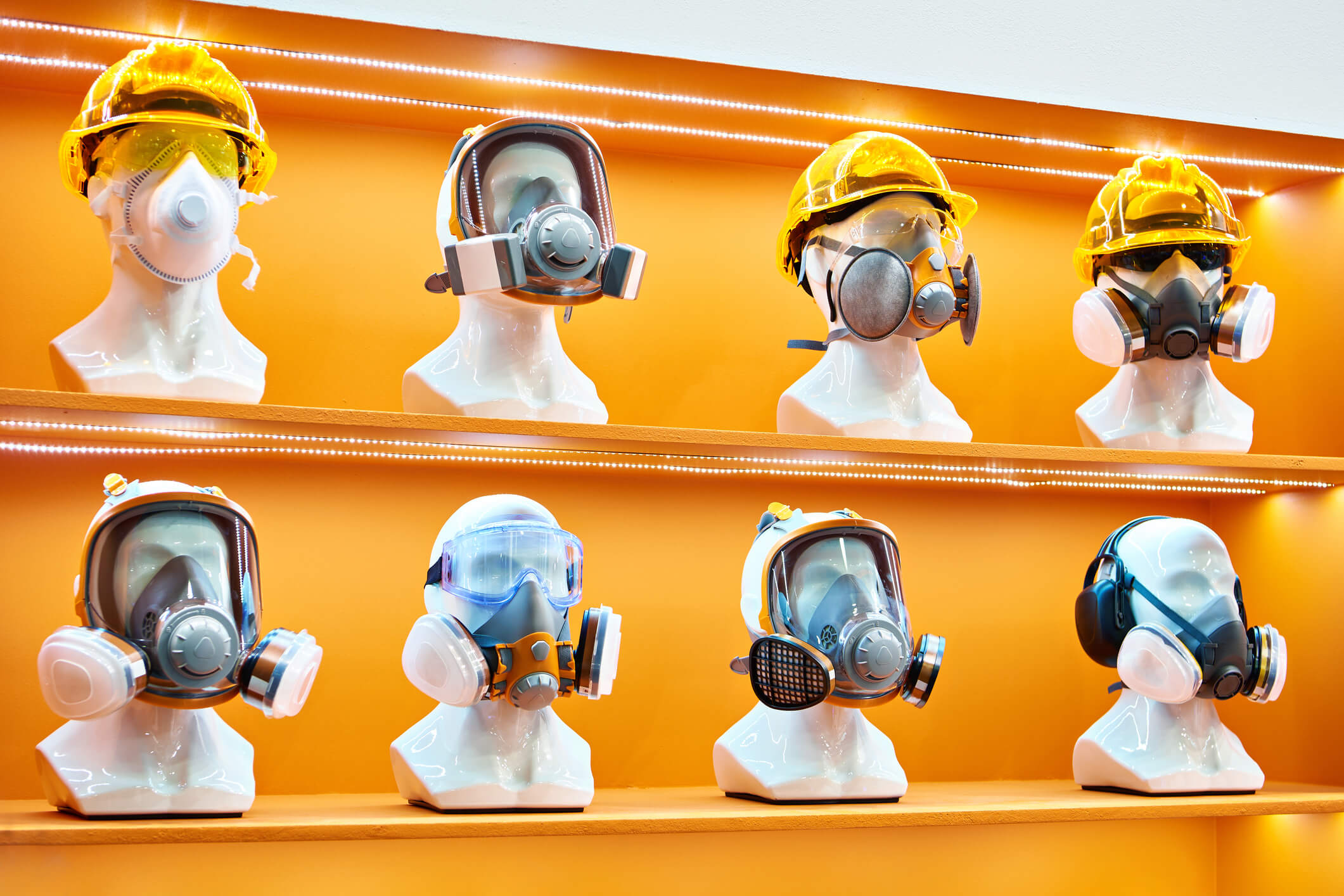
- How the respiratory system integrates with safety helmets
- Whether eye protection can be worn without obstruction
- How hearing protection is accommodated
Confirming compatibility helps avoid changes to existing PPE arrangements after equipment has been issued.
Which Components Require Ongoing Attention?
These systems include several parts that need regular checks. It is important to understand which components are classed as consumables and how they need replacement.
Typical items requiring attention include:
- Filters
- Batteries
- Hoses or connectors
Planning for these items helps avoid gaps in availability after buying a powered respirator.
How Should Storage be Planned After Purchase?
Storage arrangements influence the condition of a mask between uses. Powered systems often require clean, dry storage with access to charging points.
You should check to see whether existing storage facilities are suitable or whether additional provision is needed. Poor storage can shorten service life and increase replacement costs.
By considering storage requirements when buying, it helps protect the investment in a powered respirator mask.
What Training Information Should Be Supplied?
Users need clear instruction on how powered equipment operates and how to recognise issues during use. Checks should confirm what guidance is provided by the supplier.
Information may include basic operation, charging routines, and visual checks before use. Clear documentation supports consistent use once a powered air purifying respirator is issued.
Training materials should be accessible to supervisors as well as who’ll be actually using it.
How Should Suitability be Reviewed During Ongoing Work?
Conditions on site can change as work progresses. Materials or work methods may shift, affecting how respiratory equipment is used.
Reviewing suitability during a project allows buyers to confirm that the powered air purifying respirator purchased still aligns with current conditions. If you need advice on reviewing existing equipment or confirming compatibility, contact us about available options and guidance.
How do Buyers Assess Value Beyond Purchase Price?
You should be consider upfront costs. Equipment that initially costs more may offer better longevity if components are easy to manage and replacements are accessible.
Comparing purchase price against ongoing requirements helps buyers make informed decisions.
What Questions Should Buyers Ask Suppliers?
Clear communication with suppliers reduces uncertainty. Detailed information should be requested prior to committing to a purchase.
Useful questions may include:
- What components are included as standard?
- How are replacement parts sourced?
- What lead times apply for additional units?
Gathering this information early helps buyers avoid delays after selecting a powered respirator.
How to Confirm a Powered Respirator is Suitable
Final confirmation should tie back to the work that is being carried out. Equipment needs to align with how long you spend on a task and the site conditions.
Comparing supplier information with internal requirements provides reassurance that the powered respirator selected will perform as expected.
To discuss powered options available for your site and review purchasing considerations, contact us and our team can help you compare suitable systems.