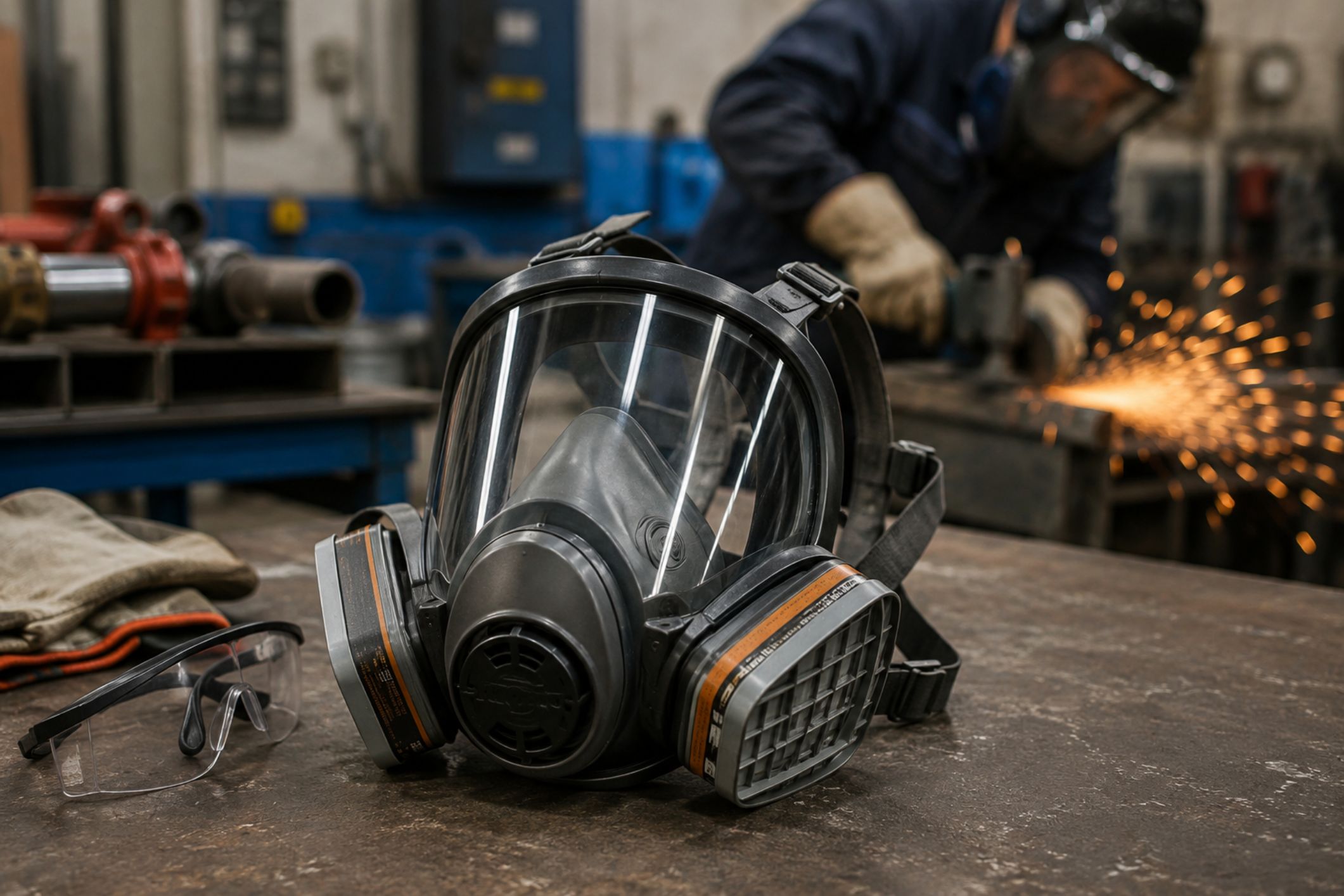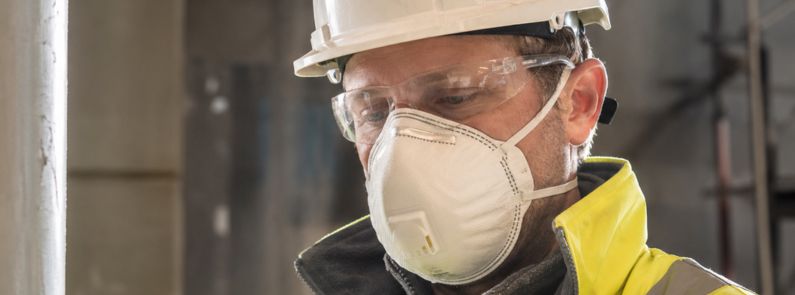
When working on site, the airflow changes from hour to hour. Cutting, sanding, grinding or dealing with vapours adds risk that you can reduce with the right kit. An air powered respirator draws air through a filter and feeds clean air to a hood or facepiece so you can keep working with steady airflow and less breathing resistance.
How Does Powered Airflow Protect Your Lungs During Fume‑Heavy Tasks?
A powered unit uses a battery‑driven blower to pull contaminated air through filters that can match the hazard. Air then travels along a breathing tube into a hood or a tight‑sealing facepiece. Constant flow helps manage heat and moisture build‑up inside the headgear, helping you focus through a shift.
How do You Choose a Hood or a Tight‑Seal Mask for the Job?
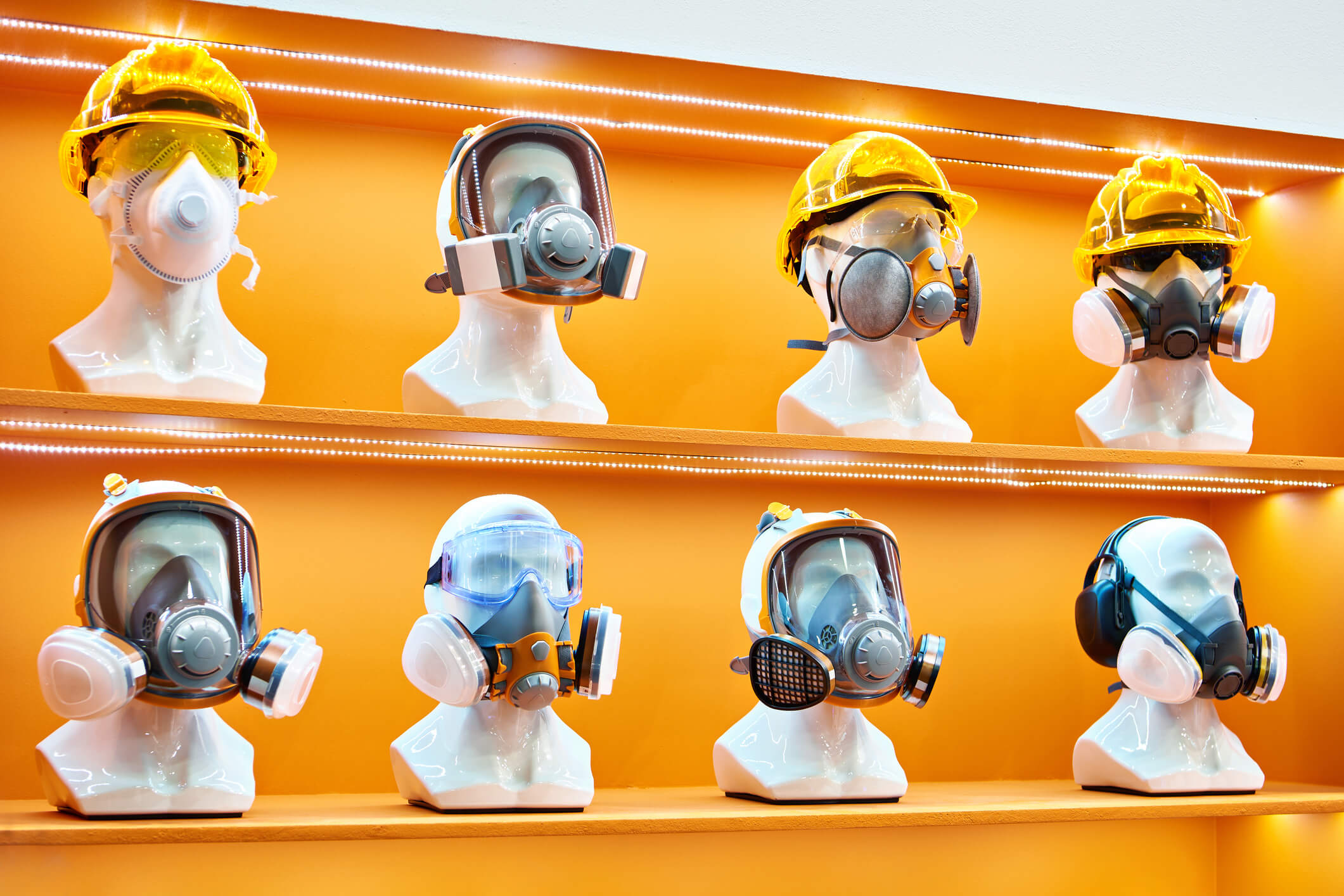
Loose‑fitting hoods deliver filtered air to the head and neck area and do not rely on a face seal, which suits users with facial hair or sensitive skin. Tight‑sealing facepieces rely on a seal to the face and typically offer higher Assigned Protection Factors in the same range. Your choice comes down to the task and the need for eye or head coverage. A hood with a cape guards against splashes and larger particles, while a full‑face setup adds integrated eye protection. Either style can be powered by an air powered respirator pack worn on the belt or back.
How do Powered Filters Work and What do the Codes Mean?
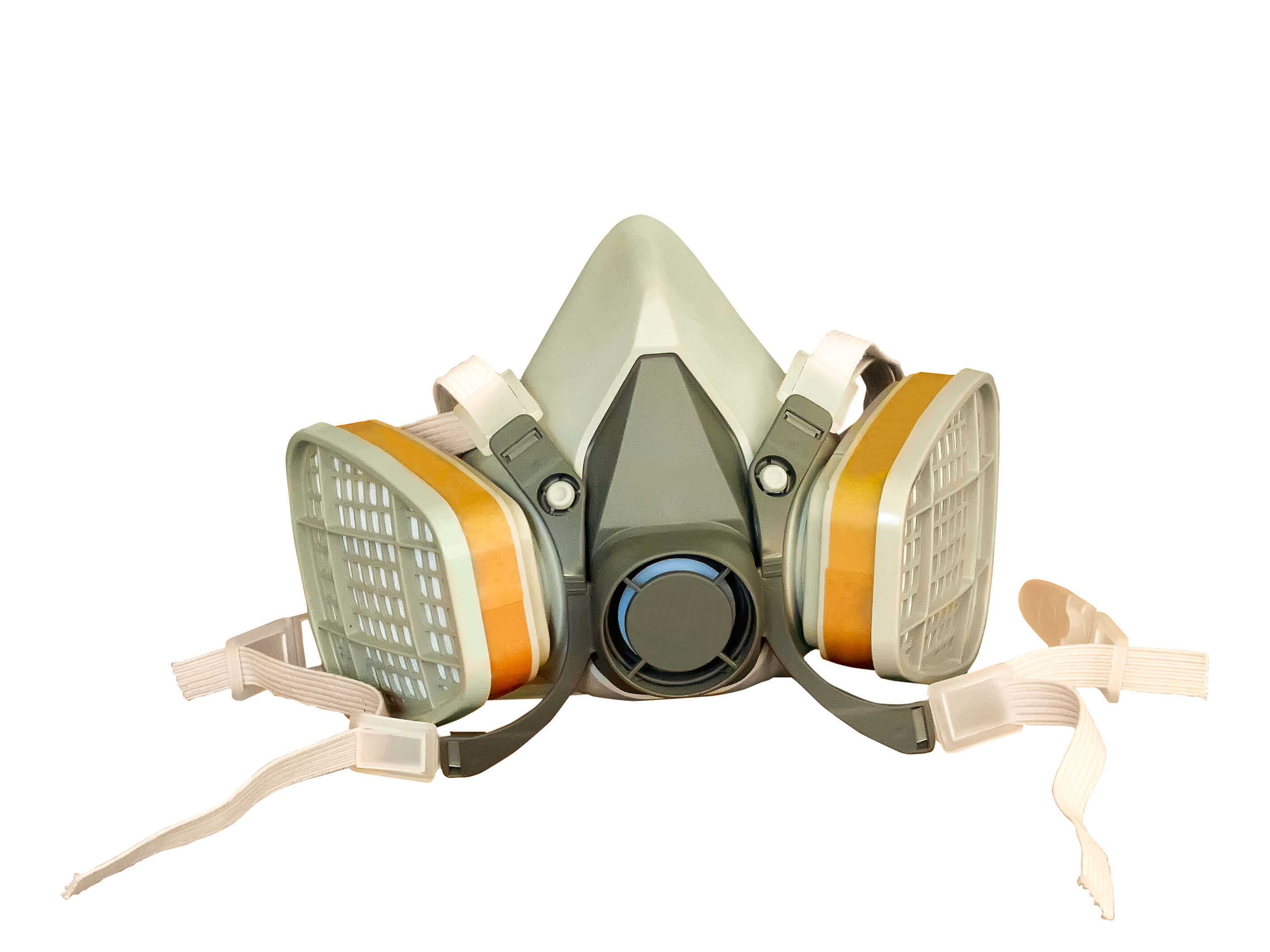
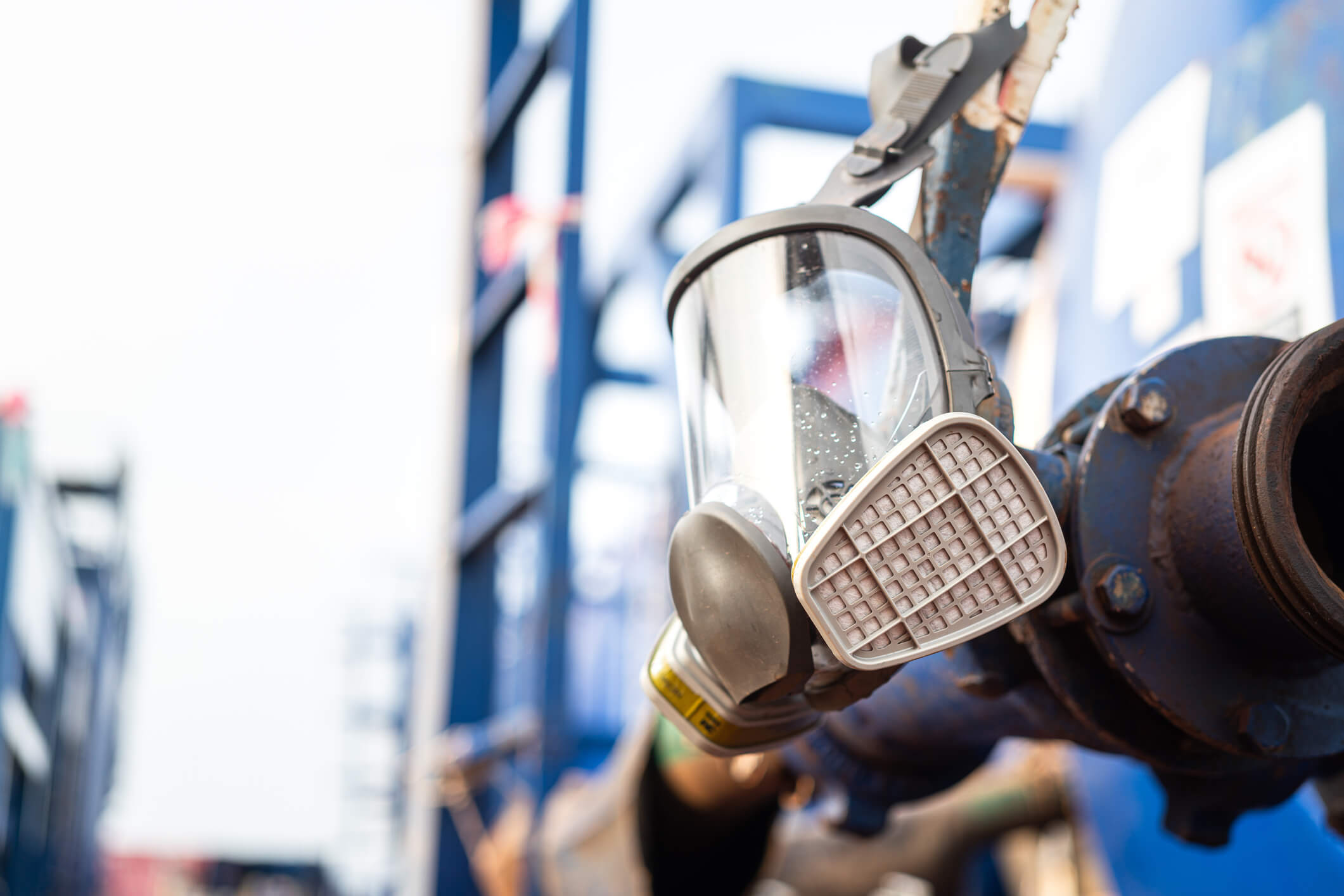
Filters target particulates, gases or vapours, and many systems allow you to pair a particulate filter with a gas cartridge. They are usually rated by class, with higher classes giving higher filtration levels. Gas and vapour cartridges carry letter codes that match chemical groups, for example organic vapours or acid gases. Read the product data sheet and match the cartridge to your CoSHH assessment. If your work changes, review the filter choice. Many powered systems accept different cartridges for different tasks within their approved range.
Who Should Switch from Disposables to Powered Air?
Powered systems come into their own on longer tasks where comfort matters more. They help in hot, dusty spaces, in workshops with fine particulates, and in settings where vapour control is needed. Supervisors who rotate between indoor and outdoor areas value the consistent airflow, and trades where eye protection must stay in place can benefit from combined head and face coverage. Staff who report pressure marks from tight masks often find a better experience with an air powered respirator that supplies air to a hood.
Can a Worker with a Beard Use an Air Powered Respirator Without Shaving?
Facial hair can mess with the seal on tight‑fitting masks, so standard face‑fit testing will fail in most cases. Powered systems with loose‑fitting hoods bypass the need for a face seal and supply filtered air at a constant flow. Choose a hood that accommodates beards comfortably, check the assigned protection rating, and confirm that it can deal with the hazards in your assessment. Many workers with beards move to a loose‑fitting hood powered by a belt pack for this very reason.
How Long Can You Work Before Changing Batteries or Filters?
Run time depends on battery capacity, airflow setting and cartridge load. Fine dusts clog filters faster than coarse dusts, and higher airflow settings drain batteries more quickly. Keep spare batteries ready and store them according to the manual. Carry replacement filters when you expect high loading. Some packs display flow status and feature alarms if the airflow falls below the minimum. Good planning with an air purifying respirator helps you avoid down time.
What Should You Check to Stay Compliant?
Pre‑use checks take minutes and save stoppages. Confirm the battery is charged and examine the breathing tube for damage. Inspect the headgear for cracks or worn seals. Fit the right filters for the task and check the airflow using the manufacturer’s flow indicator or test device. Record checks in your log if your site procedure calls for it. If anything looks damaged, remove the unit from service. A consistent routine supports safe use across shifts.
Ready to compare systems? Browse our powered respirator options or ask our team which models and filters fit your task. We can talk you through headgear choices, battery run time and spare parts so you can plan orders with confidence.
What Should First‑Time Buyers Check Before Ordering?
- Hazard profile: define the hazard type
- Assigned Protection Factor needed for the task
- Headwear style: loose‑fitting hood or tight‑sealing facepiece
- Filter type: particulate class and any gas or vapour code
- Battery capacity and expected run time on your airflow setting
- Weight and balance across a full shift
- Availability of spares and hygiene kits for your air powered respirator
What Mistakes Slow Teams Down?
- Using the wrong cartridge for the hazard you’re dealing with
- Letting filters getting clogged to the point that airflow drops below the minimum
- Failing to charge and rotate batteries on a simple cycle
- Skipping tube inspections and missing small splits that leak air
- Forgetting to train new starters on how to wear and store the air powered respirator
How do You Fit the Face Mask for a Full Shift?
Measure head circumference and pick a size that matches the chart for your chosen headgear. Adjust headbands and suspension so it sits evenly, and your peripheral vision remains clear. Try the hood or facepiece with any helmet or spectacles that you plan to wear. Ask users to perform normal body movements while connected to the pack. Short trial runs reveal pressure points early and let you fine‑tune the setup. Once adjusted, many users find they can focus on the job rather than the kit, which is the real goal of moving to powered respiratory protection.
How Should You Clean and Store Them After a Shift?
Disconnect the breathing tube and headgear, then wipe down surfaces following the cleaning guidance in the manual. Replace or launder face seals and fabric parts according to the schedule. Charge batteries in a dry area away from dust. Store the unit in a clean container to protect filters and tubes from damage between shifts. Keep a small stock of parts like seals, visors and filter covers so you can swap them as they wear. Good housekeeping extends the life of your air purifying respirator and keeps it ready to go at the start of each shift.
How Can Your Team Upgrade to Powered Respiratory Protection?
If your team spends long hours around fine dusts or intermittent vapours, a powered system brings consistent airflow and head coverage that many users prefer. Contact us about headgear options and filter choices. We can match models to jobs across construction and spray finishing. You can also book support for user training and filter replacement routines. Let us help you choose an air powered respirator that fits your budget.