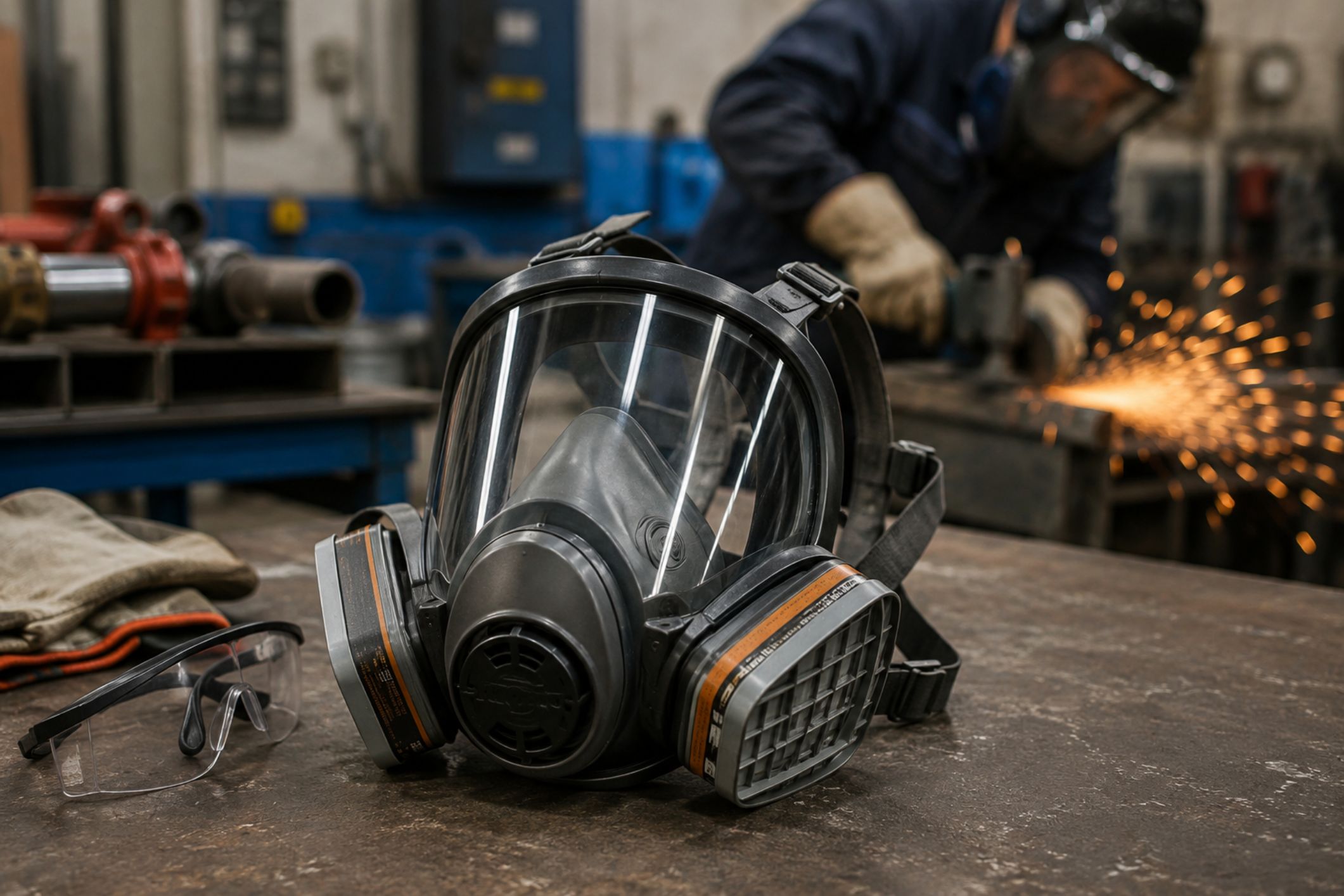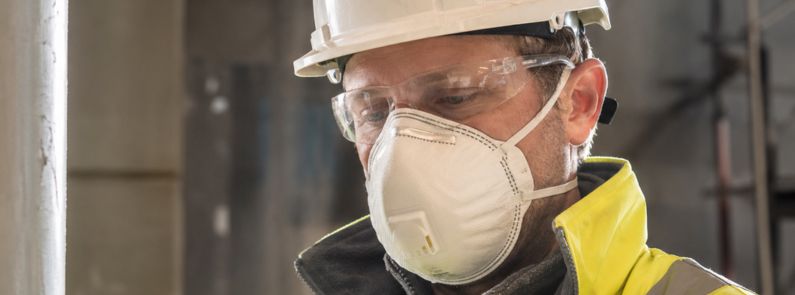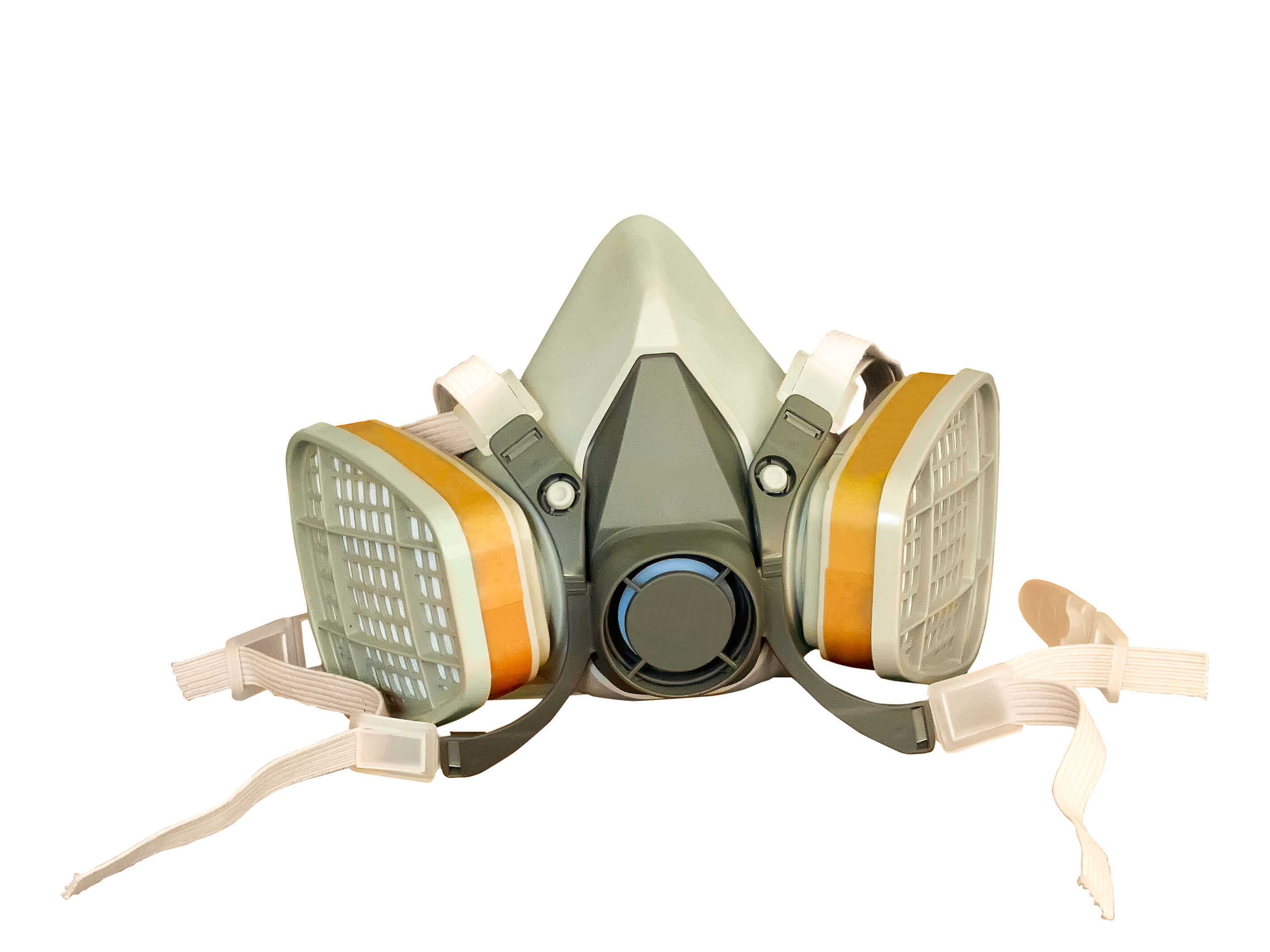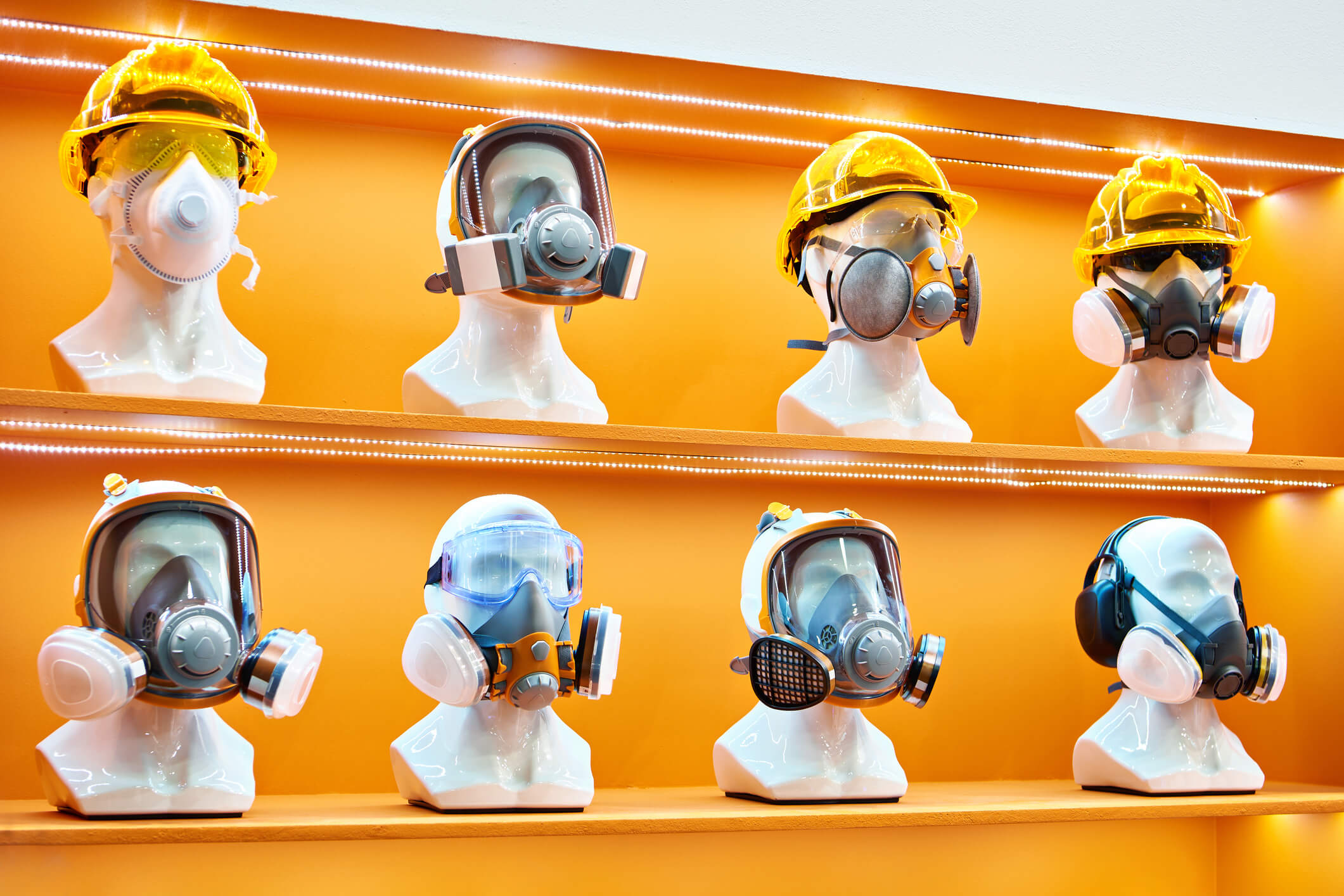
Facial hair disrupts respiratory safety protocols in industrial environments across the UK. Even a small amount of stubble breaks the seal of tight-fitting face pieces, allowing hazardous particulates to enter the breathing zone. A full face dust mask for beards eliminates this risk by using positive pressure technology to ensure consistent protection factors without relying on a skin-tight seal.
Protective Masks Direct has spent over 18 years supplying respiratory protective equipment (RPE) to the UK market. We supported organisations through bird flu and COVID-19. Face fit testing failures due to facial hair remain a common compliance hurdle for Health & Safety Managers. We help procurement teams and tradespeople find solutions that meet HSE requirements while maintaining operational efficiency.
How facial hair compromises respiratory protection
Standard disposable or reusable half-masks rely on a perfect seal between the mask edge and the wearer’s skin to function. Facial hair lifts the mask seal off the face, creating gaps where unfiltered air flows through. This inward leakage drastically reduces the protection factor of the mask and exposes the worker to dangerous contaminants like silica dust.
The Health and Safety Executive (HSE) states that tight-fitting masks are unsuitable for workers with stubble. The seal must be unbroken to be effective. If your workforce includes individuals with facial hair, relying on standard FFP3 or half-masks provides inadequate protection. This puts your organisation at risk of non-compliance and your workers at risk of long-term respiratory illness.
The mechanism of inward leakage
When a worker inhales inside a negative pressure mask, they create a vacuum within the facepiece. Air naturally follows the path of least resistance. If beard hair creates a gap in the seal, air bypasses the filter material and rushes through the gap, carrying the hazards breathing gear is supposed to stop.
HSE guidance on unshaven workers
Current UK guidance is strict regarding RPE and facial hair. Face fit testing cannot be conducted on an unshaven face because the results are unreliable. This blocks site managers who need to deploy workers immediately but encounter grooming policies or testing failures. A viable alternative must be available to keep projects moving.
Why a full face dust mask for beards is the compliant solution
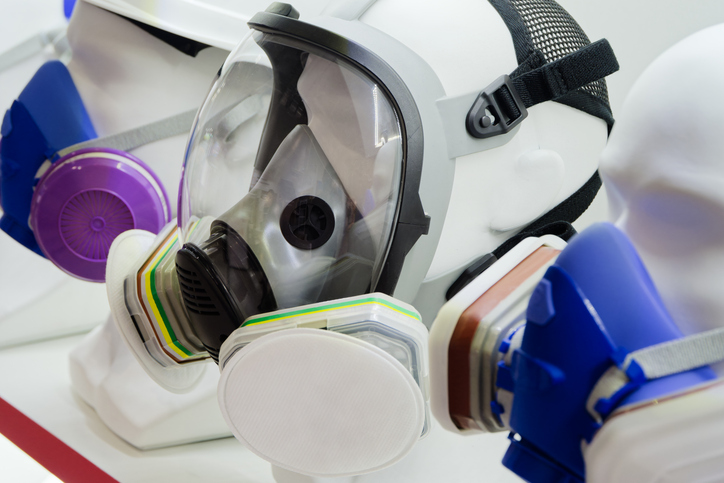
A full face masks for beards, typically a Powered Air-Purifying Respirator (PAPR), removes the need for a tight face seal. These systems use a battery-powered fan to draw air through filters and push it into a hood/helmet. This continuous flow of clean air creates positive pressure inside the head top which prevents contaminants from entering.
This technology solves the compliance issue instantly. Because the seal relies on airflow rather than skin contact, the presence of a beard does not compromise safety. The positive pressure ensures that if any gap exists, air flows out rather than in, guaranteeing the wearer breathes only filtered air.
How positive pressure works
The fan unit sits on a belt and forces air into the hood at a rate that exceeds the wearer's breathing demand. This surplus air pushes outwards around the neck seal. Hazardous dust cannot enter against this outward pressure, providing a high Assigned Protection Factor (APF) regardless of stubble.
Elimination of fit testing requirements
Loose-fitting RPE does not require face fit testing. This benefits procurement and operations teams significantly. You avoid scheduling testing sessions or monitoring workers for stubble growth between tests. You can issue the equipment and know that it offers the stated level of protection immediately, streamlining site access for bearded staff.
Industries that benefit from loose-fitting respirators
The versatility of a dust mask for beards makes it essential equipment across hazardous sectors requiring particulate filtration. The protection covers the eyes and face as well as the lungs, offering an integrated safety solution for complex environments. Construction workers dealing with concrete dust and demolition debris are primary users.
We also see high adoption in woodworking to block fine carcinogenic dusts, and in metalworking for protection against welding fumes. Other key sectors include pharmaceutical labs requiring sterility and agriculture for protection against grain dust. These industries rely on the combination of respiratory and impact protection to maintain safety standards without work stoppages.
Integrated protection benefits
Beyond respiratory safety, these full-face systems often incorporate impact protection for the eyes and face (EN166 standards). This removes the issue of fogging safety glasses or incompatible PPE. The worker wears a single unit that addresses multiple hazards simultaneously, improving compliance through increased comfort.
Cost comparison: Powered respirators vs disposable masks
While the initial investment for a powered full face dust mask for beards is higher than a box of disposables, the long-term cost analysis favours the powered system. Disposable masks are single-shift items that generate significant waste. A powered unit is a capital asset that lasts for years, requiring only filter and battery maintenance.
Savings compound through reduced consumable waste and the elimination of repeat face fit testing costs. Workers also gain productivity because they are more comfortable and take fewer breaks to adjust uncomfortable masks. Superior protection also reduces the risk of future liability for respiratory health issues.
Contact our support team to discuss pricing and fleet management for respiratory equipment. Our expertise allows us to recommend the precise setup for your budget.
Key features of a powered air system
Selecting the right unit requires checking battery life, filter classification, and comfort features. A good system must last a full shift on a single charge and provide the correct level of filtration for your specific hazards. Comfort is critical; a heavy or poorly balanced unit will not be worn correctly.
Look for units that offer 8+ hours of run time and filters rated P3 (or TH3) for maximum particulate protection. Adjustable airflow helps workers manage comfort in hot conditions, while belt-mounted units distribute weight away from the head. Check visor impact ratings if your work involves grinding or cutting tasks.
Compatibility with existing PPE
Respiratory protection is non‑negotiable in hazardous environments. For workers with facial hair, a standard mask is simply not an option. Investing in a full-face dust mask for beards ensures your team remains compliant with HSE regulations and productive on site. Protective Masks Direct offers the expertise to help you navigate these requirements. Contact us today to discuss the right solution for your workforce.