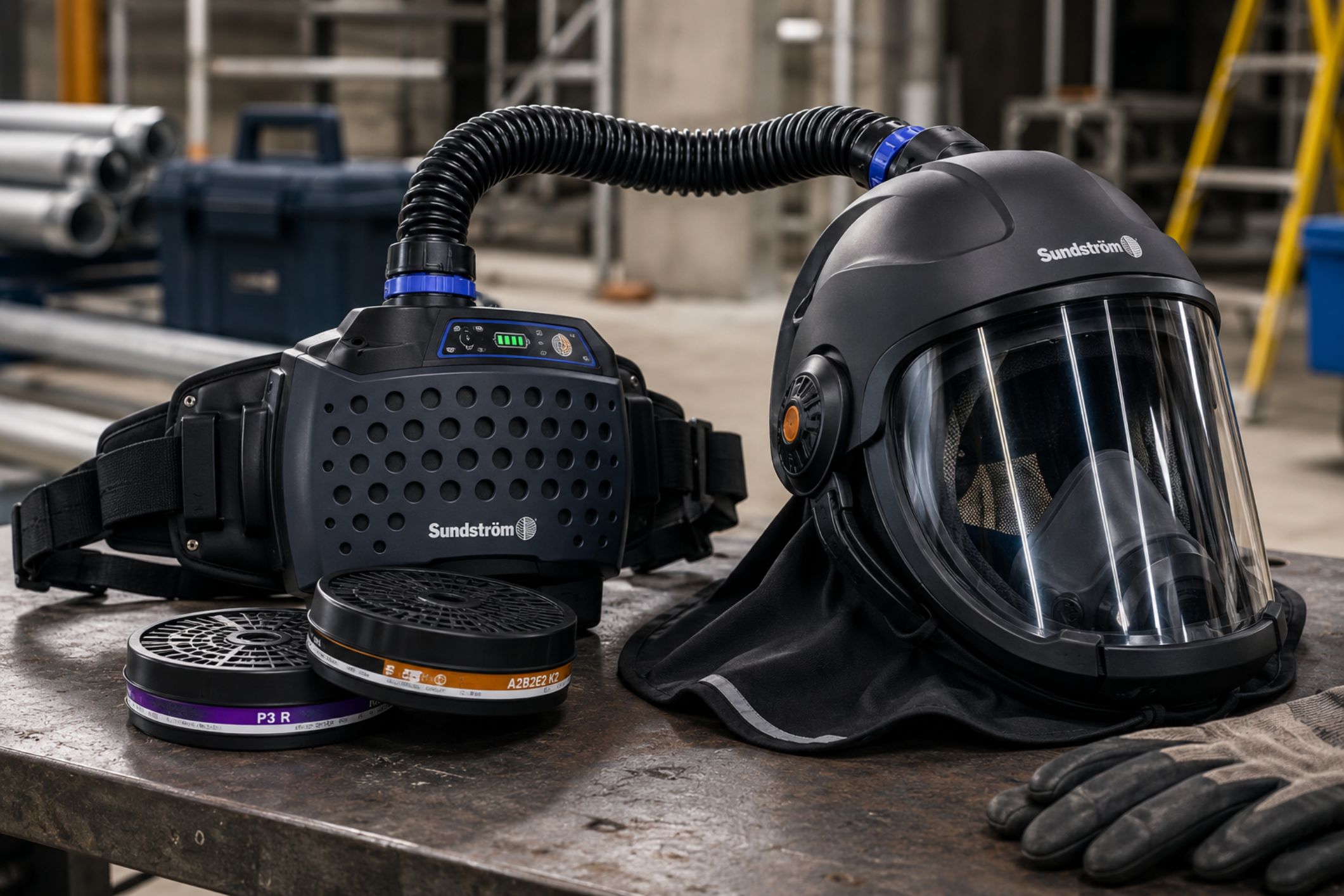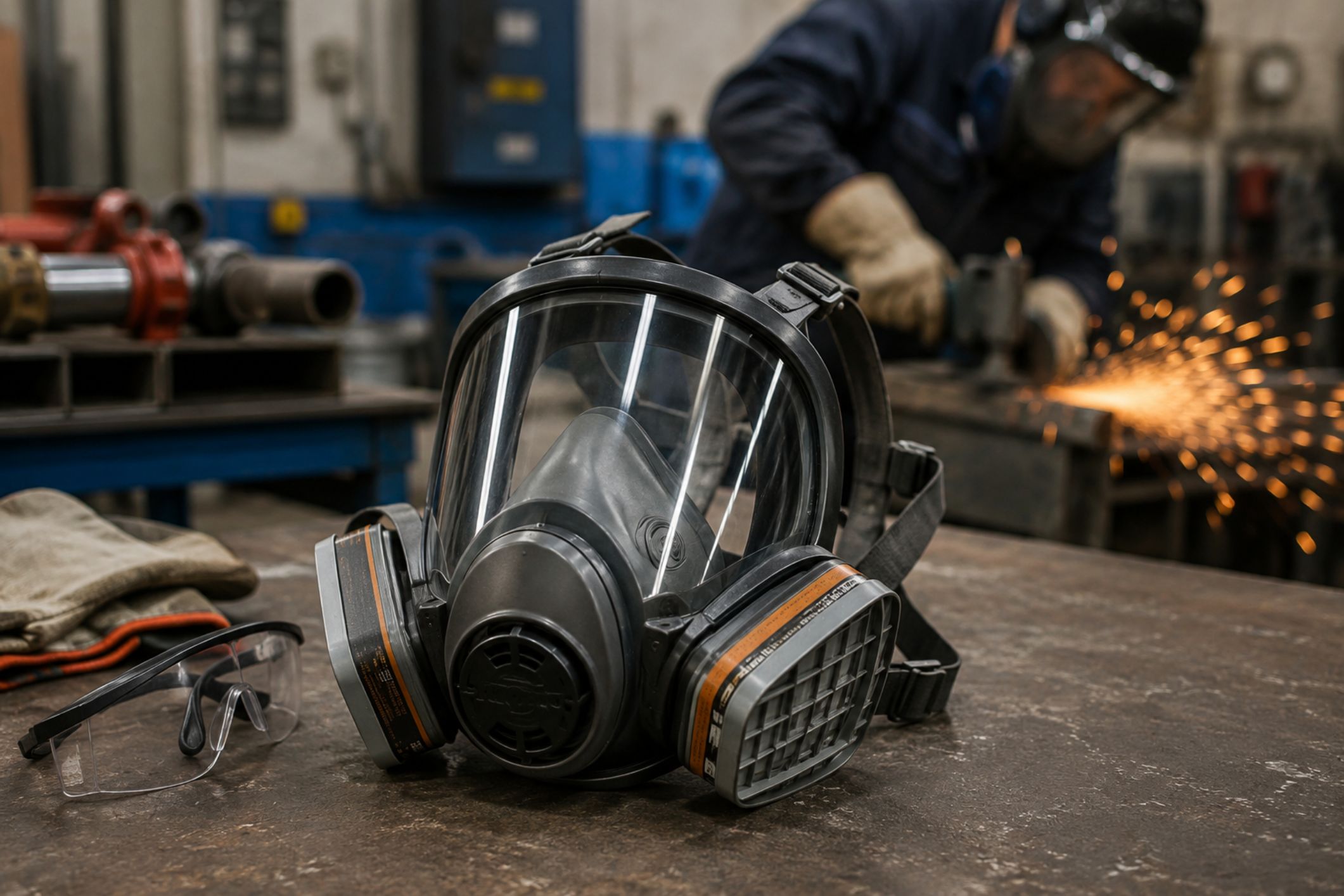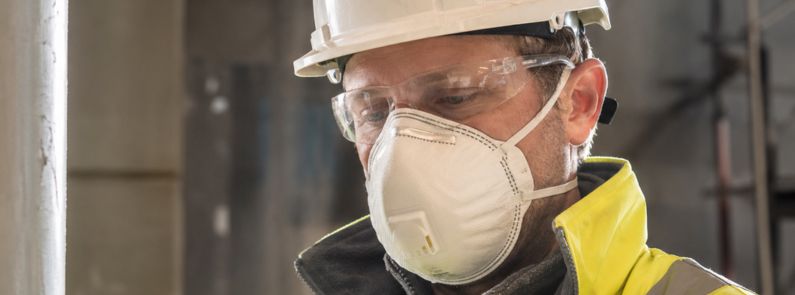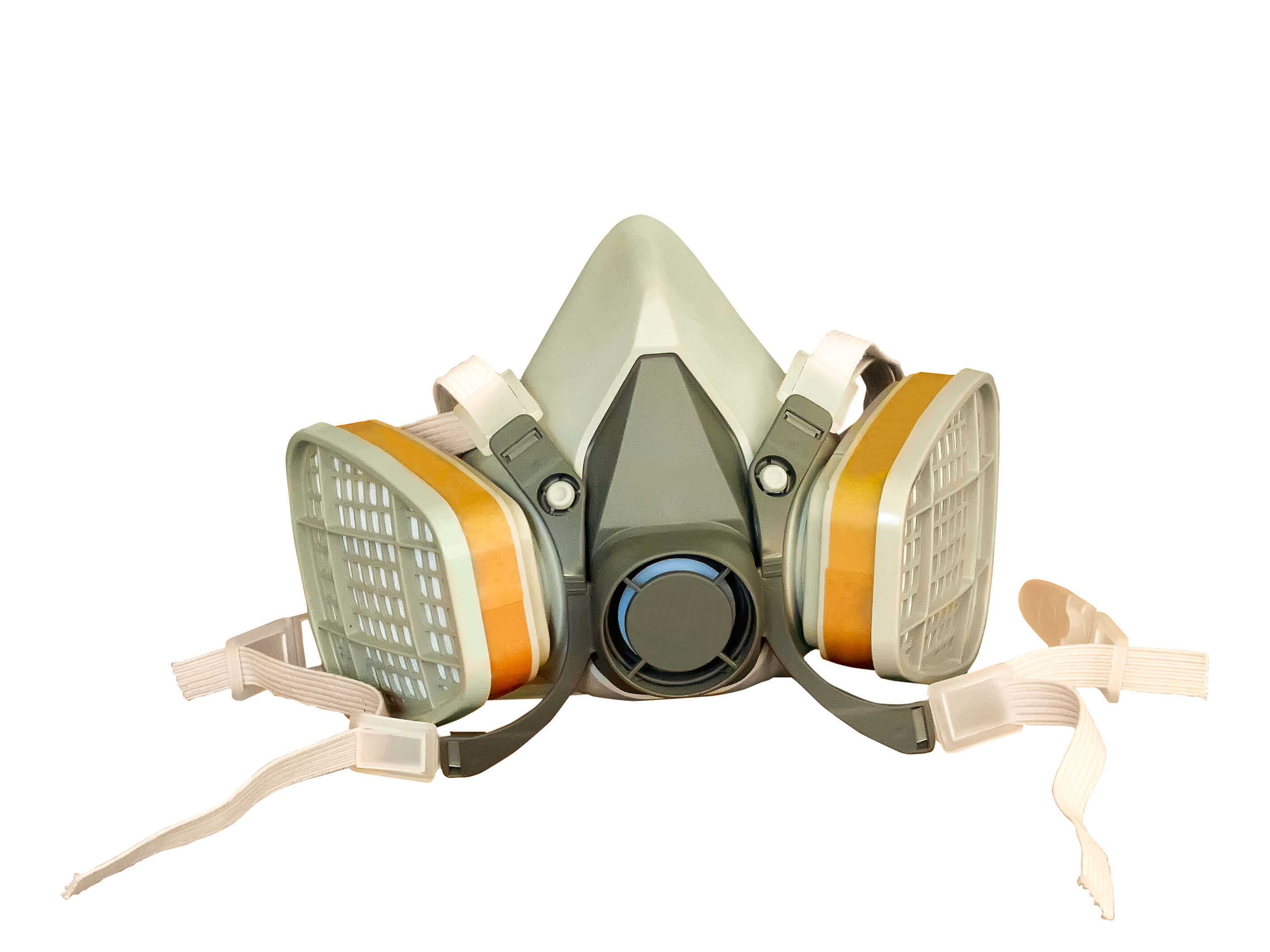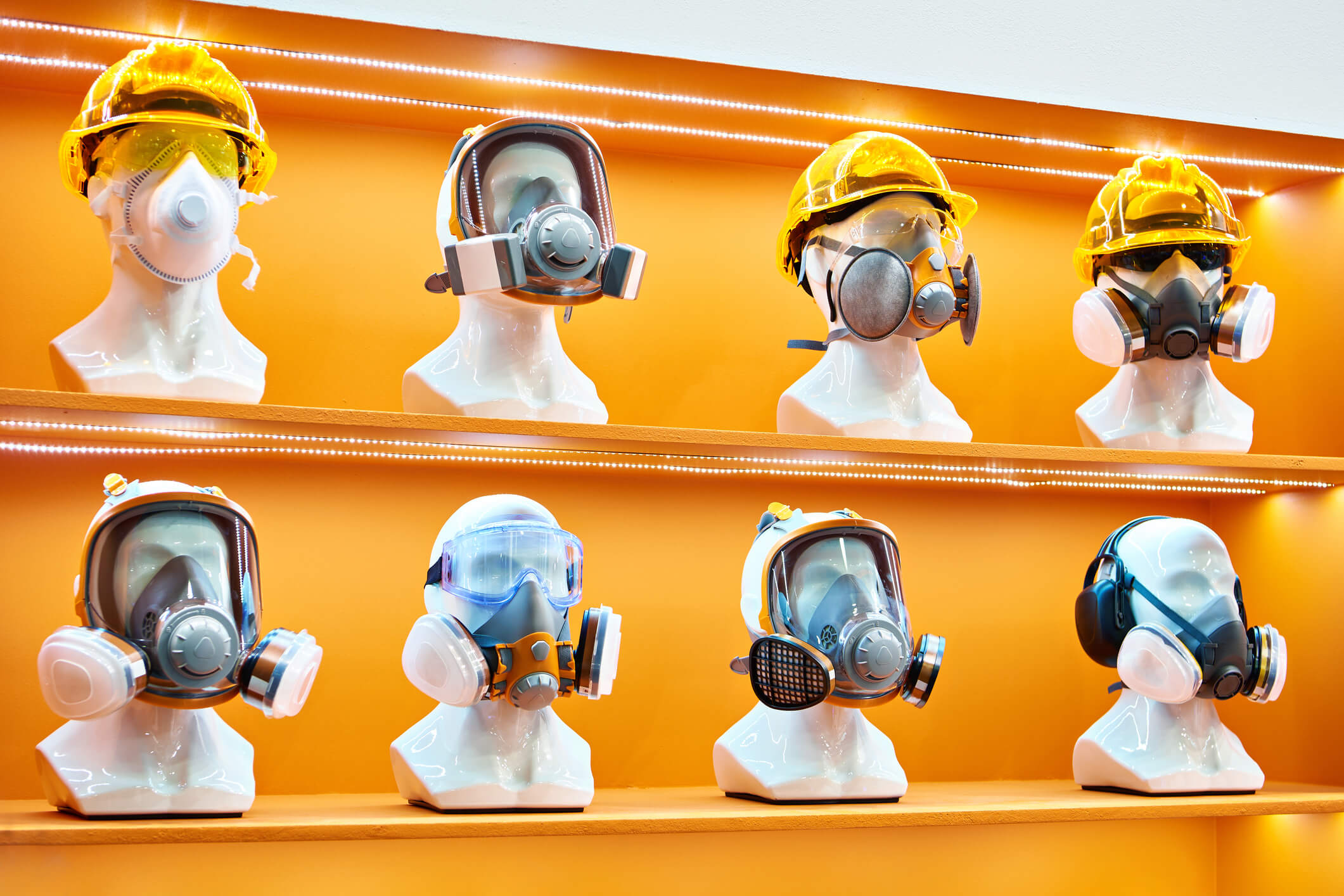

Different environments expose people to different types of dust. For example, construction sites expose workers to silica particles, carpentry work exposes carpenters to sawdust and airborne fibres, and public places expose common people to various contaminated germs or infections when they communicate or move around.
A dust mask can be useful in public places or in everyday situations, whereas a protective masks or an FFP3 disposable face mask, or a half-face mask with special filters is beneficial in environments that demand higher protection. This highlights the need to wear the right dust mask according to the environment.
Let’s look at the different types of dust masks, what works in real situations, and how to buy one that can quietly boost their effectiveness.
What are Dust Masks & How Do They Work
A dust mask is a lightweight face mask designed to protect the wearer from large airborne particles, sawdust, common dust, and pollen. It is appropriate for woodworking, gardening, or wearing it for everyday use to places where there is low to moderate exposure, as it works on a multilayer filtration principle to trap particles in the inhaled air.
- The outer layer filters larger sawdust, dust, and debris.
- The middle layers use the electrostatic charge of aerosols to trap finer elements.
- Some protective masks have activated carbon that can help reduce fumes and odours.
- The optional exhalation valve facilitates easier breathing and prevents heat build-up.
Why Choosing the Right Dust Mask Matters
Selecting the appropriate dust mask has a direct impact on how much dangerous air you actually breathe in, making it more than just a safety precaution. Unnoticed toxic dust, aerosols, and fine particles may produce severe health complications in the long run. The nature of the environment, intensity of exposure, and the duration of wear determine the best option of protective masks.
- Many airborne dangers are extremely dangerous and yet indefinite.
- Failure to choose the correct mask can lead to long-term respiratory problems.
- FFP1, FFP2, and FFP3 disposable dust masks provide different levels of protection.
- The quality of the filter, comfort, and the fit are also as important as standards.
- Finally, it is the duration and conditions of the work that should guide your decision.
Decoding Different Types of Dust Masks
The filtration efficiency, seal quality, and intended exposure limits of dust masks vary. This can directly affect how well they protect against anything from visible debris to tiny, dangerous particles. So, choosing wisely is the key to protection. Let us compare.
| Mask Type | Filtration Level | Fit & Seal | Best Use Case | Limitations |
|---|---|---|---|---|
| Basic Dust Masks | Low (large particles only) | Loose fit | Sweeping, gardening, light DIY | Cannot filter fine or toxic dust |
| Surgical / Face Coverings | Low–moderate (droplets) | Very loose | Public spaces, hygiene control | Not designed for dust protection |
| Respirators (FFP1, FFP2, FFP3) | FFP1 (~80%), FFP2 (~94%), FFP3 (~99%) | Tight seal | Construction, sanding, and hazardous dust | Breathing resistance increases with level |
| Activated Carbon Masks | Moderate (plus odour control) | Snug fit | Urban pollution, cycling, mild fumes | Not suitable for heavy toxic exposure |
| Reusable Half Face Masks | High (depends on filter type) | Tight, adjustable | Industrial work, chemical handling | Requires maintenance and filter replacement |
How to Choose the Right Dust Mask for Different Environments
Selecting the appropriate respirator is essential. No respirator can filter out risks it was not designed for, regardless of how well it is made. You may choose the right kind of protection for your staff once you get the results of your exposure assessment.
- Determine the kind of risk: dust, fibres, gases, or vapours.
- Verify whether protection is necessary: compare exposure to PEL or OEL.
- Know the necessary degree of protection: use APF guidance.
- Select the appropriate respirator: ensure comfort and compatibility.
Which Dust Mask Is Right for You?
Which dust mask suits you best will depend on the nature and frequency of your exposure. Being on a construction site means that a mask used for mild cleaning will no longer keep the wearer safe. The secret is to strike a balance between danger and filtration level without compromising comfort when worn for extended periods.
Cleaning and gardening at home: It is enough to use a simple dust mask; Sanding and woodworking: N95 or FFP2 for fine particles.
In workplaces: Use FFP2 or FFP3 disposable dust masks in workplaces, especially when working in the construction industry or with strong dust.
Cycling & city pollution: Activated carbon safety masks to cut down on odours. You should use a respirator equipped with the appropriate cartridges if you are exposed to chemical vapours or sprays.
Unlock Total Protection: Using the Dust Mask Right!
- Ensure the mask covers your chin and nose completely, with no gaps.
- Adjust the nose clip properly to prevent leaks.
- Keep the sealing area clean-shaven.
- Replace the mask when breathing becomes difficult.
- Store in a clean and dry place.
Latest Safety Standards & Certifications You Should Know
Not all safety masks meet the same standards; the FFP1, FFP2, and FFP3 ratings in Europe determine filtration efficiency, while the United States relies on NIOSH certifications such as N95 and P100. You must always check markings instead of relying on appearances or assertions.
Disposable vs Reusable Dust Mask
The frequency of use determines the cost: Disposable masks seem less expensive at first glance. Reusable masks cost more up front and require filter refills, but over time, they are more cost-effective.
Summing Up
Dust has debilitating health effects, despite its seeming innocuousness. The cheapest and easiest way to protect yourself is to wear a dust mask.
So, the next time you grab your tools or step outside, don’t forget a dust mask that works as hard as you do.
Are you unsure which mask is right for you? Find an appropriate mask according to your work environment on Protective Masks Direct.
FAQs
Which dust mask is appropriate for various settings?
The decision is based on your place of employment. A basic mask is sufficient for minor household dust. An N95 suit is better suited for sanding or construction work.
Do dust masks work well against tiny particles like silica dust?
A properly fitting N95 or P100 mask is intended to filter fine particles like silica dust.
How long is it safe to use a dust mask?
Use it as long as it remains breathable and comfortable. Replace if clogged.
Are reusable dust masks better than disposable ones?
Reusable masks last longer but require maintenance. Disposable masks are convenient for short-term use.
How can I tell whether my dust mask is fitting correctly?
A proper fit feels secure and slightly pulls inward when inhaling.