
Airborne dusts and fumes change depending on the job. Choosing the right protection keeps exposure low. P3 masks offer the highest particulate filtering level within EN 149 disposable classes. Reusable versions, with P3 filters, are also available.
What Are P3 Masks?
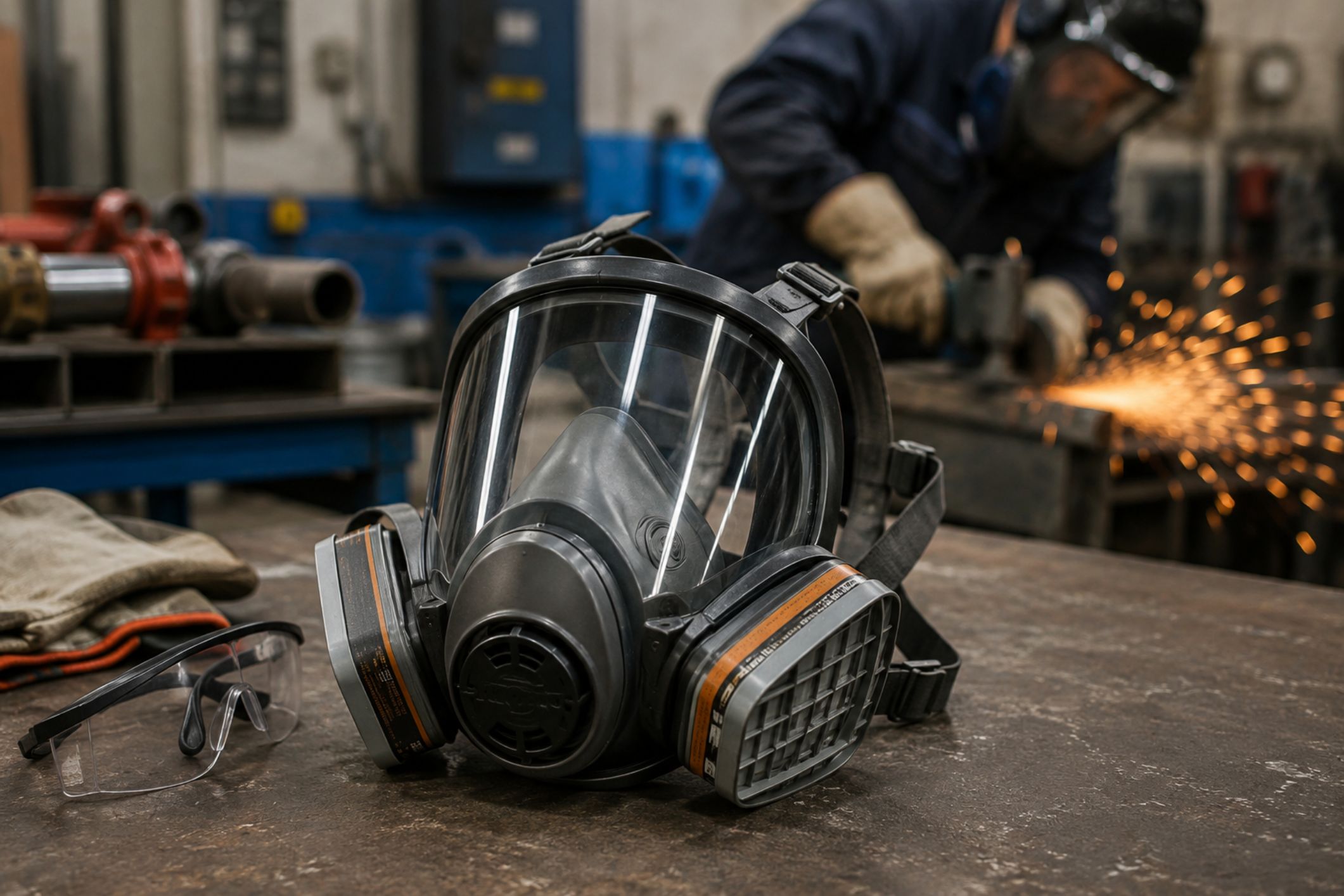
The P3 class refers to a high‑grade particulate filter class defined in European standards. In disposable masks, this appears as FFP3 under EN 149, while reusable respirators use P3 filters assessed under EN 143. Both are designed for fine airborne matter. The style of the facepiece influences how protected you would be, so a full face model typically offers a higher Assigned Protection Factor than a half mask.
Which Respirators Accept P3 Filters?
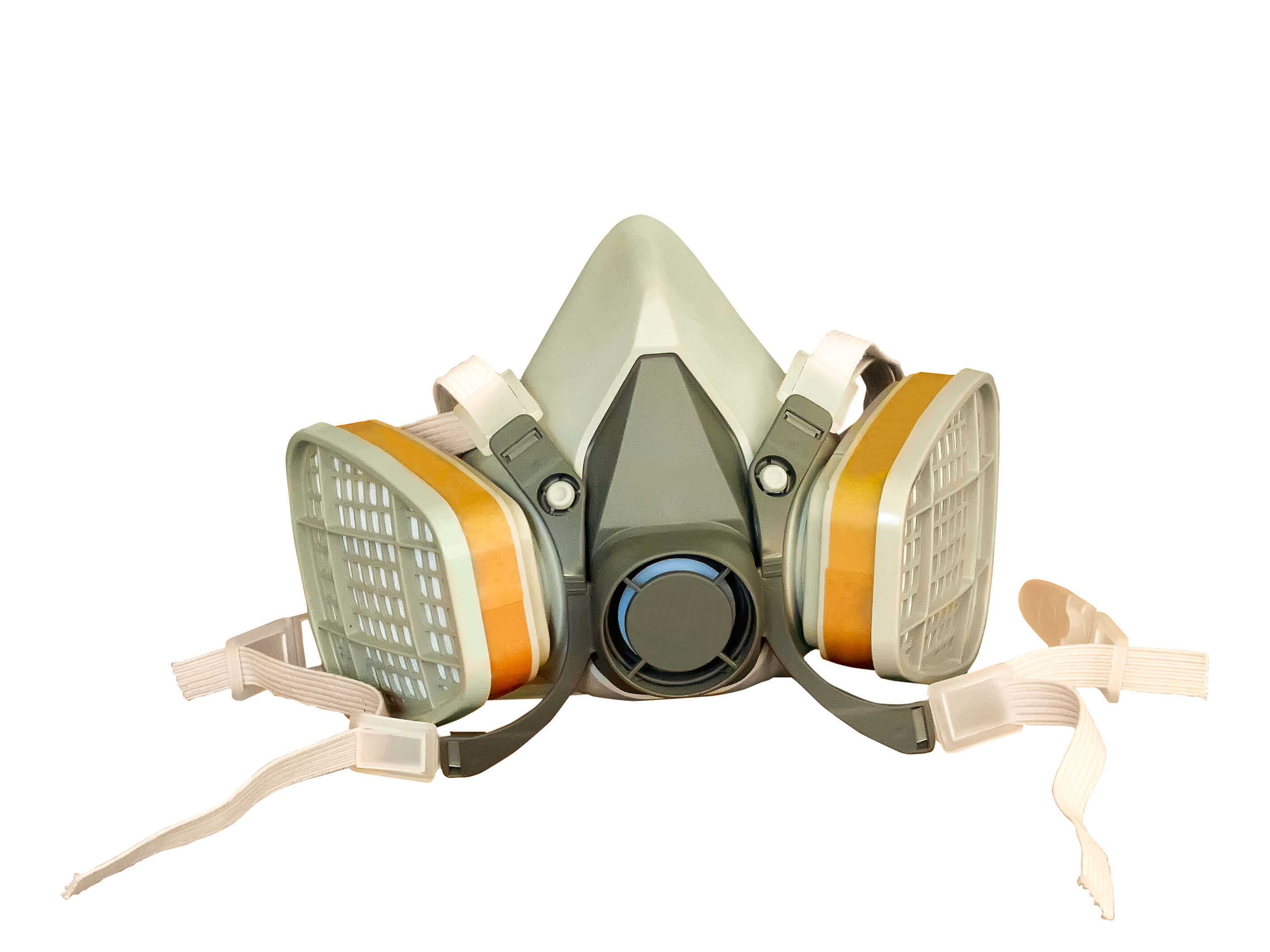
Reusable half and full face respirators accept P‑class filters, intended for finer aerosols and higher exposure levels. In environments containing both particles and vapours, a P3 setup paired with the right additional cartridges can be appropriate.
How to Judge Suitability for P3
Start with your risk assessment then consider the material, the process and how long you’ll be wearing it for. Review the product data, checking for the Assigned Protection Factor and compatibility with any eyewear or helmets you use. Field checks matter too. If dust clouds remain visible at breathing height, or workers report irritation after jobs, look at your control methods. P3 masks provide an extra layer of protection.
What Each Format Offers
FFP3 disposables are lightweight and ideal for short jobs or visitors. Half masks with P3 filters suit repeated use and often integrate well with other PPE. Full face options add integrated eye protection and usually have higher Assigned Protection Factors than half masks. Selection depends on how intense the task is, compatibility with other kit and maintenance capability.
Where is P3 Commonly Required at Work?
Construction and demolition sites often specify using P3 masks during concrete cutting or mortar raking. Stonemasonry jobs such as dry sweeping also qualify. Workshops that use hardwoods or MDF create very fine dust during sanding and routing, while close‑range cleaning lifts could mean you breathing in settled matter. Metal fabrication and waste handling also call for higher filtration. Labs working with powders may need P3 where controlled processes cannot capture every release. In places with unpredictable exposure, P3 respirators help standardise protection.
- Cutting or grinding materials that contain silica
- Machine sanding hardwoods or MDF for extended periods
- Welding in confined bays with limited extraction
- Demolition and strip‑out where materials are unknown
- Dry sweeping heavy dust deposits in enclosed spaces
In scenarios like these, P3 protection answers the need for higher filtration.
How Should Supervisors Choose a Mask?
Consider how dusty you expect a task will be, the presence of silica or other high‑risk materials and how long you might be exposed to them. Check if the work happens in enclosed rooms where airborne build‑up is likely. If controls are limited or exposures are uncertain, P3 protection is the default for safer planning.
Need guidance for an upcoming project? Contact us and we will suggest the right options for you to choose from.
How Should You Wear a Mask with Other Equipment?
Tight‑fitting respirators depend on a reliable seal. The wearer should be clean‑shaven around the seal area. Glasses and helmets can interfere with the seal or head harness if the combination is awkward, so check the setup that will be used on site. For jobs that last longer or involve heavier exertion, powered air solutions with loose‑fitting headgear remove the need for a tight face seal. In every case, P3 masks only work if the seal and fit are maintained well.
What Maintenance Keeps P3 Performing Well?
Disposable FFP3 items are single use, so issue them in clean packaging and discard after they’re used. Reusable masks need regular cleaning of face seals, valves and visors along with timely filter changes. Store clean respirators in rigid boxes or bags that keep dust off the contact surfaces. Keep spares for straps and valves so worn parts do not delay work. With this routine in place, P3 respirators remain ready for consistent protection.
How to Communicate P3 Rules to Your Team
Post a simple matrix that links common jobs to the required mask. Show what an FFP3 label looks like and where reusable filters carry the P3 marking. Place reminders near cutting, sanding and welding stations. Supervisors can also model the behaviour by wearing the right mask while on site. With clear cues in place, P3 masks become the go-to for higher dust jobs.
Can a FFP3 Mask be Overkill?
There are light jobs where FFP2 masks manage exposure well, where P3 adds little extra benefit. Over‑specifying can add cost and may lead to lower comfort if the mask type is not the right match. The aim is to use the level that manages risk without creating barriers to wearing the kit. Where monitoring or experience shows low exposure, P3 masks are not always required.
What to Confirm Before Buying
- The Assigned Protection Factor needed for your jobs
- Decide between disposables, half masks or full face based on job length and integration with other kit
- Check brand compatibility for filters and availability of spares
- Plan testing for tight‑fitting models
- Arrange simple storage and issue points on site
A quick call with our team can help you match options and filter choices. For bulk enquiries, P3 respirators can be quoted alongside associated eyewear and hearing protection to speed approval.
How Should You Finalise Your P3 Selection?
Selection starts with the job and the potential hazards you want to avoid, before moving to the mask type that people can wear consistently. In higher risk scenarios, P3 masks give you what’s needed to keep exposure levels down.
If you are ready to specify or compare options for upcoming work, contact us. Our team will guide you through fit options, cartridges and accessories and we can arrange face fit testing and training across sites.
With the right selection in place, the protection does its job so your teams can do theirs.