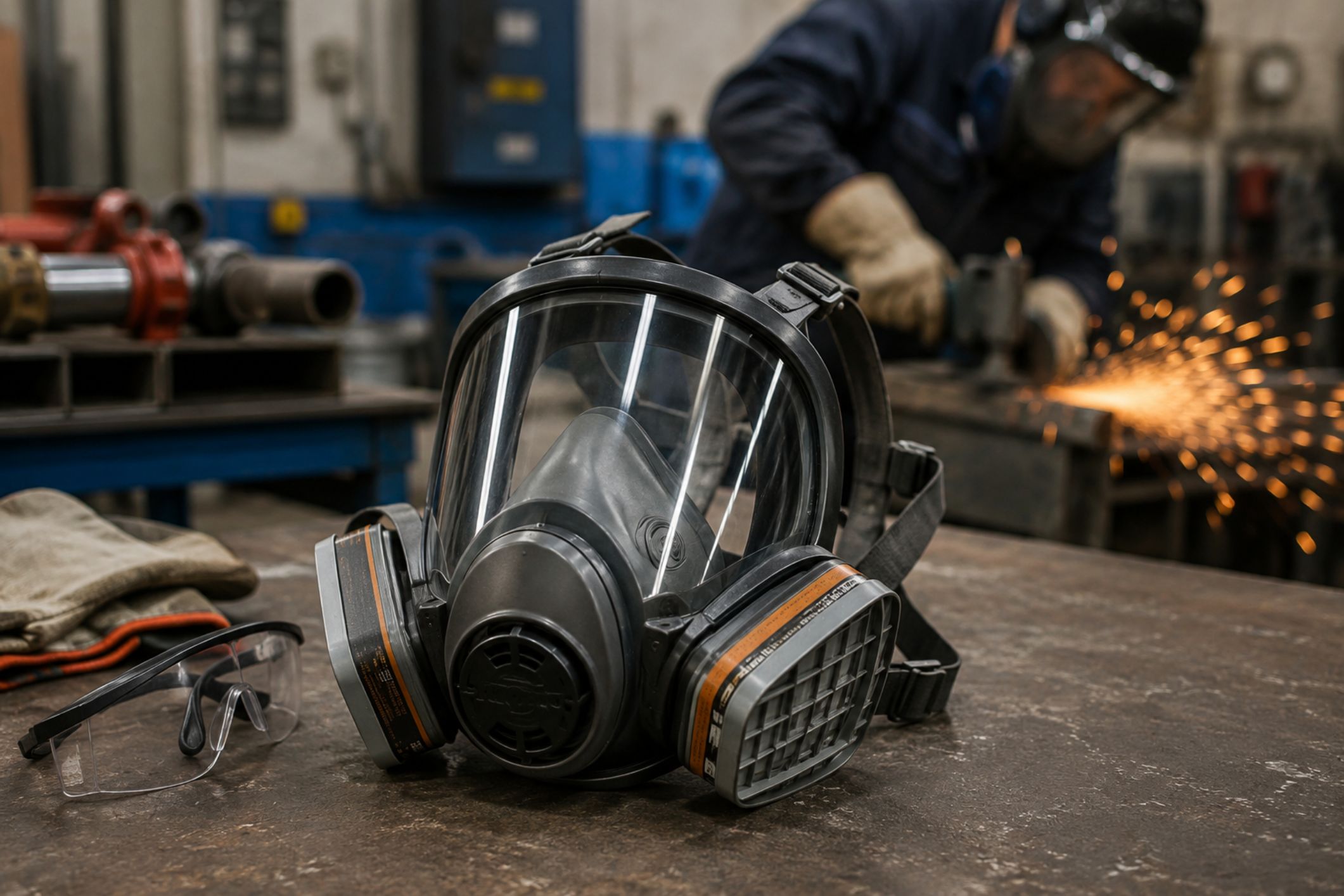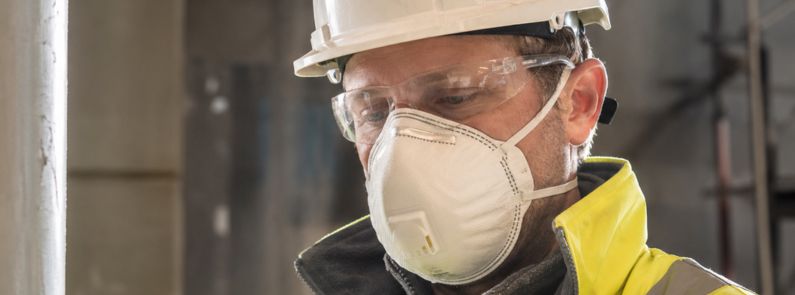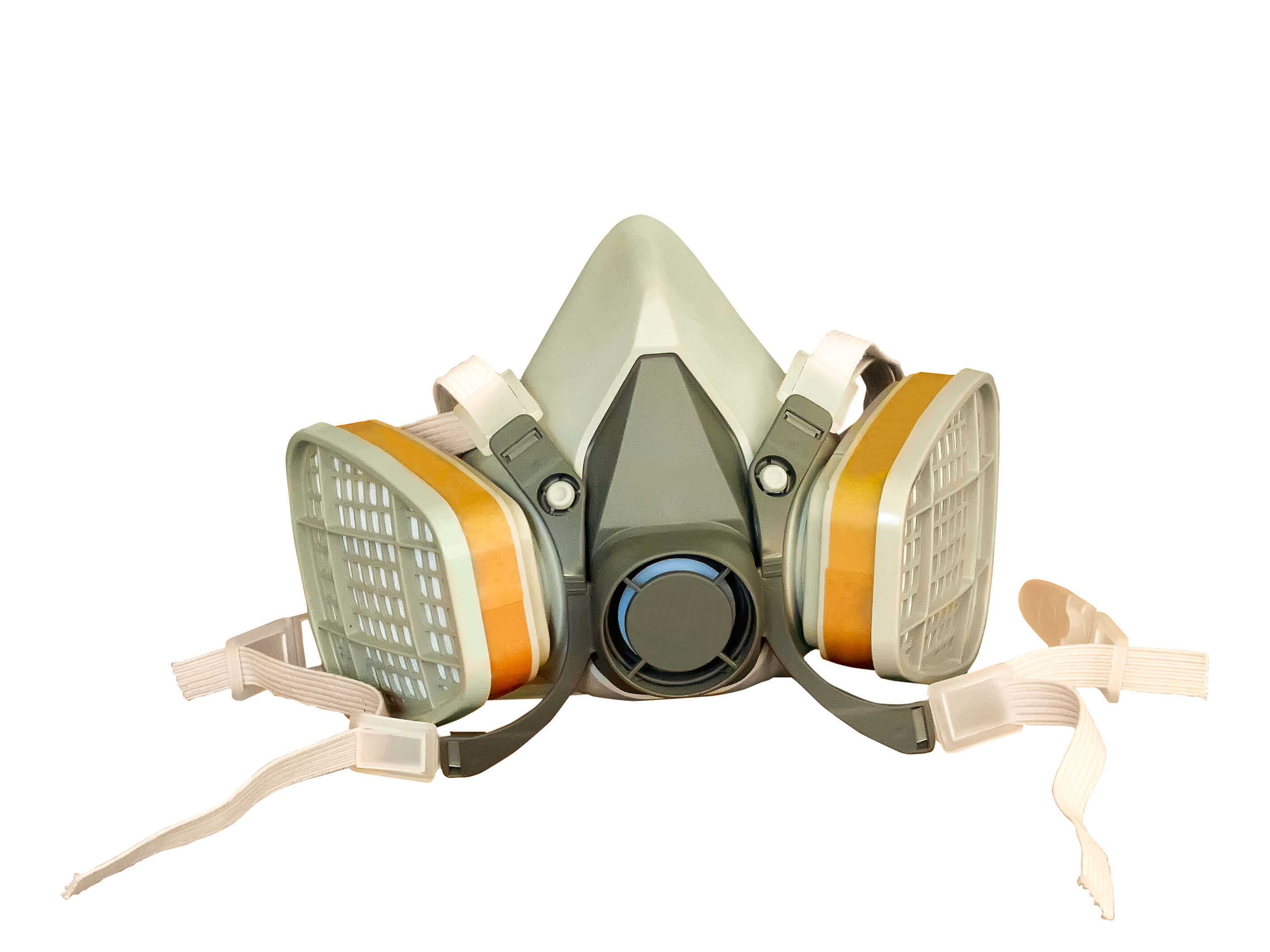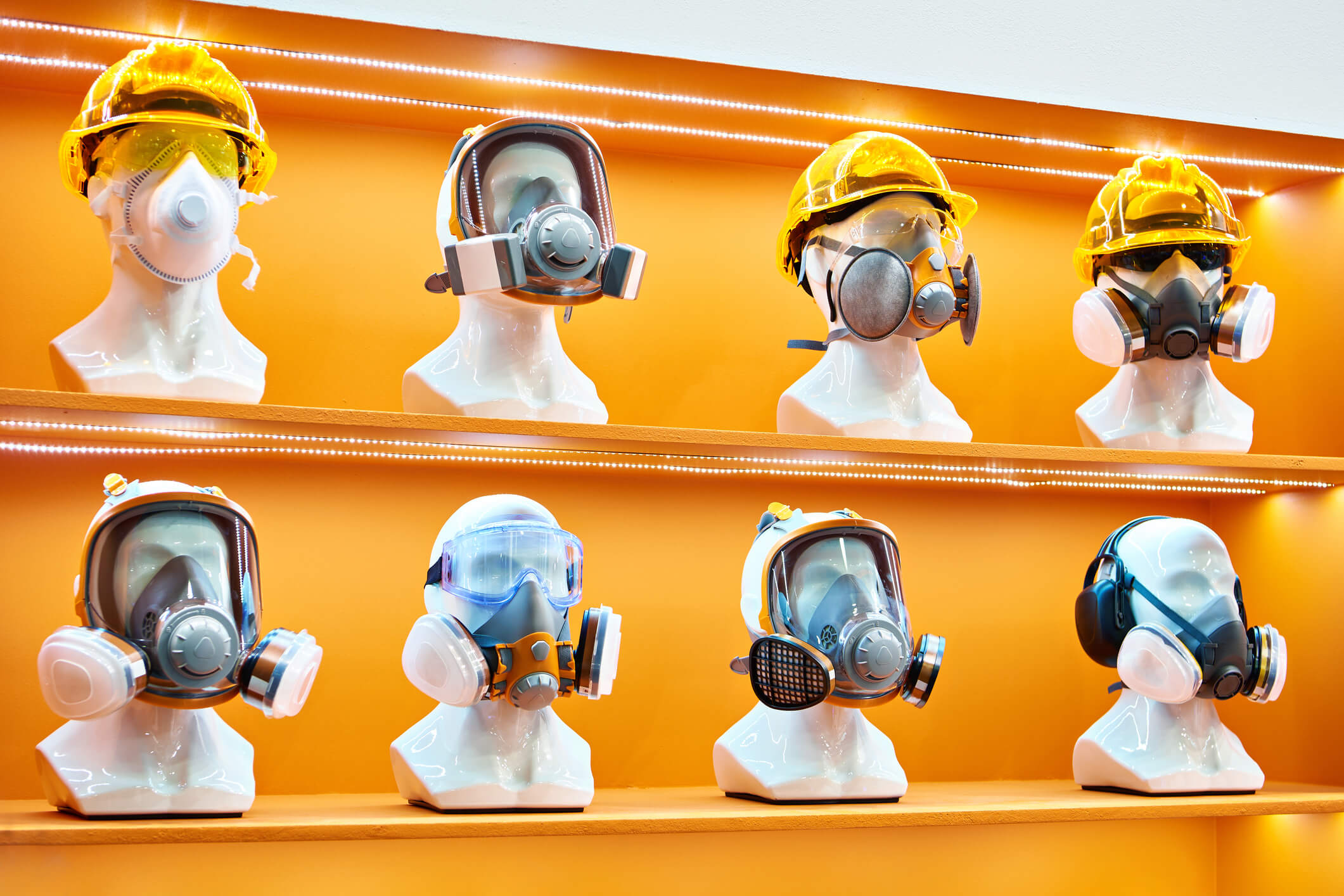

A powered air purifying respirator becomes necessary when a disposable mask no longer suits the task. This usually happens on longer shifts or in environments with heavier exposure. The system uses a battery-powered blower to pull air through filters and deliver filtered air to the wearer. That reduces the breathing effort associated with unpowered masks. Used properly, it can also meet the performance expected from EN12941 systems.
Dust is part of the working day on many construction and manufacturing sites. Problems start when exposure is frequent and the work runs on for hours. FFP2 and FFP3 masks can suit shorter tasks. They are not always practical once shifts get longer or conditions get tougher. Protective Masks Direct supplies powered systems, replacement filters, and related PPE for sites reviewing respiratory protection in those conditions.
Why are disposable respirators unsuitable for long shifts?
Disposable respirators force the wearer to pull air through tight filter material. Heat and moisture build up inside the mask. Over an eight-hour shift, discomfort can lead to constant adjustment. The mask may also come off for periods. That raises exposure risk.
Unpowered FFP3 masks can work well on shorter jobs. They are harder to manage over long periods. As heat builds, comfort drops. People are then less likely to wear them consistently. Tight-fitting masks also need correct use and face fit testing. On heavy-dust sites, they can feel more restrictive and make communication harder. That is often the point where a powered air purifying respirator makes more sense. Protective Masks Direct also provides UK-wide face fit testing for businesses that need support with respiratory protection.
Which workplace hazards require continuous positive pressure?
Some environments place heavier demands on respiratory protection. Toxic dust, lead, and silica are obvious examples. Asbestos removal, heavy welding, and chemical processing can all create a constant particulate load. In those conditions, disposable filters may stop being practical for continuous use. Battery-powered airflow often becomes the better option.
Many trades deal with more than one exposure across the day. Woodworking and construction can generate large volumes of fine dust. Other roles involve enclosed spaces and poor ventilation. Managers need to assess how often staff face those conditions. They also need to assess how long protection stays on and how quickly disposable masks are being used up. Once that exposure becomes routine, a powered system is often the better fit.
How does a PAPR system reduce operational costs?
Switching from disposable masks to reusable PAPR units can reduce long-term procurement spend. You are no longer throwing masks away every day. The initial outlay is higher. The ongoing costs usually come down to filter replacement and battery maintenance. On high-hazard sites, the cost of using multiple FFP3 masks per person each day can mount up quickly.
Total cost of ownership matters more than the first invoice. In heavy dust environments, disposable masks disappear quickly. That creates more waste. It also creates more reordering and more pressure on stores and procurement. Powered equipment can simplify that. Teams mainly need replacement cartridges and basic modular parts. Protective Masks Direct supplies replacement filters, spare parts, and support for larger orders.
Need help choosing a PAPR system for your site?
Price is only one part of the decision. You also need to assess the contaminants involved, the working conditions, shift length, filter replacement needs, and any requirement for loose-fitting options.
Protective Masks Direct works with UK businesses that need powered respiratory systems, compatible filters, spare parts, and related PPE. That gives employers one place to source the main parts of the system.
Need advice before you choose a powered system?
For help choosing the right setup for your site, team, or hazard profile, contact Protective Masks Direct. The team can advise on product selection, bulk orders, and the practical questions that come up when you are buying respiratory protection for regular site use.
Does facial hair affect respiratory protection compliance?
Facial hair stops tight-fitting respirators from sealing properly. A loose-fitting PAPR hood gets around that problem. In the UK, anyone using a tight-fitting mask needs to be clean shaven in the seal area. Otherwise the mask cannot work as intended. If a worker has a beard for personal or religious reasons, a powered hood may be the more practical option where respiratory protection is still required.
This issue often creates tension between management and subcontractors. Standard face fit testing will not pass anyone with stubble or a beard if the seal is affected. If those workers still need respiratory protection for the task, a loose-fitting alternative may be needed where it suits the hazard. Loose-fitting headtops deliver purified air without needing to grip the skin. The system does not depend on a tight face seal in the same way. Protective Masks Direct offers UK-wide face fit testing to help businesses work out which staff need a different approach.
When is it time to move from disposable masks to a powered air purifying respirator?
It is time to move to a powered air purifying respirator when disposable masks stop matching the job. That usually means longer shifts, heavier dust exposure, repeated daily mask use, or tasks where workers struggle to keep tight-fitting masks on consistently.
Protective Masks Direct helps businesses switch from disposable masks to powered respiratory protection. The team supplies powered systems, replacement filters, and related PPE.
For bulk order enquiries or advice on the right equipment for your site, contact Protective Masks Direct.