
Respiratory protection decisions rarely align perfectly with a written policy. Real working conditions matters. People arrive with facial hair and airborne dust can appear without warning across many work areas.
A bearded worker wearing a disposable mask may look compliant at first, but its performance when it’s used is massively important. A respirator that is expected to filter well can deliver poor protection if air finds an easier route around the edges.
Why Facial Hair Alters Dust Mask Performance
Most facepiece respirators depend on a tight seal between the mask edge and the wearer’s skin. Hair along the mask edge breaks the seal against the skin with air then entering through the gaps at the edges rather than passing through the filter material.
Moving around in your workplace makes the issue worse. Talking and moving on the job can change pressure around the mask, with small gaps around the edges becoming larger in seconds.
What UK Guidance Applies?
Selecting respiratory protective equipment in the UK is built around suitability for the hazard and the wearer. Such facepieces need evidence that they achieve an adequate seal during use.
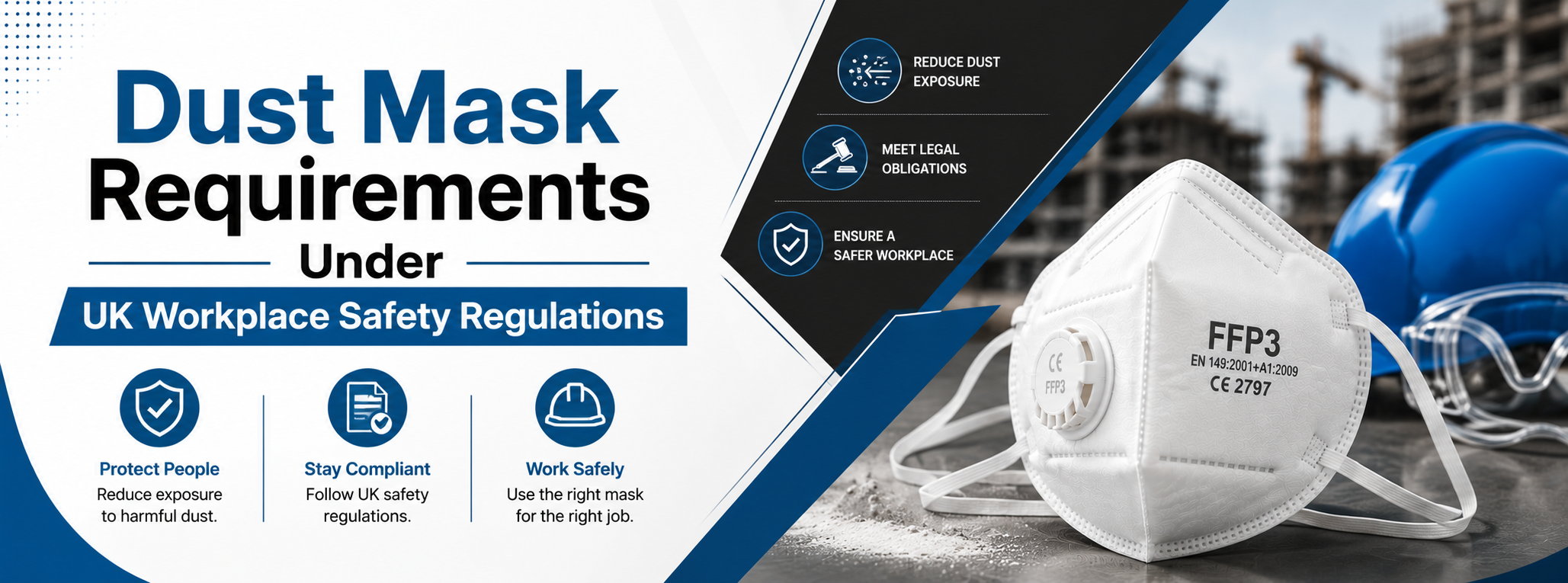
Respiratory decisions usually link back to the Control of Substances Hazardous to Health Regulations 2002 and the Management of Health and Safety at Work Regulations 1999.
Product standards also matter when buying. Disposable filtering facepieces are tested to EN 149, while many reusable facepieces and filters follow other EN standards depending on their type.
Do Beards Break Disposable Dust Mask Protection?
Disposable respirators can feel secure on the face. The straps can feel tense and the mask can rest on the nose. Protection, however, still depends on whether it is tightly sealed against the skin.
A full beard places hair directly under the mask edge, while stubble can create the same problem.
If the job requires RPE, a disposable mask is usually unsuitable on a beard, even if it’s an FFP-rated product. For bearded workers, that pushes selection toward equipment designed for facial hair, which is where a dust mask for beards comes in.
Which Designs Struggle?
Several respirator designs rely on a tight lower-face seal to work as intended:
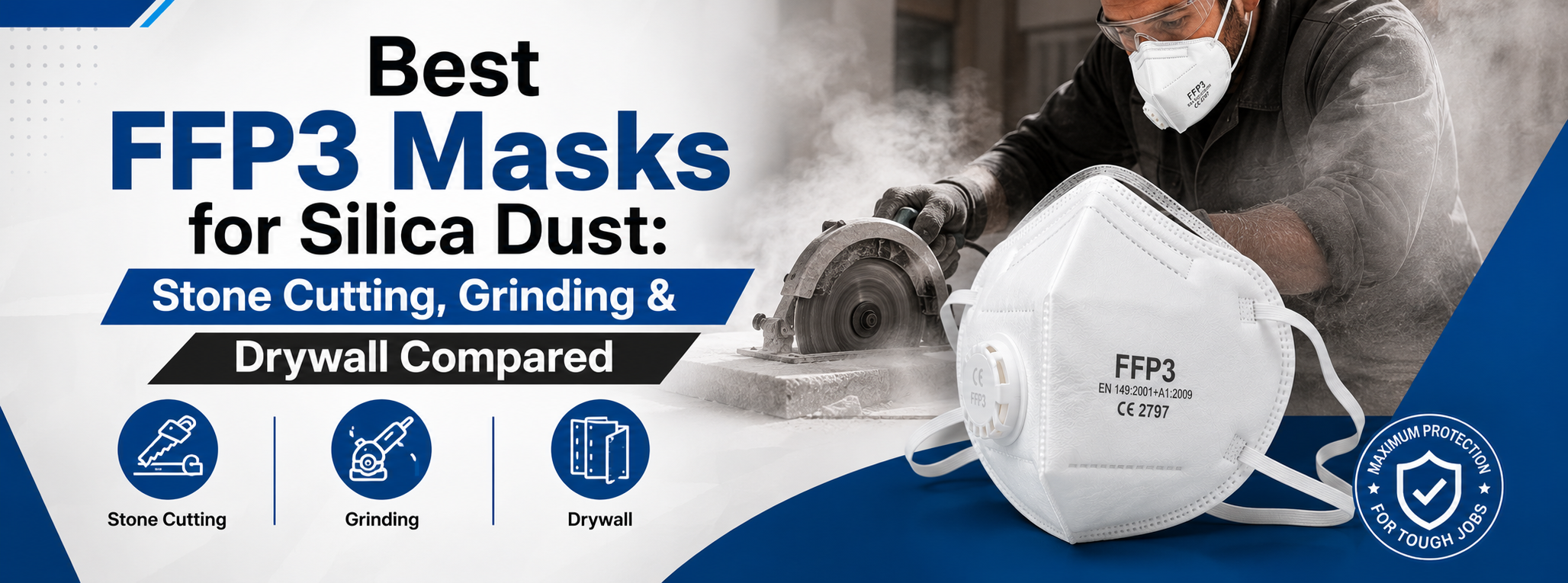
- Disposable filtering facepiece respirators, including FFP1, FFP2, and FFP3 models
- Reusable half masks
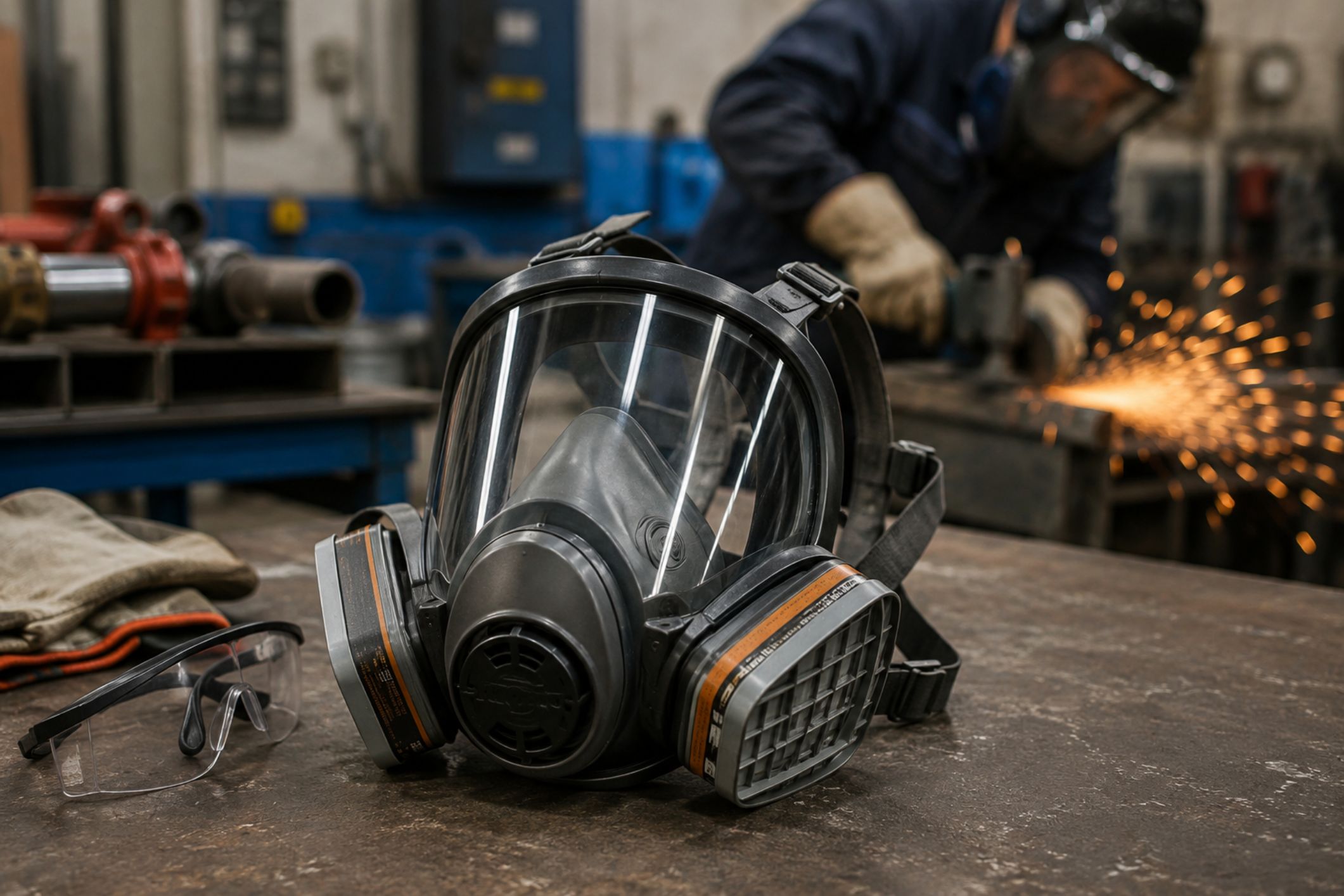
- Full-face respirators
That does not make these products poor, it means they are made for clean-shaven wearers. Where facial hair is present, the right answer is usually a different category, which is where selecting a dust mask for beards becomes relevant.
Which Respirator Types Avoid Lower Face Contact?
Shaving may not be possible, so the most practical route is getting equipment designed to work without close contact around the beard line.
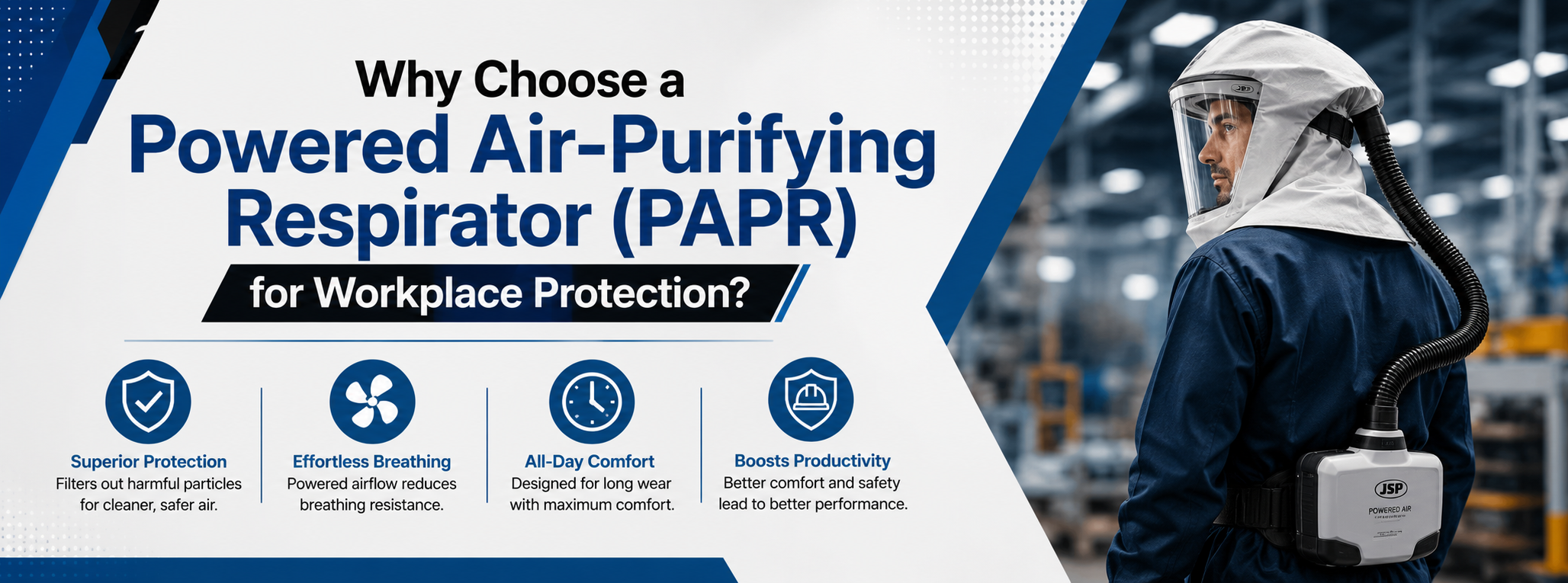
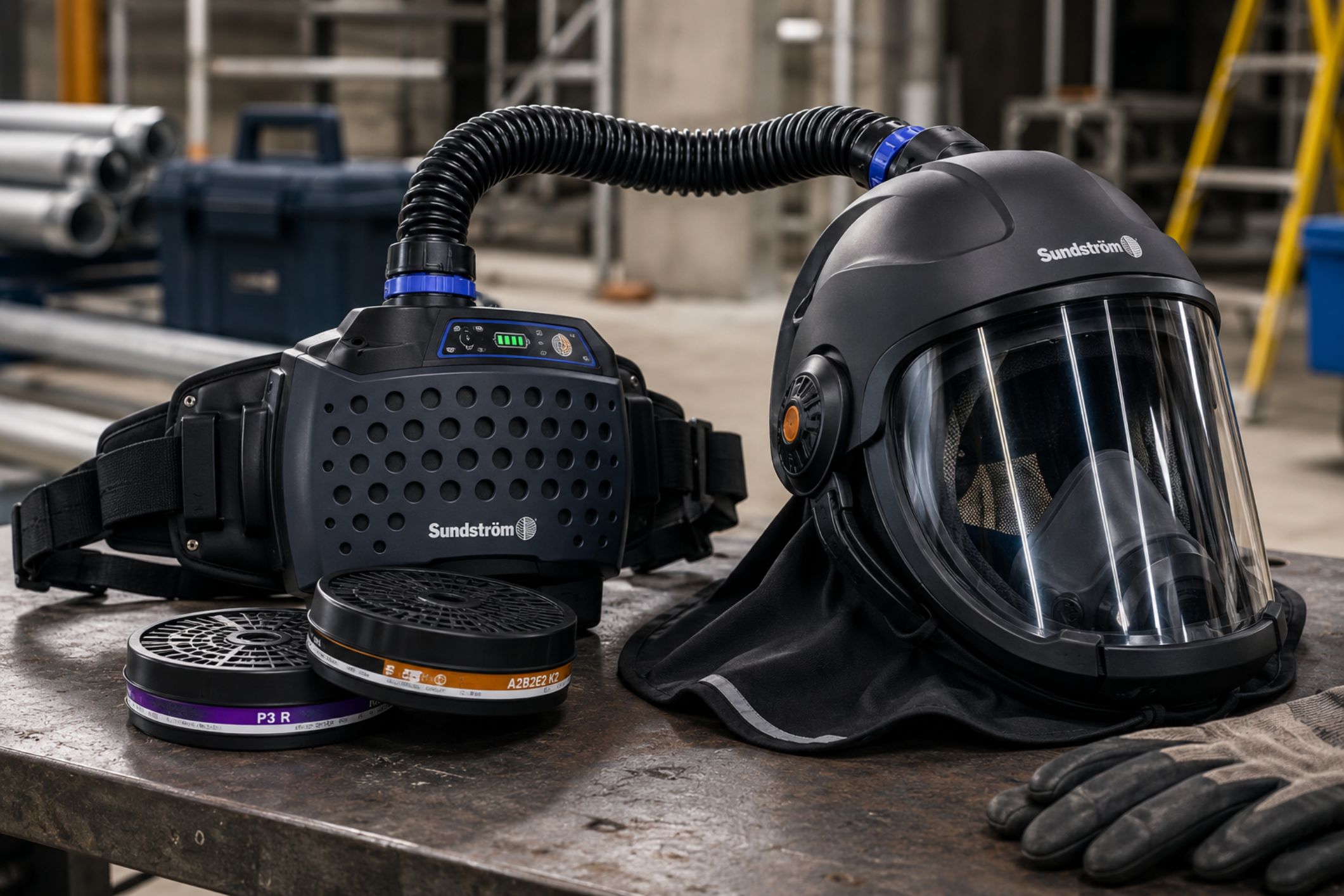
Powered respiratory systems that deliver filtered air into a hood or helmet-style headpiece are widely used for this reason. This can provide a steadier protective environment around the face without relying on direct skin contact.
Selection still needs to reflect the hazard, wear time, and other PPE worn on site. Often, teams start by comparing the exposure level and the time workers spend in the dusty area, and then then choose the headpiece style that suits the work.
On limited low-risk nuisance tasks where RPE use is voluntary and exposure is minimal, dust mask for beards may still be considered. If the job requires RPE, beard-compatible headgear usually provides the stronger plan.
What Should a Risk Assessment Cover For Bearded Workers?
Good selection starts with the work. That means focusing on exposure and how the task is actually carried out rather than defaulting to a single issue method.
For example:
- Dust source, including wood dust or mineral dust
- Concentration and duration of exposure
- Location, including enclosed areas where dust can linger
- Work rate, including physically demanding tasks that increase breathing
- Compatibility with other PPE, including eye protection and head protection
Convenience can drive purchasing decisions, but suitability matters more. A risk assessment should check whether the chosen full face dust mask for beards is appropriate.
How to Stop Misuse
Misuse often comes from misunderstanding. Staff may assume the filter rating guarantees protection or assume that because the straps are tense round the face means it’s working. But that is not always accurate.
Training can be short and direct, and you should:
- Explain why gaps change performance even on high-rated filters
- Give clear instructions for storage between tasks to limit contamination
- Confirm replacement triggers for disposable masks and planned replacement rules for reusable filters
Training for how to use a dust mask for beards should also cover how to report so staff can request suitable equipment without delay.
Need to sanity-check your current facial hair and RPE approach? Speak with us for guidance on selecting respirators that work for you.
How Should Policies Handle Religious Requirements?
Some workers keep a beard for faith reasons. Policy needs to recognise that and still meet legal duties under COSHH and PPE regulations. The practical approach is to build the policy around task risk and equipment category, then document how supervisors apply it consistently.
Start with role allocation and exposure limits. If a task creates hazardous dust that requires a tight-fitting disposable or half mask, assign only clean-shaven staff. Where that is not possible, offer work that does not require that type of respirator, or provide equipment designed for facial hair.
Issues related to a dust mask for beards should not be handled through compromise that leaves the worker exposed. The policy should direct supervisors to request suitable alternatives through procurement or a specialist supplier.
How do You Decide Between Disposable and Reusable Powered RPE?
Selection is easier when it follows a consistent decision.
Start with whether the job requires RPE. If it does, check whether the wearer can use a tight facepiece respirator on working days. If the answer is no, powered hood or helmet systems are often the best route.
Occasional short tasks may suit disposable use on clean-shaven wearers. Frequent tasks usually benefit from reusable systems with planned cleaning and filter replacement. Powered systems can be a strong option for longer wear time and for bearded workers who need protection.
Budget decisions should reflect total usage. Upfront pricing can look attractive, yet the right dust mask for beards solution is the one that delivers dependable protection and a workable routine for the site.
Get Help Choosing a Dust Mask
Choosing respiratory protection for facial hair means selecting the right equipment category.
We supply a wide range of RPE and wider PPE, including disposable respirators, reusable systems, and powered options suited to workplaces where facial hair is essential. Contact us to review your tasks and select a full face dust mask for beards option that aligns with hazard level, wear time, and compliance duties.